
Museo de Artes y Tradiciones Populares, Madrid Travel Guide
Where Madrid's working-class heritage lives on in authentic rooms and shared courtyards.
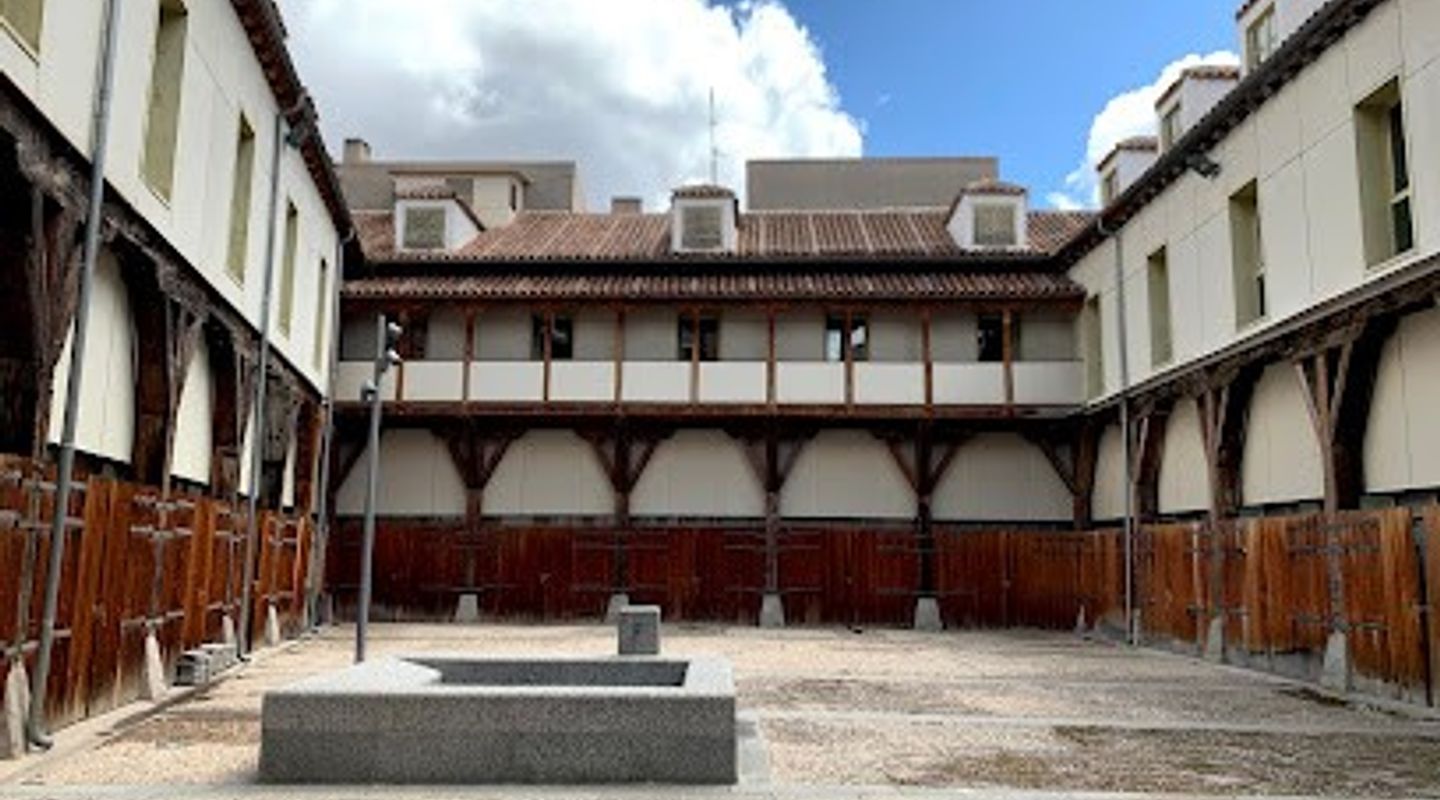
Step into a preserved 19th-century tenement building that captures the soul of Madrid's working-class neighborhoods. La Corrala showcases authentic domestic spaces, traditional crafts, and the vibrant community life that defined central Madrid for generations. This unique museum offers an intimate window into how ordinary Madrileños lived, worked, and thrived in one of Europe's most iconic urban structures.
A brief summary to Museo de Artes y Tradiciones Populares
- C. de Carlos Arniches, 3, 5, Madrid, Centro, Madrid, 28005, ES
- Click to display
- Click to display
- Free
-
 Indoor
- Mobile reception: 4 out of 5
- Monday 10 am-8 pm
- Tuesday 10 am-8 pm
- Wednesday 10 am-8 pm
- Thursday 10 am-8 pm
- Friday 10 am-8 pm
- Saturday 10 am-2 pm

Know before you go
Hi, I'm Eve. Here are a few practical things to know before exploring Museo de Artes y Tradiciones Populares.
- Visit during weekday mornings (10 AM-12 PM) for a less crowded experience and better opportunities to explore the intimate domestic spaces at your own pace.
- Allow at least 90 minutes to properly experience the reconstructed apartments, courtyard spaces, and craft exhibits without rushing through the displays.
- Check the museum's website or call ahead for information about temporary exhibitions, workshops, or cultural events that may enhance your visit with live demonstrations or guided tours.
- The narrow corridors and modest room sizes authentically reflect historical conditions; wear comfortable shoes and be prepared for tight spaces if you have mobility concerns.
- Explore the surrounding Centro neighborhood after your visit—the narrow streets, traditional bars, and local shops provide authentic context for understanding corrale life.
Do you manage this location?
Take control to get all the benefits, like improved information, better appearance, and stronger visibility across AI-powered discovery. Learn more about listing your business on Evendo
Activate your presenceOther nearby places you may find interesting
The closest places of the same kind, if this one is not quite what you had in mind.
Explore Museo de Artes y Tradiciones Populares on the Map
A handpicked selection of must-see spots near Museo de Artes y Tradiciones Populares, mapped for you.
Getting There
-
Metro
Take Metro Line 1 (light blue) toward Valdecarros and exit at Lavapiés station. From there, it's a 5-minute walk southeast through the historic neighborhood to Calle de Carlos Arniches. Journey time from central Madrid is approximately 10-15 minutes depending on your starting point.
-
Bus
Multiple bus lines serve the Centro district. Lines 3, 60, and 65 stop near the museum location. Journey time varies from 15-25 minutes depending on traffic and your starting point. Check real-time schedules at bus stops for current routes.
-
Walking
From Plaza Mayor (central Madrid), walk southeast through the historic streets for approximately 15-20 minutes. The route passes through authentic Madrid neighborhoods and is pedestrian-friendly, though streets are narrow and winding.
-
Taxi or Rideshare
Taxis and rideshare services (Uber, Bolt) are readily available throughout Madrid. Journey time from central areas is typically 10-15 minutes depending on traffic. Provide the address: Calle de Carlos Arniches, 3-5, Centro, 28005 Madrid.
For the on-the-go comforts that matter to you
-
 Restrooms
-
 Drink Options
-
 Food Options
-
 Seating Areas
-
 Information Boards
-
 Visitor Center
Discover more about Museo de Artes y Tradiciones Populares
A Snapshot of Madrid's Social History
La Corrala represents one of Madrid's most significant architectural and social heritage sites. Located in the historic Centro district on Calle de Carlos Arniches, this 19th-century tenement building embodies the essence of Madrid's working-class neighborhoods during the industrial era. The museum preserves authentic domestic interiors, communal spaces, and everyday objects that tell the story of how families lived in close quarters, sharing courtyards and building strong community bonds. The structure itself is a masterpiece of popular architecture, featuring the characteristic enclosed courtyard design that defined Madrid's corrales—multi-family dwellings that housed generations of workers, artisans, and laborers.Authentic Spaces and Living History
The museum's strength lies in its commitment to authenticity. Rather than presenting sanitized displays, La Corrala maintains reconstructed apartments that reflect genuine living conditions, complete with period furnishings, cooking implements, and personal artifacts. Visitors walk through narrow corridors and enter modest rooms that reveal the ingenuity and resilience of residents who transformed limited spaces into homes. The communal areas—courtyards, washing zones, and gathering spaces—demonstrate how social life flourished despite physical constraints. These spaces hosted celebrations, markets, and daily interactions that created the vibrant neighborhood culture Madrid is famous for.Crafts, Traditions, and Cultural Expression
Beyond domestic life, La Corrala celebrates the traditional crafts and trades that sustained these communities. The museum features exhibits on textile work, metalcraft, woodworking, and other artisanal practices that residents practiced both professionally and domestically. These displays connect material culture to the broader economic and social systems that shaped Madrid's development. The museum also highlights traditional music, dance, and festive traditions that emerged from corrales culture, preserving intangible heritage alongside physical artifacts.Architectural Significance
The building itself deserves attention as an architectural achievement. The corrale typology represents a distinctive solution to urban housing challenges of the 19th century, balancing density with livability through clever courtyard design. The structure's proportions, materials, and spatial organization reflect both practical constraints and aesthetic sensibilities of the period. Architectural enthusiasts appreciate how the building demonstrates principles of popular construction and urban planning that influenced Madrid's urban fabric.Location and Neighborhood Context
Situated in Madrid's Centro district, La Corrala sits within a neighborhood that retains much of its historic character. The surrounding streets maintain their narrow, winding layout and mix of traditional and contemporary buildings. The location provides context for understanding how corrales functioned within Madrid's urban ecosystem, connected to markets, workplaces, and other community institutions. The neighborhood's ongoing vitality demonstrates how these historic spaces continue to matter to contemporary Madrid.Educational and Cultural Mission
La Corrala operates as both museum and cultural center, hosting exhibitions, workshops, and community programs that engage visitors with Madrid's social history. The institution emphasizes accessibility and public engagement, making working-class history visible and valued. Educational programs connect historical narratives to contemporary urban issues, encouraging visitors to reflect on housing, community, and social change.More to explore near Museo de Artes y Tradiciones Populares
-

Best experiences near Museo de Artes y Tradiciones Populares
-

Best hotels near Museo de Artes y Tradiciones Populares
-

Best landmarks near Museo de Artes y Tradiciones Populares
-

Best shops near Museo de Artes y Tradiciones Populares
-

Best restaurants near Museo de Artes y Tradiciones Populares
-

Best bars near Museo de Artes y Tradiciones Populares







Your all‑in‑one travel companion app
Explore expert travel guides, compare and book tours, experiences, hotels, and more—all from the palm of your hand. Download now for seamless trip planning wherever your wanderlust takes you.


Explore More of Madrid
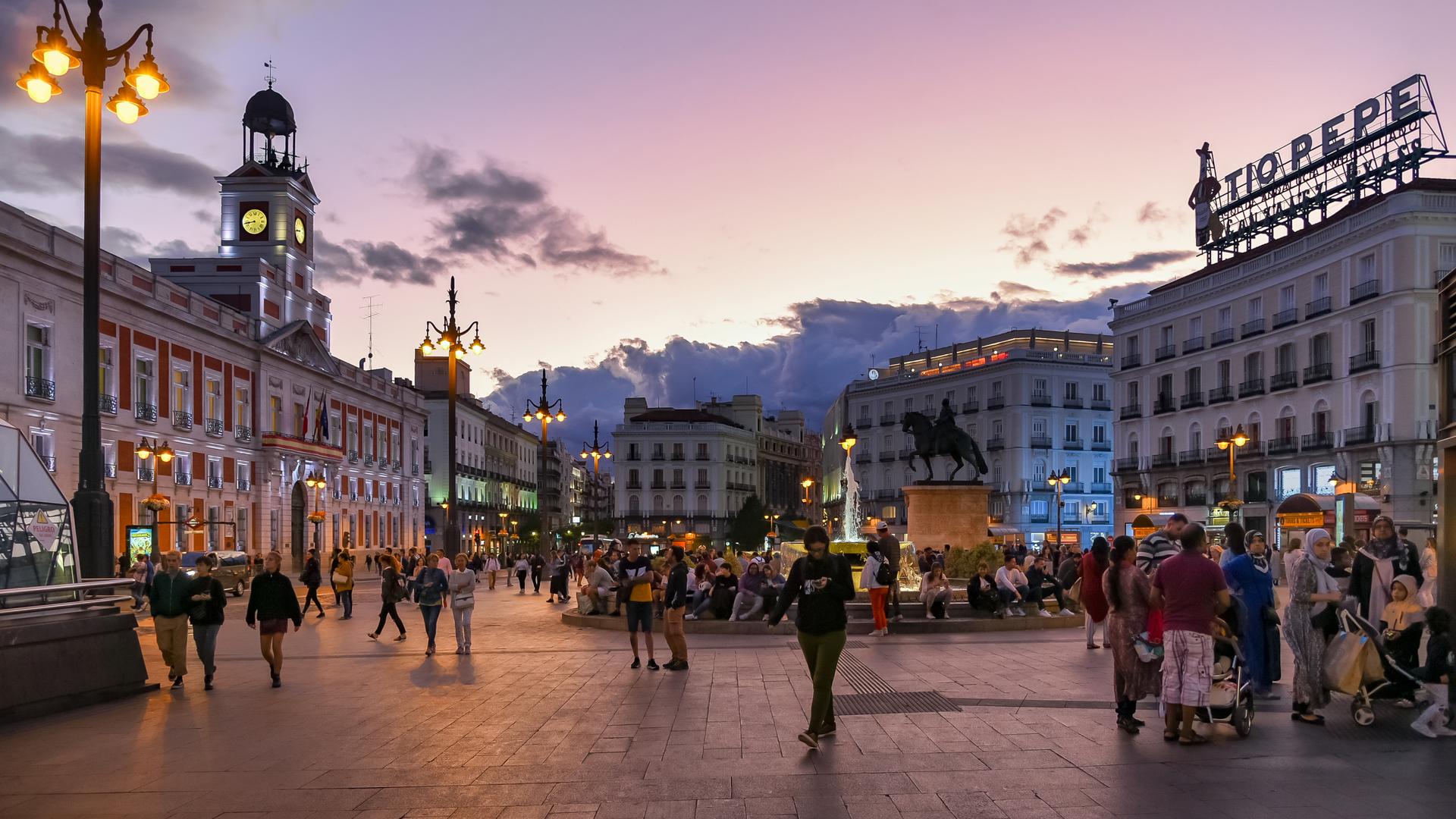
Looking beyond Museo de Artes y Tradiciones Populares? Discover Madrid for broader travel guides, local hot-spots, and regional highlights.
Explore Madrid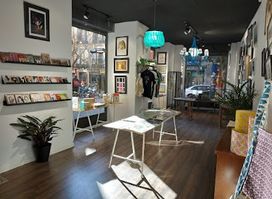
Madrid's Centro art gallery and toy shop bursting with barrio prints and playful crafts from local creators, blending gallery sophistication with toy store magic.

Colossal crowned figure rising from urban decay on Embajadores wall, Guillem Ronaldo's hyper-realistic tribute to resilience in Madrid's street art epicenter.
