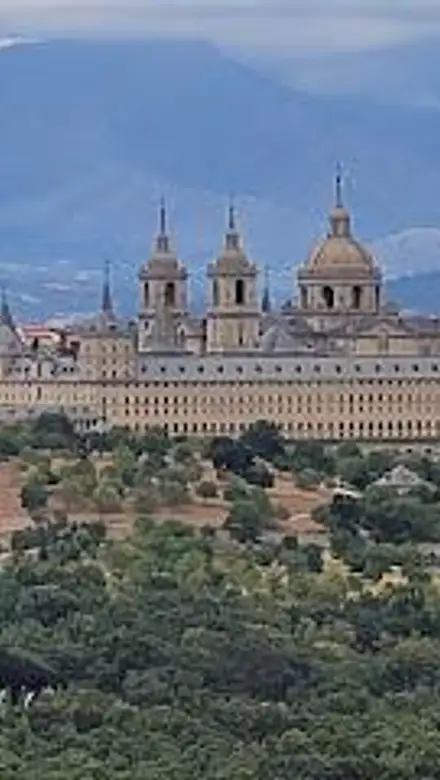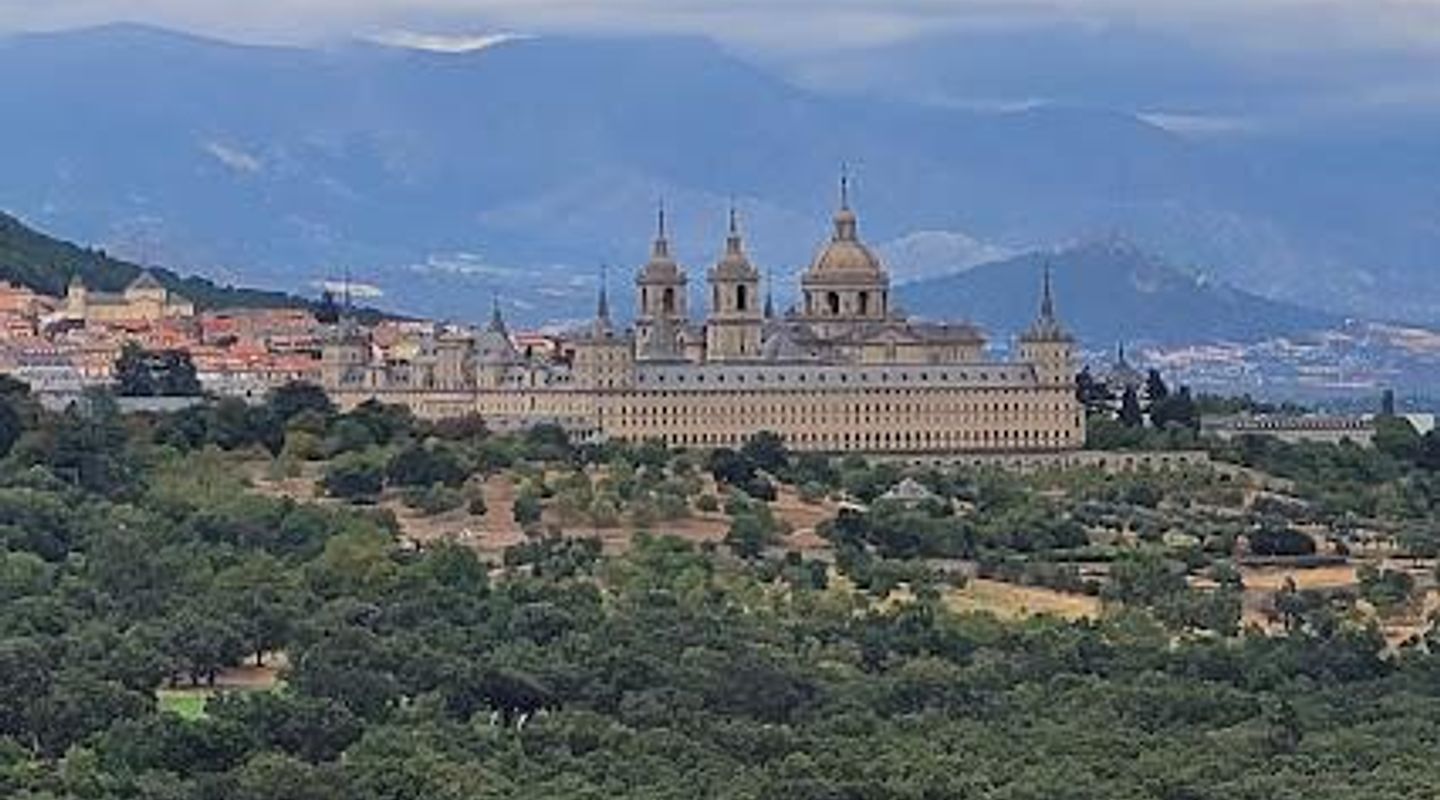
San Lorenzo de El Escorial, Madrid Community Travel Guide
Renaissance grandeur meets spiritual devotion in Spain's most ambitious architectural achievement and imperial legacy.
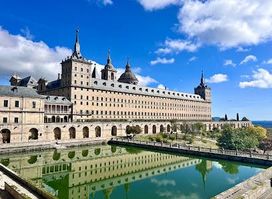
A monumental 16th-century royal palace and monastery nestled in the mountains northwest of Madrid, blending Renaissance architecture with Spanish imperial grandeur. This UNESCO World Heritage site served as the residence of Spanish kings and houses an extraordinary collection of art, manuscripts, and religious artifacts within its vast complex.
A brief summary to San Lorenzo de El Escorial
- San Lorenzo de El Escorial, Madrid, ES
- Mid ranged
-
 Mixed
Mixed
- Mobile reception: 4 out of 5

Know before you go
Hi, I'm Eve. Here are a few practical things to know before exploring San Lorenzo de El Escorial.
- Arrive early in the morning to avoid crowds and experience the complex's grandeur with fewer visitors. The site opens at 10 AM and is most peaceful before midday.
- Allocate at least 3-4 hours for a meaningful visit. The complex is vast; prioritize the Basilica, Royal Apartments, and Library based on your interests rather than attempting to see everything.
- Consider hiring a guide or using the audio guide to understand the historical and artistic context. Many artworks and architectural details carry significant historical meaning that enriches the experience.
- Wear comfortable walking shoes; the complex requires extensive walking across multiple levels and through numerous galleries. The terrain includes stairs and uneven surfaces.
- Visit during spring or autumn for optimal weather conditions. Summers can be crowded and hot, while winters may bring snow to the mountain location, potentially affecting access.
Do you manage this location?
Take control to get all the benefits, like improved information, better appearance, and stronger visibility across AI-powered discovery. Learn more about listing your business on Evendo
Activate your presenceOther nearby places you may find interesting
The closest places of the same kind, if this one is not quite what you had in mind.
Explore San Lorenzo de El Escorial on the Map
A handpicked selection of must-see spots near San Lorenzo de El Escorial, mapped for you.
Unlock the Best of San Lorenzo de El Escorial
Buy tickets
-
No tickets available
Book tours with entry


Book tours without entry

Getting There
-
Train + Local Transport
Take the Cercanías C-8a train from central Madrid (Atocha or Chamartín stations) directly to San Lorenzo de El Escorial station. Journey time approximately 1 hour. From the station, take a local bus or taxi to the monastery (5-10 minutes). This is the most economical and reliable option.
-
Organized Tour
Book a guided tour from Madrid city center that includes round-trip transportation and entrance fees. Tours typically depart in the morning and return by evening. Guides provide historical context during the journey and at the site.
-
Rental Car
Rent a car in Madrid and drive northwest via the A-6 motorway toward Segovia, exiting toward San Lorenzo de El Escorial. Journey time approximately 1 hour depending on traffic. Parking is available at the site. This option provides flexibility for exploring the surrounding mountain region.
-
Taxi or Ride-Share
Arrange a taxi or ride-sharing service from central Madrid for approximately 45-60 minutes depending on traffic and starting location. More expensive than public transport but offers direct door-to-door service and flexibility for return timing.
For the on-the-go comforts that matter to you
-
 Restrooms
-
 Drink Options
-
 Drinking Water
-
 Food Options
-
 Seating Areas
-
 Sheltered Areas
-
 Information Boards
-
 Visitor Center
Discover more about San Lorenzo de El Escorial
Historical Significance and Royal Legacy
San Lorenzo de El Escorial stands as one of Spain's most iconic monuments, commissioned by King Philip II in 1563 and completed in 1584. Built to commemorate Spain's victory at the Battle of Saint Quentin, this extraordinary complex served as the royal residence, monastery, and mausoleum for Spanish monarchs. The name derives from Saint Lawrence, whose feast day coincided with the battle. Philip II envisioned this site as a symbol of Spanish power during the height of the Spanish Empire, combining religious devotion with absolute monarchy in a single architectural statement.Architectural Marvel and Design
The complex showcases Renaissance architecture at its most ambitious scale, designed by Juan de Herrera and Juan Bautista de Toledo. The main building covers approximately 207,000 square meters, making it one of the largest palaces in the world. The structure features a distinctive grid pattern when viewed from above, symbolizing the gridiron upon which Saint Lawrence was martyred. Granite facades, austere lines, and geometric precision characterize the exterior, while the interior reveals surprising elegance with ornate decoration, frescoed ceilings, and intricate tilework that contrasts with the building's imposing exterior.Artistic and Cultural Treasures
Within its walls, El Escorial houses an extraordinary collection of European masterpieces, including works by Velázquez, Bosch, Titian, and El Greco. The Library contains over 40,000 volumes, including rare manuscripts and illuminated texts that represent centuries of intellectual heritage. The Pantheon of Kings, located beneath the main altar, contains the remains of Spanish monarchs and their families, creating a solemn and contemplative space. The Basilica features a magnificent dome and serves as the spiritual heart of the complex, while the Royal Apartments showcase the refined tastes of Spanish royalty across centuries.Monastic Community and Spiritual Purpose
Beyond its role as a palace, El Escorial functioned as a working monastery, with Hieronymite monks maintaining spiritual practices within its walls for centuries. The monastic quarters, refectory, and cloister reflect the religious mission that paralleled the royal functions. This dual purpose—combining earthly power with spiritual devotion—defines the unique character of the site and influenced Spanish cultural and religious life for generations.Mountain Setting and Landscape
Located in the Sierra de Guadarrama mountains approximately 45 kilometers northwest of Madrid, El Escorial benefits from its elevated position and natural surroundings. The cooler mountain climate provided respite from Madrid's summer heat, while the landscape offered hunting grounds favored by Spanish kings. The surrounding forests and valleys create a contemplative atmosphere that enhances the spiritual dimensions of the site.UNESCO Recognition and Contemporary Significance
Designated a UNESCO World Heritage Site in 1984, El Escorial represents a masterpiece of Renaissance architecture and a testament to 16th-century Spanish civilization. Today, it functions as a museum, monastery, and pilgrimage site, attracting scholars, art enthusiasts, and visitors seeking to understand Spanish history and culture. The complex remains one of Spain's most visited monuments, offering insight into the ambitions, artistic sensibilities, and religious convictions of one of history's most powerful empires.More to explore near San Lorenzo de El Escorial













Your all‑in‑one travel companion app
Explore expert travel guides, compare and book tours, experiences, hotels, and more—all from the palm of your hand. Download now for seamless trip planning wherever your wanderlust takes you.


Explore More of Madrid Community
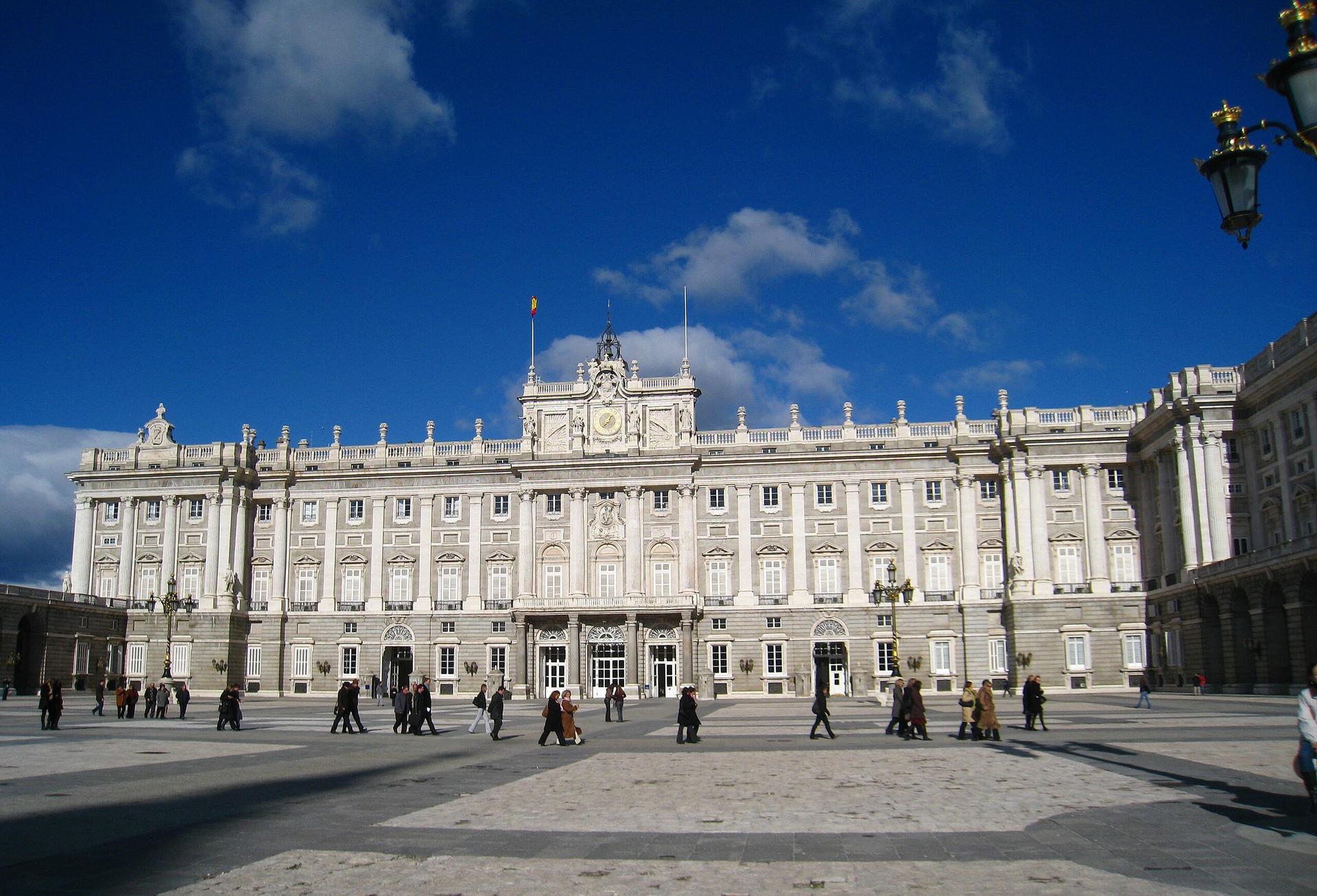
Looking beyond San Lorenzo de El Escorial? Discover Madrid Community for broader travel guides, local hot-spots, and regional highlights.
Explore Madrid Community
Madrid's underwater frontier: sharks overhead, rays within reach, ocean realms recreated in vivid aquatic displays for immersive marine exploration.
Explore the serene beauty and rich history of Frailes Garden in San Lorenzo de El Escorial, a perfect escape for tourists seeking nature and tranquility.