

Real Monasterio de la Encarnación, Madrid Travel Guide
Baroque royal monastery anchoring Madrid's Centro district with cloistered cloisters, lapis sacristy wonders, and Habsburg-era relics preserved in stone and gold.
Seventeenth-century royal monastery in Madrid's historic heart, blending Baroque splendor with cloistered serenity. Explore ornate cloisters, royal relics, and the sacristy museum showcasing Habsburg treasures amid incense-scented air and echoing stone corridors.
A brief summary to Real Monasterio de la Encarnación
- Pl. de la Encarnación, 1, Madrid, Centro, Madrid, 28013, ES
- Click to display
- Click to display
- Budget
-
 Indoor
- Mobile reception: 5 out of 5
- Tuesday 10 am-2 pm
- Wednesday 10 am-2 pm
- Thursday 10 am-2 pm
- Friday 10 am-2 pm
- Saturday 10 am-2 pm
- Sunday 10 am-3 pm

Know before you go
Hi, I'm Eve. Here are a few practical things to know before exploring Real Monasterio de la Encarnación.
- Opt for guided tours to uncover hidden stories behind relics and artworks, available in Spanish for immersive depth.
- Visit the sacristy early to experience its jewel-like glow without crowds reflecting off inlaid walls.
- Combine with nearby royal sites like Palacio Real for a full Habsburg heritage circuit on foot.
- Wear comfortable shoes for navigating uneven stone floors and multiple staircases throughout the complex.
Do you manage this location?
Take control to get all the benefits, like improved information, better appearance, and stronger visibility across AI-powered discovery. Learn more about listing your business on Evendo
Activate your presenceOther nearby places you may find interesting
The closest places of the same kind, if this one is not quite what you had in mind.
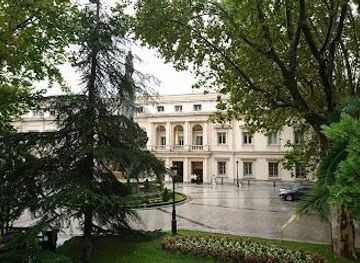
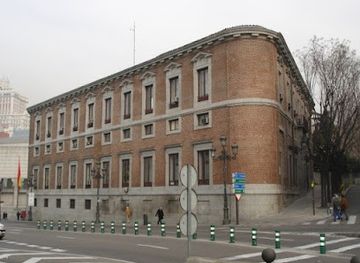
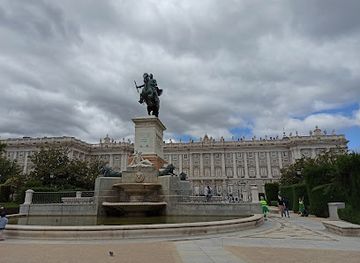
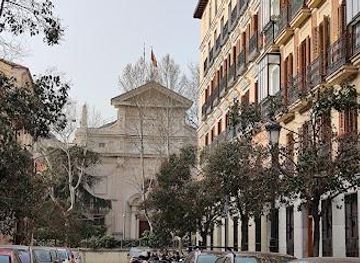
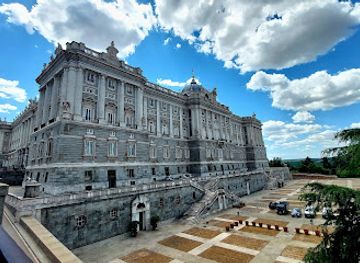
Explore Real Monasterio de la Encarnación on the Map
A handpicked selection of must-see spots near Real Monasterio de la Encarnación, mapped for you.
Unlock the Best of Real Monasterio de la Encarnación
Buy tickets
-
No tickets available
Book tours with entry


Getting There
-
Walking
15-minute stroll through pedestrian streets from Chueca's core; flat terrain, free, direct access anytime.
-
Metro
2 stops on Line 2 from Chueca station to nearby stop; €1.50-2 fare, 5 minutes travel, frequent service.
-
Bus
Direct bus lines from Chueca plaza; €1.50 single ticket, 10-minute ride, every 10-15 minutes.
-
Taxi
5-7 minute ride via main avenues; €6-8 fixed zone fare, on-demand availability.
For the on-the-go comforts that matter to you
-
 Restrooms
-
 Seating Areas
-
 Information Boards
Discover more about Real Monasterio de la Encarnación
Historical Foundations
Founded in 1611 by Margaret of Austria, wife of Philip III, the Real Monasterio de la Encarnación stands as a pinnacle of Habsburg-era devotion in Madrid. Conceived as a royal enclosure for noblewomen, it quickly became a spiritual powerhouse, housing Augustinian nuns under direct crown patronage. Its construction under architect Juan Gómez de Mora fused Herrerian restraint with emerging Baroque flourishes, creating a fortress-like facade that guards profound interior riches. Over centuries, it served as confessor to Spanish monarchs, embedding it in the fabric of royal history.Architectural Marvels
Step through the imposing portal into a world of geometric perfection and gilded excess. The cloister of the Kings, with its Tuscan columns and frescoed vaults depicting monarchs, sets a tone of restrained grandeur. The Baroque staircase, a sculptural triumph by Narciso Tomé, spirals upward with theatrical light play. The church's altarpiece, framed by Solomonic columns, draws the eye to canvases by Luca Giordano. Vaults overhead burst with allegorical frescoes, while side chapels harbor intimate relics of sainthood.Sacristy and Artistic Treasures
The sacristy stands as the monastery's crown jewel, a jewel box of 17th-century opulence. Walls sheathed in Florentine lapis lazuli and mother-of-pearl gleam under crystal chandeliers. Pedro de Nole's wardrobe, carved from ebony and ivory, conceals vestments embroidered with gold thread. Reliquaries encrusted with precious stones hold bone fragments of saints, illuminated by candlelight that dances across silver monstrances. This space, once private, now reveals the lavish piety of Spain's Golden Age.Monastic Life and Atmosphere
Though active nuns still inhabit secluded quarters, visitors traverse public realms infused with timeless quietude. The air carries faint traces of incense and aged wood, punctuated by distant chants. Courtyards framed by arcades offer shaded respite, where sunlight filters through iron grilles onto tiled floors worn smooth by centuries of footsteps. The vibe shifts from reverent hush in sacred zones to contemplative calm in museum galleries, evoking the enclosed world's disciplined grace.Cultural Significance
Managed by Patrimonio Nacional, the monastery preserves artifacts tied to figures like Queen Margaret, who lies in the pantheon alongside noble kin. Its museum displays jewelry, paintings, and liturgical objects, illuminating conventual splendor. Literary echoes abound—Lope de Vega praised its sanctity, while Goya's connections add Romantic intrigue. As a living landmark, it bridges Madrid's Catholic heritage with accessible heritage tourism.Visitor Expectations
Wander self-guided through layered spaces, from crypts to upper galleries, absorbing layered narratives of faith, power, and artistry. Guided tours in Spanish delve deeper into anecdotes, while audio aids enhance independent exploration. Expect a journey through time, where stone whispers of absolutist Spain, and every archway unveils another facet of monastic magnificence.More to explore near Real Monasterio de la Encarnación
-

Best experiences near Real Monasterio de la Encarnación
-

Best hotels near Real Monasterio de la Encarnación
-

Best attractions near Real Monasterio de la Encarnación
-

Best shops near Real Monasterio de la Encarnación
-

Best restaurants near Real Monasterio de la Encarnación
-

Best bars near Real Monasterio de la Encarnación







Your all‑in‑one travel companion app
Explore expert travel guides, compare and book tours, experiences, hotels, and more—all from the palm of your hand. Download now for seamless trip planning wherever your wanderlust takes you.


Explore More of Madrid
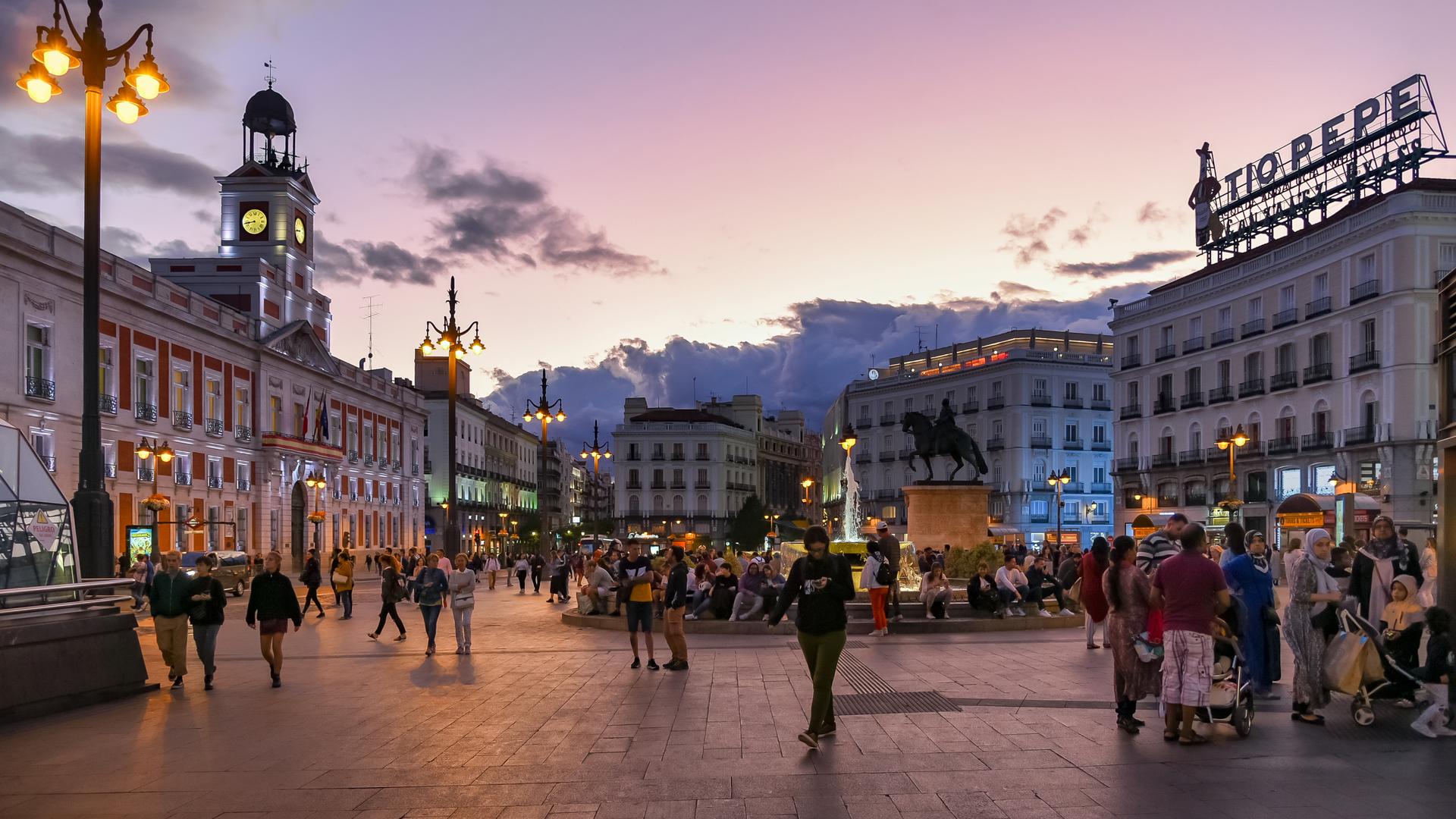
Looking beyond Real Monasterio de la Encarnación? Discover Madrid for broader travel guides, local hot-spots, and regional highlights.
Explore Madrid
Explore the serene beauty of Jardines del Cabo Noval, a lush garden oasis in the heart of Madrid, perfect for relaxation and leisure.
Compact plaza in Madrid Centro saluting naval heritage beside San Ginés Church, blending 19th-century stonework, tree-shaded benches, and authentic neighborhood pulse steps from Plaza Mayor.
