

Castillo de Calatalifa, Madrid Travel Guide
Medieval fortress ruins atop Villaviciosa de Odón hill, guarding ancient routes with sturdy walls and sweeping views over Madrid's olive-dotted plains.
Perched on a rugged hill in Villaviciosa de Odón, Castillo de Calatalifa stands as a weathered testament to medieval warfare and strategic defense. This 15th-century fortress, with its robust walls and commanding views, offers a glimpse into Spain's turbulent past amid olive groves and rolling countryside just outside Madrid.
A brief summary to Castillo de Calatalifa
- Villaviciosa de Odón, Madrid, 28670, ES
- Click to display
- Free
-
 Outdoor
- Mobile reception: 4 out of 5

Know before you go
Hi, I'm Eve. Here are a few practical things to know before exploring Castillo de Calatalifa.
- Wear sturdy shoes for uneven terrain and steep inclines around the hilltop ruins.
- Visit at dawn or dusk for optimal lighting and fewer crowds amid the panoramic countryside.
- Bring water and sun protection; the exposed site offers little shade in summer.
- Combine with a walk through nearby olive groves for a fuller sense of the rural setting.
Do you manage this location?
Take control to get all the benefits, like improved information, better appearance, and stronger visibility across AI-powered discovery. Learn more about listing your business on Evendo
Activate your presenceOther nearby places you may find interesting
The closest places of the same kind, if this one is not quite what you had in mind.
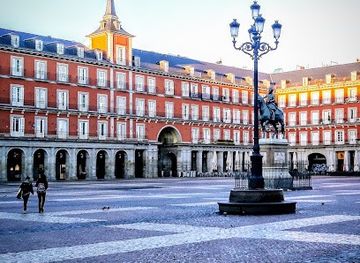
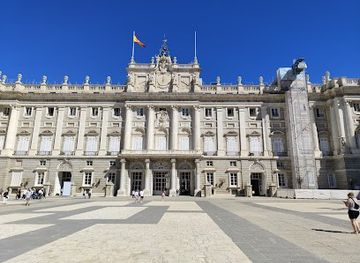
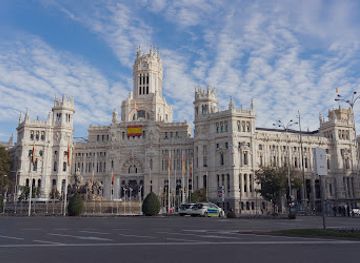
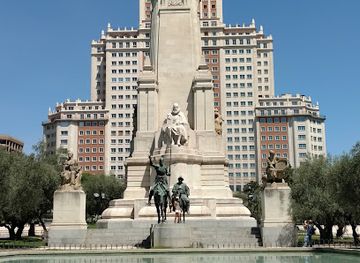
Explore Castillo de Calatalifa on the Map
A handpicked selection of must-see spots near Castillo de Calatalifa, mapped for you.
Getting There
-
Public Transport
Take EMT bus from Madrid's Moncloa interchange to Villaviciosa de Odón (30-40 min, €1.50-€3 round trip), then 20-min uphill walk; frequent service.
-
Driving
Drive A-5 southwest from central Madrid (20-25 min, toll-free), park at base; easy access but limited spots.
-
Taxi/Rideshare
Uber/taxi from Madrid center (25-35 min, €25-35 one-way); direct drop-off near trailhead.
For the on-the-go comforts that matter to you
-
 Information Boards
-
 Trash Bins
Discover more about Castillo de Calatalifa
Historical Foundations
Built in the mid-15th century during the reign of Enrique IV of Castile, Castillo de Calatalifa emerged as a key defensive outpost on Madrid's western edge. Originally constructed to guard against incursions from the Kingdom of Toledo, the castle's strategic hilltop position provided panoramic surveillance over vital trade routes and agricultural lands. Its name derives from Arabic roots, 'Qalat al-Talifa,' hinting at earlier Islamic influences in the region, though the current structure reflects Christian military architecture of the late Middle Ages.Architectural Features
The castle's design exemplifies Mudéjar style, blending Islamic and Gothic elements. Towering walls of ashlar masonry, up to 10 meters high, encircle a polygonal keep and residential quarters. Notable are the robust corner towers, including the imposing Torre del Homenaje, equipped with machicolations for dropping stones on attackers. Inside, remnants of cisterns, stables, and a chapel reveal a self-sufficient fortress capable of withstanding prolonged sieges. Erosion and restoration efforts have preserved its austere, functional beauty against the elements.Military Significance
Throughout the 16th century, Calatalifa served in the wars of the Comuneros revolt and later conflicts, witnessing artillery advancements that rendered such castles obsolete. Abandoned by the 18th century, it fell into ruin, yet its role in protecting Madrid's hinterlands underscores the volatile border dynamics of medieval Spain. Archaeological digs have uncovered arms, pottery, and coins, illuminating daily life for soldiers and nobles stationed here.Natural and Cultural Setting
Nestled in Villaviciosa de Odón's undulating terrain, the site merges rugged stone with surrounding Mediterranean scrub, olive trees, and distant Sierra de Guadarrama vistas. The castle's isolation fosters a contemplative atmosphere, ideal for pondering centuries of conquest and resilience. Proximity to modern Madrid makes it an accessible portal to history, contrasting urban bustle with rural tranquility.Visitor Experience
Exploring the ruins involves navigating uneven paths and climbing remnants for elevated perspectives. The site's raw state invites imagination—envision banners fluttering from battlements, echoes of clashing steel. Seasonal wildflowers frame the stones in spring, while golden autumn light bathes the walls, enhancing photographic opportunities. It's a place where history feels tangible, bridging past and present through tactile stone and sweeping horizons.Preservation and Legacy
Declared a cultural interest site, ongoing conservation balances protection with public access. The castle endures as a symbol of regional identity, featured in historical studies and local lore. Its unpolished authenticity distinguishes it from polished tourist sites, rewarding those seeking genuine medieval immersion amid Madrid's commuter belt.












Your all‑in‑one travel companion app
Explore expert travel guides, compare and book tours, experiences, hotels, and more—all from the palm of your hand. Download now for seamless trip planning wherever your wanderlust takes you.


Explore More of Madrid
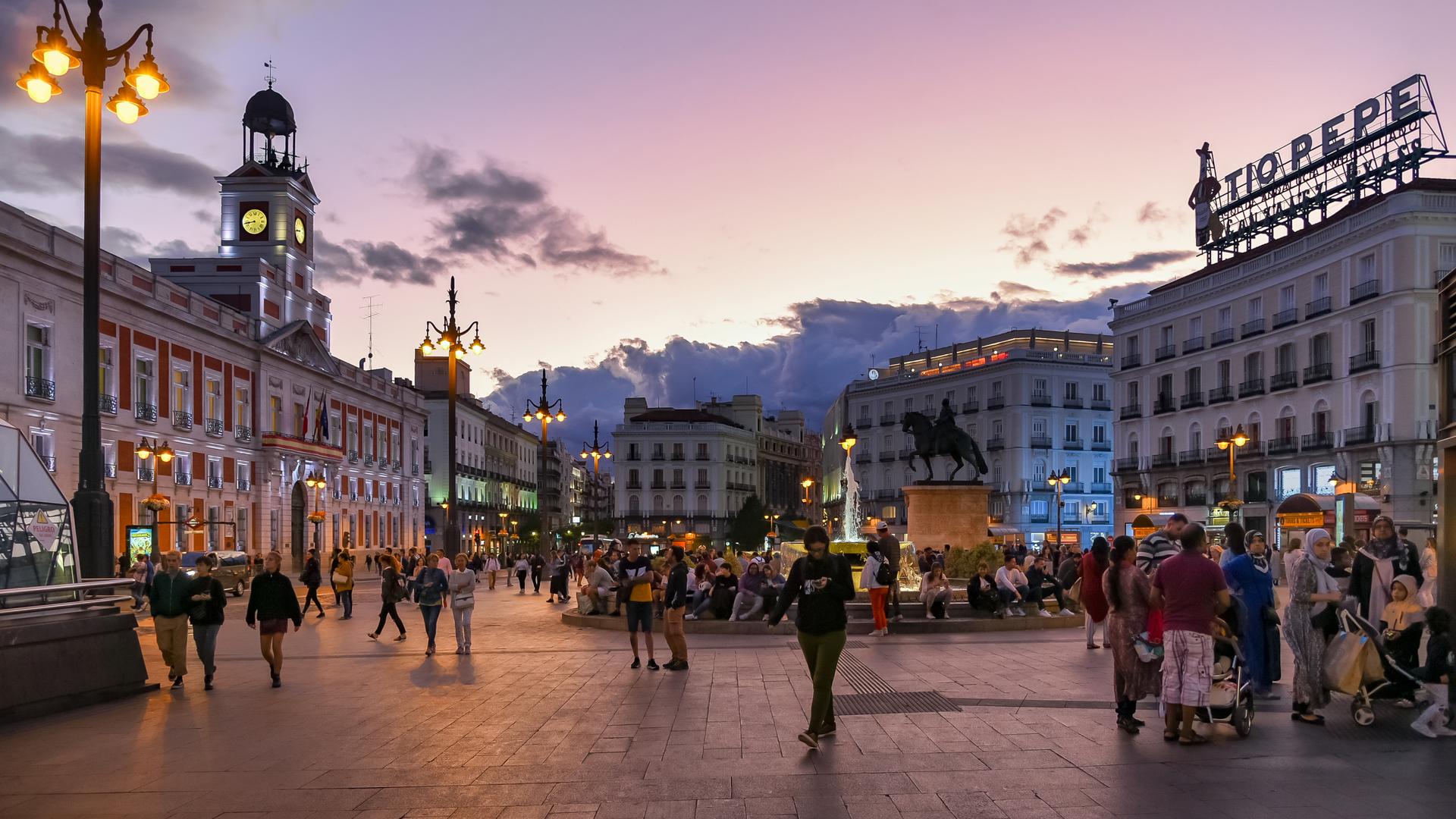
Looking beyond Castillo de Calatalifa? Discover Madrid for broader travel guides, local hot-spots, and regional highlights.
Explore Madrid
Stone arches over Manzanares in Moncloa-Aravaca deliver Madrid's understated bridge engineering amid riverside paths and parkland tranquility.
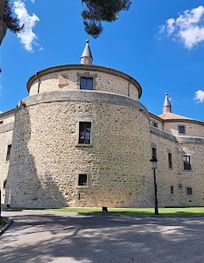
Medieval fortress revealing five centuries of Spanish nobility, power, and architectural mastery on Madrid's historic frontier.
