
Horno (ruinas), Madrid Travel Guide
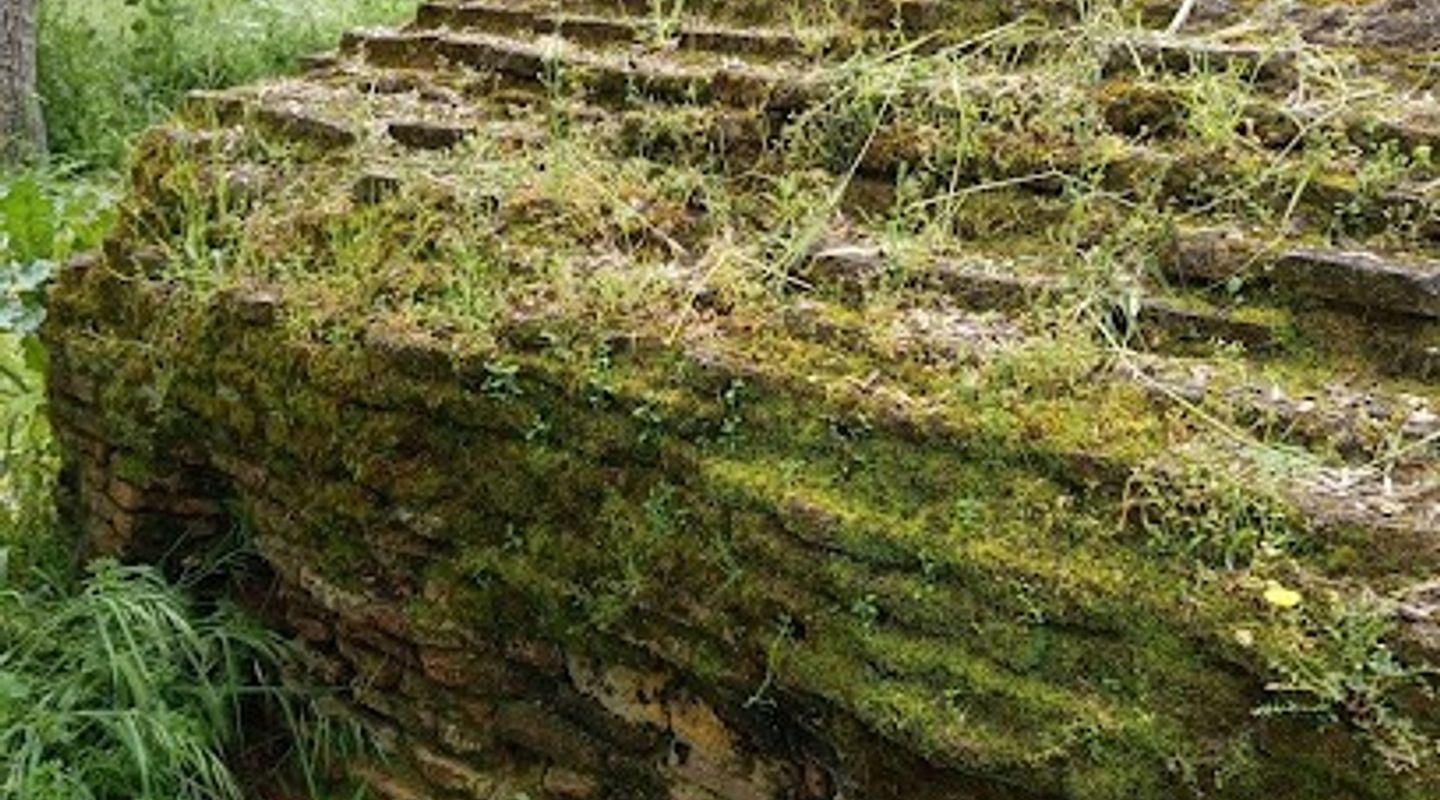
Weathered kiln ruins in Casa de Campo evoke Madrid's industrial roots, blending stone relics with woodland paths for quiet historical immersion in Moncloa-Aravaca.
Tucked in Madrid's Moncloa-Aravaca district, the Horno ruins stand as poignant remnants of an industrial past. These weathered stone structures, once a bustling oven or kiln, whisper stories of craftsmanship amid the Casa de Campo's expansive greenery. Ideal for history enthusiasts seeking understated archaeological gems off the tourist trail, they offer a serene spot to ponder Madrid's layered heritage where urban edges meet wild nature.
A brief summary to Horno (ruinas)
- Madrid, Moncloa - Aravaca, Madrid, ES
- Click to display
- Free
-
 Outdoor
- Mobile reception: 4 out of 5
- Monday 12 am-12 pm
- Tuesday 12 am-12 pm
- Wednesday 12 am-12 pm
- Thursday 12 am-12 pm
- Friday 12 am-12 pm
- Saturday 12 am-12 pm
- Sunday 12 am-12 pm

Know before you go
Hi, I'm Eve. Here are a few practical things to know before exploring Horno (ruinas).
- Combine with a full Casa de Campo hike to contextualize the ruins within the park's expansive historical landscape.
- Visit early morning or late afternoon for optimal light that accentuates the stone textures and arches.
- Wear sturdy shoes as surrounding paths can be uneven and muddy after rain.
- Look for subtle mason marks on stones to appreciate the craftsmanship of long-gone builders.
Do you manage this location?
Take control to get all the benefits, like improved information, better appearance, and stronger visibility across AI-powered discovery. Learn more about listing your business on Evendo
Activate your presenceOther nearby places you may find interesting
The closest places of the same kind, if this one is not quite what you had in mind.
Explore Horno (ruinas) on the Map
A handpicked selection of must-see spots near Horno (ruinas), mapped for you.
Getting There
-
Metro
Take Metro Line 10 to Lago station from central Madrid (15-20 min, €1.50-2), then 20-min walk through Casa de Campo trails.
-
Bus
Bus 65 from Plaza Mayor or Sol (25-30 min, €1.50), exit near Casa de Campo entrance, followed by 15-min park walk.
-
Walk
From Moncloa station (Metro Lines 3/6), 25-30 min uphill walk via park paths into Casa de Campo.
-
Bike
Rent city bikes from central hubs, 20-25 min ride to Casa de Campo west entrance, then short trail pedal (free for first 30 min).
For the on-the-go comforts that matter to you
-
 Information Boards
-
 Trash Bins
-
 Seating Areas
Discover more about Horno (ruinas)
Historical Foundations
The Horno ruins, meaning 'oven' or 'kiln' in Spanish, represent a fragment of Madrid's industrial and rural history within the vast Casa de Campo park. Likely dating to the 19th or early 20th century, this structure served as a lime kiln or bread oven integral to the area's agricultural and artisanal life. Positioned in the Moncloa-Aravaca borough, it embodies the transition from rural workshops to modern urban sprawl, preserving the grit of hands-on labor in stone and mortar.Architectural Remnants
What remains is a striking skeletal form: arched openings carved into thick stone walls, blackened by centuries of fire and exposure. The cylindrical base hints at its original dome, collapsed over time, leaving jagged edges that frame encroaching foliage. Moss clings to the surfaces, while ivy threads through cracks, blending human engineering with natural reclamation. Unlike polished monuments, these ruins retain raw authenticity, their imperfections mapping eras of use and abandonment.Surrounding Landscape
Nestled near Casa de Campo's trails, the site merges with pine groves and rocky outcrops, offering panoramic views toward Madrid's skyline. The atmosphere shifts with light—golden at dawn, shadowed at dusk—enhancing the ruins' melancholic vibe. Birdsong and rustling leaves provide a soundtrack, contrasting the silent testimony of fired clay and heated stone. This juxtaposition creates a contemplative space distinct from the city's frenetic pulse.Cultural Significance
As a classified historical landmark, Horno contributes to understanding Madrid's hinterland economy, where kilns processed lime for construction and ovens baked for communities. It parallels other regional relics, underscoring sustainable building practices reliant on local materials. Visitors encounter not just decay, but continuity: paths worn by past workers echo modern footsteps, linking personal exploration to collective memory.Visitor Experience
Approaching reveals subtle drama—the ruins emerge unexpectedly from woodland, rewarding patient wanderers. Close inspection uncovers textures: soot-stained interiors, tool marks on blocks, faint graffiti layering histories. Photographers capture moody compositions, while thinkers find quiet for reflection. Integrated into park routes, it enriches hikes without demanding reverence, fitting seamlessly into broader itineraries across Casa de Campo's 17 square kilometers.Preservation Context
Protected yet unobtrusive, the site exemplifies low-key heritage management, allowing natural processes to coexist with conservation. Seasonal changes animate it—wildflowers in spring, autumnal hues framing stone—ensuring each visit differs. For Madrileños and travelers alike, Horno offers an intimate portal to the city's underbelly, where everyday industry forged the capital's foundations amid enduring wilderness.












Your all‑in‑one travel companion app
Explore expert travel guides, compare and book tours, experiences, hotels, and more—all from the palm of your hand. Download now for seamless trip planning wherever your wanderlust takes you.


Explore More of Madrid
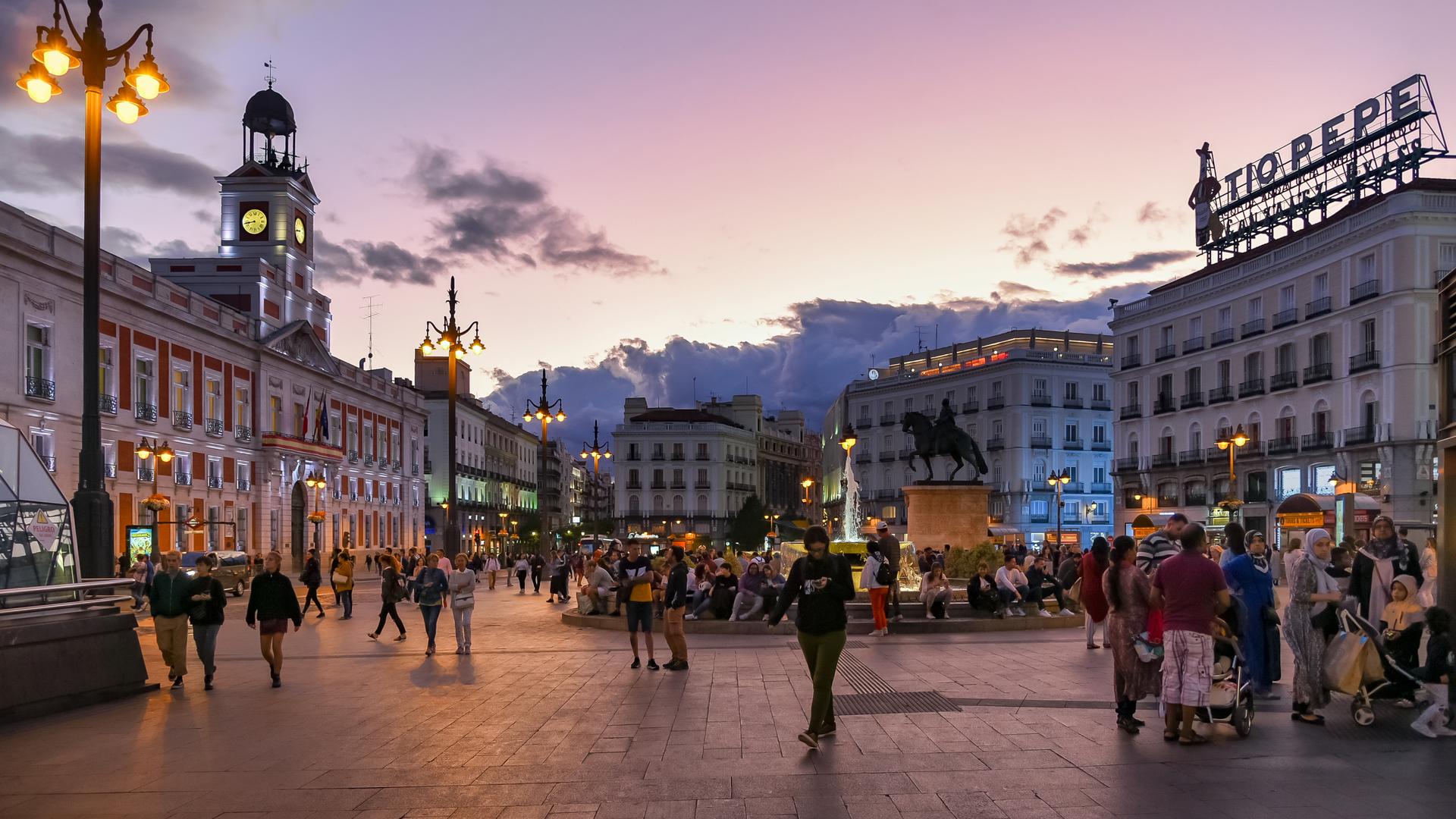
Looking beyond Horno (ruinas)? Discover Madrid for broader travel guides, local hot-spots, and regional highlights.
Explore Madrid
Sleek modern hotel facade anchors La Latina's tapas alleys, blending sharp lines with Madrid's ancient pulse for an urban landmark stay in Centro's vibrant core.

Twisting stone arches over Manzanares in Casa de Campo link Madrid's royal past to wooded trails and quiet river panoramas.
