Cibeles Fountain, Madrid Travel Guide
Free Guide: Cybele's marble chariot commands Plaza Cibeles, where cascading waters meet Madrid's bustling arteries in a timeless display of neoclassical power and urban vitality.


A brief summary of Cibeles Fountain
Cybele's marble chariot commands Plaza Cibeles, where cascading waters meet Madrid's bustling arteries in a timeless display of neoclassical power and urban vitality.
Towering over Plaza Cibeles, the Cibeles Fountain captivates with its majestic sculpture of the goddess Cybele riding a lion-drawn chariot. This neoclassical masterpiece, crafted from marble and bronze, symbolizes fertility and earth, drawing crowds to its dramatic presence amid Madrid's grand boulevards. Witness the water cascading from ornate spouts as the city pulses around this iconic symbol of Madrid's regal heritage.
On-site amenities
 Restrooms
 Drink options
 Food options
 Seating areas
 Trash bins
 Information boards
Opening hours
- Every dayOpen 24 hours
Opening hours as listed on the venue’s Google Business Profile. Hours can change for services and special events, so check with the venue before you go.
- Address
- Plaza Cibeles, S/N, Centro, 28014 Madrid
- Website
Getting there
Metro
Bus
Walking
Taxi
Discover more about Cibeles Fountain
Iconic Symbol of Madrid
The Cibeles Fountain stands as one of Madrid's most recognizable landmarks, dominating the expansive Plaza Cibeles at the intersection of Paseo del Prado and Paseo de Recoletos. Sculpted in the late 18th century, it features the Roman goddess Cybele, known as the Great Mother, seated in a chariot pulled by two massive lions. The statue, carved from white marble by Francisco Gutiérrez and adorned with bronze elements by Roberto Michel, rises triumphantly from a central basin surrounded by cascading water features. Flanking the main figure are allegorical sculptures representing the Tagus and Manzanares rivers, adding layers of symbolism tied to Spain's geography and mythology.
Historical Origins and Creation
Commissioned in 1777 by King Charles III as part of his urban renewal projects, the fountain originally stood in the now-vanished Plaza de las Cibeles before being relocated to its current site in 1893. Gutiérrez's design drew inspiration from classical antiquity, portraying Cybele with a mural crown evoking city walls, emphasizing protection and abundance. The work faced delays due to the sculptor's death, but Michel completed the bronze lions and decorative details. Over centuries, it has witnessed pivotal moments in Spanish history, from royal processions to political upheavals, embedding itself in the capital's collective memory.
Architectural Grandeur and Artistic Details
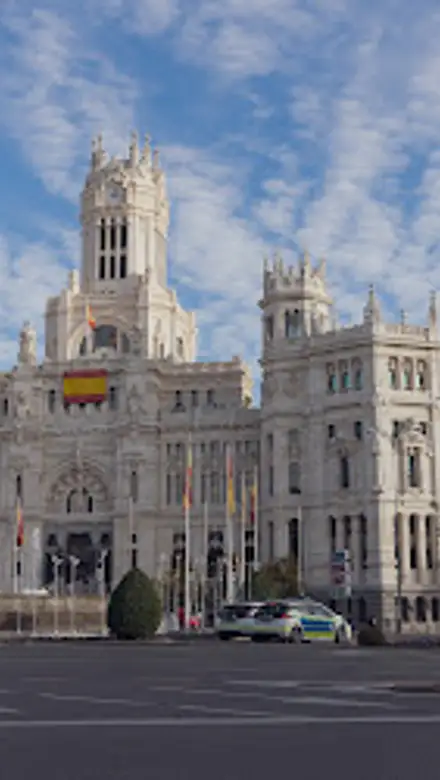
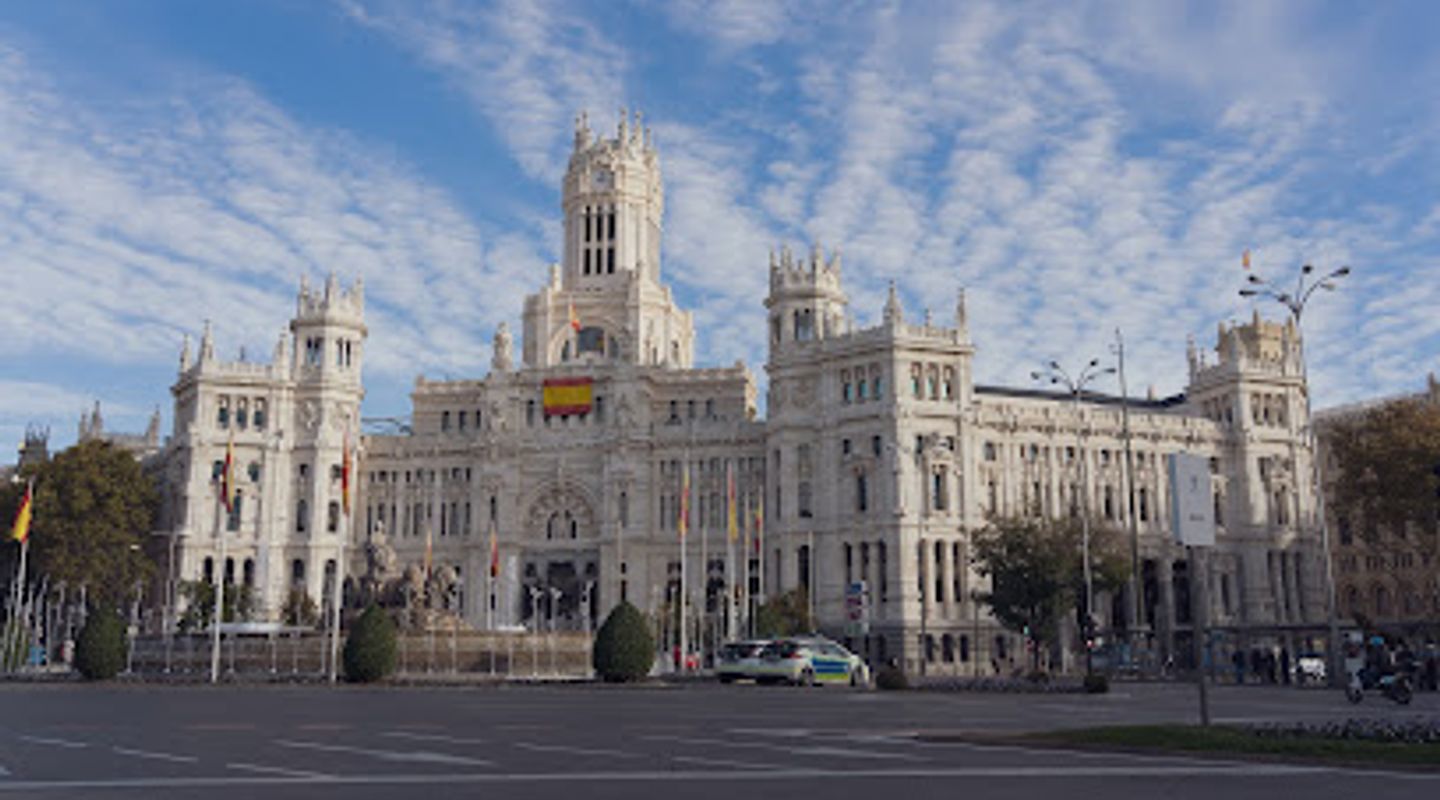
Neoclassical in style, the fountain exemplifies 18th-century Spanish sculpture with its balanced proportions and dynamic composition. The goddess's poised figure contrasts with the rearing lions, creating a sense of motion frozen in time. Water jets emerge from sculpted spouts shaped like lion heads and mythical creatures, enhancing the auditory drama of splashing cascades. The pedestal bears intricate reliefs depicting pastoral scenes, while the surrounding plaza amplifies its scale against the backdrop of the Palacio de Cibeles and neoclassical facades.
Cultural and Symbolic Significance
Cybele holds deep cultural resonance as a symbol of Madrid, often featured in literature, art, and local lore. Real Madrid football fans gather here after victories to celebrate, draping the statue in club colors and igniting flares in ecstatic rituals. The fountain also marks the finish line for events like the Vuelta a España cycling race, underscoring its role in contemporary traditions. Its position at the heart of Madrid's 'Art Triangle' links it to nearby museums and cultural hubs, making it a nexus for artistic appreciation.
Atmosphere and Visitor Experience
Day and night, the fountain exudes a vibrant energy, with sunlight glinting off wet marble by day and illuminated glows casting dramatic shadows after dark. Traffic circles the plaza ceaselessly, blending urban hustle with serene contemplation of the sculpture. Visitors often pause to photograph the interplay of light and water, feeling the mist on warm evenings. The site's openness invites lingering, offering panoramic views of converging avenues and architectural landmarks that define Madrid's elegant core.
Enduring Legacy in Urban Landscape
Today, the Cibeles Fountain remains a testament to Madrid's blend of antiquity and modernity, preserved meticulously to withstand weather and crowds. Its presence elevates Plaza Cibeles into a living stage for city life, where history dialogues with the present. Travelers find in it not just a photo opportunity, but a profound connection to Spain's imperial past and spirited identity.
Evendo Review Centre
 Google
Guest reviews
Best time to go
Quietest: Jan, Feb & Mar · before 3am
Busy times are Evendo estimates for a typical year, to help you plan. Actual crowds vary with events, school holidays and the weather.
Explore Cibeles Fountain on the map
A handpicked selection of must-see spots near Cibeles Fountain, mapped for you.
Get your free copy of our complete guide to Cibeles Fountain, delivered straight to you.
Everything on this page, from opening hours and how to get there to Eve’s tips and the best time to go, in one PDF you can read offline, print or share.
Already have an account? Sign in
Your Cibeles Fountain guide is ready.
We'll send it to · Not you? Sign out

Getting your guide ready…
We are putting together a fresh copy of the Cibeles Fountain guide. This can take up to a minute.
This can take a few moments. If your browser asks, choose Allow so the download can start. You'll find the guide in your Downloads folder.
Nothing happened? Download it again
Sorry, the guide is taking longer than usual. Please try again in a minute, or get it by email instead.
Unlock the best of Cibeles Fountain
Skip-the-line tickets, guided tours with entry, and walking tours of the area, booked in a few clicks.


Other nearby places you may find interesting
The closest places of the same kind, if this one is not quite what you had in mind.
-
-
-
-
-


Swipe for more places
More to explore near Cibeles Fountain

 Best experiences near Cibeles Fountain
 Best hotels near Cibeles Fountain
 Best landmarks near Cibeles Fountain
 Best attractions near Cibeles Fountain
 Best shops near Cibeles Fountain
 Best restaurants near Cibeles Fountain
 Best bars near Cibeles Fountain
Managed by Cibeles Fountain
The opening hours, contact details and photos on this page are kept up to date by the venue.
- Address
- Plaza Cibeles, S/N, Centro, 28014 Madrid
Explore more

Explore more of Madrid
Discover Madrid: A city of art, culture, and culinary delights, where history and modern vibrancy meet in the heart of Spain.
Explore Madrid
Explore more of Spain
Discover Spain: A vibrant tapestry of culture, history, and breathtaking landscapes, where every city offers a unique adventure and unforgettable experiences.
Explore Spain