

Monument to Goya, Madrid Travel Guide
Free Guide: Bronze tribute to Goya's genius in Retiro Park fuses sculpture, history, and Madrid's art corridor for an evocative encounter with Spain's visionary painter.


A brief summary of Monument to Goya
Bronze tribute to Goya's genius in Retiro Park fuses sculpture, history, and Madrid's art corridor for an evocative encounter with Spain's visionary painter.
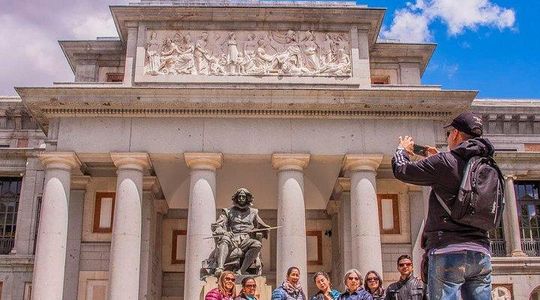
A striking bronze tribute to Francisco de Goya stands proudly in Madrid's Retiro Park, capturing the essence of Spain's revolutionary painter amid lush gardens near the Prado Museum. This sculptural homage invites reflection on artistic genius and Madrid's cultural legacy.
On-site amenities
 Restrooms
 Food options
 Seating areas
 Sheltered areas
 Picnic areas
 Trash bins
 Information boards
Opening hours
- Every dayOpen 24 hours
Opening hours as listed on the venue’s Google Business Profile. Hours can change for services and special events, so check with the venue before you go.
- Address
- C. de Felipe IV, s/n, Retiro, 28014 Madrid
- Phone
- Website
Getting there
Metro
Bus
Walking
Bicycle
Discover more about Monument to Goya
Historical Significance
The Monument to Goya honors Francisco de Goya y Lucientes, one of Spain's most influential artists whose works bridged the Enlightenment and Romanticism. Erected in 1902 by sculptors Pedro and Lorenzo Carnero and architect Miguel de la Torre, it commemorates the bicentennial of Goya's birth. Positioned in the Paseo del Prado's cultural axis, it links the Retiro Park with the Prado Museum, where many of Goya's masterpieces reside. The monument embodies Madrid's commitment to celebrating its artistic heritage, standing as a gateway between green serenity and museum grandeur.
Artistic Design
At the center rises a 6.5-meter bronze statue of Goya, dynamically posed as if painting, brush in hand and palette extended. His intense gaze and flowing robes convey creative fervor. Four allegorical female figures encircle the base, each over three meters tall, representing Goya's muses: Painting, Sculpture, Architecture, and Music. Bas-reliefs on the pedestal depict pivotal scenes from Goya's life and oeuvre, including 'The Third of May 1808' and portraits of the Spanish royal family. Meticulous bronze casting and granite pedestal ensure enduring presence amid the park's landscape.
Location and Surroundings
Situated on Calle de Felipe IV within Retiro Park, the monument enjoys a privileged spot opposite Palacio de Velázquez and near the Prado. Retiro's expansive gardens provide a verdant frame, with crystal palace reflections and tree-lined paths enhancing the scene. Proximity to Paseo del Prado positions it within Madrid's 'Golden Triangle of Art,' facilitating seamless exploration from Retiro's tranquility to Prado's treasures. The site's openness allows unobstructed appreciation from multiple angles.
Cultural Context
Goya's legacy infuses the monument with profound resonance. Known for 'Los Caprichos' etchings critiquing society, 'The Disasters of War' documenting Peninsular War horrors, and portraits revealing human complexity, Goya revolutionized art with raw emotion and social commentary. The monument immortalizes this transformative figure, prompting contemplation of Spain's turbulent history—from Inquisition shadows to Napoleonic invasions. Visitors encounter not mere sculpture but a portal to Goya's visionary world.
Visitor Experience
Approaching the monument reveals layered details: Goya's commanding figure dominates, muses evoke artistic harmony, and reliefs narrate his journey. Sunlight animates bronze surfaces, casting dramatic shadows that echo Goya's chiaroscuro mastery. Park rhythms—strollers, joggers, musicians—blend with contemplative pauses. Ideal for photography, sketching, or quiet reflection, it offers intimate connection to genius. Seasonal foliage shifts—from spring blooms to autumn golds—refresh the vista yearly.
Artistic Legacy
This tribute underscores Goya's enduring impact on modern art, influencing Expressionism and surrealism. Its Madrid placement reinforces the city's status as artistic epicenter, drawing culture enthusiasts worldwide. The monument transcends commemoration, serving as public art catalyzing dialogue on creativity's power amid historical tumult. Standing resilient through decades, it mirrors Goya's defiant spirit.
Evendo Review Centre
 Google
Guest reviews
Best time to go
Quietest: Jan, Feb & Nov · at 1am or at 2am or at 3am
Busy times are Evendo estimates for a typical year, to help you plan. Actual crowds vary with events, school holidays and the weather.
Explore Monument to Goya on the map
A handpicked selection of must-see spots near Monument to Goya, mapped for you.
Get your free copy of our complete guide to Monument to Goya, delivered straight to you.
Everything on this page, from opening hours and how to get there to Eve’s tips and the best time to go, in one PDF you can read offline, print or share.
Already have an account? Sign in
Your Monument to Goya guide is ready.
We'll send it to · Not you? Sign out

Getting your guide ready…
We are putting together a fresh copy of the Monument to Goya guide. This can take up to a minute.
This can take a few moments. If your browser asks, choose Allow so the download can start. You'll find the guide in your Downloads folder.
Nothing happened? Download it again
Sorry, the guide is taking longer than usual. Please try again in a minute, or get it by email instead.
Unlock the best of Monument to Goya
Skip-the-line tickets, guided tours with entry, and walking tours of the area, booked in a few clicks.



Other nearby places you may find interesting
The closest places of the same kind, if this one is not quite what you had in mind.
-
-
-
-
-


Swipe for more places
More to explore near Monument to Goya

 Best experiences near Monument to Goya
 Best hotels near Monument to Goya
 Best landmarks near Monument to Goya
 Best attractions near Monument to Goya
 Best shops near Monument to Goya
 Best restaurants near Monument to Goya
 Best bars near Monument to Goya
Do you manage this location?
Take control to get all the benefits, like improved information, better appearance, and stronger visibility across AI-powered discovery.
Explore more

Explore more of Madrid
Discover Madrid: A city of art, culture, and culinary delights, where history and modern vibrancy meet in the heart of Spain.
Explore Madrid
Explore more of Spain
Discover Spain: A vibrant tapestry of culture, history, and breathtaking landscapes, where every city offers a unique adventure and unforgettable experiences.
Explore Spain
