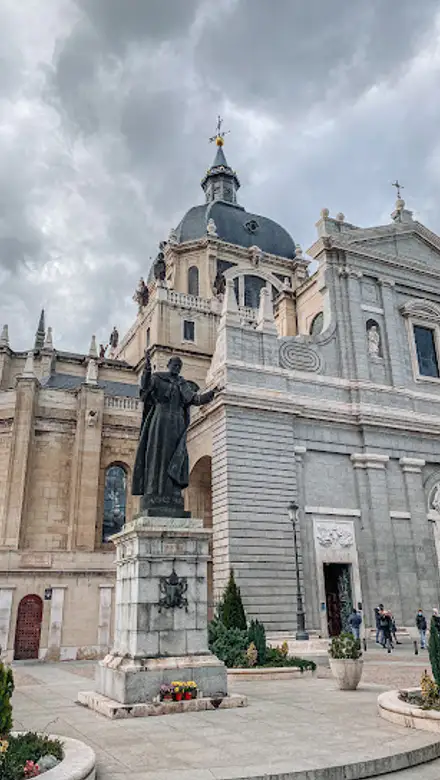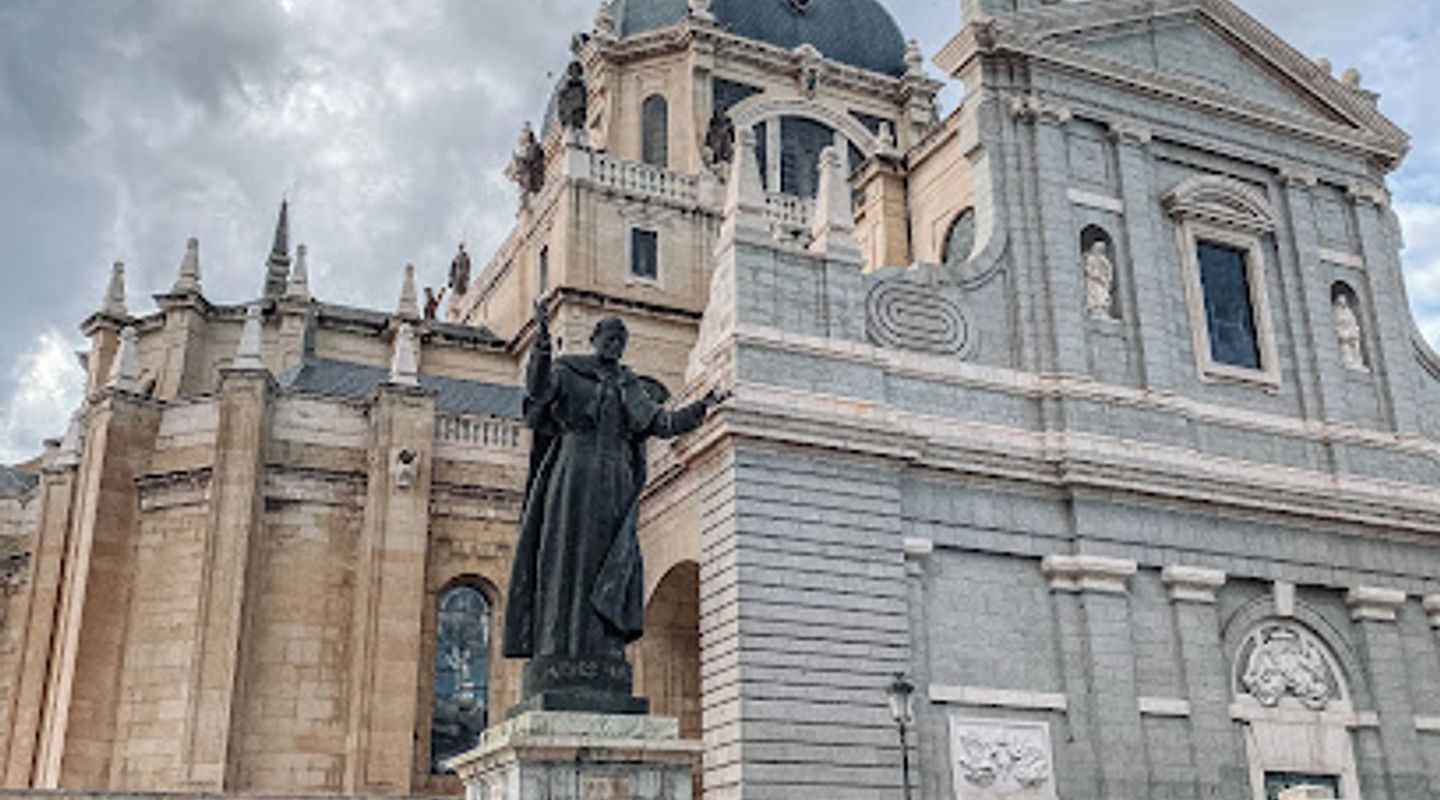
Muslim Walls, Madrid Travel Guide
Madrid's 9th-century Islamic ramparts endure amid Centro's streets, revealing Almohad defensive mastery through rugged towers and gates atop ancient hillsides.
Tucked in Madrid's historic core, the Muslim Walls stand as silent sentinels of the city's 9th-century Islamic origins. These weathered stone fortifications, remnants of the Almohad era, weave through narrow streets near Puerta de Moros, offering a tangible link to Al-Andalus. Explore the robust towers and arched gateways that once defended Mayrit, Madrid's ancient predecessor, against invaders. The walls' rugged texture and strategic placement atop a hill reveal medieval defensive genius, blending seamlessly with the vibrant Centro district. A short climb rewards with sweeping views over rooftops and the distant Sierra. Ideal for history enthusiasts seeking offbeat authenticity amid Madrid's grandeur. Uncover layers of conquest and resilience in this understated treasure.
A brief summary to Muslim Walls
- Madrid, Centro, Madrid, 28005, ES
- Click to display
- Free
-
 Outdoor
- Mobile reception: 5 out of 5

Know before you go
Hi, I'm Eve. Here are a few practical things to know before exploring Muslim Walls.
- Visit early morning or late afternoon to avoid midday crowds and enjoy optimal lighting for photos of the stonework.
- Combine with a walk to nearby Puerta del Moros arch for a fuller picture of the wall circuit.
- Wear comfortable shoes; the terrain includes steep paths and uneven steps around the hilltop ruins.
- Look for interpretive signs detailing construction techniques from the Córdoba emirate era.
- Wheelchair users can access main viewing platforms, though some upper sections require stairs.
Do you manage this location?
Take control to get all the benefits, like improved information, better appearance, and stronger visibility across AI-powered discovery. Learn more about listing your business on Evendo
Activate your presenceOther nearby places you may find interesting
The closest places of the same kind, if this one is not quite what you had in mind.
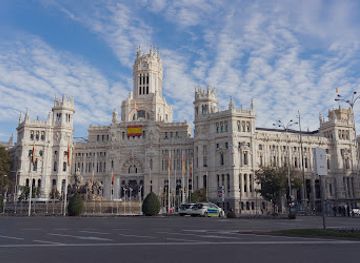
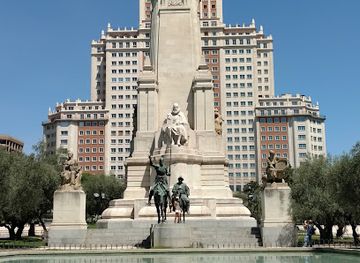
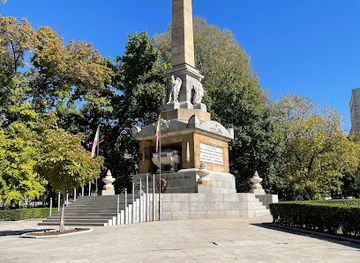
Explore Muslim Walls on the Map
A handpicked selection of must-see spots near Muslim Walls, mapped for you.
Unlock the Best of Muslim Walls
Buy tickets
-
No tickets available
Book tours with entry


Getting There
-
Metro
Take Metro Line 5 to Ópera station (15 min from Sol, €1.50-2), then 10-min uphill walk via Cuesta de la Vega; frequent service, direct from central Madrid.
-
Bus
Bus lines 3 or 25 from Puerta del Sol (8 min, €1.50), stop near Plaza de Oriente; then 7-min walk up hill; runs every 10-15 min.
-
Walking
From Puerta del Sol, 20-min brisk walk west via Calle Bailén (1.5 km); scenic through historic Centro, free, best in mild weather.
-
Taxi
Taxi from central Madrid (10 min, €6-8); drop-off at Cuesta de la Vega base; convenient for groups or with luggage.
For the on-the-go comforts that matter to you
-
 Restrooms
-
 Seating Areas
-
 Information Boards
-
 Sheltered Areas
Discover more about Muslim Walls
Origins in Al-Andalus
The Muslim Walls trace their roots to the 9th century when Emir Muhammad I of Córdoba ordered the fortification of Mayrit, a strategic outpost on the Iberian frontier. Built around 860-880 AD, these defenses protected against Christian incursions from the north. Positioned on a rocky hill overlooking the Manzanares River valley, the walls formed a sturdy enclosure with towers spaced for optimal surveillance. Constructed from local granite and mortar, they embodied Almohad engineering prowess, featuring crenellated battlements and narrow posterns for sally ports. Mayrit served as a military hub, its walls shielding granaries, mosques, and barracks amid olive groves and vineyards.Medieval Evolution and Conquest
Through the 10th and 11th centuries, the walls expanded under Taifa rule and later Almoravid control, incorporating advanced features like horseshoe arches and reinforced gates. The alcázar, or fortress, anchored the northern defenses, while the southern stretch guarded against riverine threats. In 1083, Alfonso VI of Castile captured the city, initiating its Christian transformation, yet the walls endured, repurposed for royal hunts and urban expansion. Traces visible today include the 35-meter-long northern segment near Cuesta de la Vega and the arched Puerta de Moros, a rare surviving gateway evoking the era's defensive might.Rediscovery and Preservation
Buried under centuries of urban growth, significant portions resurfaced during 20th-century excavations, particularly in the 1950s near the Almudena Cathedral. Archaeologists uncovered towers, cisterns, and wall foundations, confirming Mayrit's role as a key Islamic stronghold. Today, interpretive panels and elevated walkways allow close inspection without damage. The site's integration into Madrid's fabric highlights the city's multicultural heritage, from Muslim stronghold to Habsburg capital. Restoration efforts balance preservation with public access, shielding the stone from pollution and erosion.Atmosphere and Visitor Experience
Wander the uneven paths flanking the walls for an intimate encounter with history. The air carries hints of stone dust and nearby tapas aromas, mingling with the chatter of locals and tourists. Sunlight filters through olive trees, casting shadows on the textured masonry pocked by time. Ascend to viewpoints for panoramas encompassing the Royal Palace and cathedral spires. The site's quietude contrasts with bustling Plaza Mayor nearby, fostering reflection on Madrid's layered past. Photographers capture the walls' dramatic interplay of light and shadow, especially at dusk when golden hues illuminate the arches.Cultural Significance
These fortifications symbolize Madrid's emergence from obscurity, predating its 1561 designation as capital. They underscore the Iberian Peninsula's complex history of coexistence and conflict, influencing subsequent Castilian defenses. Linked to legends of hidden treasures and underground passages, the walls fuel local lore. As part of the Madrid Río redevelopment, enhanced landscaping frames the ruins, blending antiquity with contemporary urban life. Visitors gain insight into how 9th-century ingenuity shaped a global metropolis.Exploring the Surroundings
The walls anchor a cluster of heritage sites: the nearby Sabatini Gardens offer respite, while the cathedral's crypt reveals more Islamic strata. Stroll downhill to La Latina for authentic Madrid vibes. The elevated terrain demands sturdy shoes, but the payoff is profound—a visceral connection to the emirate that birthed modern Madrid.












Your all‑in‑one travel companion app
Explore expert travel guides, compare and book tours, experiences, hotels, and more—all from the palm of your hand. Download now for seamless trip planning wherever your wanderlust takes you.


Explore More of Madrid
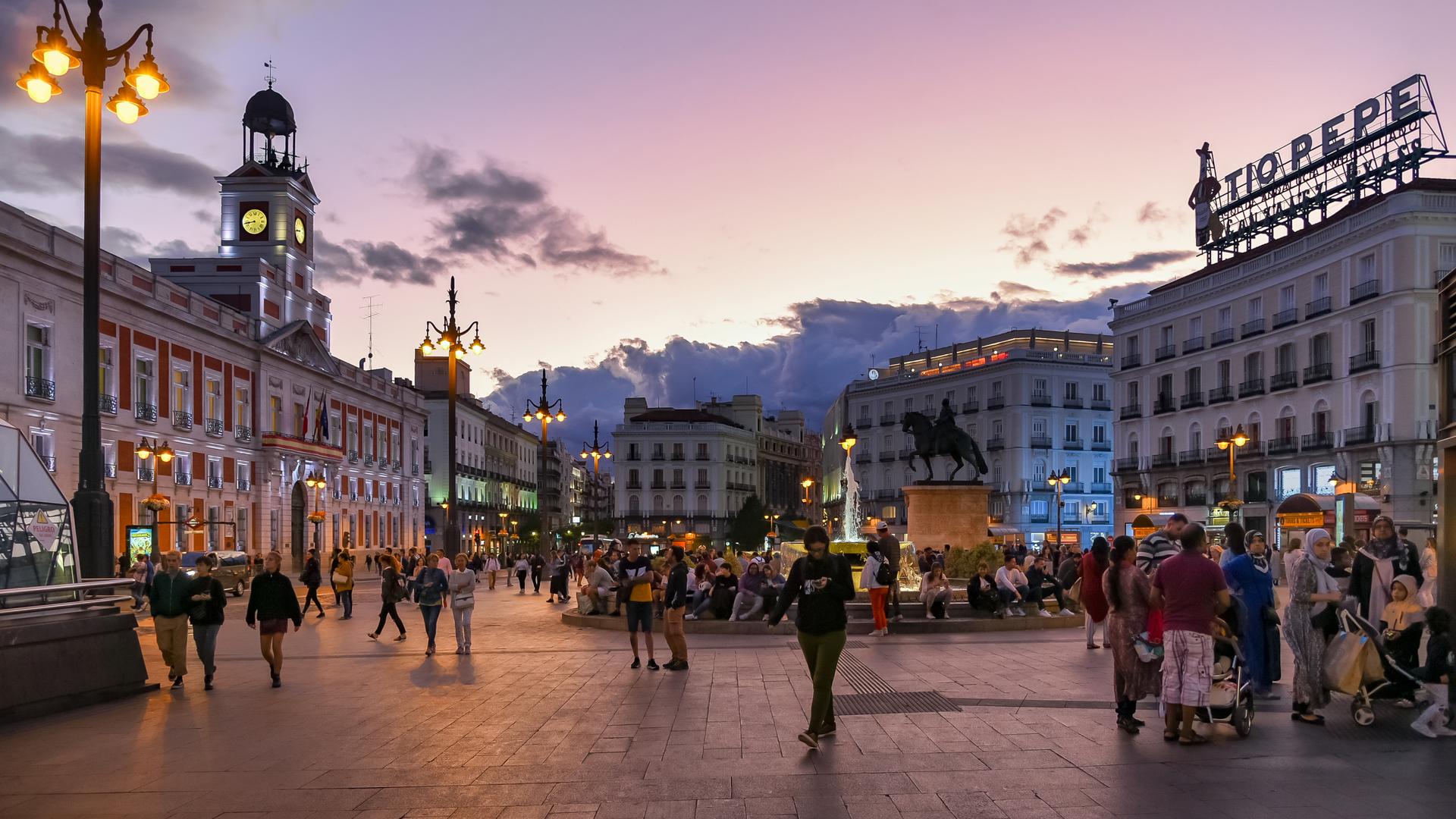
Looking beyond Muslim Walls? Discover Madrid for broader travel guides, local hot-spots, and regional highlights.
Explore Madrid
Elevated vistas from La Morería rooftops frame Almudena's dome and Royal Palace against Madrid's medieval alleys and mountain backdrop.
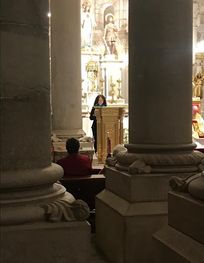
Over 400 pillars form a stone forest in Madrid's subterranean neo-Byzantine crypt, anchoring the Almudena Cathedral with vaulted grandeur and sacred history beneath the Royal Palace.