Viaducto de Segovia, Madrid Travel Guide
Granite arches spanning Madrid's Manzanares link royal grandeur to La Latina's tapas trails, delivering river views and urban energy from a 19th-century engineering icon.
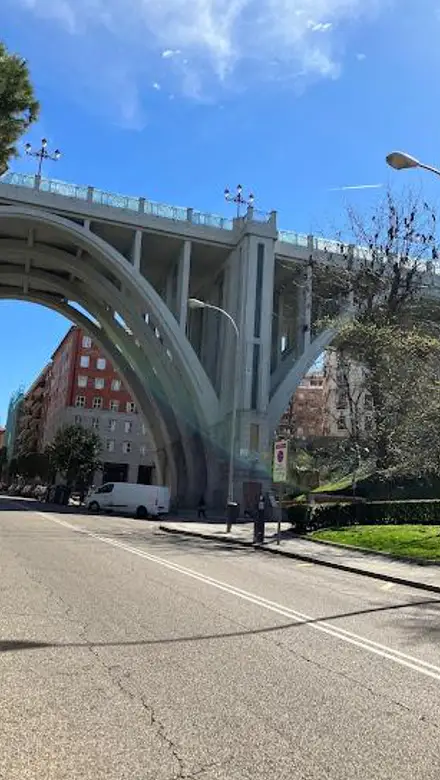
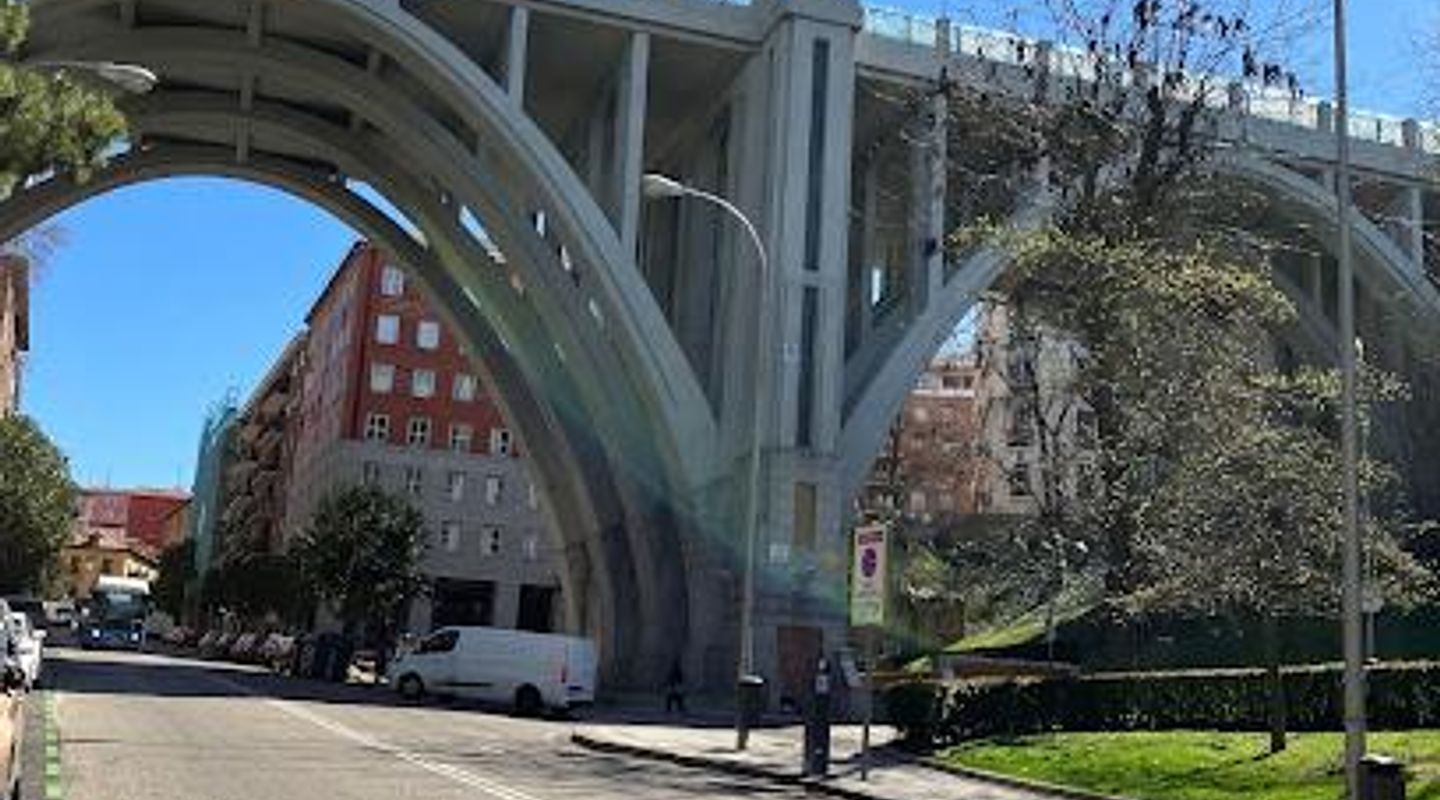
Madrid's Viaducto de Segovia arches gracefully over the Manzanares River, linking the Royal Palace district to the vibrant La Latina neighborhood. This 19th-century engineering marvel offers sweeping city views and a front-row seat to the urban pulse below, where locals and visitors mingle amid historic charm.
A brief summary to Viaducto de Segovia
- C. de Bailén, 12, Madrid, Centro, Madrid, 28005, ES
- Click to display
- Free
-
 Outdoor
- Mobile reception: 5 out of 5

Know before you go
Hi, I'm Eve. Here are a few practical things to know before exploring Viaducto de Segovia.
- Cross at sunset for dramatic lighting over the Manzanares and Palacio Real silhouette.
- Combine with a La Latina tapas crawl; the viaduct drops you steps from top bars.
- Walk the lower riverside path for close-up views of the arches and quieter reflection.
- Visit on Sunday mornings to watch the Rastro flea market bustle visible from the heights.
Do you manage this location?
Take control to get all the benefits, like improved information, better appearance, and stronger visibility across AI-powered discovery. Learn more about listing your business on Evendo
Activate your presenceOther nearby places you may find interesting
The closest places of the same kind, if this one is not quite what you had in mind.
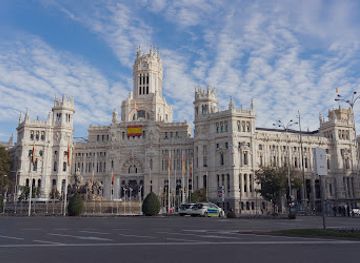
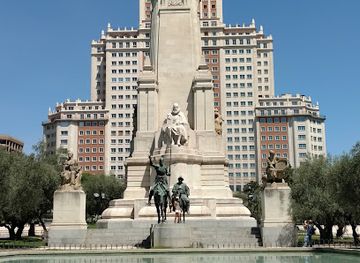
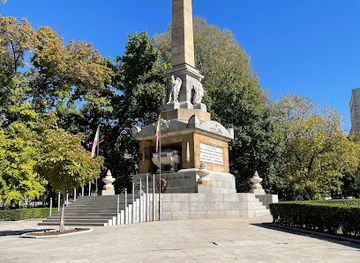
Explore Viaducto de Segovia on the Map
A handpicked selection of must-see spots near Viaducto de Segovia, mapped for you.
Getting There
-
Metro
Take Metro Line 5 from central stations like Callao or Gran Vía to Ópera (15 min, €1.50-2), then 8-min walk west along Bailén.
-
Walking
From Puerta del Sol or Plaza Mayor (20-25 min walk, free), head west via Calle Bailén for direct access.
-
Bus
Bus lines 25 or 39 from Sol or Callao to Príncipe Pío area (10-15 min, €1.50), short walk east to viaduct.
For the on-the-go comforts that matter to you
-
 Restrooms
-
 Drink Options
-
 Food Options
-
 Seating Areas
-
 Trash Bins
-
 Information Boards
Discover more about Viaducto de Segovia
Historical Foundations
The Viaducto de Segovia stands as a testament to 19th-century engineering ingenuity in Madrid. Constructed between 1874 and 1875 under the direction of engineer Laureano de las Heras, it replaced an older, flood-prone wooden bridge that had served the city since the 16th century. Spanning the Manzanares River near its confluence with the Ronda de Segovia, the viaduct features 33 robust granite arches rising up to 30 meters high, designed to withstand the river's seasonal floods that had repeatedly devastated earlier structures.Architectural Splendor
Built from locally quarried San Vicente granite, the viaduct's neoclassical design emphasizes symmetry and strength. Its main deck carries vehicular and pedestrian traffic, while a lower walkway provides intimate access to the riverbanks. The structure's elegant proportions and sturdy piers integrate seamlessly with Madrid's historic skyline, framing views of the Palacio Real and Catedral de la Almudena across the water. Narrow pedestrian paths along the sides invite close inspection of the handcrafted stonework, revealing the craftsmanship of an era when infrastructure blended utility with aesthetic grace.Urban Vantage Point
Positioned in the heart of Madrid's Centro district, the viaduct serves as a vital link between the stately Palacio Real area and the lively La Latina quarter. From its heights, visitors gaze upon the Manzanares' gentle flow, flanked by lush riverine vegetation and modern promenades. The surrounding Campo del Moro park adds verdant contrast, while the distant spires of the cathedral pierce the horizon. At dusk, the viaduct becomes a silhouette against golden sunsets, with city lights twinkling to life below.Cultural and Social Pulse
Beyond its structural role, the Viaducto de Segovia pulses with Madrid's everyday rhythm. Locals cross it en route to markets and tapas bars in La Latina, one of the city's oldest neighborhoods famed for its Sunday flea market and vibrant street life. The viaduct overlooks bustling roads and pedestrian paths where cyclists, joggers, and street performers converge. Its vantage captures the blend of royal heritage and bohemian energy that defines this corner of the capital, offering a sensory immersion in Madrid's layered urban tapestry.Modern Accessibility and Appeal
Today, the viaduct remains a pedestrian-friendly icon, with wide sidewalks encouraging leisurely strolls and photography. It forms part of scenic walking routes connecting major landmarks, rewarding explorers with unobstructed panoramas. The structure's resilience has earned it protected status, ensuring its granite arches endure as a symbol of Madrid's evolution from medieval outpost to modern metropolis. Visitors find it an effortless addition to itineraries centered on the Royal Palace or La Latina's culinary scene.












Your all‑in‑one travel companion app
Explore expert travel guides, compare and book tours, experiences, hotels, and more—all from the palm of your hand. Download now for seamless trip planning wherever your wanderlust takes you.


Explore More of Madrid
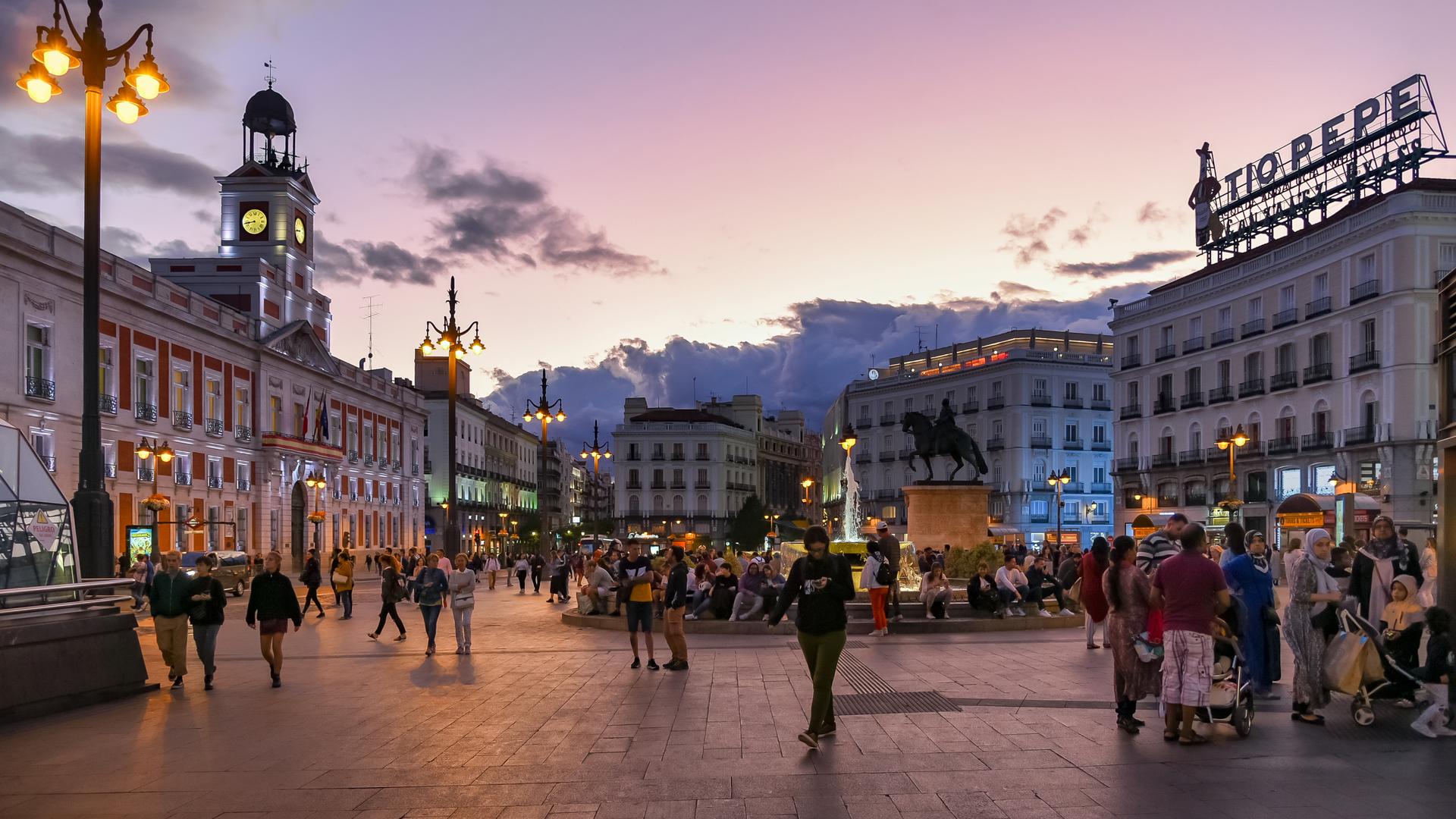
Looking beyond Viaducto de Segovia? Discover Madrid for broader travel guides, local hot-spots, and regional highlights.
Explore Madrid