Pl. de la Villa, Madrid Travel Guide
Madrid's tightest knot of medieval stonework, where Mudéjar towers and Plateresque palaces crowd a cobblestone square alive with 15th-century echoes.
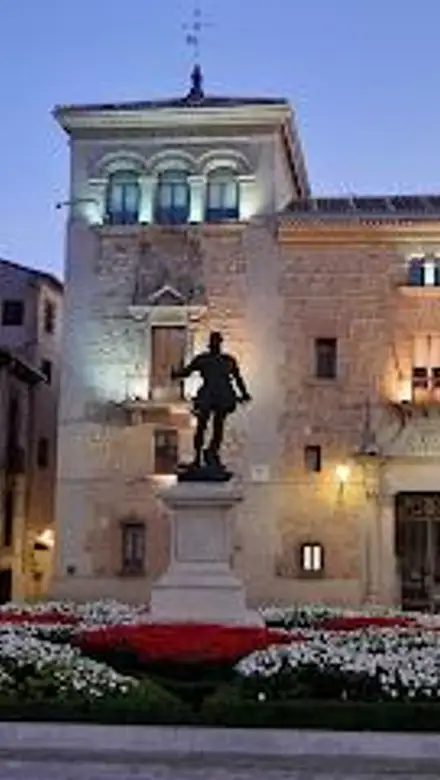
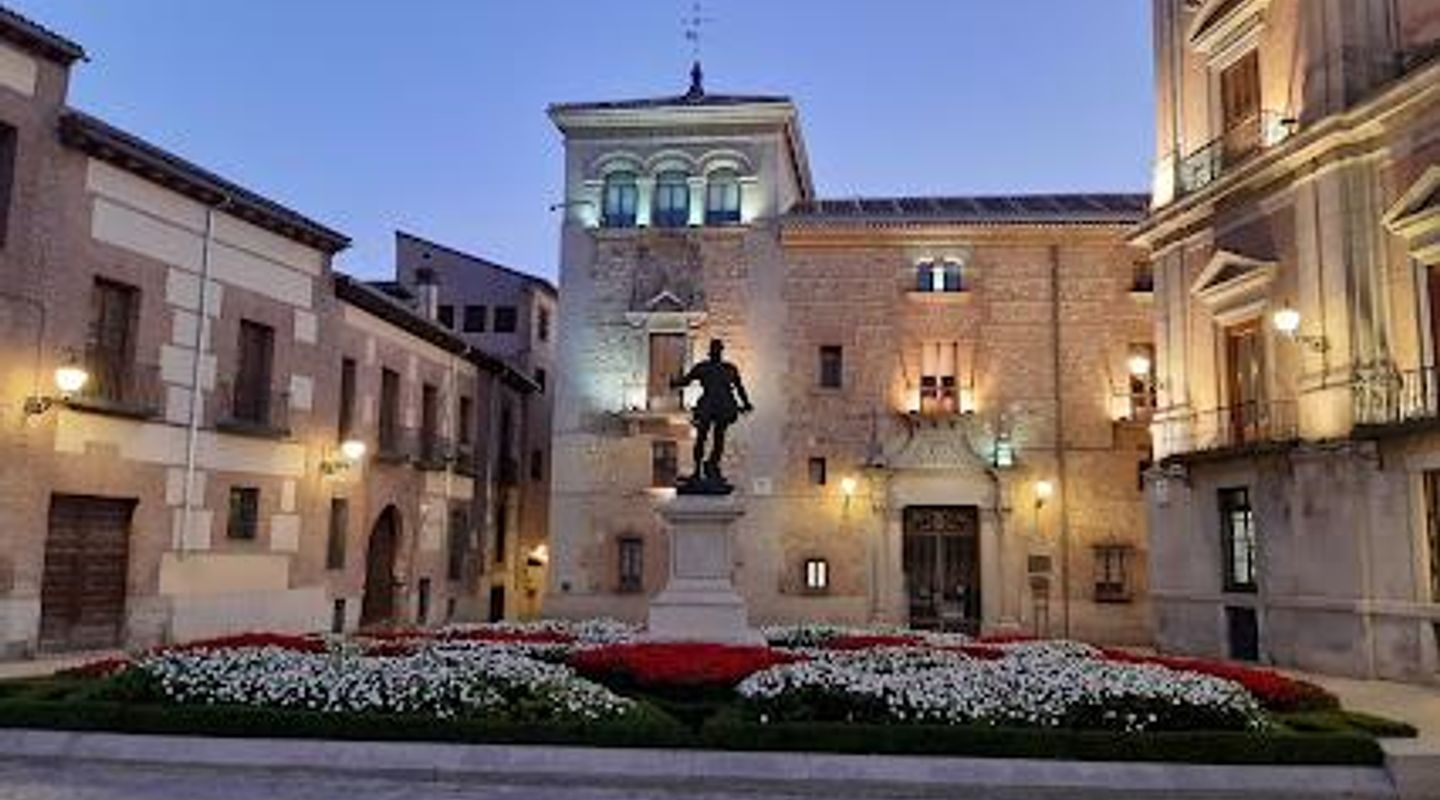
Tucked in Madrid's historic core, Plaza de la Villa captivates with its cluster of ancient buildings, from the crenellated Torre de los Lujanes to the ornate Casa de Cisneros. This compact square whispers tales of medieval knights, royal intrigue, and centuries of Spanish history, offering a serene escape amid the city's bustle. Wander its cobblestones to feel the pulse of old Madrid, where Gothic arches frame sunlit facades and stone lions guard forgotten eras.
A brief summary to Pl. de la Villa
- Madrid, Centro, Madrid, ES
- Free
-
 Outdoor
- Mobile reception: 5 out of 5

Know before you go
Hi, I'm Eve. Here are a few practical things to know before exploring Pl. de la Villa.
- Visit early morning or late afternoon to avoid peak tourist flows from nearby Palacio Real tours.
- Combine with a walk down Calle Mayor for a seamless historic route without backtracking.
- Look up at Torre de los Lujanes' battlements to spot rare Mudéjar details amid Gothic surrounds.
- Wear sturdy shoes; uneven cobblestones demand careful steps, especially after rain.
- Frame shots from the Arco de la Villa for postcard views blending square and alley.
Do you manage this location?
Take control to get all the benefits, like improved information, better appearance, and stronger visibility across AI-powered discovery. Learn more about listing your business on Evendo
Activate your presenceOther nearby places you may find interesting
The closest places of the same kind, if this one is not quite what you had in mind.
Explore Pl. de la Villa on the Map
A handpicked selection of must-see spots near Pl. de la Villa, mapped for you.
Unlock the Best of Pl. de la Villa
Buy tickets
-
No tickets available
Book tours with entry


Getting There
-
Metro
Take Metro Line 2 or 5 to Opera station (10 min from Sol), then 5-min walk; €1.50-2 single ticket.
-
Walking
From Puerta del Sol center, 10-min uphill stroll via Calle Mayor; free, scenic through pedestrian zones.
-
Bus
Lines 3 or 65 from Plaza Mayor area to nearby stop (5 min); €1.50, frequent every 10 min.
For the on-the-go comforts that matter to you
-
 Seating Areas
-
 Trash Bins
-
 Information Boards
Discover more about Pl. de la Villa
Historical Foundations
Plaza de la Villa stands as one of Madrid's oldest public spaces, emerging in the medieval period when the city was little more than a fortress town. Its name derives from the Town Hall that once dominated the site, though the square itself predates many surrounding structures. By the 15th century, it served as a vital civic hub, hosting markets, executions, and proclamations that shaped early Madrid's identity. The plaza's layout reflects organic medieval growth, with narrow alleys radiating outward like veins from a stone heart.Architectural Jewels
At the square's northern edge rises the Torre de los Lujanes, Madrid's sole surviving Mudéjar tower, built around 1463 by the powerful Lujanes family. Its crenellated top and horseshoe arches blend Islamic and Gothic influences, evoking a knightly past—legend claims Francis I of France was imprisoned here after the Battle of Pavia. Flanking it, the Casa de Cisneros showcases Plateresque splendor, its facade carved with intricate reliefs of heraldic symbols, foliage, and biblical scenes commissioned by Cardinal Cisneros in the early 1500s. Across the way, the Casa del Corregidor de Fuenllana adds Renaissance restraint with its balcony and coats of arms, while the Arco de la Villa gateway pierces the old walls, linking to Calle Mayor.Artistic and Cultural Layers
Bronze statues punctuate the plaza: a brooding Doncel de la Villa, a page from the 15th century whose delicate armor captures courtly youth, and stone lions symbolizing municipal power. These elements create a layered tableau of Madrid's evolution from Moorish outpost to Habsburg capital. The square's intimacy—barely larger than a tennis court—amplifies details like weathered gargoyles and faded escutcheons, rewarding close inspection. Nearby, the Almudena Cathedral's shadow and Royal Palace's proximity tie it into Madrid's monumental circuit.Atmosphere and Daily Life
Daylight bathes the plaza in warm tones, turning honey-colored stone golden as shadows shift across irregular paving. Evenings bring a hush, streetlamps casting dramatic pools that highlight sculpted faces frozen in eternal watchfulness. Absent modern commerce, it retains an authentic patina—no chain stores disrupt the harmony. Locals use it as a shortcut, their footsteps echoing off walls that have witnessed plagues, wars, and coronations, infusing the air with quiet gravitas.Evolution Through Eras
Restorations in the 20th century preserved its essence while stabilizing facades against time's toll. During Franco's era, it symbolized unyielding tradition amid rapid urbanization. Today, it anchors Madrid's Centro district, a counterpoint to Gran Vía's frenzy. Events like Christmas markets occasionally animate it, but its power lies in stillness—inviting contemplation of how this microcosm mirrors Spain's turbulent path from Reconquista to modernity.Visitor's Reward
Exploring Plaza de la Villa yields intimate encounters with history unfiltered by crowds. Trace finger-worn balustrades, decipher faded inscriptions, or simply sit on a bench absorbing the symphony of distant traffic and cooing pigeons. It distills Madrid's layered soul into one unpretentious space, proving that true landmarks thrive not in scale, but in depth.












Your all‑in‑one travel companion app
Explore expert travel guides, compare and book tours, experiences, hotels, and more—all from the palm of your hand. Download now for seamless trip planning wherever your wanderlust takes you.


Explore More of Madrid
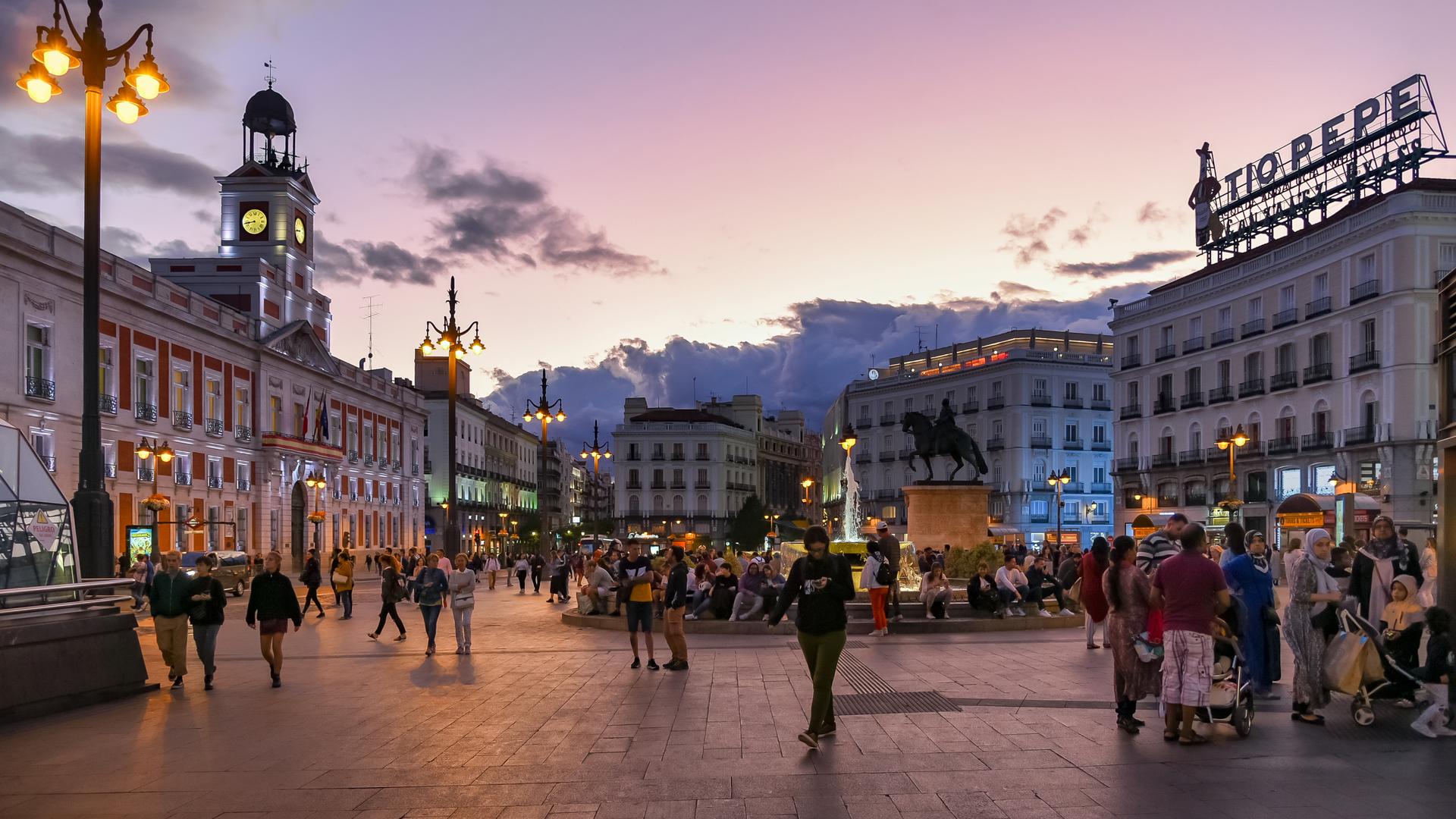
Looking beyond Pl. de la Villa? Discover Madrid for broader travel guides, local hot-spots, and regional highlights.
Explore Madrid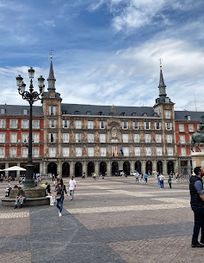
Discover the Arco de Cofreros, a historic gateway in Madrid's vibrant Centro district, where stunning architecture meets rich cultural heritage.
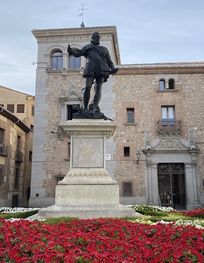
Where Spain's greatest admiral stands eternal, guarding the memory of maritime glory and imperial ambition in the heart of Madrid.