Plaza Isabel II, Madrid Travel Guide
Madrid's 19th-century plaza frames opera house majesty and royal statue amid theater crowds and historic alleys in Centro's cultural core.
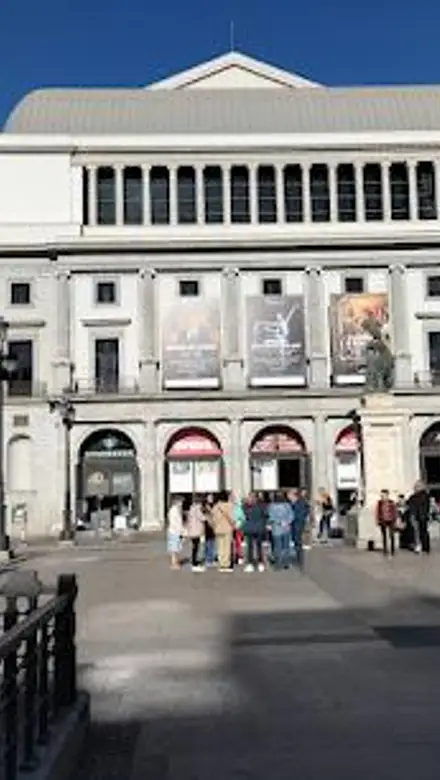
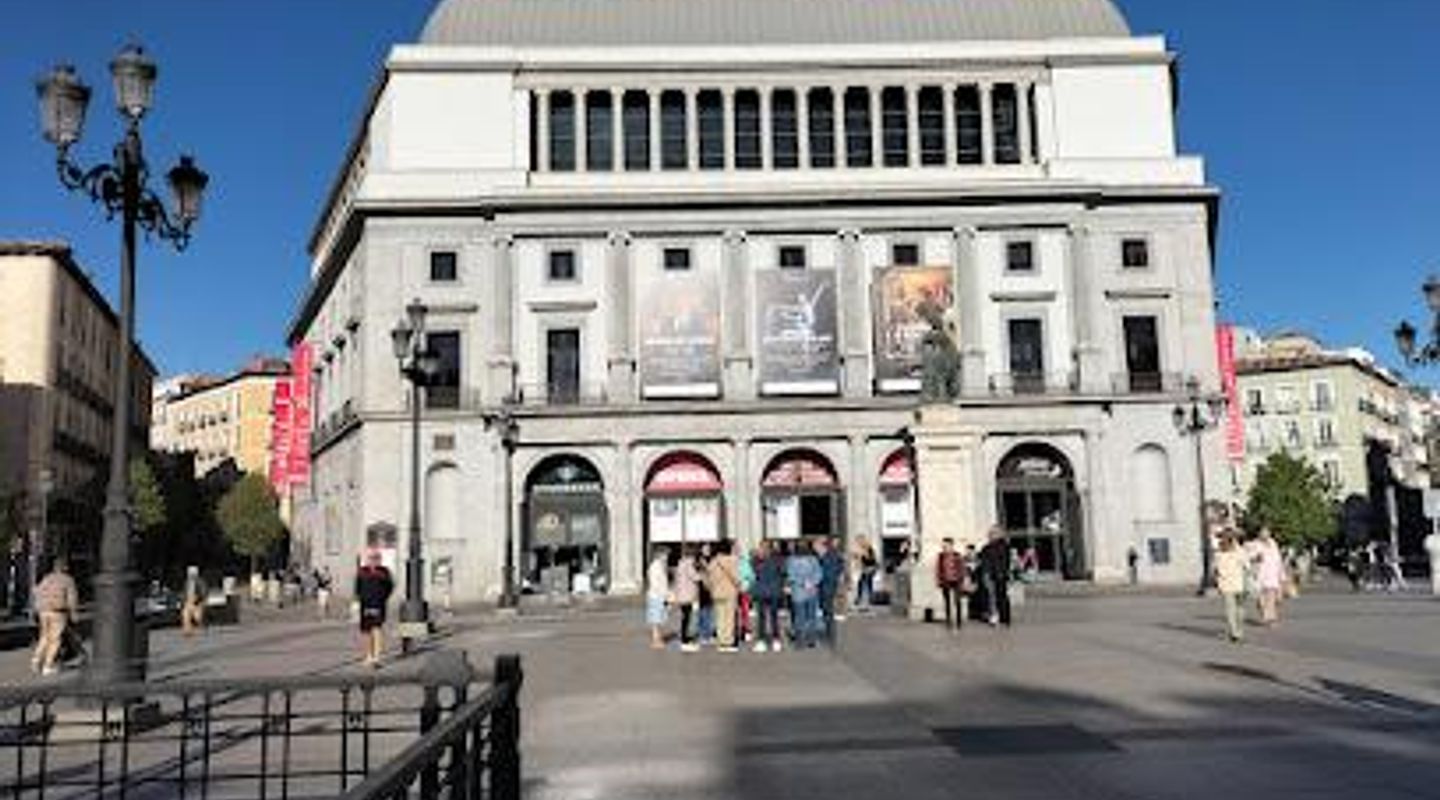
Nestled in Madrid's vibrant Centro district near the Royal Opera House, Plaza Isabel II stands as a majestic 19th-century square honoring Spain's queen regent. Flanked by ornate theaters and historic facades, it pulses with the energy of opera-goers, street performers, and locals, offering a perfect vantage for soaking in the city's theatrical soul and architectural splendor. This open-air hub connects grand boulevals to cultural icons, blending everyday Madrid life with echoes of royal legacy.
A brief summary to Plaza Isabel II
- Opera, Madrid, Centro, Madrid, 28013, ES
- Free
-
 Outdoor
- Mobile reception: 5 out of 5

Know before you go
Hi, I'm Eve. Here are a few practical things to know before exploring Plaza Isabel II.
- Time visits around Teatro Real performances for the full spectacle of dressed-up crowds emerging into the plaza's glow.
- Climb to upper balconies of nearby buildings for elevated plaza views, especially at dusk when lights accentuate the statue.
- Watch for zarzuela shows at the adjacent theater, a uniquely Spanish operetta form that draws passionate local audiences.
- Pair a plaza wander with a walk to Palacio Real via Calle Bailén for a seamless royal landmarks circuit.
- Seek out the plaza's fountains for cooling off on hot days, a favored spot for locals resting between errands.
Do you manage this location?
Take control to get all the benefits, like improved information, better appearance, and stronger visibility across AI-powered discovery. Learn more about listing your business on Evendo
Activate your presenceOther nearby places you may find interesting
The closest places of the same kind, if this one is not quite what you had in mind.
Explore Plaza Isabel II on the Map
A handpicked selection of must-see spots near Plaza Isabel II, mapped for you.
Unlock the Best of Plaza Isabel II
Buy tickets
-
No tickets available
Book tours with entry

Book tours without entry
-
No tours available
Getting There
-
Metro
Take Metro Line 2 or 5 to Ópera station (5-10 min from Sol or Gran Vía), exit directly into plaza; €1.50-2 single ticket.
-
Walking
Walk 10-15 min from Puerta del Sol via Calle Arenal; free, flat paths through pedestrian zones.
-
Bus
Lines 3, 25, or 39 from center stops to Ópera/Plaza Isabel II (5-15 min); €1.50, frequent service.
-
Taxi
5-10 min ride from central Madrid; €6-10, easy drop-off at plaza edge.
For the on-the-go comforts that matter to you
-
 Restrooms
-
 Food Options
-
 Seating Areas
-
 Trash Bins
-
 Information Boards
Discover more about Plaza Isabel II
Historical Foundations
Plaza Isabel II emerged in the mid-19th century as a key urban renewal project under Queen Regent Maria Christina, named after her daughter Isabella II who ascended the throne as a child. Originally called Plaza de la Reina, it was redesigned to accommodate the newly inaugurated Teatro Real, Madrid's premier opera house completed in 1850. The square's layout reflects the ambitious Bourbon-era transformations that reshaped central Madrid, clearing medieval clutter to create elegant public spaces. Statues and fountains here commemorate the young queen's reign, marked by political turbulence including the Carlist Wars and her eventual exile in 1868.Architectural Highlights
The plaza's centerpiece is the equestrian statue of Isabella II by Spanish sculptor Francisco de Victoria, unveiled in 1864 atop a neoclassical pedestal. Surrounding it are harmonious 19th-century buildings with wrought-iron balconies, arched doorways, and decorative cornices typical of Madrid's eclectic historicism. To the north rises the Teatro Real's imposing facade with Corinthian columns and a pedimented portico, while the adjacent Teatro Lírico Nacional de la Zarzuela adds Renaissance Revival flair. Calle Arenal and Calle de la Verónica frame the space, linking it to Puerta del Sol and Gran Vía, with ground-level arcades sheltering cafes that have served generations.Cultural and Social Vibe
Today, Plaza Isabel II buzzes as a crossroads for Madrid's performing arts scene. Before and after opera performances, elegant crowds spill out, mingling with tourists snapping photos of the illuminated statue and theaters. Street musicians play flamenco guitar or classical airs, while vendors hawk roasted chestnuts and churros, infusing the air with savory aromas. The atmosphere shifts from lively daytime chatter among office workers and shoppers to romantic evening strolls under lantern light, embodying Madrid's blend of high culture and street-level vitality. It's a spot where history feels alive amid the rhythm of modern city life.Connections and Surroundings
Strategically positioned beside the Teatro Real, the plaza serves as the natural prelude to exploring Madrid's opera heritage. Steps away lie the Palacio Real and Almudena Cathedral, forming a triangle of royal and religious landmarks. Calle Mayor leads eastward to Plaza Mayor's tapas bars, while westward paths open to Campo del Moro gardens. This connectivity makes it an ideal pause point for walkers tracing the city's Baroque and neoclassical threads, with the square's openness inviting lingering gazes across its symmetrical design.Enduring Legacy
Over centuries, Plaza Isabel II has witnessed pivotal moments: celebrations of Isabella's marriage, protests during Spain's turbulent 19th century, and Franco-era cultural revivals. Restored in recent decades, it preserves original paving and lighting while adapting to pedestrian-friendly standards. Visitors experience not just a pretty square but a microcosm of Madrid's evolution—from absolute monarchy to democratic vibrancy—where every corner whispers stories of queens, composers, and everyday madrileños who claim it as their own.












Your all‑in‑one travel companion app
Explore expert travel guides, compare and book tours, experiences, hotels, and more—all from the palm of your hand. Download now for seamless trip planning wherever your wanderlust takes you.


Explore More of Madrid
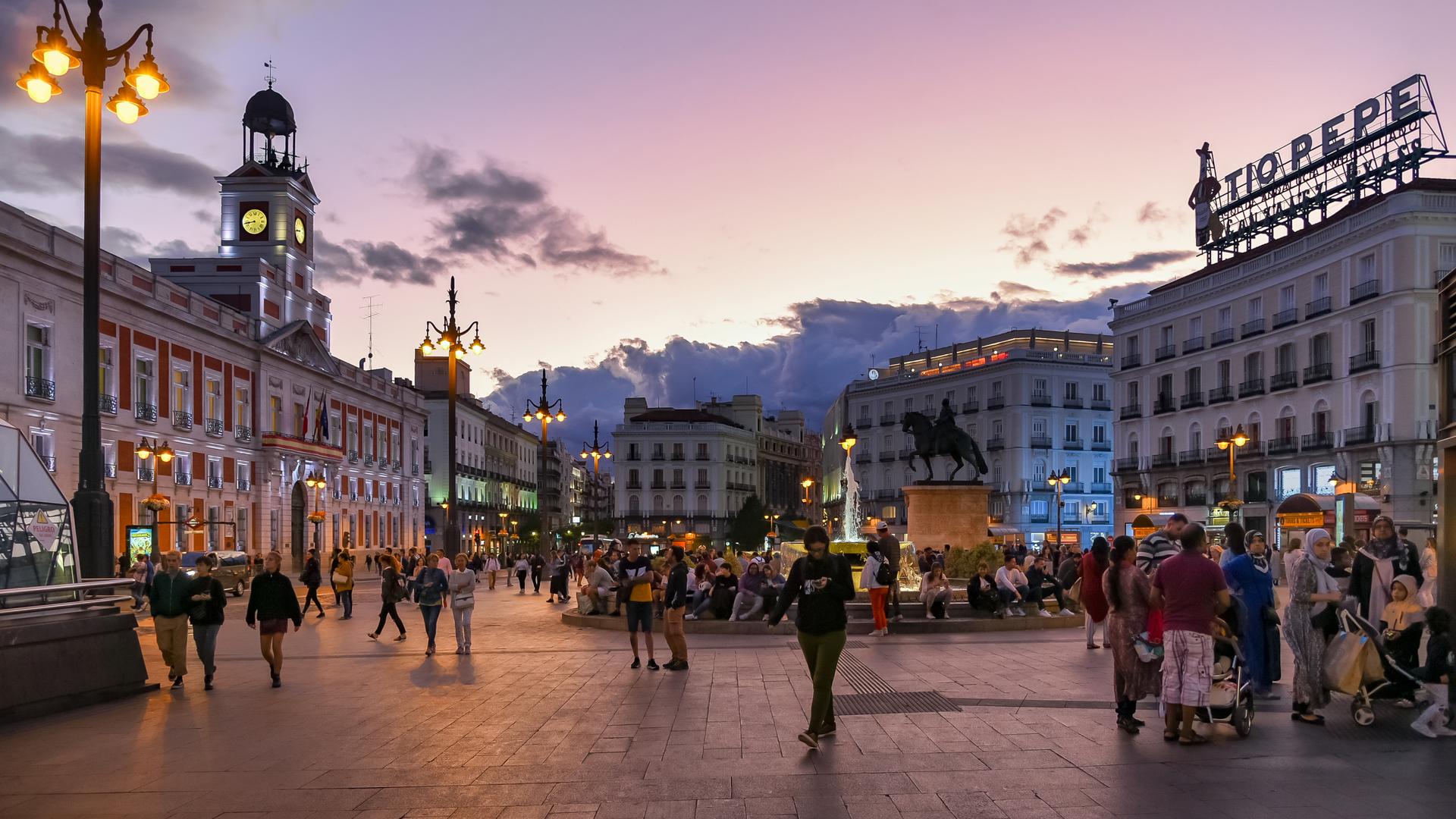
Looking beyond Plaza Isabel II? Discover Madrid for broader travel guides, local hot-spots, and regional highlights.
Explore Madrid
Urban elegance meets royal grandeur on Plaza de Oriente, where stylish rooms overlook Madrid's historic palace and vibrant square for seamless city immersion.

Madrid's Ópera station: underground gateway linking Teatro Real's arias, Palacio Real's grandeur, and Centro's historic plazas for seamless urban exploration.