
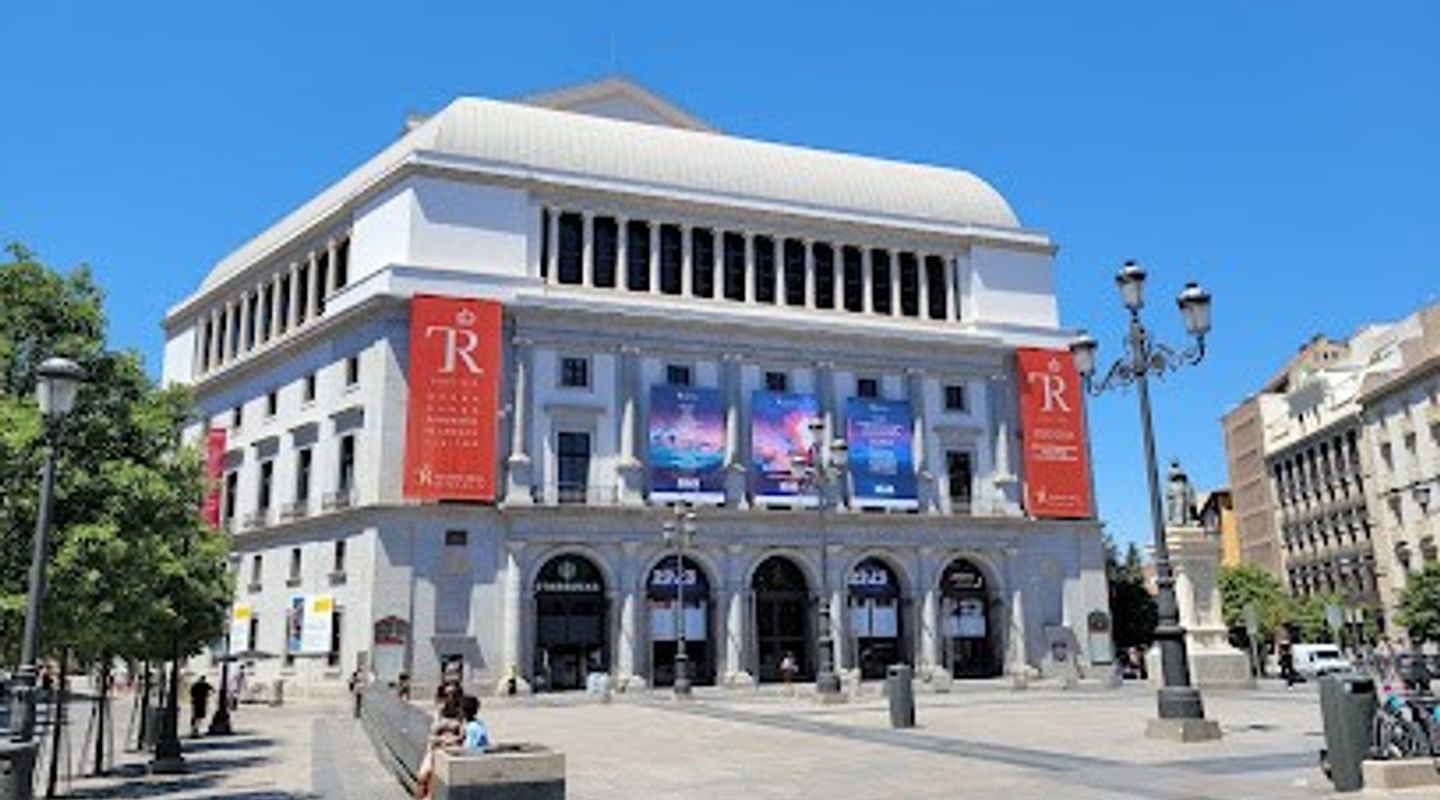
Ópera, Madrid Travel Guide
Madrid's Ópera station: underground gateway linking Teatro Real's arias, Palacio Real's grandeur, and Centro's historic plazas for seamless urban exploration.
Madrid's Ópera station pulses at the heart of the city's historic core, linking grand opera houses, royal palaces, and vibrant plazas. This bustling subway hub offers seamless access to iconic landmarks amid the architectural splendor of Centro district, making it an essential transit point for exploring Madrid's cultural treasures.
A brief summary to Ópera
- Madrid, Centro, Madrid, ES
- Free
-
 Indoor
- Mobile reception: 5 out of 5

Know before you go
Hi, I'm Eve. Here are a few practical things to know before exploring Ópera.
- Use a multi-day Madrid Tourist Travel Pass for unlimited Metro rides, covering Ópera and connections to distant sites like Retiro Park.
- Exit toward Plaza de Oriente for quickest access to Palacio Real; follow overhead signs to avoid surface detours through crowded streets.
- Travel off-peak between 10am-4pm and after 8pm to bypass commuter rushes, especially on weekdays.
- Combine station visit with Palacio Real audio guide tours available nearby, optimizing time in the historic core.
Do you manage this location?
Take control to get all the benefits, like improved information, better appearance, and stronger visibility across AI-powered discovery. Learn more about listing your business on Evendo
Activate your presenceOther nearby places you may find interesting
The closest places of the same kind, if this one is not quite what you had in mind.
Explore Ópera on the Map
A handpicked selection of must-see spots near Ópera, mapped for you.
Unlock the Best of Ópera
Buy tickets
-
No tickets available
Book tours with entry

Book tours without entry
-
No tours available
Getting There
-
Metro
Direct from Sol or Callao (Lines 2/3/5): 2-5 min ride, €1.50-2 single ticket, frequent service every 3-5 min.
-
Walking
From Puerta del Sol: 10-12 min stroll via pedestrian streets, free, flat terrain through shopping precincts.
-
Bus
Lines 3/25/39/50 from Gran Vía or Sol: 5-8 min, €1.50 fare, every 7-10 min, drops at Plaza de Oriente.
-
Taxi
From central Madrid spots like Plaza Mayor: 5 min, €6-8 fixed rate zones, available 24/7 at ranks.
For the on-the-go comforts that matter to you
-
 Restrooms
-
 Seating Areas
Discover more about Ópera
Strategic Transit Hub in Historic Centro
Ópera Metro station stands as a vital nexus in Madrid's intricate public transport network, strategically positioned in the Centro district at coordinates 40.4182° N, -3.7093° W. Serving as a key interchange, it connects multiple Metro lines, facilitating swift movement through the capital and beyond. Travelers find it indispensable for navigating from the lively Gran Vía to the serene paths along the Manzanares River, embodying the efficiency of Madrid's underground system amid surface-level grandeur.Architectural and Cultural Surroundings
Emerging from Ópera station places visitors steps from the majestic Real Coliseum de la Ópera, known as Teatro Real, a neoclassical gem inaugurated in 1850 that hosts world-class operas and ballets. Adjacent looms the Palacio Real, Spain's largest royal palace, constructed in the 18th century on the site of a former Alcázar fortress destroyed by fire. The station's vicinity encompasses Plaza de Isabel II and Plaza de Oriente, where manicured gardens frame equestrian statues of Felipe IV, blending Bourbon-era opulence with everyday Madrileño life.Historical Layers and Urban Evolution
The area around Ópera reflects Madrid's layered history, from its medieval origins as a Moorish outpost to its 16th-century rise as capital under Felipe II. The station itself, part of the Metro system opened in 1919, represents early 20th-century engineering adapted to a growing metropolis. Its tunnels weave beneath streets once trod by Habsburg monarchs, connecting Habsburg-era plazas to modern pedestrian zones, offering a subterranean counterpoint to the Baroque and neoclassical facades above.Daily Rhythm and Visitor Experience
Ópera station buzzes with commuters, tourists, and performers hurrying to rehearsals, its tiled platforms echoing with multilingual chatter and train announcements. Escalators ascend to street level, depositing explorers into a tapestry of cafes, tapas bars, and street artists around Campo del Moro park. The station's design prioritizes flow, with clear signage in Spanish and English, though rush hours demand vigilance amid the crowd surge. It serves not just as passage but as a portal to Madrid's theatrical soul.Integration with Broader Attractions
Proximity to the Almudena Cathedral, completed in 1993 in neo-Gothic style, adds spiritual depth, while the Sabatini Gardens provide shaded retreats with fountain views. During festivals like the Feria de San Isidro, the area transforms with music and dance, amplifying the station's role as a launchpad for cultural immersion. Ópera encapsulates Madrid's blend of transit utility and heritage access, rewarding those who pause to observe the interplay of history and haste.












Your all‑in‑one travel companion app
Explore expert travel guides, compare and book tours, experiences, hotels, and more—all from the palm of your hand. Download now for seamless trip planning wherever your wanderlust takes you.


Explore More of Madrid
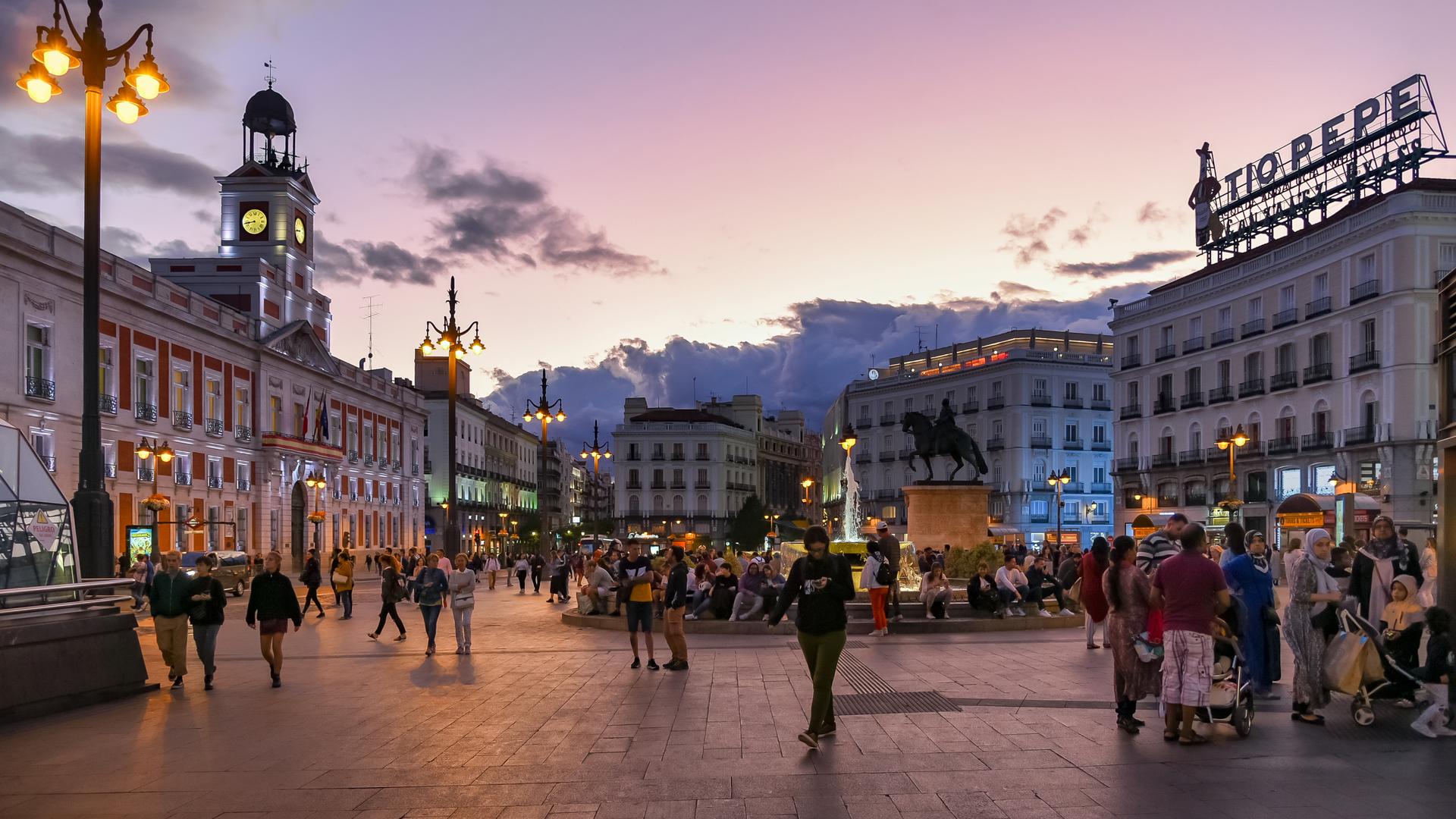
Looking beyond Ópera? Discover Madrid for broader travel guides, local hot-spots, and regional highlights.
Explore Madrid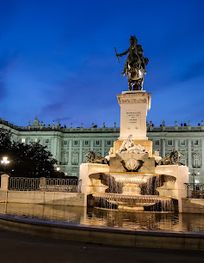
Explore the beauty and culture of Plaza de Oriente, a stunning town square in Madrid surrounded by iconic landmarks and lush gardens.
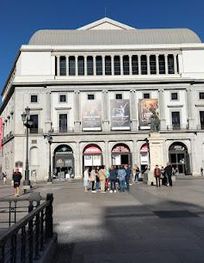
Madrid's 19th-century plaza frames opera house majesty and royal statue amid theater crowds and historic alleys in Centro's cultural core.
