
Puente de la Garrapata, Madrid Travel Guide
Stone arches over Manzanares in Moncloa-Aravaca deliver Madrid's understated bridge engineering amid riverside paths and parkland tranquility.
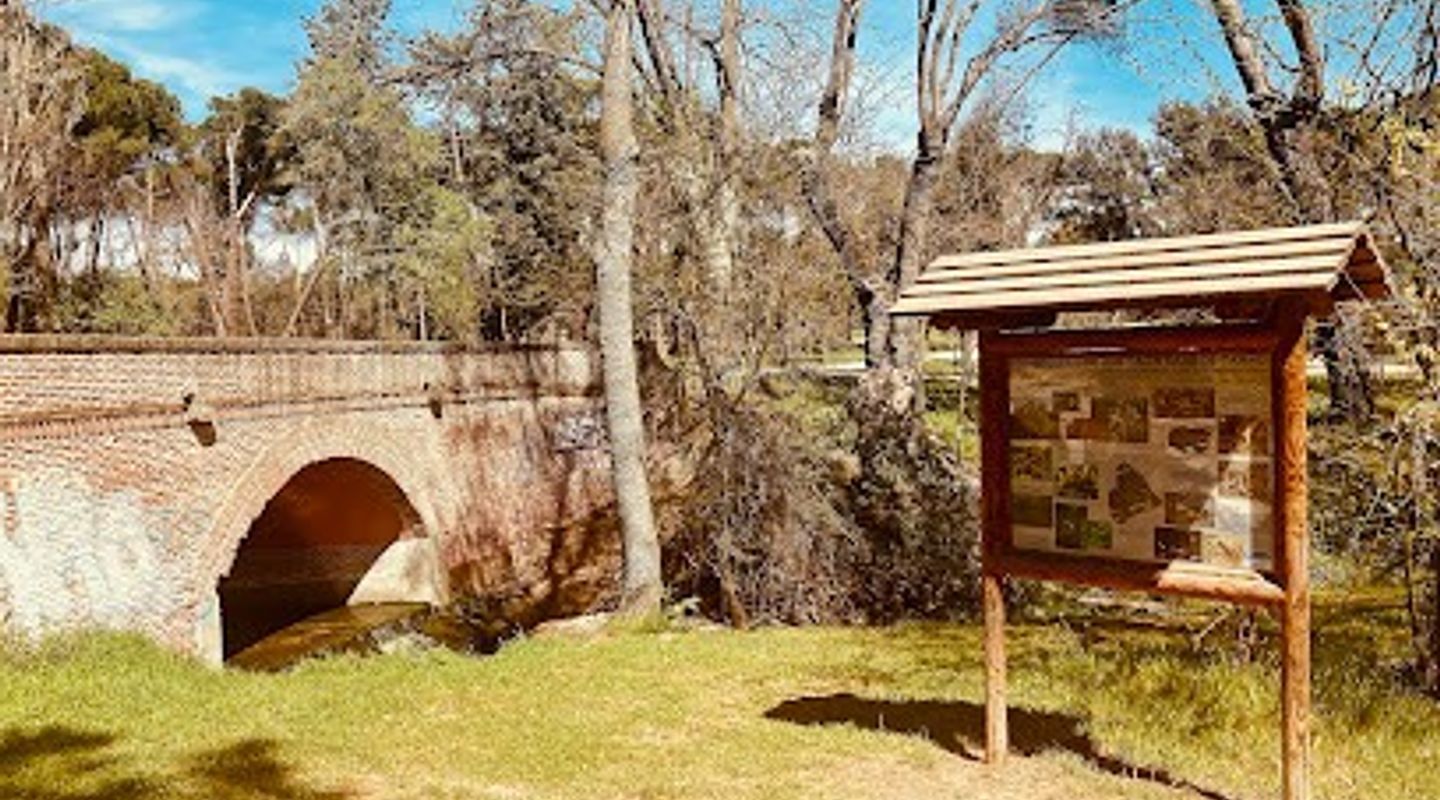
Tucked along the Manzanares River in Moncloa-Aravaca, Puente de la Garrapata stands as a quiet historical bridge blending stone arches with urban greenery. This lesser-known landmark offers serene views, pedestrian paths, and a glimpse into Madrid's engineering past amid the city's northwest expanse. Ideal for contemplative walks or casual photography, it captures the subtle charm of Madrid's hidden infrastructural gems.
A brief summary to Puente de la Garrapata
- Madrid, Moncloa - Aravaca, Madrid, ES
- Click to display
- Free
-
 Outdoor
- Mobile reception: 5 out of 5
- Monday 12 am-12 pm
- Tuesday 12 am-12 pm
- Wednesday 12 am-12 pm
- Thursday 12 am-12 pm
- Friday 12 am-12 pm
- Saturday 12 am-12 pm
- Sunday 12 am-12 pm

Know before you go
Hi, I'm Eve. Here are a few practical things to know before exploring Puente de la Garrapata.
- Combine with a Casa de Campo walk for extended riverside exploration linking bridge views to broader park scenery.
- Visit at dawn or dusk for optimal light on arches and water, minimizing any urban noise.
- Wear sturdy shoes for uneven stone surfaces and adjacent trails along the riverbank.
- Observe local wildlife like herons along the Manzanares for added natural interest.
Do you manage this location?
Take control to get all the benefits, like improved information, better appearance, and stronger visibility across AI-powered discovery. Learn more about listing your business on Evendo
Activate your presenceOther nearby places you may find interesting
The closest places of the same kind, if this one is not quite what you had in mind.
Explore Puente de la Garrapata on the Map
A handpicked selection of must-see spots near Puente de la Garrapata, mapped for you.
Getting There
-
Metro
Take Line 10 to Lago station (15-20 min from Sol), then 10-min walk northwest along park paths; €1.50-2 fare.
-
Bus
Lines 41 or 46 from center to nearby Moncloa stops (20-25 min), short walk to river; €1.50 ticket.
-
Bicycle
Rent city bikes for 25-30 min ride via greenways from Plaza España; €2/hour, scenic route.
-
Walking
From Moncloa (metro hub), 25-35 min downhill stroll through Casa de Campo trails; free.
For the on-the-go comforts that matter to you
-
 Restrooms
-
 Seating Areas
-
 Trash Bins
-
 Information Boards
Discover more about Puente de la Garrapata
Historical Origins
Puente de la Garrapata, named after the tick for its clinging stonework resembling the insect's grip, emerged in the 19th century as a vital crossing over the Manzanares River. Constructed during Madrid's urban expansion, its robust masonry arches reflect engineering adapted to the river's seasonal floods, serving locals traveling between Casa de Campo and the expanding city core. Over decades, it transitioned from a bustling thoroughfare to a peaceful pedestrian spot, embodying Madrid's layered infrastructural evolution.Architectural Features
The bridge's design showcases classic stone construction with multiple arches that harmonize with the river's flow. Flanked by sturdy parapets, it provides safe walkways elevated above the water, allowing unobstructed views of the surrounding Casa de Campo parklands. Vegetation clings to its edges, softening the stone with moss and ivy, while iron railings add a later industrial touch. Its compact scale—spanning just enough to cross the narrow river—invites close inspection of weathered details and subtle asymmetries born from practical repairs over time.Riverside Setting
Positioned in the Moncloa-Aravaca district, the bridge anchors a tranquil stretch of the Manzanares where the river winds through wooded banks. Nearby, expansive green spaces of Casa de Campo offer cycling paths and picnic spots, contrasting the bridge's static presence with dynamic natural elements. Birdsong echoes off the arches, and the water's gentle rush provides a soothing backdrop, making it a natural pause point for those exploring Madrid's northwestern fringes away from tourist throngs.Visitor Experience
Crossing Puente de la Garrapata feels like stepping into a quieter Madrid, with the stone underfoot vibrating faintly from distant traffic yet enveloped in riparian calm. Photographers appreciate the frame of arches against skyline glimpses or foliage reflections, while walkers relish the shaded paths linking to broader park trails. In golden hour, sunlight filters through leaves onto the river, casting dappled patterns that enhance the scene's understated beauty. It's a spot for reflection, where history meets nature without fanfare.Cultural Context
Though not a grand monument, the bridge weaves into Madrid's narrative of resilient infrastructure supporting daily life. Local lore ties it to rural pastimes like fishing and herding before suburban growth enveloped it. Today, it draws joggers, cyclists, and history buffs seeking authentic slices of the city beyond Plaza Mayor's bustle, underscoring how such structures quietly preserve Madrid's identity amid modernization.Practical Allure
Its accessibility from central Madrid positions it perfectly for half-day outings combining urban exploration with green escapes. The bridge's cleanliness and solid build ensure comfortable lingering, with nearby benches inviting rest amid the riverside breeze. For travelers, it exemplifies Madrid's talent for embedding history in everyday landscapes, rewarding those who venture off the beaten path.












Your all‑in‑one travel companion app
Explore expert travel guides, compare and book tours, experiences, hotels, and more—all from the palm of your hand. Download now for seamless trip planning wherever your wanderlust takes you.


Explore More of Madrid
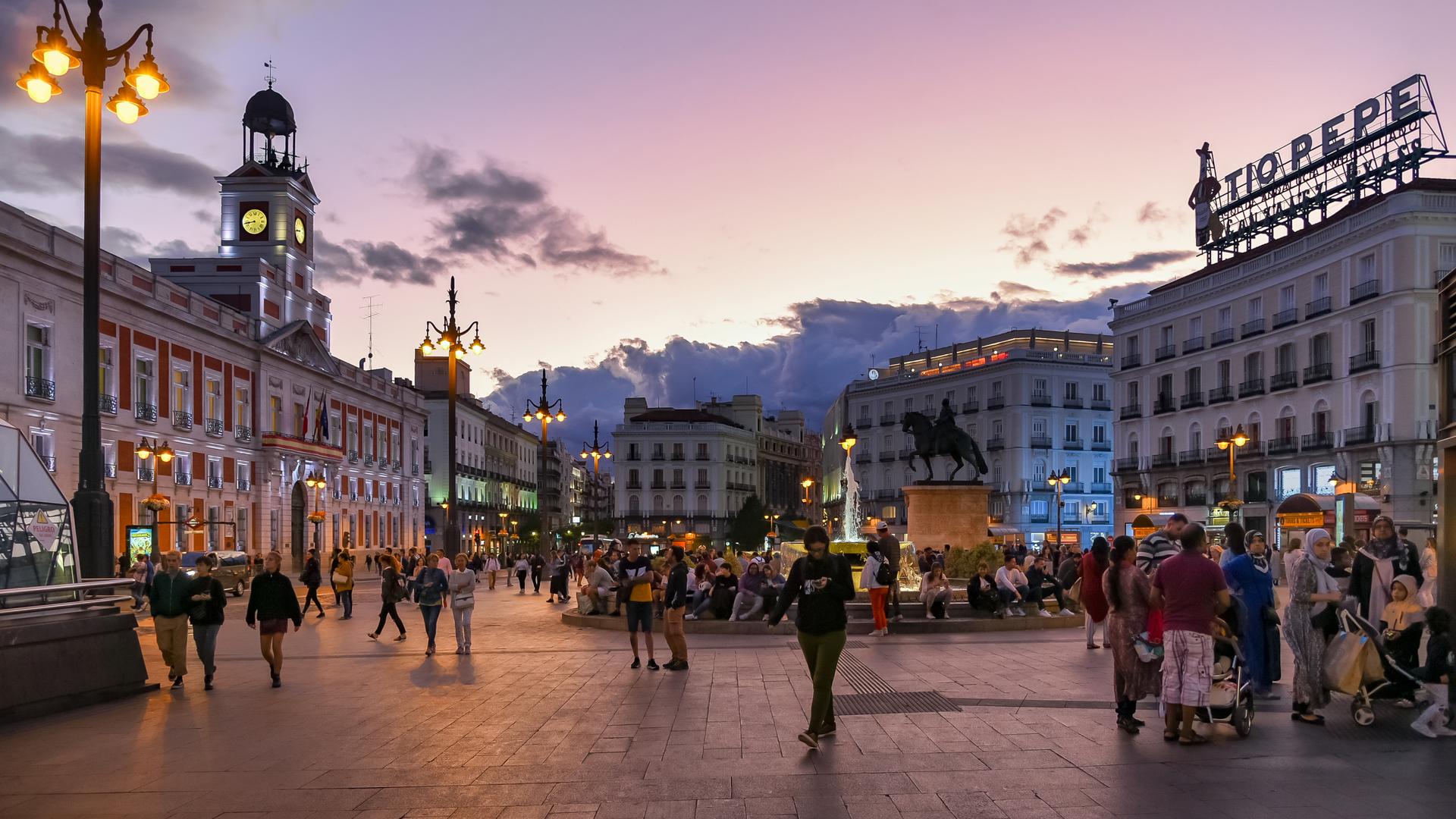
Looking beyond Puente de la Garrapata? Discover Madrid for broader travel guides, local hot-spots, and regional highlights.
Explore Madrid
Discover the Monumento al Pueblo del Dos de Mayo de 1808, a powerful symbol of Spanish resilience and historical significance in the heart of Madrid.
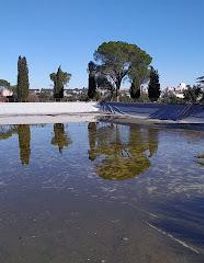
19th-century water distributor pond in Casa de Campo's woods, channeling Madrid's hydraulic history through stone channels and serene basins.
