

Torre de Madrid, Madrid Travel Guide
Free Guide: Postwar concrete giant dominating Plaza de España, Torre de Madrid pioneered Spain's skyscraper era with innovative design and unmatched 1950s engineering prowess.


A brief summary of Torre de Madrid
Postwar concrete giant dominating Plaza de España, Torre de Madrid pioneered Spain's skyscraper era with innovative design and unmatched 1950s engineering prowess.
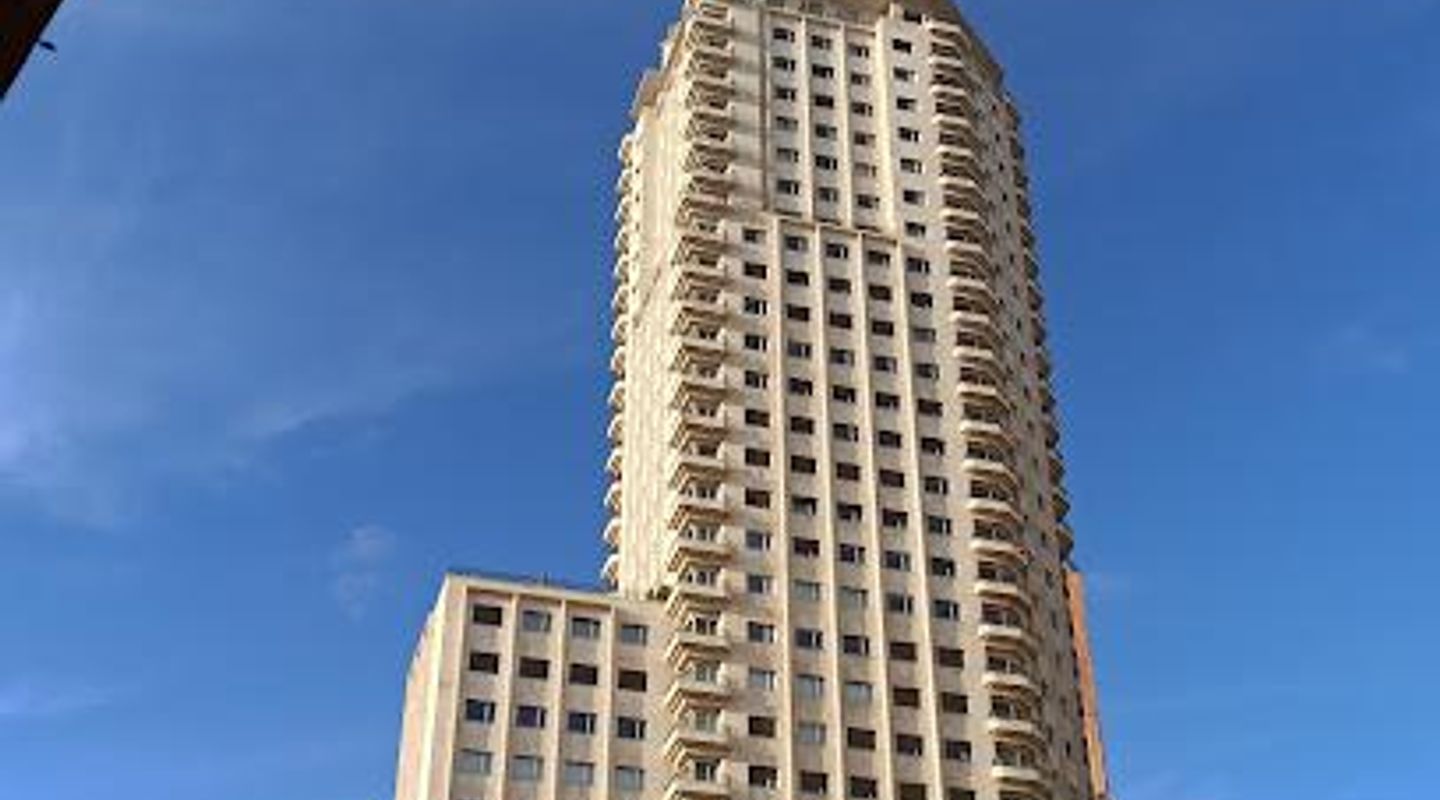
Towering over Plaza de España, Torre de Madrid stands as one of Spain's first postwar skyscrapers, a 1957 marvel of modernist engineering that defined Madrid's vertical ambitions. Its sleek concrete form and panoramic vantage point capture the city's bold transition from rubble to renewal, offering striking views amid the urban pulse of Moncloa.
On-site amenities
 Restrooms
 Food options
 Seating areas
 Sheltered areas
 Trash bins
 Information boards
- Address
- Pl. de España, 18, Moncloa - Aravaca, 28008 Madrid
Getting there
Metro
Bus
Walking
Discover more about Torre de Madrid
Architectural Pioneer of Postwar Madrid
Completed in 1957, Torre de Madrid rose as Spain's tallest building at the time, reaching 134 meters with 32 floors. Designed by architects Julián and Nicolás López Díaz and Enrique de la Mora y Cuesta, it symbolized Madrid's postwar resurgence under Francisco Javier Saínz de la Mora's guidance. Constructed by Construcciones Alday, the tower's reinforced concrete structure broke from traditional masonry, embracing modernist principles amid Franco-era constraints.
Iconic Presence in Plaza de España
Anchored at Plaza de España 18, the tower anchors one end of the grand square, facing the emblematic Edificio España across the way. This positioning integrates it into Madrid's Gran Vía extension, a hub of cinematic fame from films like 'The Man Who Knew Too Much' and 'Around the World in 80 Days.' Its silhouette dominates the Moncloa-Aravaca skyline, blending seamlessly with the plaza's fountains, Cervantes monument, and lush greenery.
Modernist Design and Engineering Feats
The facade features exposed béton brut concrete, horizontal window bands, and a rhythmic pattern of deep-set openings that maximize light while minimizing heat. Inside, innovative systems included central heating, air conditioning, and elevators serving offices and apartments. At completion, it boasted Spain's fastest elevators at 4.5 m/s, underscoring its role as a technological showcase that influenced subsequent high-rises like Torre Picasso.
Cultural and Urban Significance
Torre de Madrid encapsulated 1950s optimism, housing businesses, residences, and even a top-floor restaurant with sweeping views. It marked Madrid's shift toward American-inspired verticality, contrasting the horizontal sprawl of earlier eras. Today, it remains a protected landmark, its weathered concrete telling stories of urban evolution amid surrounding redevelopment, including the nearby Templo de Debod.
Viewing and Experiencing the Landmark
Exterior observation reveals the tower's robust massing and subtle Art Deco echoes in its setbacks. From Plaza de España, gaze upward to appreciate its scale against the sky, especially at dusk when lights accentuate its form. The surrounding bustle—street performers, tourists, and locals—enhances the atmosphere, making it a living testament to Madrid's architectural heritage.
Legacy in Madrid's Skyline
Though surpassed in height, Torre de Madrid endures as a foundational icon, inspiring generations of architects. Its preservation amid modern developments ensures visitors grasp Madrid's journey from civil war devastation to contemporary vibrancy, standing resolute as a concrete chronicle of ambition.
Evendo Review Centre
 Google
Guest reviews
Best time to go
Quietest: Mar, Apr & May · before 3am
Busy times are Evendo estimates for a typical year, to help you plan. Actual crowds vary with events, school holidays and the weather.
Explore Torre de Madrid on the map
A handpicked selection of must-see spots near Torre de Madrid, mapped for you.
Get your free copy of our complete guide to Torre de Madrid, delivered straight to you.
Everything on this page, from opening hours and how to get there to Eve’s tips and the best time to go, in one PDF you can read offline, print or share.
Already have an account? Sign in
Your Torre de Madrid guide is ready.
We'll send it to · Not you? Sign out

Getting your guide ready…
We are putting together a fresh copy of the Torre de Madrid guide. This can take up to a minute.
This can take a few moments. If your browser asks, choose Allow so the download can start. You'll find the guide in your Downloads folder.
Nothing happened? Download it again
Sorry, the guide is taking longer than usual. Please try again in a minute, or get it by email instead.
Other nearby places you may find interesting
The closest places of the same kind, if this one is not quite what you had in mind.
-
-
-
-
-


Swipe for more places
More to explore near Torre de Madrid

 Best experiences near Torre de Madrid
 Best hotels near Torre de Madrid
 Best landmarks near Torre de Madrid
 Best attractions near Torre de Madrid
 Best shops near Torre de Madrid
 Best restaurants near Torre de Madrid
 Best bars near Torre de Madrid
Do you manage this location?
Take control to get all the benefits, like improved information, better appearance, and stronger visibility across AI-powered discovery.
Explore more

Explore more of Madrid
Discover Madrid: A city of art, culture, and culinary delights, where history and modern vibrancy meet in the heart of Spain.
Explore Madrid
Explore more of Spain
Discover Spain: A vibrant tapestry of culture, history, and breathtaking landscapes, where every city offers a unique adventure and unforgettable experiences.
Explore Spain
