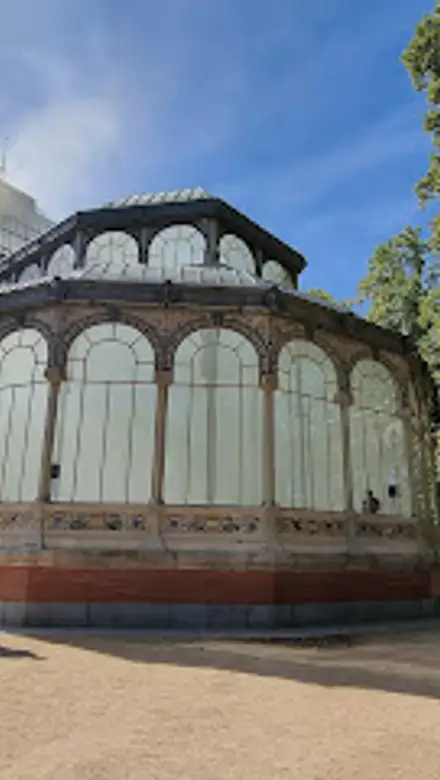
Monumento a Ricardo Codorníu, Madrid Travel Guide
Free Guide: Bronze tribute to Retiro's architect Ricardo Codorníu, standing sentinel in Madrid's green heart amid whispering trees and hidden park paths.


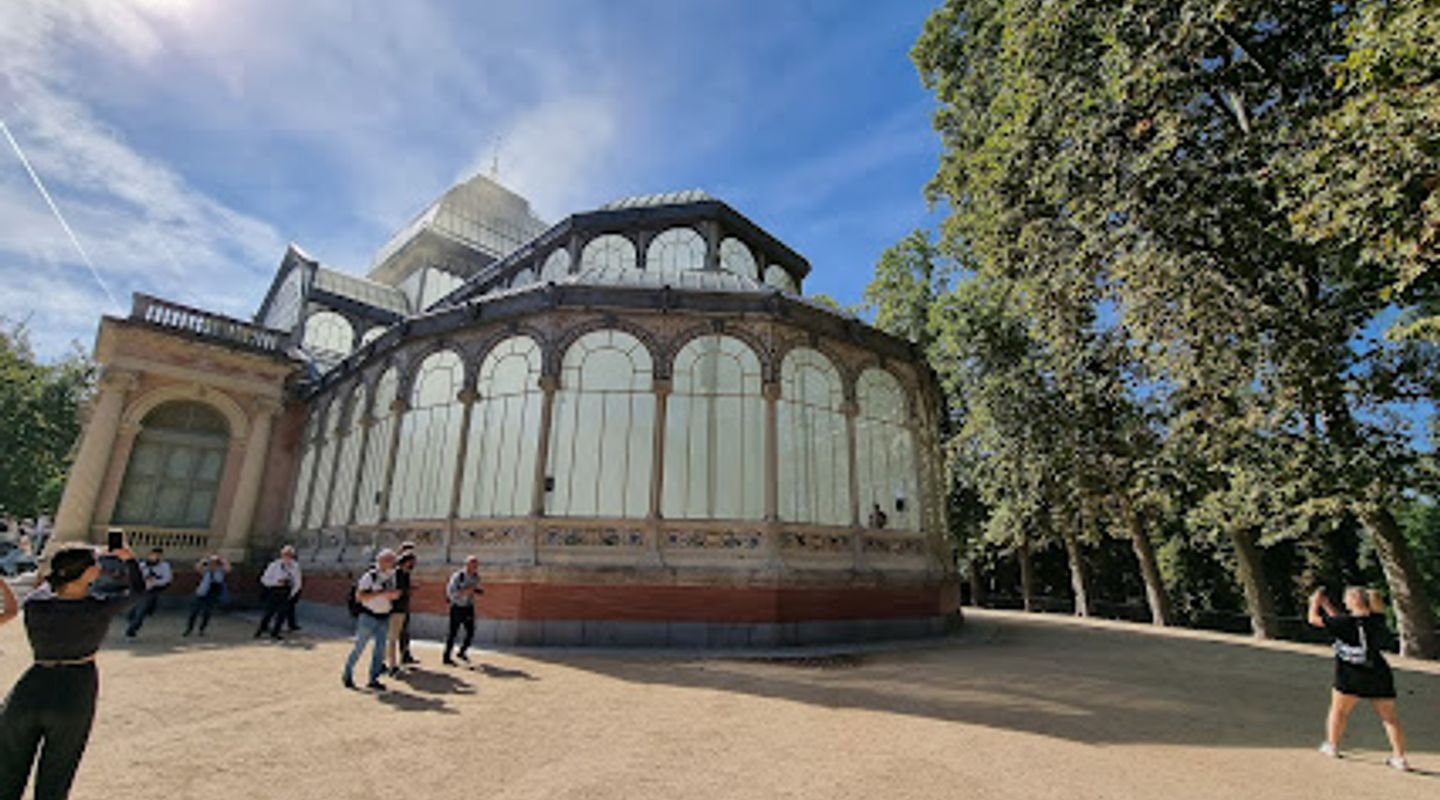
A brief summary of Monumento a Ricardo Codorníu
Bronze tribute to Retiro's architect Ricardo Codorníu, standing sentinel in Madrid's green heart amid whispering trees and hidden park paths.
Tucked within Madrid's Retiro Park, this understated monument honors Ricardo Codorníu, a key architect behind the park's grandeur. The bronze figure captures his dignified presence amid lush greenery, offering a quiet nod to the visionaries who shaped this urban oasis. Perfect for history enthusiasts seeking serene discoveries off the main paths.
On-site amenities
 Seating areas
 Trash bins
 Information boards
- Address
- Retiro, 28009 Madrid
Getting there
Walking
Cycling
Public Transit
Discover more about Monumento a Ricardo Codorníu
Historical Significance
The Monumento a Ricardo Codorníu stands as a tribute to the man who played a pivotal role in transforming Madrid's Retiro Park into one of the city's most cherished green spaces. Ricardo Codorníu y Pereyra, a distinguished Spanish architect and landscape designer active in the late 19th and early 20th centuries, contributed significantly to the park's layout and aesthetic development. Erected in 1920, the monument commemorates his efforts in enhancing the park's pathways, gardens, and overall harmony with the urban landscape surrounding it. Codorníu’s work emphasized blending formal French garden influences with more natural, romantic elements, creating the diverse scenery visitors enjoy today.
Artistic Design and Features
Crafted by renowned sculptor Francisco López Aguado, the monument features a lifelike bronze statue of Codorníu standing in contemplative pose, gazing toward the park's expanse. Perched on a sturdy granite pedestal adorned with subtle inscriptions and reliefs, the structure measures modest proportions—ideal for intimate appreciation rather than overwhelming spectacle. The pedestal bears Codorníu's name and dates (1859-1923), along with accolades for his contributions to public spaces in Madrid. Surrounding low railings protect the base, while the site's elevation offers subtle views of nearby tree canopies and winding paths.
Location within Retiro Park
Situated in the heart of Retiro Park in Madrid's Retiro district, the monument occupies a peaceful niche away from the park's busier attractions like the Crystal Palace or Rowing Lake. Its position near secondary walkways invites serendipitous encounters during strolls, framed by mature oaks, pines, and seasonal blooms that shift the scene from verdant summer vibrancy to autumnal gold. This placement underscores Codorníu's legacy, as the surrounding flora echoes his landscaping principles of balance and natural flow.
Cultural and Architectural Context
As part of Retiro Park's collection of commemorative sculptures, the monument reflects early 20th-century Spanish civic art, blending realism with symbolic restraint. Codorníu's own projects, including restorations at the Prado Museum and designs for royal properties, inform the monument's classical undertones—clean lines, proportionate scaling, and an air of quiet authority. It serves as a microcosm of Madrid's commitment to honoring contributors to public welfare, paralleling nearby tributes to Alfonso XII and Goya.
Visitor Experience and Atmosphere
Approaching the monument, travelers encounter a tranquil pocket amid the park's 350-acre expanse, where birdsong and distant laughter from rowers create a layered soundscape. The site's intimacy fosters reflection on urban evolution, with sunlight filtering through leaves casting dynamic shadows on the bronze patina. Photographers appreciate the statue's poised composition against natural backdrops, while walkers find it a natural pause point. The atmosphere evokes understated pride, rewarding those who venture beyond iconic spots with a personal connection to Madrid's layered history.
Legacy and Ongoing Relevance
Today, the Monumento a Ricardo Codorníu endures as a reminder of how individual ingenuity shapes communal spaces. Codorníu's vision continues to influence Retiro's role as Madrid's 'lungs,' providing respite for over 100,000 daily visitors. The monument invites contemplation on preservation, as ongoing park maintenance ensures its setting remains vibrant. For travelers, it represents the nuanced storytelling embedded in Madrid's landscapes—subtle yet profound markers of cultural continuity.
Evendo Review Centre
 Google
Guest reviews
Best time to go
Quietest: Jan, Feb & Mar · before 3am
Busy times are Evendo estimates for a typical year, to help you plan. Actual crowds vary with events, school holidays and the weather.
Explore Monumento a Ricardo Codorníu on the map
A handpicked selection of must-see spots near Monumento a Ricardo Codorníu, mapped for you.
Get your free copy of our complete guide to Monumento a Ricardo Codorníu, delivered straight to you.
Everything on this page, from opening hours and how to get there to Eve’s tips and the best time to go, in one PDF you can read offline, print or share.
Already have an account? Sign in
Your Monumento a Ricardo Codorníu guide is ready.
We'll send it to · Not you? Sign out

Getting your guide ready…
We are putting together a fresh copy of the Monumento a Ricardo Codorníu guide. This can take up to a minute.
This can take a few moments. If your browser asks, choose Allow so the download can start. You'll find the guide in your Downloads folder.
Nothing happened? Download it again
Sorry, the guide is taking longer than usual. Please try again in a minute, or get it by email instead.
Other nearby places you may find interesting
The closest places of the same kind, if this one is not quite what you had in mind.
-
-
-

-
-


Swipe for more places
More to explore near Monumento a Ricardo Codorníu
-
 Best experiences near Monumento a Ricardo Codorníu
-
 Best hotels near Monumento a Ricardo Codorníu
-
 Best landmarks near Monumento a Ricardo Codorníu
-
 Best attractions near Monumento a Ricardo Codorníu
-
 Best shops near Monumento a Ricardo Codorníu
-
 Best restaurants near Monumento a Ricardo Codorníu
-
 Best bars near Monumento a Ricardo Codorníu


Do you manage this location?
Take control to get all the benefits, like improved information, better appearance, and stronger visibility across AI-powered discovery.
Explore more
Explore more of Retiro
Explore Retiro: Madrid's enchanting blend of lush parks, world-class museums, and vibrant culinary scene, offering tourists a perfect mix of relaxation and culture.
Explore Retiro
Explore more of Madrid
Discover Madrid: A city of art, culture, and culinary delights, where history and modern vibrancy meet in the heart of Spain.
Explore Madrid