

calle de la sal, Madrid Travel Guide
Free Guide: Calle de la Sal's Baroque facades and salt-trading legacy define Madrid Centro's intimate historic lane, blending merchant past with resident rhythms on cobblestones steps from Sol.


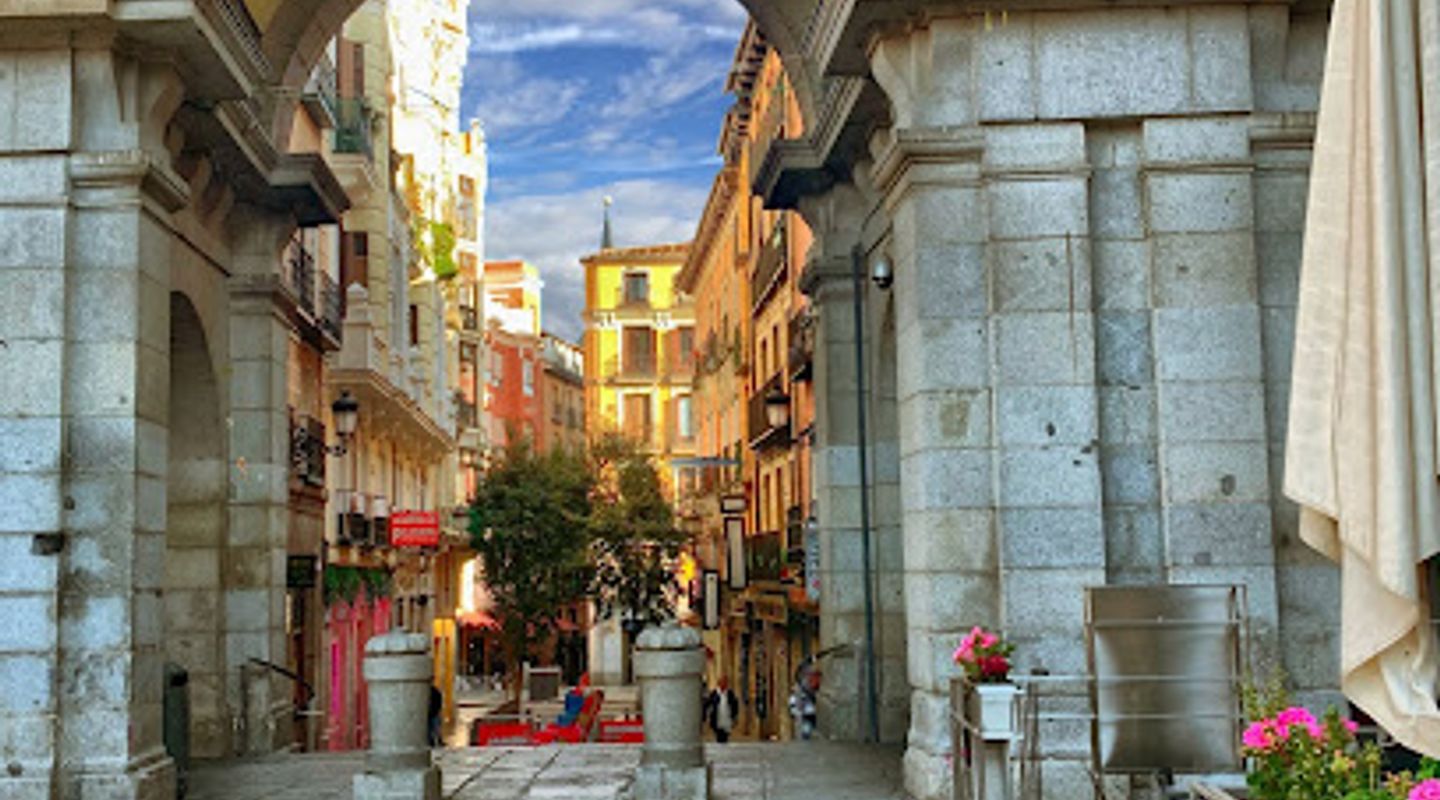
A brief summary of calle de la sal
Calle de la Sal's Baroque facades and salt-trading legacy define Madrid Centro's intimate historic lane, blending merchant past with resident rhythms on cobblestones steps from Sol.
Tucked in Madrid's vibrant Centro district, Calle de la Sal whispers tales of medieval commerce and Habsburg grandeur. This narrow 17th-century street, once bustling with salt traders, now captivates with its restored Baroque facades, hidden patios, and authentic Madrileño life. Stroll its cobblestones to uncover wrought-iron balconies, flower-draped windows, and the subtle elegance of a bygone era amid the city's pulsing heart. Perfect for those seeking the soul of historic Madrid beyond the tourist trails.
On-site amenities
 Seating areas
 Trash bins
 Information boards
- Address
- C. de la Sal, 1, Centro, 28012 Madrid
- Website
Getting there
Walking
Metro
Bus
Discover more about calle de la sal
Historical Roots in Salt and Trade
Calle de la Sal traces its origins to the medieval period when Madrid emerged as a trading hub. The street's name derives from 'sal,' Spanish for salt, reflecting its role as a key market lane where merchants sold this vital commodity. Essential for food preservation in an era without refrigeration, salt drew traders from across Castile, infusing the area with commerce and vitality. By the 17th century, as Madrid became Spain's capital under Philip II, the street evolved into a residential artery for artisans and minor nobility, its architecture bearing witness to the Habsburg dynasty's influence.
Baroque Architecture and Restored Splendor
The street's defining feature is its 17th-century Baroque facades, meticulously restored in recent decades to preserve their original ochre tones and ornate details. Number 1, at the street's head, exemplifies this with its grand portal framed by pilasters and a coat of arms etched in stone, hinting at the wealth of former salt merchants. Wrought-iron rejas guard deep windows, while slender columns support balconies overflowing with geraniums. These elements create a rhythmic visual harmony, contrasting the uniformity of modern Madrid. Narrow at just 3 meters wide, the calle forces an intimate encounter with its walls, where shadows play dramatically in the afternoon light.
Daily Life and Hidden Patios
Beyond its static beauty, Calle de la Sal pulses with contemporary Madrileño rhythm. Local residents hang laundry from balconies, chat across the narrow passage, and tend to interior patios visible through open doorways. These patios, a hallmark of Madrid's Centro, feature tiled fountains, citrus trees, and vine-covered trellises, offering glimpses into private oases. The street's seclusion from major arteries shields it from traffic noise, allowing the sounds of cooing pigeons, distant guitar strums, and café chatter to dominate. It's a living museum where history intersects everyday life.
Cultural Significance in Madrid's Centro
Situated in the Centro borough, Calle de la Sal anchors the historic core between Puerta del Sol and Plaza Mayor. This positioning places it amid landmarks like the Casa de la Panadería and the Arco de Cuchilleros, yet it remains lesser-known, rewarding intrepid explorers. Literary figures like Benito Pérez Galdós referenced similar streets in his novels, capturing their essence as microcosms of Madrid's social strata. Today, it serves as a counterpoint to overtouristed sites, offering authentic immersion in the city's layered identity.
Atmosphere and Visitor Experience
Visitors to Calle de la Sal encounter a serene, almost secretive vibe. Mornings bring delivery vans navigating the tight confines, while evenings see neighbors gathering for tertulias—informal chats. The air carries scents of fresh bread from nearby bakeries and jasmine from patios. Photographers prize its photogenic symmetry, especially at golden hour when sunlight gilds the stonework. For architecture enthusiasts, it's a primer in Spanish Baroque vernacular; for casual strollers, a poetic pause in Madrid's frenzy. The street embodies the capital's genius loci—its spirit of place—unmarred by commercialization.
Evendo Review Centre
 Google
Guest reviews
Best time to go
Quietest: Jan, Feb & Dec
Busy times are Evendo estimates for a typical year, to help you plan. Actual crowds vary with events, school holidays and the weather.
Explore calle de la sal on the map
A handpicked selection of must-see spots near calle de la sal, mapped for you.
Get your free copy of our complete guide to calle de la sal, delivered straight to you.
Everything on this page, from opening hours and how to get there to Eve’s tips and the best time to go, in one PDF you can read offline, print or share.
Already have an account? Sign in
Your calle de la sal guide is ready.
We'll send it to · Not you? Sign out

Getting your guide ready…
We are putting together a fresh copy of the calle de la sal guide. This can take up to a minute.
This can take a few moments. If your browser asks, choose Allow so the download can start. You'll find the guide in your Downloads folder.
Nothing happened? Download it again
Sorry, the guide is taking longer than usual. Please try again in a minute, or get it by email instead.
Unlock the best of calle de la sal
Skip-the-line tickets, guided tours with entry, and walking tours of the area, booked in a few clicks.
Other nearby places you may find interesting
The closest places of the same kind, if this one is not quite what you had in mind.
-
-
-
-
-


Swipe for more places
More to explore near calle de la sal

 Best experiences near calle de la sal
 Best hotels near calle de la sal
 Best landmarks near calle de la sal
 Best attractions near calle de la sal
 Best shops near calle de la sal
 Best restaurants near calle de la sal
 Best bars near calle de la sal
Do you manage this location?
Take control to get all the benefits, like improved information, better appearance, and stronger visibility across AI-powered discovery.
Explore more
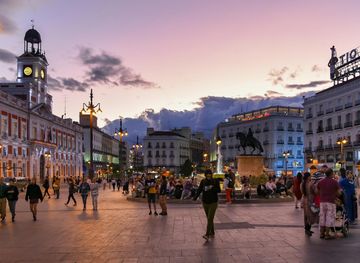
Explore more of Sol
Experience the vibrant pulse of Madrid in Sol: where historic landmarks, shopping, and lively nightlife converge in the city's bustling heart.
Explore Sol
Explore more of Madrid
Discover Madrid: A city of art, culture, and culinary delights, where history and modern vibrancy meet in the heart of Spain.
Explore Madrid
