

Sol (Madrid) Travel Guide - Free
Explore Sol in Madrid with Evendo's free guide. Find the best shops, historic streets, restaurants, and gems on web or mobile.


Sol in Madrid brings together Puerta del Sol, historic streets, classic tapas, shopping, theatres and easy Metro links at Spain’s urban centre.
A Square at the Centre of Madrid
Sol is Madrid’s symbolic centre, organised around the broad oval of Puerta del Sol and the streets that radiate towards the older quarters of Centro. The neighbourhood is compact, intensely urban and constantly in motion, yet its significance is deeper than its crowds. The brick-and-stone Casa de Correos, now the seat of the regional government, presides over the square, while the Kilometre Zero plaque marks the point from which Spain’s principal roads are traditionally measured. Nearby stand the sculpted Bear and the Strawberry Tree, a familiar emblem of Madrid, and the equestrian statue of Charles III.Read more about Sol
Streets, Shops and Everyday Madrid
History in a Busy Urban Scene
Best attractions in Sol
Puerta del Sol is Sol’s defining attraction, offering the Casa de Correos façade, the Kilometre Zero marker, the Bear and the Strawberry Tree statue and the equestrian monument to Charles III. The square is also a useful starting point for exploring Calle Arenal, whose route passes historic façades and traditional devotional landmarks towards the Teatro Real in nearby Ópera. Calle Preciados provides a lively pedestrian shopping walk, while Calle Mayor links Sol with the arcaded Plaza Mayor just beyond the neighbourhood’s immediate core. Smaller points of interest include the old streets around San Ginés and the passageways leading towards the Austrias quarter. The area’s appeal lies less in a single museum than in the way public ceremonies, street movement, architecture, retail and historic routes overlap within a very walkable central district.
-
Plaza
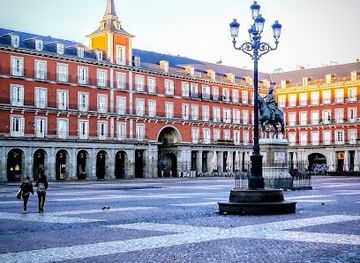
Plaza Mayor
Madrid's 17th-century Plaza Mayor pulses with street performers, tapas aromas, and frescoed arcades, anchoring the capital's historic core as a timeless square for markets, festivals, and daily gatherings.
4 min walk · 0.3 km from neighbourhood centre
-
 Tourist attraction
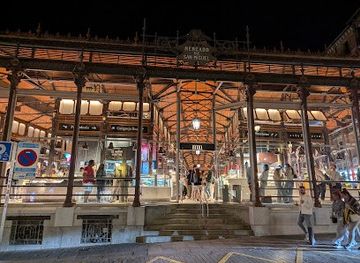
Mercado de San Miguel
Madrid's 1916 iron-glass market brims with regional Spanish bites, from Iberian ham to Galician seafood, amid clinking glasses and vendor calls in lively Centro plaza.
6 min walk · 0.5 km from neighbourhood centre
-
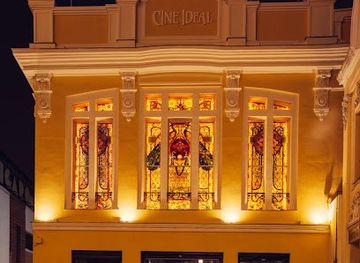
Yelmo Cines Ideal
Prime Centro cinema screening original-version films with Spanish subtitles, fusing Madrid's street energy with big-screen spectacle in a multi-auditorium venue.
-
Museum
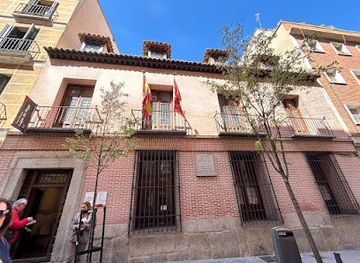
Lope de Vega Casa Museo
Madrid's preserved 17th-century playwright residence where Golden Age drama unfolds through guided tours of intimate rooms and period gardens.
8 min walk · 0.6 km from neighbourhood centre
Best landmarks in Sol
The Casa de Correos is Sol’s principal architectural landmark, an eighteenth-century civic building whose clock governs Madrid’s famous New Year’s Eve grape-eating ritual and whose present institutional role gives the square political as well as historic weight. In front of it, the Kilometre Zero plaque marks the traditional starting point for Spain’s radial roads. The Bear and the Strawberry Tree, based on Madrid’s coat of arms, provides the neighbourhood’s most recognisable sculptural symbol, while the statue of Charles III recalls the monarch’s contribution to the city’s eighteenth-century urban improvements. Around the square, the façades of Calle Arenal, Calle Mayor and Preciados preserve fragments of the historic commercial centre. The landmarks matter collectively: they express Madrid’s civic identity, transport geography, royal history and everyday public life in one concentrated urban space.
-
Plaza
Plaza Mayor
Madrid's 17th-century granite square frames royal history with arcaded balconies, equestrian statues, and terrace cafes amid street performers and endless foot traffic.
4 min walk · 0.3 km from neighbourhood centre
-
Plaza
Puerta del Sol
Where Spain's heartbeat echoes through centuries of history and celebration.
1 min walk · 0.1 km from neighbourhood centre
-
Historical landmark
Mercado de San Miguel
Madrid's 1916 glass pavilion brims with Spain's freshest seafood, hams, cheeses and regional wines, fueling endless tapas sessions amid iron arches and plaza buzz.
6 min walk · 0.5 km from neighbourhood centre
-
Sculpture
El Oso y el Madroño
Madrid's bronze bear and strawberry tree sculpture anchors Puerta del Sol, channeling the city's heraldic roots into a vibrant urban icon visited by millions yearly.
1 min walk · 0.1 km from neighbourhood centre


Explore Sol on the map
A handpicked selection of must-see spots in Sol, mapped for you.
Best hotels in Sol
Best restaurants in Sol
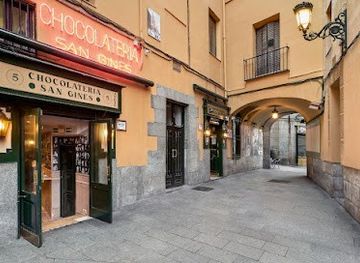
Dining in Sol reflects its position at the meeting point of Madrid’s historic centre, shopping streets and visitor routes. Traditional taverns and casual tapas bars occupy lanes around Arenal, Mayor and the approaches to Plaza Mayor, while cafés, bakeries and confectioners provide quick stops amid the pedestrian streets. Chocolatería San Ginés, just off Calle Arenal, is associated with Madrid’s long-standing churros-and-hot-chocolate tradition, and Casa Labra on Calle de Tetuán is known for a historic tavern setting and cod specialities. The wider area also contains international restaurants, modern casual dining and venues aimed at high visitor footfall, so quality and atmosphere vary from one street to the next. Look for establishments with a local trade as well as tourist traffic, and explore side streets rather than assuming the busiest frontage represents Sol’s entire food culture.
-
Plaza
Plaza Mayor
Madrid's Plaza Mayor arcades brim with taverns dishing Castilian stews and tapas under 17th-century arches, where every table catches the square's timeless street theater.
4 min walk · 0.3 km from neighbourhood centre
-
Fresh food market
Mercado de San Miguel
Iron-framed heritage meets contemporary Spanish cuisine in Madrid's most celebrated culinary marketplace.
6 min walk · 0.5 km from neighbourhood centre
-
Chocolate cafe
Chocolatería San Ginés
Crispy churros meet thick hot chocolate in a 24/7 Madrid passage, fueling locals and travelers since 1894 with fried dough perfection near Plaza Mayor.
3 min walk · 0.3 km from neighbourhood centre
-
Tapas
Tapa Tapa Montera
Calle Montera's tapas anchor where Gran Vía crowds fuel up on croquetas, gambas al ajillo, and jamón amid Madrid's street theater energy.
4 min walk · 0.3 km from neighbourhood centre


Best bars in Sol
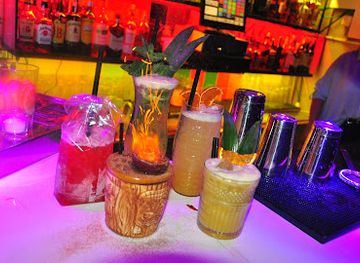
Sol’s evening scene is centred more on traditional bars, tapas counters, cafés and theatres than on large nightclubs within the immediate square. Streets around Arenal and Mayor remain active after dark, with old-fashioned taverns and informal places to meet, while nearby Gran Vía adds theatres and late-opening entertainment just north of the neighbourhood. The compact lanes can become crowded, particularly around weekends and major celebrations, but the atmosphere changes quickly from commercial pedestrian bustle to quieter residential doorways. Late-night clubbing is more strongly associated with neighbouring areas such as Malasaña, Chueca, Huertas and La Latina than with Sol itself. Visitors should distinguish between a drink in a historic central bar and a dedicated nightlife excursion, while taking care not to block entrances or disturb residents on narrow streets.
-
Plaza
Plaza Mayor
Madrid's Plaza Mayor bars deliver terrace drinks amid 17th-century arcades, blending sangria flows with street performer buzz and endless people-watching in the city's lively core. (152 characters)
4 min walk · 0.3 km from neighbourhood centre
-
Chocolate cafe
Churrería Chocolateria 1902
Madrid's century-old chocolate sanctuary where tradition flows thick and churros taste like history.
3 min walk · 0.3 km from neighbourhood centre
-
Bar
Calle 365 l Discoteca Madrid
Madrid's Calle 365 ignites Centro nights with knockout cocktails and DJ-fueled dances on Echegaray, blending bar finesse with club frenzy for unforgettable Madrid moves.
5 min walk · 0.4 km from neighbourhood centre
-
Tavern
Casa Labra
Where Madrid's vermouth tradition meets timeless tapas in a standing-room institution that's barely changed since 1860.
1 min walk · 0.1 km from neighbourhood centre


Best nightclubs in Sol
Sol’s evening scene is centred more on traditional bars, tapas counters, cafés and theatres than on large nightclubs within the immediate square. Streets around Arenal and Mayor remain active after dark, with old-fashioned taverns and informal places to meet, while nearby Gran Vía adds theatres and late-opening entertainment just north of the neighbourhood. The compact lanes can become crowded, particularly around weekends and major celebrations, but the atmosphere changes quickly from commercial pedestrian bustle to quieter residential doorways. Late-night clubbing is more strongly associated with neighbouring areas such as Malasaña, Chueca, Huertas and La Latina than with Sol itself. Visitors should distinguish between a drink in a historic central bar and a dedicated nightlife excursion, while taking care not to block entrances or disturb residents on narrow streets.
-
Disco club
Calle 365 l Discoteca Madrid
Madrid's Calle 365 fuels Centro nights with booming beats, craft cocktails, and crowds that dance till dawn in the city's unyielding party core.
5 min walk · 0.4 km from neighbourhood centre
-
Disco club
Medias Puri
Spanish beats and vibrant energy in Madrid's Centro—where locals dance and visitors discover authentic nightlife.
6 min walk · 0.5 km from neighbourhood centre
-
Disco club
Planet Club
Planet Club ignites Madrid Centro with relentless beats and electric crowds, fueling epic nights in the shadow of Plaza Mayor where every rhythm pulls you deeper into Spain's fiercest party circuit.
4 min walk · 0.3 km from neighbourhood centre
-
Disco club
Discoteca El Son
Madrid's Centro disco where Latin rhythms collide with cocktail culture, fueling all-night dances on a buzzing floor amid the capital's historic pulse.
2 min walk · 0.2 km from neighbourhood centre


Best shops in Sol
Shopping is one of Sol’s strongest contemporary identities. Calle Preciados and the adjoining pedestrian streets form a major retail corridor, with large Spanish and international brands, department-store branches and high visitor footfall. Calle del Carmen connects the square with Gran Vía, while Calle Arenal and Calle Mayor provide a mixture of souvenir shops, traditional food businesses, footwear, fashion and small service retailers. The area is not primarily a specialist craft district, but its older commercial traditions survive in food shops, confectioners and long-established businesses threaded through the mainstream retail. For a more historic browsing experience, turn into the narrower streets around the Austrias quarter and Plaza Mayor, where the scale becomes less uniform. Expect busy pavements and changing shopfronts, and remember that the most central streets represent Madrid’s metropolitan shopping centre as much as the local life of Sol.
-
Plaza
Plaza Mayor
Four centuries of Spanish tradition meet modern commerce in Madrid's most iconic plaza and premier shopping destination.
4 min walk · 0.3 km from neighbourhood centre
-
Chocolate cafe
Chocolatería San Ginés
Madrid's legendary 24/7 chocolate shop in Pasadizo de San Ginés, famed for velvety hot chocolate, crisp churros, and artisan bars near Plaza Mayor.
3 min walk · 0.3 km from neighbourhood centre
-
Chocolate cafe
Churrería Chocolateria 1902
Over a century of Madrid tradition: where churros meet chocolate in timeless Spanish style.
3 min walk · 0.3 km from neighbourhood centre
-
Restaurant
Maestro Churrero
Crispy churros and thick chocolate from Plaza de Jacinto Benavente make Maestro Churrero Madrid's go-to for authentic sweet shopping in Centro's pulsing core.
4 min walk · 0.3 km from neighbourhood centre


Sol essentials
Getting There
Getting Around
Safety
Emergency Situations
Do's and Don'ts
Local Tips

From Eve
Local phrases worth knowing
You don't need to get them perfect. A few words go a long way, and locals appreciate the effort.
Basics
| English | Local | Say it |
|---|---|---|
| Hello | Hola | [oh-lah] |
| Goodbye | Adiós | [ah-dee-ohs] |
| Yes | Sí | [see] |
| No | No | [noh] |
| Please/You're welcome | Por favor/De nada | [por fah-bor/deh nah-dah] |
| Thank you | Gracias | [grah-thyas] |
| Excuse me/Sorry | Perdón/Lo siento | [pehr-dohn/loh syen-toh] |
| How are you? | ¿Cómo estás? | [koh-moh ehs-tahs] |
| Fine. And you? | Bien. ¿Y tú? | [byen. ee too] |
| Do you speak English? | ¿Hablas inglés? | [ah-blahs een-glehs] |
| I don't understand | No entiendo | [noh ehn-tee-ehn-doh] |
Eating & Drinking
| English | Local | Say it |
|---|---|---|
| I'd like to see the menu, please | Me gustaría ver la carta, por favor | [meh goo-stah-ree-ah behr lah kahr-tah, por fah-bor] |
| I don't eat meat | No como carne | [noh koh-moh kahr-neh] |
| Cheers! | ¡Salud! | [sah-loohd] |
| I would like to pay, please | Me gustaría pagar, por favor | [meh goo-stah-ree-ah pah-gahr, por fah-bor] |
Emergencies
| English | Local | Say it |
|---|---|---|
| Help! | ¡Ayuda! | [ah-yoo-dah] |
| Go away! | ¡Vete! | [veh-teh] |
| Call the Police! | ¡Llama a la Policía! | [yah-mah ah lah poh-lee-see-ah] |
| Call a doctor! | ¡Llama a un médico! | [yah-mah ah oon meh-dee-koh] |
| I'm lost | Estoy perdido | [ehs-toy pehr-dee-doh] |
| I'm ill | Estoy enfermo | [ehs-toy ehn-fehr-moh] |
Shopping
| English | Local | Say it |
|---|---|---|
| I'd like to buy... | Me gustaría comprar... | [meh goo-stah-ree-ah kohm-prahr] |
| I'm just looking | Solo estoy mirando | [soh-loh ehs-toy mee-rahn-doh] |
| How much is it? | ¿Cuánto cuesta? | [kwan-toh kwehs-tah] |
| That's too expensive | Es demasiado caro | [ehs deh-mah-syah-doh kah-roh] |
| Can you lower the price? | ¿Puedes rebajar el precio? | [pweh-dehs reh-bah-har ehl pree-syoh] |
Time & Numbers
| English | Local | Say it |
|---|---|---|
| What time is it? | ¿Qué hora es? | [keh oh-rah ehs] |
| It's one o'clock | Es la una | [ehs lah oo-nah] |
| Half past (10) | Y media (10) | [ee meh-dee-ah (deh-es)] |
| Morning | Mañana | [mah-nyah-nah] |
| Afternoon | Tarde | [tahr-deh] |
| Evening | Noche | [noh-cheh] |
| Yesterday | Ayer | [ah-yehr] |
| Today | Hoy | [oy] |
| Tomorrow | Mañana | [mah-nyah-nah] |
| 1 | Uno | [oo-noh] |
| 2 | Dos | [dohs] |
| 3 | Tres | [trehs] |
| 4 | Cuatro | [kwah-troh] |
| 5 | Cinco | [theen-koh] |
| 6 | Seis | [sehs] |
| 7 | Siete | [syeh-teh] |
| 8 | Ocho | [oh-choh] |
| 9 | Nueve | [nweh-veh] |
| 10 | Diez | [dyehs] |
Transport & Directions
| English | Local | Say it |
|---|---|---|
| Where's a/the...? | ¿Dónde está...? | [dohn-deh ehs-tah] |
| What's the address? | ¿Cuál es la dirección? | [kwal ehs lah dee-rehk-syon] |
| Can you show me (on the map)? | ¿Puedes enseñarme (en el mapa)? | [pweh-dehs ehn-seh-nyar-meh (ehn ehl mah-pah)] |
| When's the next (bus)? | ¿Cuándo es el próximo (autobús)? | [kwan-doh ehs ehl proh-ksee-moh (ow-toh-boos)] |
| A ticket (to ....) | Un billete (a ....) | [oon bee-yeh-teh (ah)] |
History of Sol
From Eastern Gate to City Square
The area now known as Sol developed outside Madrid’s medieval eastern walls, around a gate commonly associated with an image of the sun and the direction of sunrise. As Madrid expanded, the former edge of the settlement became an urban route linking the old town with roads leading east. The square’s position between the historic core and newer districts gave it an important commercial and social role. Its name, Puerta del Sol, survived even as the gate itself disappeared and the surrounding streets were reshaped.
The Eighteenth-Century Transformation
Sol acquired much of its formal urban character during the eighteenth century, when Madrid’s enlargement and royal building programmes brought more substantial architecture to the area. The Casa de Correos was constructed between 1760 and 1768 to designs by the French architect Jaime Marquet, providing the square with its most important civic building. Post, commerce and public administration reinforced Sol’s position as a place through which people, information and goods passed. The surrounding streets also developed a mixture of shops, inns, workshops and religious institutions.
Revolt and Public Memory
Puerta del Sol became closely associated with political life and popular mobilisation. During the upheavals surrounding the French occupation, the square and nearby streets formed part of the urban setting for resistance and repression in Madrid, while later generations repeatedly used Sol for demonstrations, celebrations and public announcements. The Casa de Correos changed function over time and became especially prominent as a government building. These layers help explain why the square remains more than a transport and shopping centre: it is one of the city’s principal public stages.
The Metro and the Modern Centre
The opening of Madrid’s first Metro line in 1919 connected Sol with the expanding capital and strengthened its role as a central interchange. Subsequent road traffic, commercial growth and changing retail patterns altered the square and its approaches, while the traditional urban fabric around Calle Arenal, Calle Mayor and Preciados remained comparatively recognisable. Later pedestrian improvements and public-realm renovations reduced the dominance of cars in the immediate centre. Sol today reflects the tension between heritage, mass tourism, metropolitan transport and the everyday life of central Madrid.
Sol in Photos
Browse through our photo collection highlighting the charm and character of the destination.
Neighbourhoods near Sol
The closest neighbourhoods to Sol, if you have time for more than one stop.
-

-

-
-

-


Swipe for more neighbourhoods
Explore more

Explore more of Madrid
Madrid combines grand boulevards, world-class museums, royal history, lively neighbourhoods and late-night Spanish culture in Spain’s spirited capital.
Explore Madrid