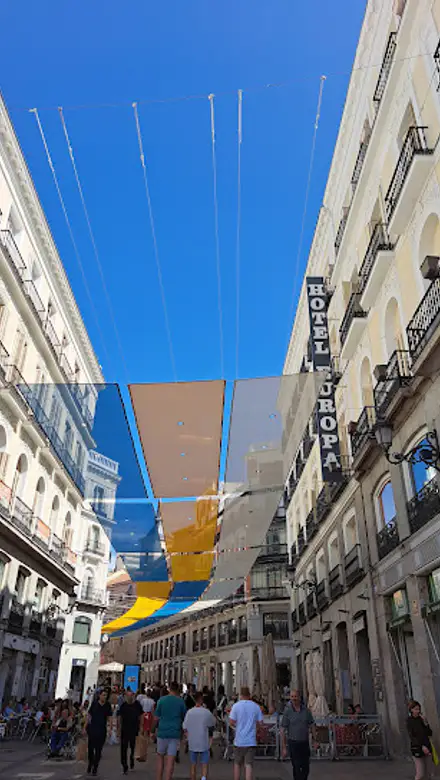
Calle del Carmen, Madrid Travel Guide
Free Guide: Calle del Carmen threads Madrid's Centro with cobblestone intimacy, where historic facades frame tapas-fueled nights and daytime market bustle in the shadow of Puerta del Sol.


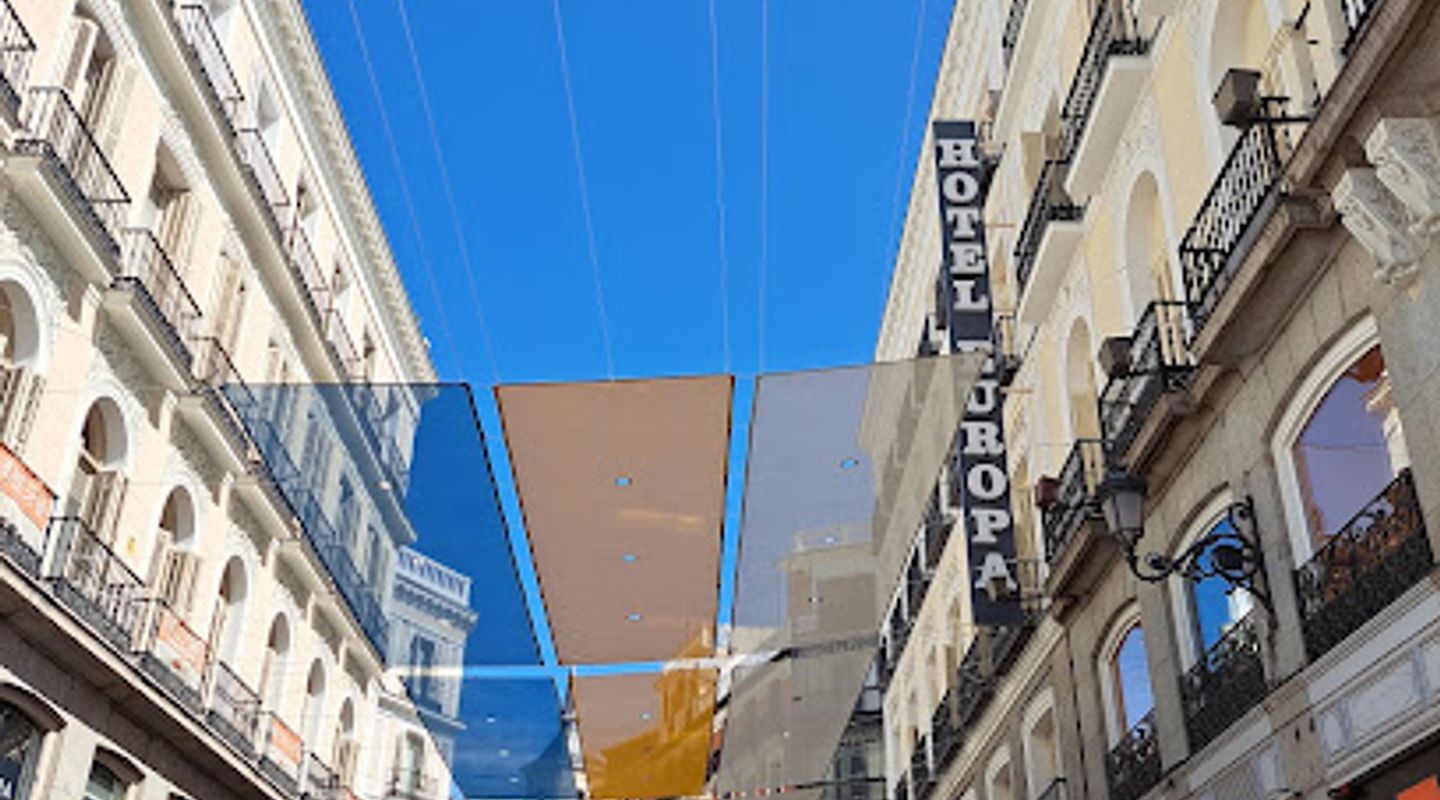
A brief summary of Calle del Carmen
Calle del Carmen threads Madrid's Centro with cobblestone intimacy, where historic facades frame tapas-fueled nights and daytime market bustle in the shadow of Puerta del Sol.
Nestled in Madrid's vibrant Centro district, Calle del Carmen captivates with its narrow cobblestone charm, linking Plaza del Callao to bustling Puerta del Sol. Lined with eclectic shops, tapas bars, and street performers, this pedestrian haven pulses with authentic Madrileño energy, offering an immersive slice of the city's layered history and lively street life amid Baroque facades and hidden courtyards.
On-site amenities
 Restrooms
 Drink options
 Food options
 Seating areas
 Trash bins
Opening hours
- Every dayOpen 24 hours
Opening hours as listed on the venue’s Google Business Profile. Hours can change for services and special events, so check with the venue before you go.
- Address
- C. del Carmen, 8, 2B, Centro, 28013 Madrid
Getting there
Walking
Metro
Bus
Discover more about Calle del Carmen
Historical Essence
Calle del Carmen traces its roots to the medieval era when Madrid was a modest Moorish outpost, evolving through centuries of urban transformation. Named after the nearby Convento de las Descalzas Reales, the street became a vital corridor during the Habsburg dynasty, connecting key hubs like Plaza del Callao and Puerta del Sol. Its layout reflects 17th-century urban planning, with narrow passages designed to foster community amid the sprawling growth of Spain's capital. Baroque influences linger in surviving doorways and wrought-iron balconies, remnants of when nobility and merchants shaped the neighborhood's character.
Architectural Highlights
The street's architecture blends Renaissance restraint with later neoclassical touches, featuring tall, slender buildings with overhanging eaves that create intimate shadows. Ground floors host traditional storefronts with wooden shutters, while upper levels bear faded coats of arms hinting at aristocratic pasts. Standout elements include ornate portal entrances carved with floral motifs and heraldic symbols, evoking the era when Calle del Carmen served as a backdrop for royal processions. Subtle restorations preserve the patina of time, allowing visitors to trace Madrid's shift from imperial power to modern metropolis.
Daily Vibe and Atmosphere
By day, Calle del Carmen hums with purposeful strides of locals weaving through market-goers and office workers, the air thick with aromas of fresh churros and espresso from corner cafés. Evenings ignite with laughter from tapas crowds spilling onto the pavement, where guitar strums and animated debates fill the pedestrian-only expanse. Street artists add bursts of color with chalk murals, while the rhythm of heels on cobblestones underscores the unhurried pace. This blend of routine and revelry captures Madrid's dual soul—rooted yet restless.
Cultural Significance
Beyond commerce, the street anchors cultural narratives, proximity to Teatro Real fostering a legacy of artistic exchange. It witnessed pivotal moments, from 19th-century liberal uprisings to the vibrant 1980s Movida Madrileña scene, when bohemian creatives gathered in its bars. Today, it embodies Centro's role as a cultural crossroads, where flamenco echoes from doorways and bookshops display tomes on Spain's Golden Age. Visitors encounter living heritage, from graffiti-touched walls to impromptu gatherings that echo the street's enduring role in communal storytelling.
Visitor Expectations
Wanderers find a sensory tapestry: the crunch of gravel underfoot, bursts of citrus from nearby markets, and vistas framing iconic landmarks. Ideal for people-watching from a bench or delving into side alleys revealing hidden patios. The compact scale rewards slow exploration, revealing vignettes like flower-laden balconies or vintage signage. In peak seasons, the throng amplifies the electric buzz, while quieter hours unveil intimate details, making every pass a fresh encounter with Madrid's unfiltered heart.
Evendo Review Centre
 Google
Guest reviews
Best time to go
Quietest: Jan, Feb & Mar · at 1am or at 2am or at 3am
Busy times are Evendo estimates for a typical year, to help you plan. Actual crowds vary with events, school holidays and the weather.
Explore Calle del Carmen on the map
A handpicked selection of must-see spots near Calle del Carmen, mapped for you.
Get your free copy of our complete guide to Calle del Carmen, delivered straight to you.
Everything on this page, from opening hours and how to get there to Eve’s tips and the best time to go, in one PDF you can read offline, print or share.
Already have an account? Sign in
Your Calle del Carmen guide is ready.
We'll send it to · Not you? Sign out

Getting your guide ready…
We are putting together a fresh copy of the Calle del Carmen guide. This can take up to a minute.
This can take a few moments. If your browser asks, choose Allow so the download can start. You'll find the guide in your Downloads folder.
Nothing happened? Download it again
Sorry, the guide is taking longer than usual. Please try again in a minute, or get it by email instead.
Other nearby places you may find interesting
The closest places of the same kind, if this one is not quite what you had in mind.
-
-
-
-
-


Swipe for more places
More to explore near Calle del Carmen

 Best experiences near Calle del Carmen
 Best hotels near Calle del Carmen
 Best landmarks near Calle del Carmen
 Best attractions near Calle del Carmen
 Best shops near Calle del Carmen
 Best restaurants near Calle del Carmen
 Best bars near Calle del Carmen
Do you manage this location?
Take control to get all the benefits, like improved information, better appearance, and stronger visibility across AI-powered discovery.
Explore more
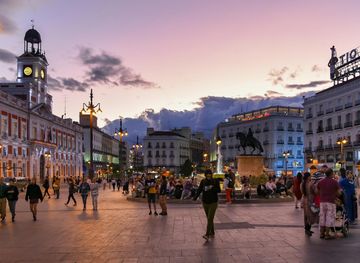
Explore more of Sol
Experience the vibrant pulse of Madrid in Sol: where historic landmarks, shopping, and lively nightlife converge in the city's bustling heart.
Explore Sol
Explore more of Madrid
Discover Madrid: A city of art, culture, and culinary delights, where history and modern vibrancy meet in the heart of Spain.
Explore Madrid