Västerås historiska skeppsmuseum Travel Guide
Free Guide: A compact, floating maritime museum at Frösåkers Brygga with over twenty historic and replica boats, hands-on craft demonstrations and a seasonal lakeside atmosphere.


A brief summary of Västerås historiska skeppsmuseum
A compact, floating maritime museum at Frösåkers Brygga with over twenty historic and replica boats, hands-on craft demonstrations and a seasonal lakeside atmosphere.
A floating maritime museum and living-history site at Frösåkers Brygga, home to Sweden’s largest collection of historic and replica boats — over 20 vessels ranging from Viking-age longships to medieval and local folk boats. Set beside a small sandy beach and sheltered harbour, the museum combines reconstructed shore buildings, hands-on craft demonstrations and a seasonal café, offering a tactile, outdoorsy encounter with Scandinavian seafaring traditions.
On-site amenities
 Seating areas
 Drink options
 Food options
 Information boards
- Address
- Frösåker Brygga 7, 725 97 Västerås
- Phone
Getting there
Car
Regional bus + walk
Organised boat or museum sail
Discover more about Västerås historiska skeppsmuseum
Origins and the site’s atmosphere
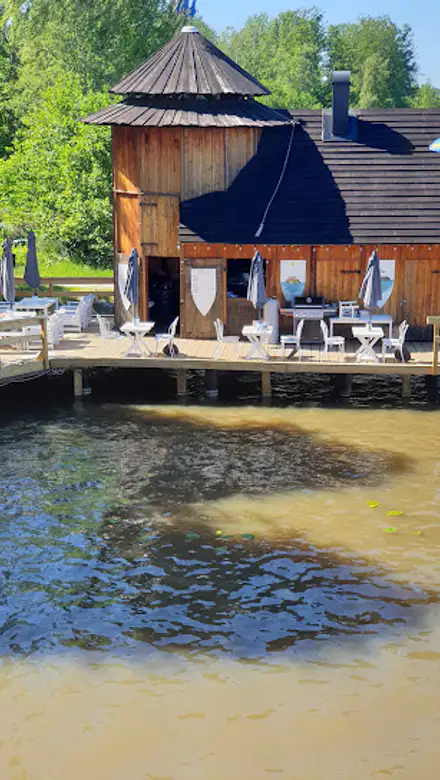
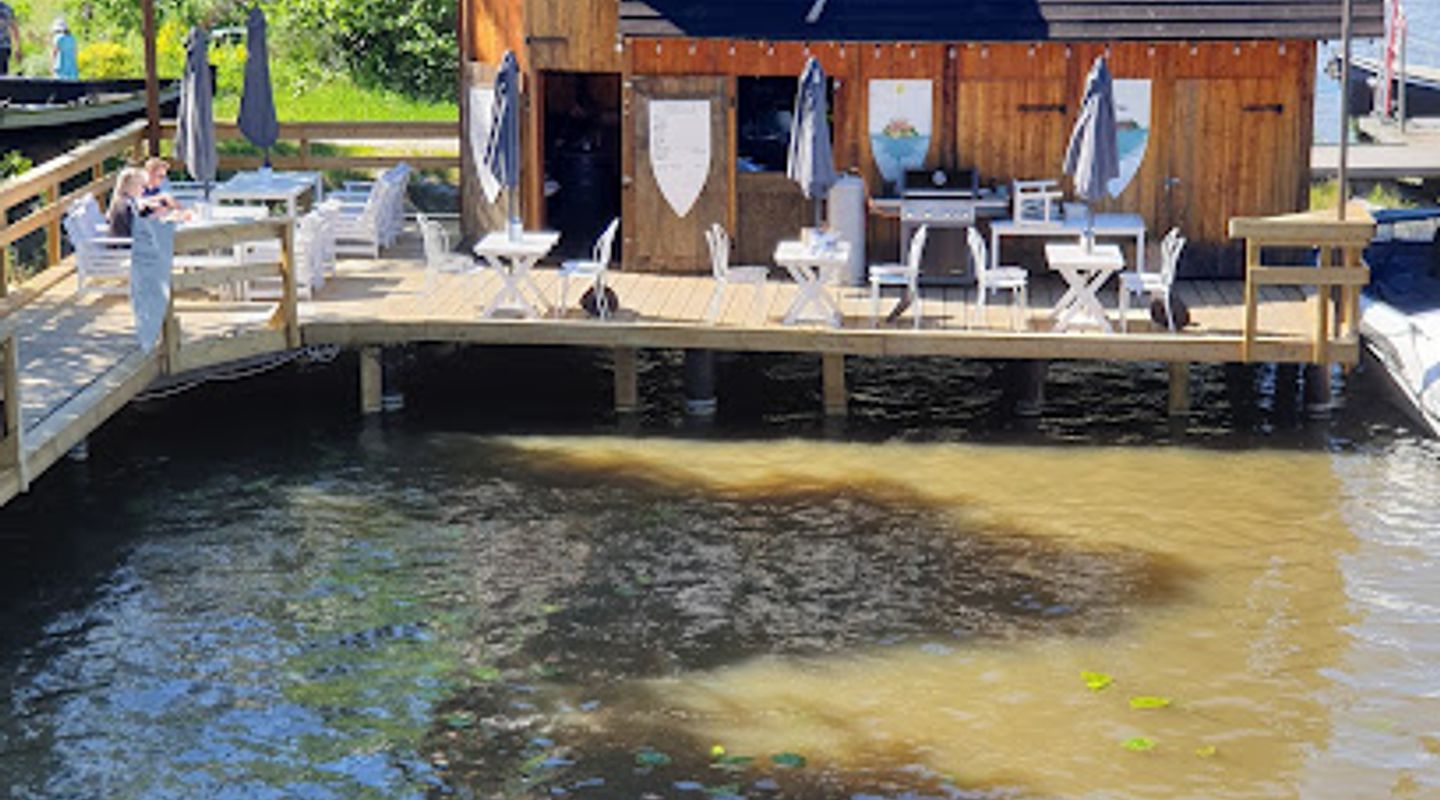
Frösåkers Brygga began as a private passion project and developed into Västerås’ floating maritime museum, anchored on a quiet stretch of Mälaren shoreline about two dozen kilometres east of Västerås city. The site has a low, intimate scale: a cluster of wooden piers, a modest beach and a handful of reconstructed shore buildings that frame the line of boats tied to the floats. On bright days the hulls and oars reflect in still water; when wind stirs the lake you hear the creak of timbers and the slap of small waves against planked sides.
Boats, replicas and living craft
The collection numbers more than twenty boats, a mix of carefully made replicas and traditional local craft. Long, narrow Viking-style hulls sit beside broader medieval and folk-boats; some vessels are fully functional and are occasionally sailed, while others remain moored for close study. The presence of working rigs, tarred ropes and hand-forged hardware reinforces the sense that these are not just static exhibits but an active seam of maritime craftsmanship preserved on the water.
Reconstructed buildings and hands-on demonstrations
Frösåkers Brygga uses small, purpose-built shore structures — a smithy, a simple bathhouse and workshop sheds — to contextualise the boats and techniques that kept coastal communities afloat. Craftspeople and volunteers periodically demonstrate woodworking, rope-making and traditional maintenance routines, turning technical skills into sensory experiences: the smell of coal and iron at the forge, the rasp of a plane on oak, the tactile heft of a hand-stitched seam.
Seasonal rhythms and visitor experience
The museum feels distinctly seasonal: quieter and more contemplative in early spring and late autumn, animated through summer when demonstrations, guided sails and the nearby café produce a steady stream of activity. The shore is informal — visitors wander the pontoons, peer into open hulls, run hands along varnished ribs and read simple interpretive panels that anchor each boat in a historical context. The small café serves locally made treats and ice cream, reinforcing the relaxed, family-friendly tone.
Cultural role and regional connections
As a privately run site with roots in local hospitality, the museum acts as a hub connecting Västerås’s maritime past to contemporary leisure on Mälaren. Its fleet and programs emphasise practical seafaring knowledge and regional craft traditions rather than large-scale museum interpretation: this is a place where the living practice of boat-building and sailing remains visible and audible, a compact but vivid window into centuries of inland-sea culture.
Practical character and notable details
Expect narrow boardwalks, a handful of shaded benches and many tactile focal points rather than expansive indoor galleries. The floating museum’s charm comes from small-scale authenticity: tarred lines coiled on cleats, carved figureheads, and the occasional scent of wood smoke from a demonstration. Photographers will find compelling close-up details of timbers and ironwork, while families appreciate the open, waterfront setting and the opportunity to see boats up close.
Evendo Review Centre
 Google
Guest reviews
Best time to go
Quietest: Jan, Feb & Mar · before 8am or from 8pm
Busy times are Evendo estimates for a typical year, to help you plan. Actual crowds vary with events, school holidays and the weather.
Explore Västerås historiska skeppsmuseum on the map
A handpicked selection of must-see spots near Västerås historiska skeppsmuseum, mapped for you.
Get your free copy of our complete guide to Västerås historiska skeppsmuseum, delivered straight to you.
Everything on this page, from opening hours and how to get there to Eve’s tips and the best time to go, in one PDF you can read offline, print or share.
Already have an account? Sign in
Your Västerås historiska skeppsmuseum guide is ready.
We'll send it to · Not you? Sign out

Getting your guide ready…
We are putting together a fresh copy of the Västerås historiska skeppsmuseum guide. This can take up to a minute.
This can take a few moments. If your browser asks, choose Allow so the download can start. You'll find the guide in your Downloads folder.
Nothing happened? Download it again
Sorry, the guide is taking longer than usual. Please try again in a minute, or get it by email instead.
Other nearby places you may find interesting
The closest places of the same kind, if this one is not quite what you had in mind.
-
-
-
-
-


Swipe for more places
More to explore near Västerås historiska skeppsmuseum
-
 Best experiences near Västerås historiska skeppsmuseum
-
 Best hotels near Västerås historiska skeppsmuseum
-
 Best landmarks near Västerås historiska skeppsmuseum
-
 Best attractions near Västerås historiska skeppsmuseum
-
 Best shops near Västerås historiska skeppsmuseum
-
 Best restaurants near Västerås historiska skeppsmuseum
-
 Best bars near Västerås historiska skeppsmuseum


Do you manage this location?
Take control to get all the benefits, like improved information, better appearance, and stronger visibility across AI-powered discovery.
Explore more

Explore more of Ångermanland
Discover Ångermanland: A blend of stunning natural landscapes, rich cultural heritage, and outdoor adventures in the heart of northern Sweden.
Explore Ångermanland
Explore more of Sweden
Discover Sweden's breathtaking landscapes, vibrant cities, and rich cultural heritage. From the Northern Lights to historic castles, experience the essence of Scandinavia.
Explore Sweden