

Linnés Råshults Stiftelse Travel Guide
Free Guide: Step into Carl Linnaeus's 18th-century Småland birthplace: a preserved cultural reserve of meadows, woods, historic farmstead, short trails, and garden café amid lakeside serenity.


A brief summary of Linnés Råshults Stiftelse
Step into Carl Linnaeus's 18th-century Småland birthplace: a preserved cultural reserve of meadows, woods, historic farmstead, short trails, and garden café amid lakeside serenity.
Linnés Råshult is the birthplace of Carl Linnaeus, father of modern taxonomy, preserved as a 42-hectare cultural reserve in rural Småland. Wander recreated 18th-century farm landscapes, explore the historic Linnéstugan, short walking trails, and enjoy a garden café with vegetarian buffets amid serene meadows and woods bordering Lake Såganässjön.
On-site amenities
 Restrooms
 Drink options
 Food options
 Drinking water
 Seating areas
 Trash bins
 Information boards
Opening hours
- MonClosed
- Tue9 am–4 pm
- Wed9 am–4 pm
- Thu9 am–4 pm
- Fri9 am–4 pm
- Sat9 am–4 pm
- Sun9 am–4 pm
Opening hours as listed on the venue’s Google Business Profile. Hours can change for services and special events, so check with the venue before you go.
- Address
- Råshult 78, 343 71 Diö
- Phone
- Website
Getting there
Car
Bus
Train
Bicycle
Discover more about Linnés Råshults Stiftelse
Birthplace of a Botanical Genius
Carl Linnaeus, born Carl Nilsson Linnæus in 1707, entered the world in the modest curate's residence at Råshult, a remote Småland farmstead. His father, Nils Linnaeus, served as komminister here, tending both flock and fields. Though the original 1705-1706 house burned around 1730, the current Linnéstugan—erected between 1751 and 1781—stands faithfully restored, evoking the simple timber-framed life of early 18th-century rural Sweden. Inside, sparse furnishings and peat-thatched roof transport visitors to an era of self-sufficient agrarian existence, where young Linnaeus first observed nature's intricate patterns.
Cultural Reserve's Living Landscape
Designated a cultural reserve in 2002 spanning 42 hectares, Linnés Råshult meticulously recreates the pre-industrial environment of Linnaeus's youth. Infields of small-scale arable plots, hay meadows, and wood pastures border Lake Såganässjön, revived using 1841 cadastral maps and Linnaeus's own travelogues from Öland, Gotland, and Skåne. Traditional wooden fences enclose grazing areas, while lin bast fields and mowing practices mimic 1700s farming. Managed by Stiftelsen Linnés Råshult since 1986, the site preserves all land types, buildings, and ancient remnants, offering a tangible window into sustainable pre-industrial husbandry.
Monuments and Memorial Paths
A striking 1866 monument by Carl Gustaf Qvarnström honors Linnaeus, positioned to greet passing trains on the Southern Main Line—a nod to 19th-century railway pilgrims. Curated paths weave through the reserve, detailed in the brochure 'Kulturstigarna i Råshult,' guiding explorations of farm environs, outlying woods, and lakeside edges. Three short hiking routes reveal botanical insights tied to Linnaeus's early studies, blending history with immersive nature walks amid wildflowers, ancient oaks, and seasonal shifts.
Garden Café Amidst Heritage Fields
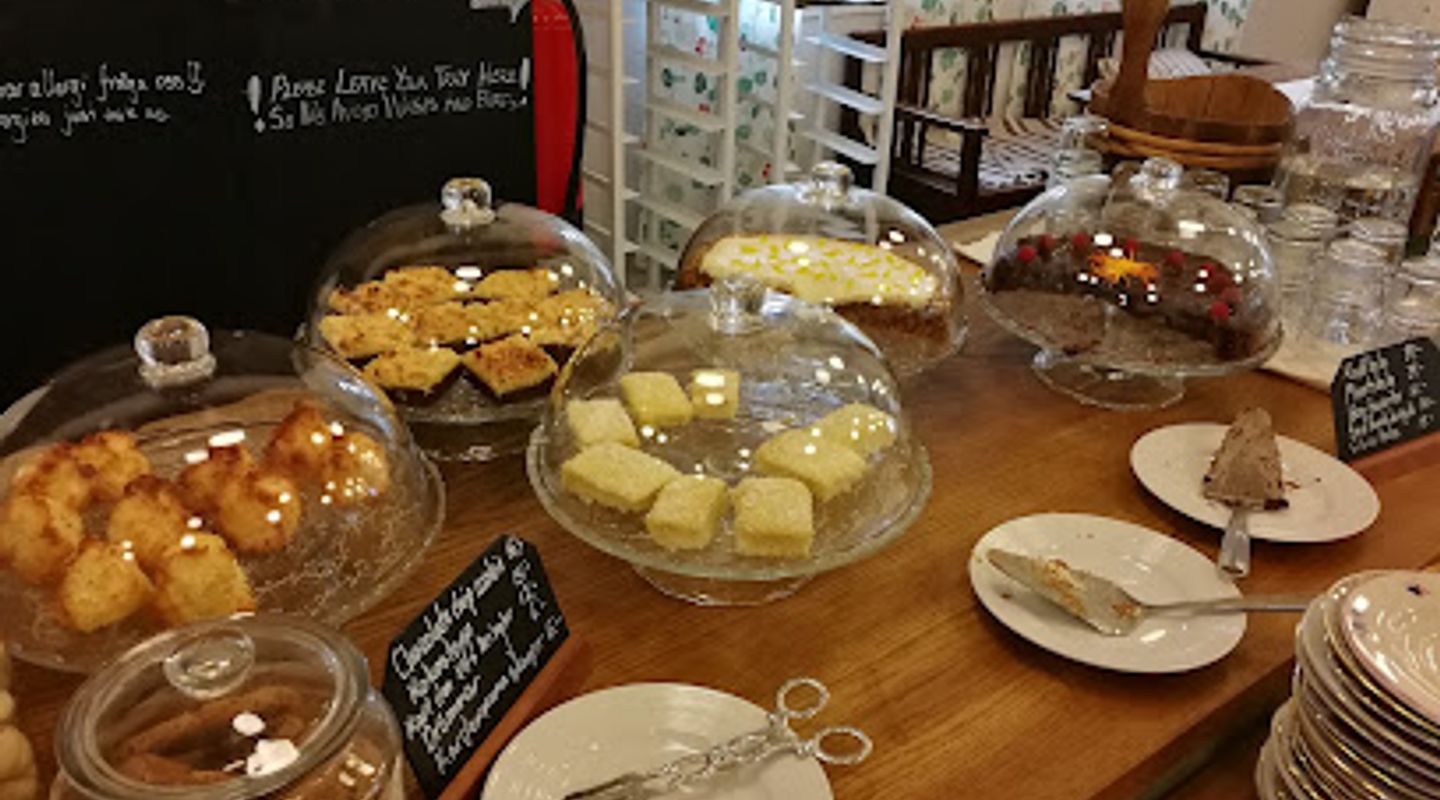
Nestled in blooming gardens showcasing Linnaean plant species, the on-site café serves seasonal vegetarian buffets crafted from local produce. Fresh salads, grain dishes, and herb-infused meals reflect Småland's wholesome traditions, perfect for picnics overlooking restored meadows. Open alongside the reserve from spring through autumn, it complements contemplative visits with nourishing, plant-based fare in a setting that echoes Linnaeus's lifelong botanical devotion.
Preservation Through Centuries
Local efforts shaped Råshult's legacy: the 1923 Hembygdsföreningen Linné renovated Linnéstugan into a museum by 1933, removing later additions for authenticity. 1950s initiatives revived meadows with lin bast and annual scything guilds; 1977 building protection followed. Post-2000, tenants Lena and Michael Michaelsson advanced landscape revival, earning Småland Academy's Linnaeus Prize in 2006. As a tentative World Heritage site in 'The Rise of Systematic Biology,' it links to global Linnaean networks.
Serene Småland Retreat
Råshult's tranquil isolation fosters reflection amid rustling grasses, bird calls, and lake breezes. Free roaming on paths invites sensory engagement with a landscape frozen in Linnaeus's time—no fires, tenting, or picking allowed to safeguard its fragile authenticity. This haven merges cultural heritage, botany, and rural poetry, drawing those seeking quiet communion with nature's classifier.
Evendo Review Centre
 Google
Guest reviews
Best time to go
Quietest: Jan, Feb & Mar · before 8am or from 5pm
Busy times are Evendo estimates for a typical year, to help you plan. Actual crowds vary with events, school holidays and the weather.
Explore Linnés Råshults Stiftelse on the map
A handpicked selection of must-see spots near Linnés Råshults Stiftelse, mapped for you.
Get your free copy of our complete guide to Linnés Råshults Stiftelse, delivered straight to you.
Everything on this page, from opening hours and how to get there to Eve’s tips and the best time to go, in one PDF you can read offline, print or share.
Already have an account? Sign in
Your Linnés Råshults Stiftelse guide is ready.
We'll send it to · Not you? Sign out

Getting your guide ready…
We are putting together a fresh copy of the Linnés Råshults Stiftelse guide. This can take up to a minute.
This can take a few moments. If your browser asks, choose Allow so the download can start. You'll find the guide in your Downloads folder.
Nothing happened? Download it again
Sorry, the guide is taking longer than usual. Please try again in a minute, or get it by email instead.
Other nearby places you may find interesting
The closest places of the same kind, if this one is not quite what you had in mind.
-
-
-

-
-


Swipe for more places
More to explore near Linnés Råshults Stiftelse
-
 Best experiences near Linnés Råshults Stiftelse
-
 Best hotels near Linnés Råshults Stiftelse
-
 Best landmarks near Linnés Råshults Stiftelse
-
 Best attractions near Linnés Råshults Stiftelse
-
 Best shops near Linnés Råshults Stiftelse
-
 Best restaurants near Linnés Råshults Stiftelse
-
 Best bars near Linnés Råshults Stiftelse


Do you manage this location?
Take control to get all the benefits, like improved information, better appearance, and stronger visibility across AI-powered discovery.
Explore more
Explore more of Blekinge
Discover Blekinge, Sweden's coastal gem, with its stunning archipelago, historic towns, lush nature reserves, and vibrant culinary scene.
Explore Blekinge
Explore more of Sweden
Discover Sweden's breathtaking landscapes, vibrant cities, and rich cultural heritage. From the Northern Lights to historic castles, experience the essence of Scandinavia.
Explore Sweden
