Free Blekinge Travel Guide & Mobile App
Explore Blekinge with free travel guides. Discover regional history, expert tips, proposed trips, and audio guides on web or mobile app.


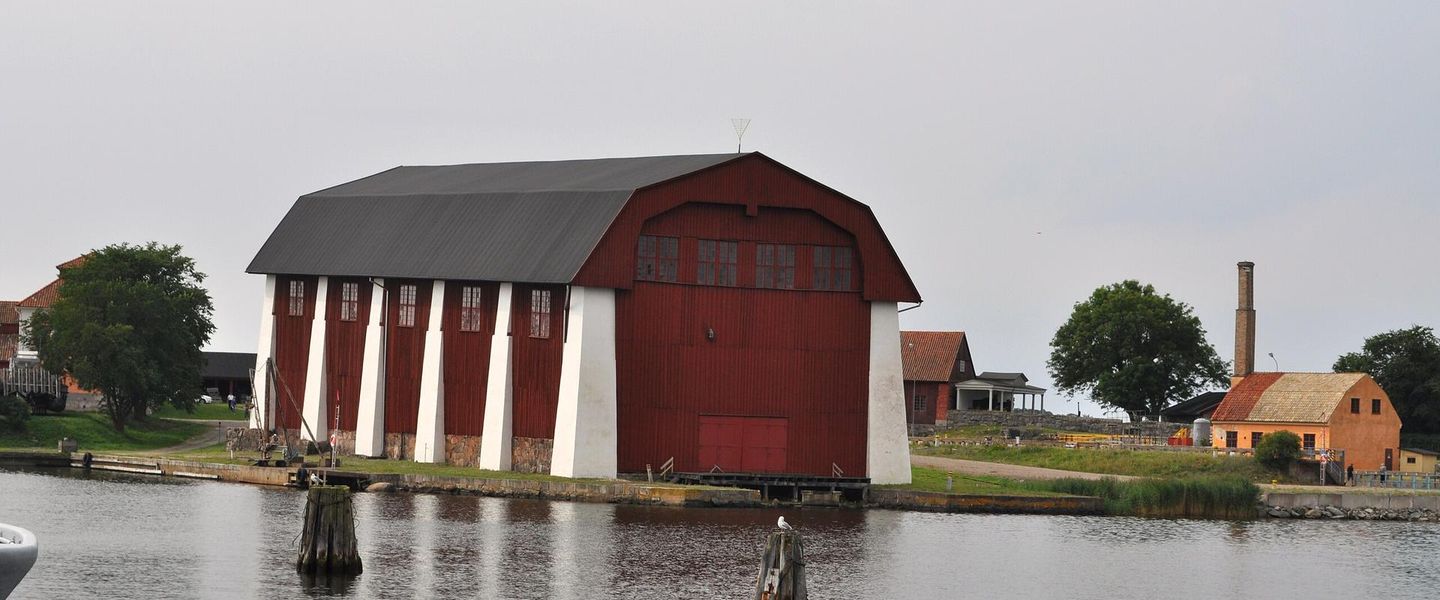


Explore Blekinge’s island-dotted coast, UNESCO-listed Karlskrona, historic ports, woodland lakes, salmon rivers and relaxed Baltic landscapes in southern Sweden.
Read more about Blekinge
When is the best time to visit Blekinge?
Best: June–August · 20–22°C| Month | High (°C) | Rainfall (mm) |
|---|---|---|
| January | 4 | 50 |
| February | 4 | 40 |
| March | 6 | 40 |
| April | 11 | 40 |
| May | 16 | 50 |
| June (best) | 20 | 60 |
| July (best) | 22 | 70 |
| August (best) | 21 | 70 |
| September | 18 | 60 |
| October | 12 | 60 |
| November | 6 | 60 |
| December | 4 | 60 |
Getting to and around Blekinge
How to get there
Transportation
Best attractions in Blekinge
Blekinge’s attractions combine maritime history with accessible countryside and island recreation. Karlskrona’s UNESCO-listed naval city and the Swedish National Maritime Museum provide the region’s clearest historical starting point, while boat services open up an archipelago of skerries, harbours and small islands. Karlshamn offers museums, waterfront heritage and routes towards islands such as Tjärö, while Ronneby is known for the leafy setting of Ronneby Brunn and its spa-era parkland. The coast west of Karlshamn becomes more open and agricultural around Listerlandet, with beaches, fishing communities and island excursions including Hanö. Inland, Olofström and the northern forest districts are suited to walking, canoeing and lakeside recreation. Anglers associate the Mörrum River with salmon fishing, subject to permits and seasonal rules. Museums, historic churches, gardens, nature reserves and small-town cultural venues add variety, but the attraction landscape is best understood as a collection of related experiences rather than one concentrated resort.
-
Outlet mall
Kosta Outlet
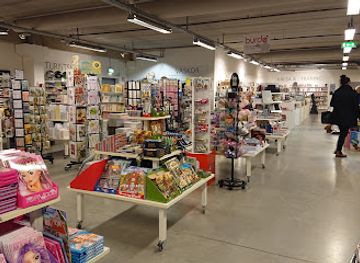
A compact, craft-flavoured outlet mall in the heart of Glasriket offering big-brand bargains, cafés and easy all-day shopping near Kosta’s glassworks.
-
Tourist attraction
Tropicarium Kolmarden
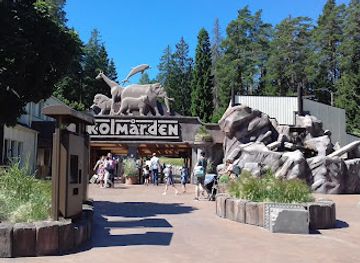
A compact, year-round tropical aquarium and rainforest walk with sharks, rays and primates beside Kolmården Wildlife Park.
-
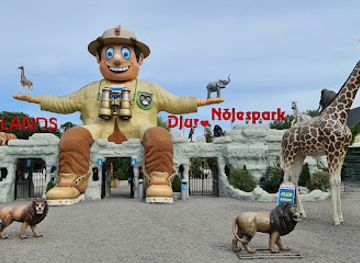
Öland Zoo and Amusement Park
A compact, family-friendly combo of zoo, amusement rides and waterpark on Öland — animals, slides and carnival charm in one place.
-
Restaurant
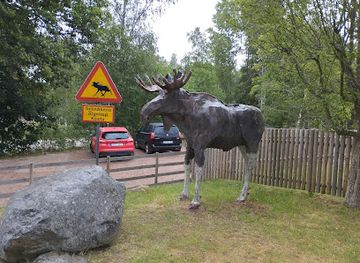
Grönåsens Älgpark
Wander Småland's forests to meet Sweden's moose royalty up close in this pioneering park of natural enclosures, feedings, and serene trails.
Best landmarks in Blekinge
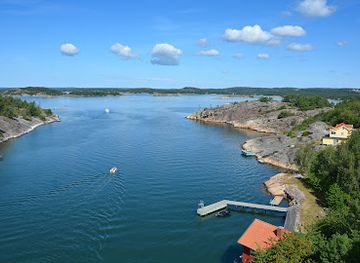
Karlskrona’s naval townscape is Blekinge’s most recognisable landmark ensemble. Its planned streets, historic churches, shipyard setting and defensive works across the islands express the ambitions of Sweden’s great Baltic naval power, and the whole setting is protected as a UNESCO World Heritage Site. The Admiralty Church and the monumental naval environment are especially important features of the city’s historic character. In western Blekinge, Sölvesborg Castle Hill marks the site of the medieval castle that once guarded the town, while the old town’s streets preserve its long role as a regional centre. Ronneby’s historic church and spa parkland represent a different strand of the county’s heritage, linked to religious history and nineteenth-century health tourism. Along the coast, the rocky islands, narrow channels and sea-facing viewpoints of the Blekinge archipelago form a natural landmark system rather than a single monument. Hanö’s open maritime setting and lighthouse landscape add another distinctive geographical marker, while the Mörrum River provides a living landmark associated with salmon, fishing and the county’s water-rich environment.
-
Restaurant
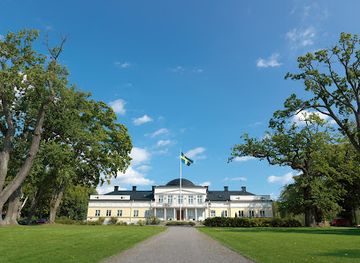
Gränsö castle
Historic manor reborn as seaside resort: spa serenity, castle gardens, and archipelago flavors await on Gränsö's enchanting peninsula.
-
 Restaurant
Slottshotellet Kalmar
Charming 1864 villa hotel in Kalmar's park district, steps from the castle, blending historic allure with garden serenity and castle views.
-
Cultural landmark
Linnés Råshults Stiftelse
Step into Carl Linnaeus's 18th-century Småland birthplace: a preserved cultural reserve of meadows, woods, historic farmstead, short trails, and garden café amid lakeside serenity.
-
Bridge
Tjörn Bridge
Elegant cable-stayed span linking mainland Sweden to Tjörn Island, born from tragedy, offering breathtaking archipelago views and resilient coastal engineering.
Explore Blekinge on the map
Plan your trip on one map. See where the top cities, national parks and sights are, and book hotels and experiences in a few clicks.
Best hotels in Blekinge
Best restaurants in Blekinge
Blekinge’s dining reflects its position between forest, farmland and the Baltic. Fish and seafood feature strongly in coastal towns, while local menus may also draw on game, mushrooms, berries and produce from the surrounding countryside. The region is particularly well suited to relaxed meals in harbour restaurants, traditional Swedish pubs, cafés and rural inns, alongside contemporary kitchens in Karlskrona, Karlshamn and other larger settlements. Smoked or preserved fish, seasonal vegetables and berry-based desserts fit naturally into the local food landscape, although many dishes are part of wider southern Swedish cuisine rather than exclusive Blekinge specialities. Coffee and pastries are an important part of the Swedish café tradition, and farm shops or seasonal markets can provide a direct taste of regional produce. In summer, coastal restaurants become busier, so smaller towns and island destinations may require more planning than an ordinary weekday meal in the larger centres.
-
Restaurant
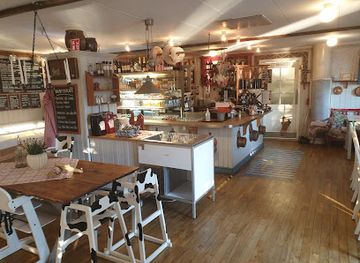
Tindered Lantkök
Charming E22 rest stop in Småland with lake-view dining, family playground, spa bliss, and EV charging—perfect for road trippers seeking authentic Swedish flavors and relaxation.
-
Restaurant
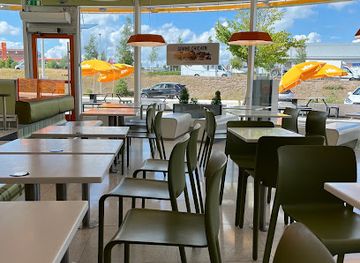
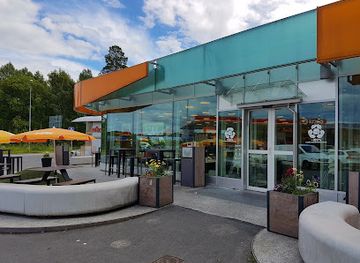
MAX
A familiar Swedish burger stop at Ljungbystopp — quick service, family friendly and with plant‑based options for travellers and locals.
-
Restaurant
Max Burgers
Sweden's sustainable burger haven: local beef, plant-based bites, and milkshakes in Täby's bustling suburbs—fast, fresh, and family-ready.
-
Restaurant
MAX Burgers
A Swedish fast‑food classic in Roslags‑Näsby — familiar burgers, plant‑based options and late‑night service in a practical, family‑friendly setting.
Best bars in Blekinge
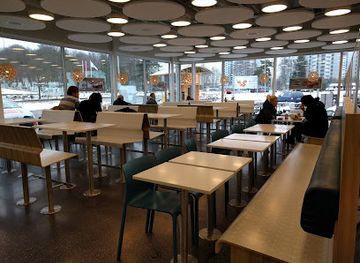
Evening life in Blekinge is centred on pubs, restaurants, cafés and live music rather than a large, continuous nightclub scene. Karlskrona and Karlshamn offer the broadest choice of bars and late venues, with seasonal activity increasing around their waterfronts and during the summer visitor period. Ronneby has a quieter evening character, combining restaurants, traditional pubs and cultural events, while Sölvesborg’s intimate town centre and festival calendar can bring additional activity at particular times of year. In rural districts and on the islands, evenings are more likely to involve a harbour meal, a local pub or a relaxed gathering than a dedicated club circuit. Opening arrangements and event programmes change frequently, so check locally. Breweries, bars and restaurants provide alternatives to nightlife focused solely on alcohol, and many visitors experience the region after dark through music, dining or a summer waterfront walk.
-
Rock music club
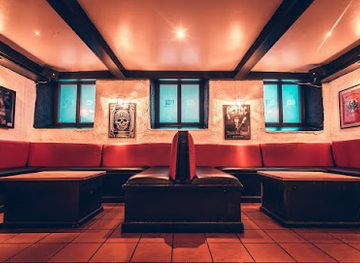
Rockbaren
Gothenburg's ultimate rock haven: live music, cold brews, and unyielding vibes where every night feels like a concert encore.
-
Live music bar
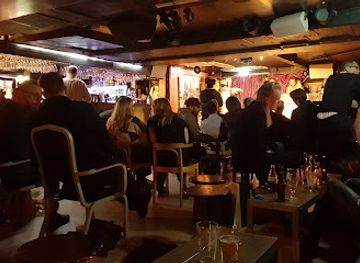
Bonden
A compact Södermalm bar with Afrobeat nights, close-up live sound and a friendly, local atmosphere for late-evening music.
-
Bar
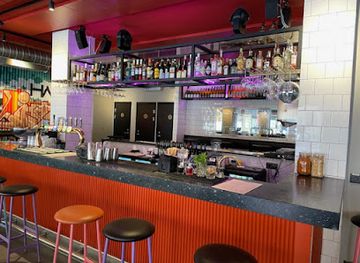
Haket
Stockholm's go-to spot where sports cheers meet karaoke highs, cocktails flow, and pizzas satisfy in Södermalm's electric vibe.
Best nightclubs in Blekinge
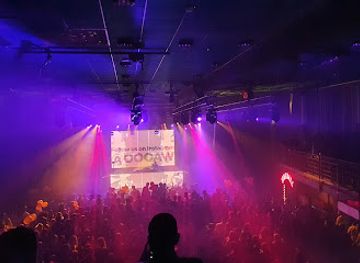
Evening life in Blekinge is centred on pubs, restaurants, cafés and live music rather than a large, continuous nightclub scene. Karlskrona and Karlshamn offer the broadest choice of bars and late venues, with seasonal activity increasing around their waterfronts and during the summer visitor period. Ronneby has a quieter evening character, combining restaurants, traditional pubs and cultural events, while Sölvesborg’s intimate town centre and festival calendar can bring additional activity at particular times of year. In rural districts and on the islands, evenings are more likely to involve a harbour meal, a local pub or a relaxed gathering than a dedicated club circuit. Opening arrangements and event programmes change frequently, so check locally. Breweries, bars and restaurants provide alternatives to nightlife focused solely on alcohol, and many visitors experience the region after dark through music, dining or a summer waterfront walk.
-
Night club
Trädgår'n
A flexible concert hall, nightclub and restaurant with a lively terrace—Gothenburg’s go‑to spot for music, clubs and seasonal beer‑garden nights.
-
Night club
Park Lane
Göteborg's electrifying krogshow and nightclub fusion: live performances, dinner delights, and all-night dancing on vibrant Avenyn.
-
Night club
Baras ställe - Restaurang & Nattklubb på Södermalm
A compact Södermalm hangout that serves casual meals by night and becomes a late-night club for DJs and dancing.
-
Night club
Café Opera
A theatrical, stylish nightclub and events venue inside Stockholm’s opera complex, blending 19th-century grandeur with late-night energy.


Best shops in Blekinge
Shopping in Blekinge is concentrated in the high streets and waterfront areas of Karlskrona, Karlshamn, Ronneby and Sölvesborg, where independent retailers sit alongside ordinary Swedish chains and practical services. Karlskrona combines everyday shopping with design, books, galleries and maritime-themed products in a historic urban setting, while Karlshamn and Sölvesborg offer smaller-scale town-centre browsing. Olofström is primarily a local service and shopping centre rather than a destination for luxury retail. Farm shops, seasonal markets and food producers are useful places to look for berries, preserves, bread, smoked fish and other regional products. Craft shops and galleries may feature ceramics, textiles, woodwork and Baltic-inspired art, although stock varies by season. On islands and at smaller coastal harbours, retail is limited and often seasonal, so buy essentials in the larger towns before setting out. Swedish design goods and outdoor equipment are practical souvenirs that fit the region’s maritime and woodland character.
-
Furniture store
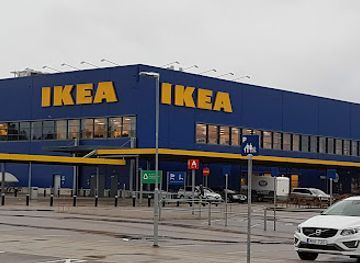
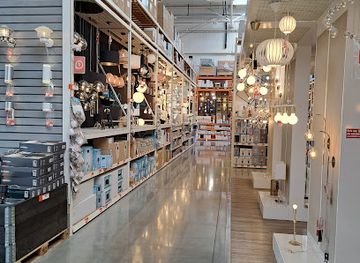
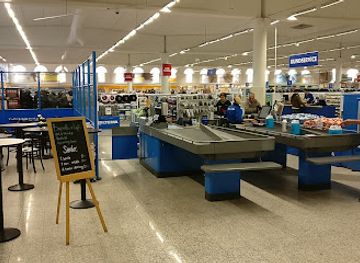
IKEA Älmhult
The full-range IKEA store in the brand’s birthplace — showrooms, Market Hall, restaurant and Click & Collect in Älmhult, Småland.
-
Building materials store
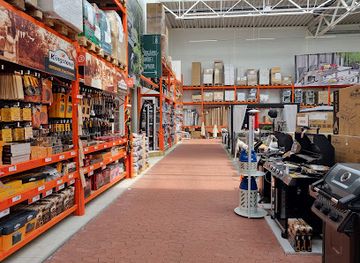
BAUHAUS Upplands Väsby
A large, trade‑focused building‑materials and garden warehouse in Upplands Väsby offering tools, timber, paint and practical services for DIY and pro projects.
-
Department store
Biltema Uppsala
Uppsala's ultimate department store for tools, auto parts, home fixes, and hobbies—all at unbeatable prices in one massive, shopper-friendly space.
-
Building materials store
BAUHAUS Växjö
A warehouse-style building supplies and home-improvement megastore serving Växjö tradespeople and DIYers with broad stock and practical services.
Get your free copy of our complete guide to Blekinge, delivered straight to you.
Everything on this page, from attractions and restaurants to essentials and local phrases, in one PDF you can read offline, print or share.
Already have an account? Sign in
Your Blekinge guide is ready.
We'll send it to · Not you? Sign out

Getting your guide ready…
We are putting together a fresh copy of the Blekinge guide. This can take up to a minute.
This can take a few moments. If your browser asks, choose Allow so the download can start. You'll find the guide in your Downloads folder.
Nothing happened? Download it again
Sorry, the guide is taking longer than usual. Please try again in a minute, or get it by email instead.
Blekinge essentials
Currency and Payment
Safety
Emergency Situations
Do's and Don'ts
Local Tips
From Eve
Local phrases worth knowing
You don't need to get them perfect. A few words go a long way, and locals appreciate the effort.
Basics
| English | Local | Say it |
|---|---|---|
| Hello | Hej | [hey] |
| Goodbye | Hejdå | [hay-daw] |
| Yes | Ja | [yah] |
| No | Nej | [nay] |
| Please/You're welcome | Snälla/Tack så mycket | [snel-la/tahk so myek] |
| Thank you | Tack | [tahk] |
| Excuse me/Sorry | Ursäkta/Mitt fel | [oor-sek-ta/mitt fel] |
| How are you? | Hur mår du? | [hoor mohr doo] |
| Fine. And you? | Bra. Och du? | [bra. okh doo] |
| Do you speak English? | Talar du engelska? | [tah-lar doo eng-el-ska] |
| I don't understand | Jag förstår inte | [yahg fur-stor in-teh] |
Eating & Drinking
| English | Local | Say it |
|---|---|---|
| I'd like to see the menu, please | Jag skulle vilja se menyn, snälla | [yahg skool-leh vil-yah seh me-nyn, snel-la] |
| I don't eat meat | Jag äter inte kött | [yahg eh-ter in-teh shutt] |
| Cheers! | Skål! | [skawl] |
| I would like to pay, please | Jag skulle vilja betala, snälla | [yahg skool-leh vil-yah beh-tah-lah, snel-la] |
Emergencies
| English | Local | Say it |
|---|---|---|
| Help! | Hjälp! | [yelp] |
| Go away! | Gå bort! | [goh bort] |
| Call the Police! | Ring polisen! | [ring poh-lees-en] |
| Call a doctor! | Ring en doktor! | [ring en dok-tor] |
| I'm lost | Jag är vilse | [yahg air vil-seh] |
| I'm ill | Jag är sjuk | [yahg air shoo-k] |
Shopping
| English | Local | Say it |
|---|---|---|
| I'd like to buy... | Jag skulle vilja köpa... | [yahg skool-leh vil-yah shur-pah] |
| I'm just looking | Jag tittar bara | [yahg tit-tar bar-ah] |
| How much is it? | Hur mycket kostar det? | [hoor mye-ket koh-star deh] |
| That's too expensive | Det är för dyrt | [deht air fur deer-t] |
| Can you lower the price? | Kan du sänka priset? | [kahn doo sang-kah pree-set] |
Time & Numbers
| English | Local | Say it |
|---|---|---|
| What time is it? | Vad är klockan? | [vahd air kloh-kahn] |
| It's one o'clock | Klockan är ett | [kloh-kahn air eht] |
| Half past (10) | Halv elva | [halv el-vah] |
| Morning | Morgon | [mor-gon] |
| Afternoon | Eftermiddag | [ef-ter-mid-dahg] |
| Evening | Kväll | [kvel] |
| Yesterday | Igår | [ee-gor] |
| Today | Idag | [ee-dahg] |
| Tomorrow | Imorgon | [ee-mor-gon] |
| 1 | 1 | [1] |
| 2 | 2 | [2] |
| 3 | 3 | [3] |
| 4 | 4 | [4] |
| 5 | 5 | [5] |
| 6 | 6 | [6] |
| 7 | 7 | [7] |
| 8 | 8 | [8] |
| 9 | 9 | [9] |
| 10 | 10 | [10] |
Transport & Directions
| English | Local | Say it |
|---|---|---|
| Where's a/the...? | Var ligger en...? | [var lig-ger en] |
| What's the address? | Vad är adressen? | [vahd air a-dres-sen] |
| Can you show me (on the map)? | Kan du visa mig (på kartan)? | [kahn doo vee-sah may (poh kar-tan)] |
| When's the next (bus)? | När går nästa (buss)? | [nair gohr nes-ta (boos)] |
| A ticket (to ....) | En biljett (till....) | [en bil-yett (til)] |
History of Blekinge
Early settlement and the Danish borderland
Blekinge has been inhabited since prehistoric times, with archaeological evidence of early farming, coastal settlement and long-distance exchange. During the Viking Age and medieval period, the region formed part of the Danish sphere and occupied a strategically important position between Scania, Småland and the Baltic. Medieval churches, burial sites and historic settlement patterns reflect a landscape shaped by agriculture, seafaring and shifting political connections. Its coastal location brought trade and communication, but also made the area vulnerable to raids and military conflict.
Medieval towns and Danish rule
Medieval Blekinge developed around farming communities, ports and market places linked to the Danish kingdom. Sölvesborg grew beneath its castle, while the settlements around Ronneby and the coast participated in regional trade. The province’s churches preserve important evidence of medieval organisation and religious life. Blekinge’s position on a contested frontier meant that political authority was not merely abstract: taxes, fortifications and military campaigns affected coastal towns and rural communities alike.
The transition to Swedish rule in 1658
The Treaty of Roskilde in 1658 transferred Blekinge, together with other eastern Danish territories, to Sweden. This was a major political transformation, although everyday language, customs and economic links did not change overnight. Sweden gradually integrated the province through administration, military planning and settlement policy. The borderland legacy remains visible in the region’s architecture, historic churches and cultural connections with southern Scandinavia, while the later Swedish naval presence gave Blekinge a new strategic role.
The foundation of Karlskrona and the naval base
Karlskrona was founded in 1680 under King Charles XI as Sweden developed a permanent naval base in the Baltic. Its island location offered a defensible harbour, and the new city was laid out with naval yards, barracks, churches, fortifications and administrative buildings. The naval base became the principal engine of Karlskrona’s growth and continues to shape the city’s identity. Its exceptionally well-preserved military and civic townscape was inscribed as a UNESCO World Heritage Site in 1998.
Ports, shipping and coastal commerce
Karlshamn, Ronneby, Karlskrona and smaller coastal communities developed through shipping, fishing, timber exports and trade. Karlshamn in particular became an important port, with merchants and industries connected to the Baltic and wider European markets. Coastal commerce linked Blekinge’s forests and farms to overseas demand, while harbours supported both ordinary trade and naval activity. Historic warehouses, streets and waterfront settings still convey the economic importance of maritime exchange.
Industrialisation and the working landscape
From the nineteenth century onwards, Blekinge’s economy broadened beyond farming and seafaring. Timber, woodworking, food processing, engineering and manufacturing became important, especially where forests, waterways and improved transport provided resources and connections. Olofström developed a particularly strong industrial identity, while the ports handled raw materials and finished goods. Industrialisation altered settlement patterns and employment, creating the mixture of manufacturing towns, agricultural districts and maritime communities that characterises the county today.
Modern heritage, recreation and environmental care
During the twentieth and twenty-first centuries, Blekinge’s naval, industrial and maritime past increasingly became part of its visitor economy. Museums, heritage sites and protected landscapes interpret the region’s history, while the archipelago, lakes and forests support boating, walking, cycling and fishing. Conservation has become especially important in coastal habitats and island environments. Blekinge’s contemporary identity therefore combines active industries and living communities with careful stewardship of historic places and distinctive Baltic landscapes.
Blekinge in Photos
Browse through our photo collection highlighting the charm and character of the destination.
Neighbouring regions of Blekinge
The closest regions to Blekinge, if you have time for more than one.
-

-

-

-

-


Swipe for more regions