Huseby Bruk, Smaland Travel Guide
Step into preserved 19th-century Sweden at this ironworks estate, where grand manor salons, blooming heritage gardens, and artisan crafts whisper tales of 300 years of industry amid Småland's serene landscapes.
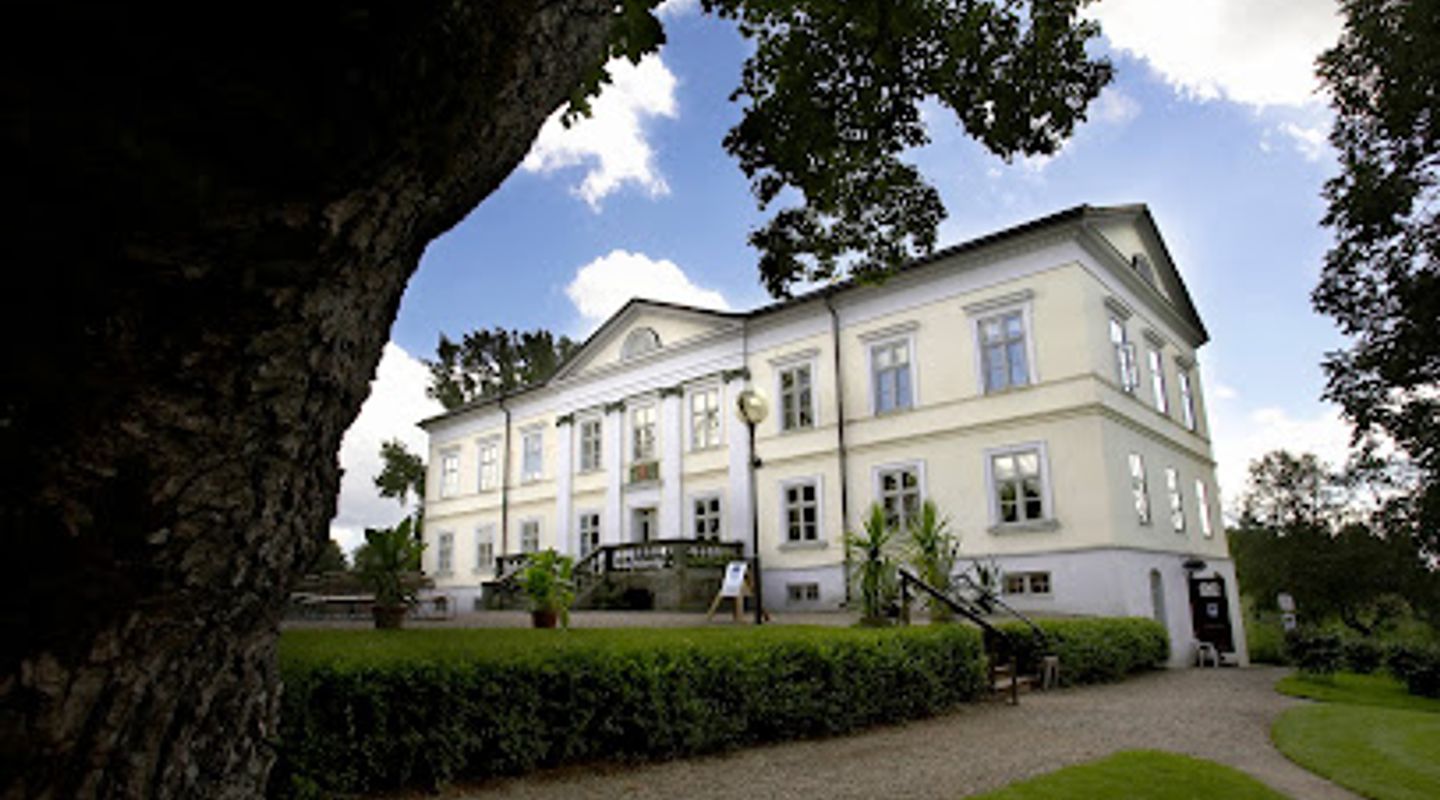
Huseby Bruk is a remarkably preserved 19th-century ironworks estate in Småland, Sweden, featuring a grand manor house, productive kitchen gardens, artisan workshops, and historic buildings that evoke life from the industrial era. Once a hub for iron production spanning over 300 years, it now serves as a living museum with guided manor tours, craft demonstrations, and scenic nature trails around the adjacent Husebymaden nature reserve.
A brief summary to Huseby Bruk
- Gamla Smedjan, Grimslöv, Grimslöv, 342 55, SE
- Click to display
- Click to display
- Duration: 1.5 to 4 hours
- Budget
-
 Outdoor
- Mobile reception: 4 out of 5
- Monday 11 am-5 pm
- Tuesday 11 am-5 pm
- Wednesday 11 am-5 pm
- Thursday 11 am-5 pm
- Friday 11 am-5 pm
- Saturday 11 am-5 pm
- Sunday 11 am-5 pm

Know before you go
Hi, I'm Eve. Here are a few practical things to know before exploring Huseby Bruk.
- Time your visit for summer manor tours to explore Florence Stephens' preserved salons filled with period furnishings and personal artifacts.
- Stroll the kitchen garden early morning when dew clings to herbs and flowers, offering the best light for photos and quiet reflection.
- Watch live craft demonstrations at the workshops, where blacksmiths and weavers recreate techniques from the ironworks era.
- Bring binoculars for birdwatching along Husebymaden trails, especially at dawn or dusk when migratory species are active.
Do you manage this location?
Take control to get all the benefits, like improved information, better appearance, and stronger visibility across AI-powered discovery. Learn more about listing your business on Evendo
Activate your presenceOther nearby places you may find interesting
The closest places of the same kind, if this one is not quite what you had in mind.

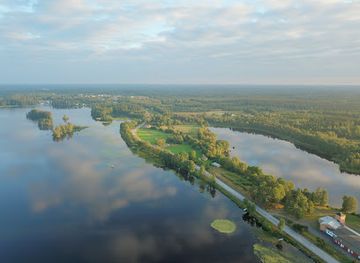
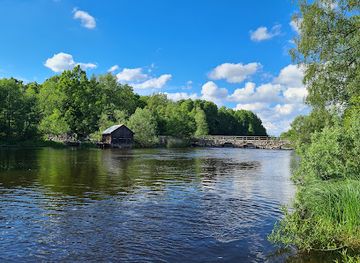
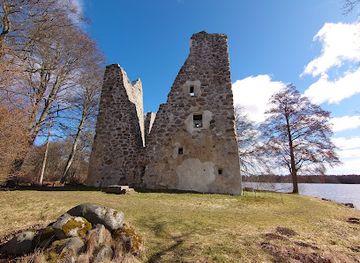
Explore Huseby Bruk on the Map
A handpicked selection of must-see spots near Huseby Bruk, mapped for you.
Getting There
-
Car
Drive from Växjö, 45-55 minutes via Route 25 and local roads; free parking available on-site, though spaces fill during peak summer weekends.
-
Bus
Take Länstrafiken bus 215 from Växjö central station to Grimslöv, 50-60 minutes, then walk 2 km along paved paths; services run hourly on weekdays, SEK 50-80 one-way.
-
Taxi
Taxi from Växjö airport or city center, 40-50 minutes depending on traffic; reliable for groups, SEK 800-1200 total fare.
-
Bicycle
Cycle from Växjö on designated bike routes, 1.5-2 hours over gentle terrain; bike racks on-site, suitable May-September.
For the on-the-go comforts that matter to you
-
 Restrooms
-
 Drink Options
-
 Food Options
-
 Seating Areas
-
 Trash Bins
-
 Information Boards
-
 Visitor Center
Discover more about Huseby Bruk
Origins in Iron and Royal Legacy
In the early 17th century, Huseby transformed from a modest farming village into a vital ironworks when King Gustav II Adolf granted the land to his half-brother, Admiral Karl Karlsson Gyllenhielm. Established in 1629, the bruk utilized local lake ore, abundant forests for charcoal, and nearby waters for power, producing cannons and distinctive tiled stoves known as sättugnar for over two centuries. This marked the beginning of 301 years of iron manufacturing that shaped the site's enduring character.Hamilton Era and Architectural Splendor
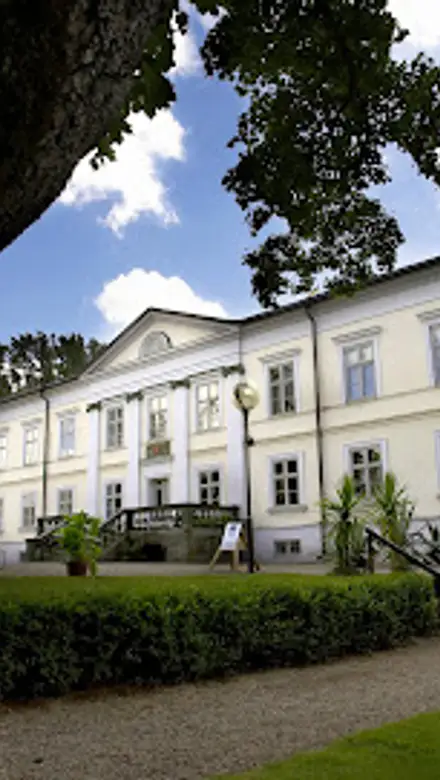
The 19th century brought prosperity under the Hamilton family, particularly brothers Hugo and Malcolm, who constructed the imposing manor house in 1844. Surrounding it, they restored and built many of the red-painted wooden structures still standing today, creating a cohesive bruksmiljö that exemplifies Småland's industrial heritage. The estate expanded into a self-sufficient unit, blending agriculture, forestry, and metalwork in harmonious efficiency.Florence Stephens and Preservation Vision
British industrialist Joseph Stephens acquired the property in the late 1800s, elevating it to peak elegance. His daughter Florence, the last private owner, lived there until 1979, maintaining the interiors as a snapshot of upper-class life around 1900. Testamented to the Swedish state, her wish ensured the estate remained a model farm while preserving buildings to reflect that bygone era. Since 1994, Statens fastighetsverk has overseen meticulous restorations.Revived Kitchen and Fruit Gardens
The late-19th-century kitchen garden, once a productive haven, has been revitalized with fruit trees, berry bushes, vibrant flower beds, and vegetable plots based on 1950s plans. Visitors wander espaliered walls and orderly parterres, inhaling scents of ripening apples and fresh herbs amid buzzing bees. These gardens not only beautify but demonstrate sustainable horticulture from the period.Crafts, Museum, and Living Heritage
Today, Huseby thrives as a vibrant hub where artisans practice traditional crafts like blacksmithing and weaving alongside museums detailing iron production history. The manor opens for summer tours revealing opulent salons, while year-round activities include workshops and markets. Encircling the core, 2,123 hectares of farmland, forest, and the Husebymaden nature reserve offer strövstigar trails and birdwatching towers for serene exploration.Nature Reserve and Broader Estate
Designated in 1998, Husebymaden provides a tranquil wetland contrast to the structured bruk, rich in birdlife and wildflowers. The estate's leased farm sustains dairy and beef production in modernized barns, upholding Florence's agricultural legacy. Classified as a state building monument since 1993, Huseby stands as one of southern Sweden's most intact industrial environments.












Your all‑in‑one travel companion app
Explore expert travel guides, compare and book tours, experiences, hotels, and more—all from the palm of your hand. Download now for seamless trip planning wherever your wanderlust takes you.


Explore More of Smaland
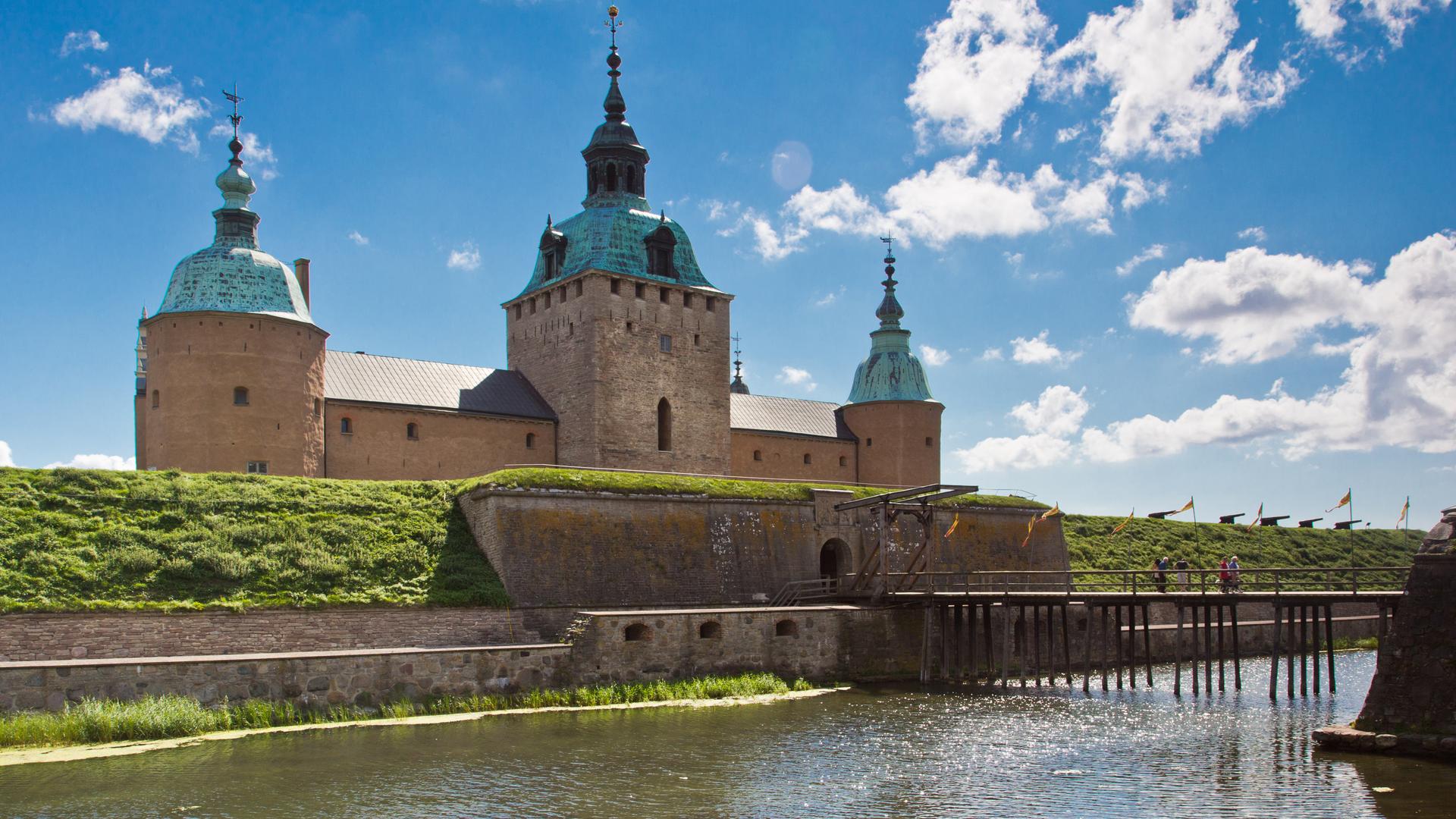
Looking beyond Huseby Bruk? Discover Smaland for broader travel guides, local hot-spots, and regional highlights.
Explore Smaland