Backa Rock Carvings, Bohuslan Travel Guide
Sweden's densest Bronze Age petroglyphs: 600+ ships, chariots, and the axe-wielding Shoemaker etched along a sacred inland path.
Nestled along a quiet village road in Brastad, the Backa Rock Carvings form one of Sweden's densest concentrations of Bronze Age petroglyphs. Over 600 intricate motifs etched into 32 rock surfaces span about a kilometer, featuring ships, chariots, sun symbols, footprints, and enigmatic human figures. The standout 'Shoemaker'—a 1.5-meter-tall warrior clutching an axe—anchors this sacred prehistoric site, elevated 43 meters above the sea on exposed granite outcrops. These 3,000-year-old carvings reveal a vibrant ritual landscape far from the shore, hinting at ancient ceremonies, status symbols, and spiritual beliefs of Nordic Bronze Age people.
A brief summary to Backa Rock Carvings
- Backavägen, Brastad, 454 91, SE
- Click to display
- Duration: 0.5 to 2 hours
- Free
-
 Outdoor
- Mobile reception: 4 out of 5

Know before you go
Hi, I'm Eve. Here are a few practical things to know before exploring Backa Rock Carvings.
- Approach from the north to first encounter the iconic Shoemaker; trace the Via Sacra southward for the full sequence of panels.
- Visit in morning light when low sun angles highlight faint cup marks and ship details on east-facing rocks.
- Look for footprints and sun wheels clustered together, hinting at ritual processions or celestial alignments.
- Bring a rubbing kit or sketchpad—the smooth granite yields clear impressions of finer lines.
Do you manage this location?
Take control to get all the benefits, like improved information, better appearance, and stronger visibility across AI-powered discovery. Learn more about listing your business on Evendo
Activate your presenceOther nearby places you may find interesting
The closest places of the same kind, if this one is not quite what you had in mind.
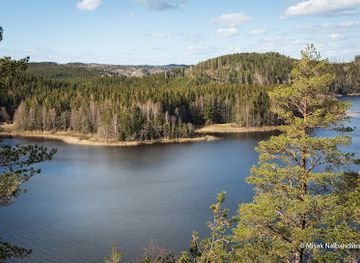
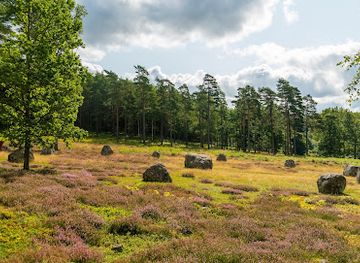
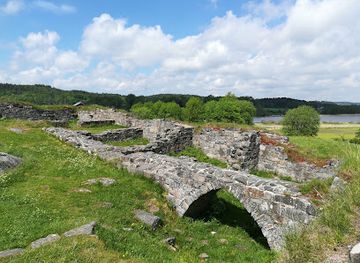
Explore Backa Rock Carvings on the Map
A handpicked selection of must-see spots near Backa Rock Carvings, mapped for you.
Getting There
-
Car
Drive from Lysekil center, 40-50 minutes via Route 174 through Brastad; limited roadside parking at Backavägen trailhead, free but fills on weekends.
-
Bus
Västtrafik bus 985 from Lysekil to Brastad center, 50-60 minutes, then 20-minute uphill walk on paved road; SEK 40-60 one-way, hourly services peak daytime.
-
Taxi
Taxi from Lysekil or Uddevalla, 35-45 minutes direct; SEK 600-800 depending on group size, book ahead for rural pickup.
-
Walk
From Brastad harbor, 25-35 minute uphill trek on Backavägen; moderate incline, gravel sections, suitable for sturdy shoes but not strollers.
For the on-the-go comforts that matter to you
-
 Information Boards
-
 Trash Bins
-
 Drinking Water
-
 Seating Areas
Discover more about Backa Rock Carvings
Ancient Etchings on Granite Slabs
The Backa Rock Carvings emerge from smooth granite surfaces along the old village road known as Via Sacra, the 'sacred way.' Spanning roughly a kilometer, these 32 exposed rock panels hold over 600 petroglyphs from the Nordic Bronze Age, roughly 1700–500 BC. Unlike typical coastal sites, Backa's elevated position at 43 meters above sea level sets it apart, suggesting inland rituals rather than maritime ones. The carvings' inland locale challenges assumptions about petroglyph placement, pointing to a mountain-footed sanctuary for communal gatherings.The Enigmatic Shoemaker Figure
Dominating the northern end stands the 'Shoemaker,' a commanding 1.5-meter male figure with an axe raised high. First documented in 1627 by Norwegian scholar Peder Alfsön—who sketched it as a woman—this carving ignited Scandinavian petroglyph research. Likely symbolizing a weather god akin to later Thor, the Shoemaker's axe evokes power and thunder. Debates swirl over its shoemaker label; the tool's shape may mimic a last, but its warrior stance suggests elite status or divine authority in Bronze Age lore.Ships, Chariots, and Celestial Symbols
Fleets of ships dominate the motifs, their elongated hulls and prows capturing Bronze Age seafaring prowess despite the site's distance from water. Horse-drawn chariots, rare status symbols of the elite, rumble across panels alongside sun wheels—bronze discs representing solar deities or seasonal cycles. Footprints trace ritual paths, while cup marks punctuate the rocks, possibly for offerings. These elements weave a tapestry of cosmology, navigation, and hierarchy etched into stone for eternity.Ritual Heart of Stångenäset Peninsula
Backa likely served as a religious hub during the Late Bronze Age, drawing pilgrims along the sacred road for festivals marking solstices or harvests. The density and variety imply organized ceremonies, perhaps initiations or communal rites. Nearby carvings depict sword-wielders and violence, including Scandinavia's earliest known manslaughter scene, underscoring themes of conflict and heroism. New discoveries continue, revealing bronze swords at full scale and unique ships, enriching Bohuslän's prehistoric narrative.Preserved Legacy Amid Bohuslän's Landscape
Protected granite slabs gleam under Bohuslän's coastal light, their patina deepened by millennia. The site's persistence—untouched by the sea's rise—preserves a window into esoteric knowledge, possibly linked to warrior-trader networks spanning Scandinavia. Today, the carvings invite contemplation of ancient minds who transformed rock into storytelling canvas, blending art, myth, and memory in this serene Swedish enclave.












Your all‑in‑one travel companion app
Explore expert travel guides, compare and book tours, experiences, hotels, and more—all from the palm of your hand. Download now for seamless trip planning wherever your wanderlust takes you.


Explore More of Bohuslan

Looking beyond Backa Rock Carvings? Discover Bohuslan for broader travel guides, local hot-spots, and regional highlights.
Explore Bohuslan
Preserve the whispers of Bronze Age seafarers at the heart of UNESCO's Tanum petroglyphs, where ships sail eternally on sacred stones.
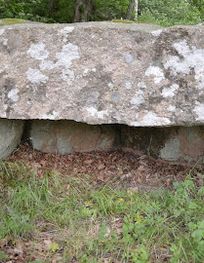
A compact Neolithic passage grave on the Bohuslän coast — weathered stones and a low barrow that mark 4–5 millennia of coastal ritual and memory.