

Glose Altare Travel Guide
Free Guide: A compact Neolithic passage grave on the Bohuslän coast — weathered stones and a low barrow that mark 4–5 millennia of coastal ritual and memory.


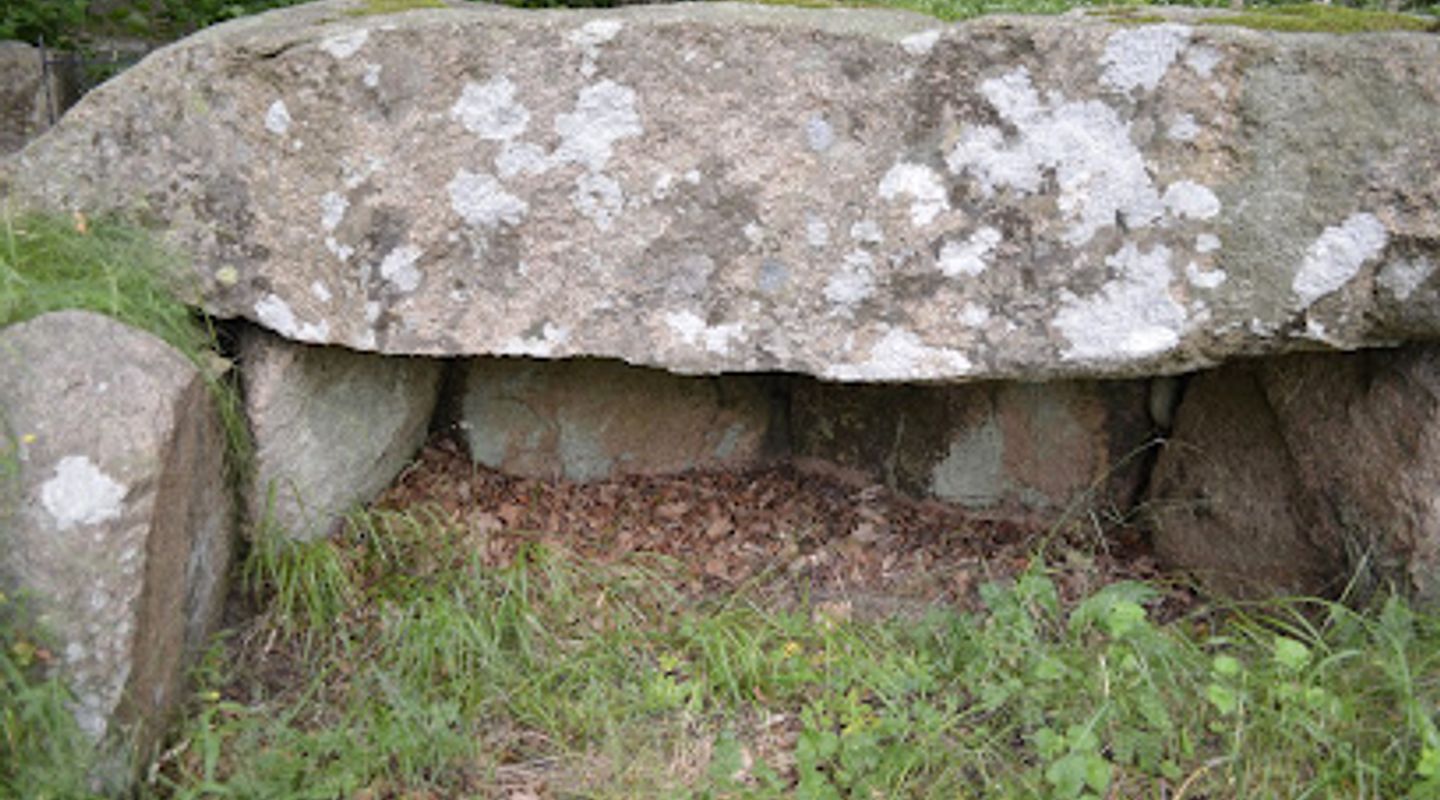
A brief summary of Glose Altare
A compact Neolithic passage grave on the Bohuslän coast — weathered stones and a low barrow that mark 4–5 millennia of coastal ritual and memory.
Glose Altare is a prehistoric stone chamber—locally named an “altar”—set on the Bohuslän coast near Hunnebostrand; a compact passage-grave monument dating to the late Neolithic, its partly buried stones sit within low turf and tell of funerary rites, sea levels and ritual landscapes from some 4–5 millennia ago. The site is quietly atmospheric, best seen close-up for its stonework, engraved contexts nearby, and coastal setting.
On-site amenities
 Seating areas
 Information boards
 Trash bins
Opening hours
- Every dayOpen 24 hours
Opening hours as listed on the venue’s Google Business Profile. Hours can change for services and special events, so check with the venue before you go.
- Address
- Sotenäs S
- Website
Getting there
Public bus or regional bus
Car (self-drive)
Walking from a coastal trail
Discover more about Glose Altare
Ancient monument on a rocky headland
Glose Altare is a compact stone chamber of the passage-grave family that stands within the coastal landscape of Sotenäs, near Hunnebostrand. The feature is a type of stenkammargrav (stone-chamber grave) traditionally referred to in Bohuslän as an “altare” — a folk name reflecting old interpretations of megalithic stones as sacrificial or sacred platforms. The surviving stone slabs and the low mound that now covers parts of the structure reveal its construction style: upright orthostats forming one or more internal chambers, closed by roof slabs and later covered by earth to form a barrow.
When it was used and what the structure meant
Dating and contextual archaeology indicate use in the later Neolithic and into the early Bronze Age, roughly 4,000–5,000 years ago. At that time the shoreline in Bohuslän lay significantly higher, and this monument originally occupied a more prominent position on a peninsula that projected into a higher sea. The chamber functioned as a collective burial place and memory marker: human remains, ceramics and struck flint from comparable graves show long-term ritual use, deposition in discrete compartments and occasional grave goods placed within niches or compartments.
Landscape, sea-level change and ritual sightlines
The monument’s original impact came not only from its stone geometry but from its siting — visible from the sea and from surrounding shorelines when water levels were many metres higher than today. As sea levels fell and the coastline changed, the grave’s role in orientation and landscape signalling shifted from a seaward beacon to a quieter inland relic. Nearby rock art panels and other burial features in the local patchwork of ancient sites create a dense archaeological environment in which this altar participates: a palimpsest of ritual marking, navigation and ancestral memory.
What you’ll notice at the site
The stones themselves are weathered, with lichen and coastal patinas; some roof slabs remain in place while others have been displaced or covered by earth to form the present mound. The assembly of vertical slabs gives a claustrophobic, chambered feel when viewed closely: you can trace where inner partitions once separated burial deposits. There are no modern interpretive installations at the monument itself, so the tactile sense of scale — hand-sized stone edges, the thickness of roof slabs, and the compact footprint — is how the structure tells its story.
Conservation and respectful viewing
Glose Altare sits within a landscape where prehistoric remains are protected by heritage law; that protection forbids trampling rock art, removing stone or disturbing buried deposits. The monument has sometimes been stabilised or partially reburied by heritage authorities to preserve fragile slabs and to prevent erosion. Approach quietly, avoid climbing on stones and observe any local signage: the long-term survival of the site depends on low-impact visits that respect protective measures.
How it connects to local history
Locally the name “altare” captures centuries of folk interpretation — earlier writers imagined altars or giant-built structures — while modern archaeology reads the same stones as communal tomb architecture and landscape punctuation. Together with nearby hällristningar (rock carvings) and other graves, Glose Altare forms a chapter in Bohuslän’s deep-time story: a shoreline repeatedly reshaped by the sea, where people memorialised the dead and left durable stone traces that remain legible in silhouette and materiality thousands of years later.
Evendo Review Centre
 Google
Guest reviews
Best time to go
Quietest: Jan, Feb & Dec · before 6am or at 9pm
Busy times are Evendo estimates for a typical year, to help you plan. Actual crowds vary with events, school holidays and the weather.
Explore Glose Altare on the map
A handpicked selection of must-see spots near Glose Altare, mapped for you.
Get your free copy of our complete guide to Glose Altare, delivered straight to you.
Everything on this page, from opening hours and how to get there to Eve’s tips and the best time to go, in one PDF you can read offline, print or share.
Already have an account? Sign in
Your Glose Altare guide is ready.
We'll send it to · Not you? Sign out

Getting your guide ready…
We are putting together a fresh copy of the Glose Altare guide. This can take up to a minute.
This can take a few moments. If your browser asks, choose Allow so the download can start. You'll find the guide in your Downloads folder.
Nothing happened? Download it again
Sorry, the guide is taking longer than usual. Please try again in a minute, or get it by email instead.
Other nearby places you may find interesting
The closest places of the same kind, if this one is not quite what you had in mind.
-
Galgberget, Visby Scandinavia's oldest medieval gallows crowns dramatic cliffs with haunting views, blending dark history, rugged nature, and Gotland's timeless allure.
-
Götaplatsen Gothenburg's cultural crossroads: Poseidon presides over art, music, and grand gatherings in this iconic square since 1923.
-
Drottens ruin A small, roofless 13th‑century parish ruin in Visby—intimate masonry, medieval echoes and a quiet slice of Hanseatic history.
-
Gannarve Ship Grave A 29‑metre Bronze Age ship outlined in standing granite—an austere stone vessel where Gotland’s seafaring past meets the open horizon.
-
Skansen Kronan 17th-century star fortress atop Skansberget, delivering Gothenburg's grandest panoramas amid historic greens and seasonal café vibes.
Swipe for more places
More to explore near Glose Altare

 Best experiences near Glose Altare
 Best hotels near Glose Altare
 Best landmarks near Glose Altare
 Best attractions near Glose Altare
 Best shops near Glose Altare
 Best restaurants near Glose Altare
 Best bars near Glose Altare
Do you manage this location?
Take control to get all the benefits, like improved information, better appearance, and stronger visibility across AI-powered discovery.
Explore more
Explore more of Götaland
Discover Götaland: Explore Southern Sweden's Rich History, Breathtaking Landscapes, and Vibrant Culture
Explore Götaland
Explore more of Sweden
Discover Sweden's breathtaking landscapes, vibrant cities, and rich cultural heritage. From the Northern Lights to historic castles, experience the essence of Scandinavia.
Explore Sweden
