

Berguddens lighthouse, Bohuslan Travel Guide
A windswept 19th‑century wooden lighthouse on Holmön’s western tip — maritime history, raw sea air and wide northern horizons.
Berguddens fyr stands on the exposed western headland of Holmön in the Norra Kvarken, a wooden lighthouse established in the late 19th century that once guided coastal traffic through hazardous waters. Framed by windswept heaths, sea-battered rocks and wide horizons, the site combines maritime history, simple keeper’s buildings and dramatic light and weather—a compact, atmospheric place for slow exploration and coastal photography.
A brief summary to Berguddens lighthouse
- Berguddsvägen 50, Holmön, 918 03, SE
- Duration: 0.5 to 2 hours
- Budget
-
 Outdoor
- Mobile reception: 3 out of 5

Know before you go
Hi, I'm Eve. Here are a few practical things to know before exploring Berguddens lighthouse.
- Dress for wind and sudden weather changes — layers, waterproofs and sturdy shoes for rocky, uneven ground.
- Bring a telephoto or wide-angle lens: the site suits both intimate detail shots of timberwork and wide seascapes.
- Respect the preserved buildings: avoid entering closed structures and leave gates and fixtures as you found them.
- If you plan an evening visit, allow time for low-light conditions and remember that facilities are minimal at the site.
Do you manage this location?
Take control to get all the benefits, like improved information, better appearance, and stronger visibility across AI-powered discovery. Learn more about listing your business on Evendo
Activate your presenceOther nearby places you may find interesting
The closest places of the same kind, if this one is not quite what you had in mind.
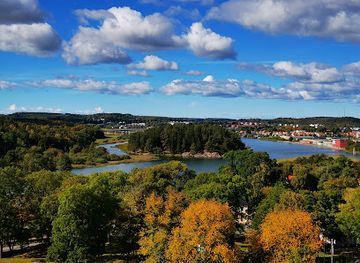
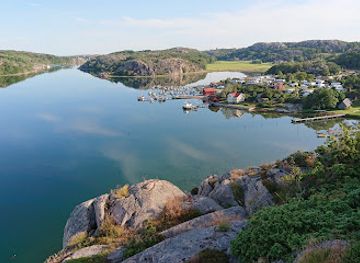
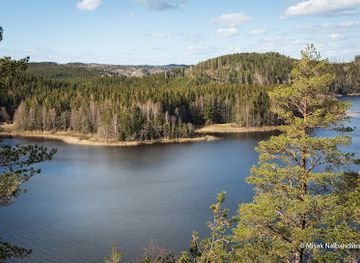
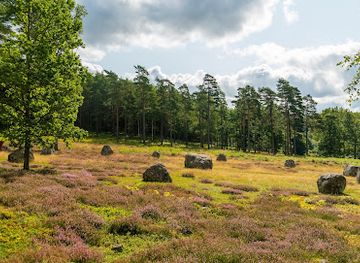
Explore Berguddens lighthouse on the Map
A handpicked selection of must-see spots near Berguddens lighthouse, mapped for you.
Getting There
-
Ferry plus local road (recommended)
Take the regional ferry service from the mainland hub serving Holmön to Byviken on Holmön; the sea crossing typically takes around 35–45 minutes and runs multiple times daily in summer with fewer departures in winter—bookings may be required for vehicles; ferry fares are charged per passenger or vehicle and typically range from modest to moderate regional rates in SEK depending on vehicle class. From Byviken the lighthouse is reached by local gravel roads and tracks; expect a further travel time by bicycle or local vehicle of about 20–40 minutes over uneven terrain and note that services and vehicle hire are limited on the island.
-
Bicycle from island harbour
Cycle from Byviken harbour to Bergudden: typical duration 20–40 minutes depending on fitness and wind; route follows minor island roads and tracks with short stretches of soft gravel and some tree cover; suitability is good in fair weather but less so in heavy rain, and bicycle hire may be seasonal—rental prices are modest when available (usually in local currency, SEK).
-
Walking across island
Walk from the island village area to the headland: allow 45–90 minutes depending on pace and conditions; terrain includes farm tracks, minor roads and uneven coastal footpaths with some exposed sections; this option requires good footwear, daylight and basic fitness, and there are no formal transport services along the final approach.
For the on-the-go comforts that matter to you
-
 Seating Areas
-
 Information Boards
-
 Trash Bins
Discover more about Berguddens lighthouse
Origins and architectural character
Berguddens fyr was established in the late 1800s as part of Sweden’s coastal lighting network; the present timber tower and keeper’s compound date from that era and reflect that pragmatic, national‑romantic timber tradition. The lighthouse itself is a modest wooden tower with shingled cladding and a domed lantern that once housed the optic and oil apparatus; ancillary buildings — the keeper’s house and outbuildings — form a small cluster that illustrates how rangers and their families lived on this exposed outpost.How the site feels at the waterline
The headland opens directly onto the Norra Kvarken; wave-smoothed rock ledges, salt-sprayed grass and low heath frame the approach. Wind and sea dominate the senses: gull calls, a briny breath and the creak of old timbers when the wind is high. On calm evenings the horizon can seem to stretch forever; when fog comes it closes the world to a blurred palette of grey, and the lighthouse’s purpose as a sentinel becomes unexpectedly palpable.Daily life of keepers and the human story
For more than a century the lighthouse was a lived place — keepers maintained the lamp, kept logbooks, and endured winters cut off by ice and weather. The compound’s rooms, simple household fittings and the arrangement of sheds and stores convey a low‑tech, self‑reliant existence: fetching water, stacking coal or peat, and tending the light were daily routines. That practical domestic footprint is still legible in the site’s preserved buildings and stoop spaces.Natural setting and seasonal character
Bergudden sits at the interface of sea and skerry archipelago; spring and summer bring breeding sea birds and long light, while autumn and winter concentrate the elements — short daylight, dramatic sunsets, storms and sea ice in severe seasons. The shoreline immediately around the lighthouse supports salt-tolerant flora and provides habitats for coastal birds; offshore you’ll notice the shifting moods of the Kvarken currents and the play of light on water that made navigation through these waters demanding.Visitor experience and quiet encounters
The location rewards slow visits: short walks around the headland, quiet photography at sunrise or sunset, and lingering to watch the light change. The compactness of the site means that exploration is intimate — lean on a wooden fence, imagine the keeper’s routine, or study the construction details of the tower and houses. The spot is not about busy attractions but about absorbing atmosphere, maritime layers and centuries of coastal practice.Conservation and present-day use
Berguddens fyr is preserved as a historical lighthouse site and its buildings are maintained to retain their original character; some keepers’ houses in the region are used seasonally for simple accommodation, reflecting a tradition of visiting to experience lighthouse life. The site’s fabric — timberwork, lantern room and outbuildings — is cared for as part of coastal cultural heritage, balancing preservation with the raw natural forces that shape the headland.












Your all‑in‑one travel companion app
Explore expert travel guides, compare and book tours, experiences, hotels, and more—all from the palm of your hand. Download now for seamless trip planning wherever your wanderlust takes you.


Explore More of Bohuslan

Looking beyond Berguddens lighthouse? Discover Bohuslan for broader travel guides, local hot-spots, and regional highlights.
Explore Bohuslan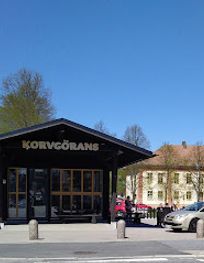
Discover the vibrant flavors of Korv Görans in Vaasa - a grill paradise offering fast food delights in a bustling market atmosphere.
Sleek glass gateway to Norrland: Umeå Östra Station blends modern design, vital rail links, and university proximity for seamless northern Sweden journeys.
