

Anundshög Travel Guide
Free Guide: A towering Iron Age tumulus and sprawling ritual landscape — Sweden’s most dramatic burial complex, rich with runes, ship settings and centuries of history.


A brief summary of Anundshög
A towering Iron Age tumulus and sprawling ritual landscape — Sweden’s most dramatic burial complex, rich with runes, ship settings and centuries of history.
Anundshög is Sweden’s most imposing grave mound and the heart of a vast prehistoric ritual landscape just outside Västerås, where a nine‑metre-high burial mound, ship settings, runestone and raised stones mark a centre of power from the Iron Age to the Viking Age. The site combines wide, grassed earthworks, scattered standing stones and a visitor centre with displays — atmospheric at any season and free to explore year‑round.
On-site amenities
 Restrooms
 Drink options
 Food options
 Seating areas
 Information boards
 Visitor centre
- Address
- Anundshög 5, 725 96 Västerås
- Phone
- Website
Getting there
By car from central Västerås
Regional bus from Västerås
Guided tour option (seasonal)
Discover more about Anundshög
Monumental mound and its immediate setting
Anundshög’s dominant feature is the great burial mound — a broad, flattened‑top tumulus rising prominently above the Badelunda ridge — built sometime between the late Iron Age and Viking Age (roughly centuries around 500–1050 CE). Around the mound lie extensive grave fields: round stone settings, multiple ship‑shaped stone settings and many raised stones that once marked burial places and processional routes. The combination of the high mound and the twin ship setting beside it creates a visual composition seldom matched elsewhere in Sweden, where earthwork, stone and landscape combine to create a deliberately monumental silhouette.
Layers of ritual, law and travel
Archaeological evidence and historical sources show that Anundshög functioned both as a burial monument and as a long‑lived focal place for assembly and movement. In medieval records the mound is named in connection with a local ting (assembly), and earlier features — such as aligned posts or stones and the nearby runestone — mark the spot as a waystation on major regional routes. The site therefore reads as a palimpsest: funerary ritual, royal or elite display and later civic use are all legible in the layout of stones and cleared ground.
Material traces and archaeological findings
Excavations, surveys and modern geophysical work have revealed traces that extend the site's story beyond its visible monuments. Charred hearth layers found beneath parts of the mound have been radiocarbon dated to earlier centuries, showing prolonged activity on the ridge before the mound reached its final form. Geophysical surveys have identified rows of filled pits and possible postholes that suggest the presence of earlier timber or stone structures, and stray finds across the field document continuous use from the Bronze Age through the Viking Age.
Visitor experience and interpretive features
The setting is intentionally open and readable: short grass, gentle slopes and clear sightlines let you approach the mound and trace the stone ships at ground level. A small visitor centre near the parking area contains displays that contextualise finds, explain dating and outline the sequence of the place as a ceremonial landscape. Information boards close to the monuments summarise archaeological results and local folklore, and a timber stair gives straightforward access to the mound’s flattened summit for panoramic viewing of the field.
Stories, folk memory and the runestone
Anundshög is threaded with stories that connect archaeology to folk memory. A tall runestone in the complex bears a text and carved motifs typical of the early medieval era, and legends attached to the place — from Viking‑age sagas to tales of ritual labyrinths — have persisted in local tradition. These cultural layers show how a single site may accumulate meanings across a millennium, serving both as a place of burial and as a stage for later ritual and memory.
Seasonal character and how the place feels
Weather and light change the mood of the field dramatically: clear winter air makes distant ridges crisp and emphasizes the stark silhouettes of standing stones, while low autumn light warms the turf and highlights stone textures. In summer the grassed areas open for gentle walking and family activities; at all times the field retains a quiet, elemental quality — wind across the mound, the hollow sound of stone on stone, and the sense of being at an ancient crossroads in the landscape.
Evendo Review Centre
 Google
Guest reviews
Best time to go
Quietest: Jan, Feb & Dec · before 7am
Busy times are Evendo estimates for a typical year, to help you plan. Actual crowds vary with events, school holidays and the weather.
Explore Anundshög on the map
A handpicked selection of must-see spots near Anundshög, mapped for you.
Get your free copy of our complete guide to Anundshög, delivered straight to you.
Everything on this page, from opening hours and how to get there to Eve’s tips and the best time to go, in one PDF you can read offline, print or share.
Already have an account? Sign in
Your Anundshög guide is ready.
We'll send it to · Not you? Sign out

Getting your guide ready…
We are putting together a fresh copy of the Anundshög guide. This can take up to a minute.
This can take a few moments. If your browser asks, choose Allow so the download can start. You'll find the guide in your Downloads folder.
Nothing happened? Download it again
Sorry, the guide is taking longer than usual. Please try again in a minute, or get it by email instead.
Other nearby places you may find interesting
The closest places of the same kind, if this one is not quite what you had in mind.
-
-
-
-

-


Swipe for more places
More to explore near Anundshög

 Best experiences near Anundshög
 Best hotels near Anundshög
 Best landmarks near Anundshög
 Best attractions near Anundshög
 Best shops near Anundshög
 Best restaurants near Anundshög
 Best bars near Anundshög
Do you manage this location?
Take control to get all the benefits, like improved information, better appearance, and stronger visibility across AI-powered discovery.
Explore more
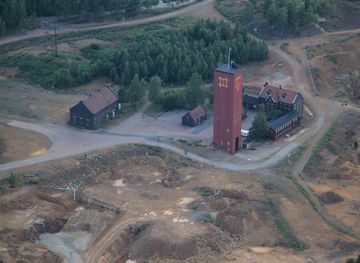
Explore more of Dalarna
Discover Dalarna: Sweden's enchanting region of lakes, forests, and rich cultural heritage, perfect for nature lovers and cultural enthusiasts alike.
Explore Dalarna
Explore more of Sweden
Discover Sweden's breathtaking landscapes, vibrant cities, and rich cultural heritage. From the Northern Lights to historic castles, experience the essence of Scandinavia.
Explore Sweden
