

Free Dalarna Travel Guide & Mobile App
Explore Dalarna with free travel guides. Discover regional history, expert tips, proposed trips, and audio guides on web or mobile app.


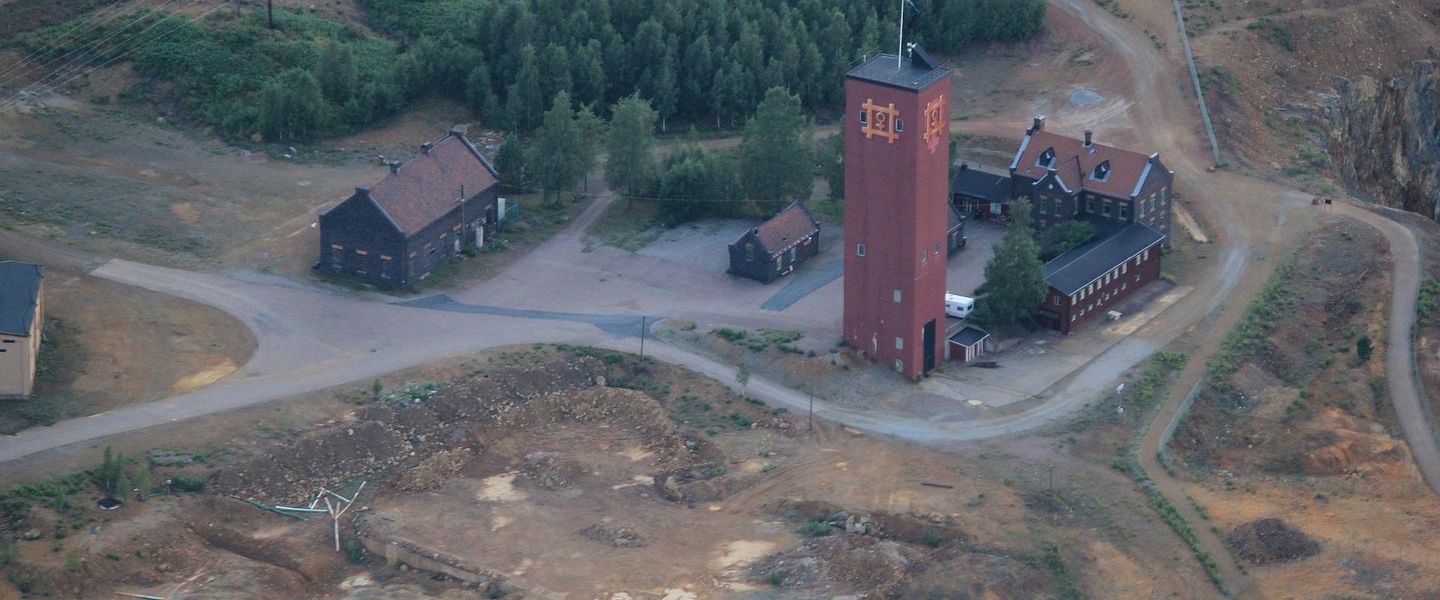


Explore Dalarna’s copper heritage, Siljan traditions, red cottages, forest trails and mountain landscapes in central Sweden.
Read more about Dalarna
When is the best time to visit Dalarna?
Best: June–August · 21–24°C| Month | High (°C) | Rainfall (mm) |
|---|---|---|
| January | 0 | 40 |
| February | 1 | 30 |
| March | 6 | 30 |
| April | 10 | 30 |
| May | 16 | 40 |
| June (best) | 21 | 50 |
| July (best) | 24 | 60 |
| August (best) | 22 | 60 |
| September | 16 | 50 |
| October | 10 | 40 |
| November | 5 | 40 |
| December | 1 | 40 |
Getting to and around Dalarna
How to get there
Transportation
Best attractions in Dalarna
Dalarna’s attractions range from industrial heritage to mountain wilderness. In Falun, the Great Copper Mountain and its historic mining landscape explain how copper shaped the region and Sweden’s economy; the associated town environment gives the story a human and architectural setting. Near Sundborn, Carl Larsson’s home and garden provide an insight into the artist’s domestic world and the visual language of Swedish design, while Mora’s Zorn Museum and Zorngården explore the work and life of Anders Zorn. Around Lake Siljan, visitors find lakeside piers, craft workshops, folk museums, traditional villages and places connected with music and Midsummer customs. Outdoor possibilities broaden northwards, from canoeing, fishing and cycling to hiking in Fulufjället National Park, where upland scenery and Njupeskär waterfall are major draws. Sälen and Idre support skiing, snowboarding, walking and cycling across different seasons. The region’s appeal lies in the contrast between working towns, living craft traditions, accessible lake landscapes and genuinely remote forest and mountain country.
-
Tourist attraction
Skansen
World's oldest open-air museum blending Sweden's historic homes, Nordic wildlife, and cultural traditions across Djurgården's green hills.
-
Tourist attraction
Dalhalla
An ancient limestone pit turned world‑class open‑air theatre where towering cliffs and natural acoustics make every concert monumental.
-
Art gallery
Sandgrund Lars Lerin
A converted dance hall turned permanent gallery showcasing Lars Lerin’s powerful watercolours, quiet rooms and a shop with exclusive prints.
-
Tourist attraction
Idrefjäll
A compact, family‑focused mountain resort in Dalarna with ski‑in/ski‑out bases, varied slopes and year‑round outdoor activities amid forested Swedish uplands.


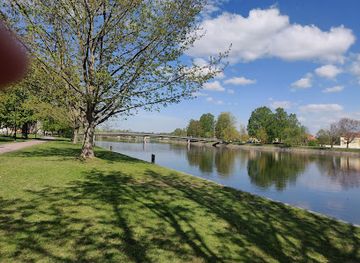

Best landmarks in Dalarna
Falun’s Great Copper Mountain is Dalarna’s most consequential industrial landmark: its immense mine workings, spoil landscapes and surviving buildings record centuries of copper extraction and form part of the Falun World Heritage site. Around Lake Siljan, the long pier at Rättvik projects into the water and has become one of the region’s most recognisable lakeside structures, while the red-painted timber buildings and church environments of surrounding communities express local architectural traditions. In Mora, the Vasaloppet finish area and associated markers connect the landscape with Sweden’s best-known long-distance ski race. Carl Larsson’s home at Sundborn is significant not only as an artist’s residence but also as an influential example of Swedish domestic design. Further north, the high plateau, valleys and Njupeskär waterfall of Fulufjället provide a natural counterpoint to the human-made landmarks of southern Dalarna. Together these places represent mining, art, folk culture, sport and mountain geography rather than a single regional style.
-
National park
Fulufjället National Park
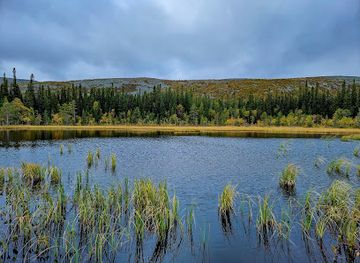
Sweden's highest waterfall, world's oldest tree, and 140 km of trails across a lichen-clad plateau—Fulufjället delivers raw Scandinavian wilderness along the Norwegian frontier.
-
Tourist attraction
Stora Sundby Castle
Sweden's calendar castle: towers for seasons, rooms for weeks, windows for days—a neo-Gothic fairy tale guarding Lake Hjälmaren's shores since the Middle Ages.
-
Historical landmark
Östra Silvberg gruva
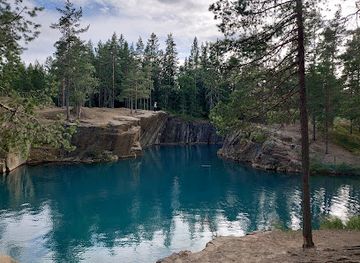
A water‑filled medieval silver pit and industrial landscape where turquoise depths, rusted relics and a quiet ruined churchyard meet the Dalarna forest.
-
Lutheran church
Engelbrektskyrkan
Soaring dome, frescoed splendor, and symphony of sound in Stockholm's National Romantic gem—a haven of history and harmony.


Explore Dalarna on the map
Plan your trip on one map. See where the top cities, national parks and sights are, and book hotels and experiences in a few clicks.
Best hotels in Dalarna
Best restaurants in Dalarna
Dalarna’s food culture is rooted in inland Swedish ingredients and practical preservation traditions. Crisp knäckebröd is made throughout the region and is closely associated with local baking, while potatoes, grains, berries, mushrooms, freshwater fish and game appear in both traditional and contemporary cooking. Around Siljan, cafés, rural restaurants and seasonal food producers often provide opportunities to sample baked goods, preserves and locally sourced dishes; in Falun and Borlänge, the dining scene is broader and more contemporary. Mora and the mountain resorts offer food suited to outdoor visitors, including warming meals and regional produce, while lakeside communities add fish and summer cooking to the repertoire. Farmers’ markets and farm shops vary by season rather than operating as a single permanent circuit. Visitors should expect Swedish dining conventions, including coffee breaks known as fika, alongside restaurants that reinterpret regional ingredients without claiming that every dish is exclusive to Dalarna.
-
American
Diner 45 Rättvik
Retro American diner at Hotell Rättvik — handmade burgers, milkshakes and nostalgic 50s flair beside Lake Siljan.
-
Italian
BASTA
A colourful Sicilian‑inspired trattoria in Falun offering Neapolitan pizza, handmade pasta and lively bar culture in a warm, social setting.
-
Restaurant
Blackstone Steakhouse Falun
Sizzle your own steak on a 400°C lava stone in Falun's lively heart – interactive grilling, premium cuts, and bold sauces for an unforgettable feast.
-
Steak
Big Street BBQ & Bar
Sizzling steaks, smoky ribs, and an epic beer bible await at Rättvik's go-to BBQ haven on lively Storgatan.


Best bars in Dalarna
Evening life in Dalarna is generally based on pubs, restaurants, hotel bars, live music and seasonal events rather than a large metropolitan club scene. Falun and Borlänge have the broadest choice of bars and late venues, with student, cultural and concert activity adding variety. Around Mora and the other Siljan towns, evenings often centre on traditional pubs, restaurants, cafés and summer performances, while some resorts become busier after skiing in Sälen and Idre. Historic inns and village pubs offer a more relaxed setting, and breweries or locally focused bars may feature Swedish beer and non-alcoholic alternatives. Nightlife changes considerably with the calendar: summer brings outdoor events and longer evenings, while winter concentrates activity in mountain resorts. Opening arrangements and venue status are changeable, so check locally rather than relying on old listings.
-
American
O'Learys Borlänge
Borlänge's ultimate sports bar, game zone, and nightclub—where American eats, live matches, bowling, and dancing collide till late.
-
Pub
The Bishops Arms
British gastropub by Faluån River: vast beers, single malts, and hearty local dishes in cozy Falun center.
-
Bar
GC Restaurang Bar & Café
Daytime café haven to nighttime Italian lounge on Leksand's pedestrian street—fika, feasts, and courtyard beats await.
-
Bar
Banken Bar & Brasserie
A former bank turned brasserie on Åsgatan — solid architecture, seasonal Swedish food and a convivial bar atmosphere.


Best nightclubs in Dalarna
Evening life in Dalarna is generally based on pubs, restaurants, hotel bars, live music and seasonal events rather than a large metropolitan club scene. Falun and Borlänge have the broadest choice of bars and late venues, with student, cultural and concert activity adding variety. Around Mora and the other Siljan towns, evenings often centre on traditional pubs, restaurants, cafés and summer performances, while some resorts become busier after skiing in Sälen and Idre. Historic inns and village pubs offer a more relaxed setting, and breweries or locally focused bars may feature Swedish beer and non-alcoholic alternatives. Nightlife changes considerably with the calendar: summer brings outdoor events and longer evenings, while winter concentrates activity in mountain resorts. Opening arrangements and venue status are changeable, so check locally rather than relying on old listings.
-
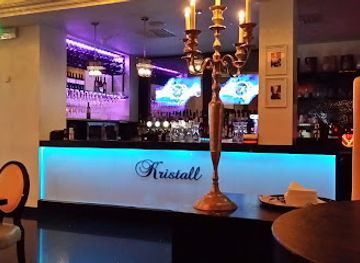
Night club
Kristall
A compact Kungsgatan venue that mixes a sit-down restaurant and bar with a late-night club pulse — urban, intimate and changeable through the night.
-
Bar
Torp
A large retro-styled dance hall, bar and restaurant in Krylbo — dining by day, retro disco and live events by night.
-
Bar
Hype
Borlänge's electronic pulse: Flashy nightclub with cheap drinks, karaoke Wednesdays, and beats till 2am daily.
-
Night club
Lilla Helfvetet
Intimate industrial rock club in Mora with live bands, a late-night bar and a music-first, no-frills atmosphere.


Best shops in Dalarna
Shopping in Dalarna is strongest in market towns and visitor centres rather than in large luxury districts. Falun and Borlänge provide the widest selection of ordinary Swedish retail, department stores and independent businesses, while Mora, Rättvik and Leksand are useful for craft shops, galleries, food products and locally themed goods. The Dala horse, traditionally carved and painted, is the best-known regional purchase, but responsible shoppers should look for information about the maker and place of production. Textiles, woodwork, ceramics, knives, woven goods and folk-inspired design are also available through workshops and galleries. Farm shops and seasonal markets sell crispbread, preserves, berries, mushrooms and other regional produce, subject to availability. Around Siljan, many smaller businesses have seasonal opening patterns, so a little planning is helpful outside summer. Shopping in the northern mountain resorts is more oriented towards outdoor equipment, clothing and practical supplies than regional handicrafts.
-
Shopping mall
Kupolen Borlänge
Borlänge's domed shopping haven: endless stores, eateries, and everyday essentials under one expansive roof in central Dalarna.
-
Store
Orsa Fishing Center
A large, practical angling emporium in Orsa — stocked for every style of fishing with local knowledge and hands-on service.
-
Souvenir store
Grannas A Olssons Hemslöjd AB
Discover the birthplace of the Dala horse at Sweden's oldest workshop, where handcrafted folk art traditions thrive in the forests of Nusnäs since 1922.
-
Store
Lundhags Fabriksbutik Insjön
Discover discounted durable outdoor gear at Lundhags' Insjön factory outlet, where Swedish friluftsliv meets unbeatable deals on boots, clothing, and adventure essentials amid Dalarna's forests.


Get your free copy of our complete guide to Dalarna, delivered straight to you.
Everything on this page, from attractions and restaurants to essentials and local phrases, in one PDF you can read offline, print or share.
Already have an account? Sign in
Your Dalarna guide is ready.
We'll send it to · Not you? Sign out

Getting your guide ready…
We are putting together a fresh copy of the Dalarna guide. This can take up to a minute.
This can take a few moments. If your browser asks, choose Allow so the download can start. You'll find the guide in your Downloads folder.
Nothing happened? Download it again
Sorry, the guide is taking longer than usual. Please try again in a minute, or get it by email instead.
Dalarna essentials
Currency and Payment
Safety
Emergency Situations
Do's and Don'ts
Local Tips
From Eve
Local phrases worth knowing
You don't need to get them perfect. A few words go a long way, and locals appreciate the effort.
Basics
| English | Local | Say it |
|---|---|---|
| Hello | Hej | [hay] |
| Goodbye | Hej då | [hay daw] |
| Yes | Ja | [yah] |
| No | Nej | [nay] |
| Please/You're welcome | Snälla/Tack så mycket | [snel-lah/tahk soh myek] |
| Thank you | Tack | [tahk] |
| Excuse me/Sorry | Förlåt | [fur-loht] |
| How are you? | Hur mår du? | [hur mohr doo] |
| Fine. And you? | Bra. Och du? | [bra. ohk doo] |
| Do you speak English? | Talar du engelska? | [tah-lar doo eng-el-skah] |
| I don't understand | Jag förstår inte | [yahg fur-stor in-teh] |
Eating & Drinking
| English | Local | Say it |
|---|---|---|
| I'd like to see the menu, please | Jag skulle vilja se menyn, snälla | [yahg skool-leh vil-yah seh meh-nyun, snel-lah] |
| I don't eat meat | Jag äter inte kött | [yahg eh-ter in-teh yurt] |
| Cheers! | Skål! | [skawl] |
| I would like to pay, please | Jag skulle vilja betala, snälla | [yahg skool-leh vil-yah beh-tah-lah, snel-lah] |
Emergencies
| English | Local | Say it |
|---|---|---|
| Help! | Hjälp! | [yelp] |
| Go away! | Gå bort! | [gaw bort] |
| Call the Police! | Ring polisen! | [ring po-lee-sen] |
| Call a doctor! | Ring en läkare! | [ring en leh-kah-reh] |
| I'm lost | Jag är vilse | [yahg air vil-seh] |
| I'm ill | Jag är sjuk | [yahg air shook] |
Shopping
| English | Local | Say it |
|---|---|---|
| I'd like to buy... | Jag skulle vilja köpa... | [yahg skool-leh vil-yah shur-pah] |
| I'm just looking | Jag tittar bara | [yahg teet-ar bar-ah] |
| How much is it? | Hur mycket kostar det? | [hur myek-ket kos-tar deh] |
| That's too expensive | Det är för dyrt | [deht air fur deert] |
| Can you lower the price? | Kan du sänka priset? | [kan doo sen-kah pree-set] |
Time & Numbers
| English | Local | Say it |
|---|---|---|
| What time is it? | Vad är klockan? | [vahd air kloh-kahn] |
| It's one o'clock | Det är ett | [deht air eht] |
| Half past (10) | Halv efter (10) | [halv ef-ter (ten)] |
| Morning | Morgon | [mor-gon] |
| Afternoon | Eftermiddag | [ef-ter-meed-dahg] |
| Evening | Kväll | [kvel] |
| Yesterday | Igår | [ee-gor] |
| Today | Idag | [ee-dahg] |
| Tomorrow | Imorgon | [ee-mor-gon] |
| 1 | Ett | [eht] |
| 2 | Två | [tvaw] |
| 3 | Tre | [treh] |
| 4 | Fyra | [fee-rah] |
| 5 | Fem | [fem] |
| 6 | Sex | [sex] |
| 7 | Sju | [shoo] |
| 8 | Åtta | [aw-tah] |
| 9 | Nio | [nee-oh] |
| 10 | Tio | [tee-oh] |
Transport & Directions
| English | Local | Say it |
|---|---|---|
| Where's a/the...? | Var ligger en...? | [var lig-er en] |
| What's the address? | Vad är adressen? | [vahd air ah-dress-en] |
| Can you show me (on the map)? | Kan du visa mig (på kartan)? | [kan doo vee-sah may (paw kar-tahn)] |
| When's the next (bus)? | När går nästa (buss)? | [nair gor nes-tah (boos)] |
| A ticket (to ....) | En biljett (till ....) | [en bee-yett (til)] |
History of Dalarna
Early Settlement and Iron Production
People have lived and worked in Dalarna’s river valleys and lake districts since prehistoric times, using forests, waterways and upland pastures as sources of food and materials. Iron production became especially important in the wider Bergslagen region, where ore, timber and waterpower supported a long tradition of mining and smelting. In Dalarna, early ironworking laid foundations for later industrial development and connected inland communities to wider Swedish markets. Archaeological remains and historic working landscapes show that the region’s forests were not an untouched wilderness but a managed resource shaped by generations of farming, charcoal burning, metalworking and seasonal movement.
Medieval Mining and the Rise of Falun
Copper extraction at Falun developed during the Middle Ages and gradually created one of Europe’s most significant mining communities. The mine, known as Falu Gruva, supplied copper for domestic use, international trade and the Swedish state, while associated forests, furnaces and transport routes transformed the surrounding landscape. Mining brought wealth and political importance but also dangerous working conditions and severe environmental pressures. Falun’s surviving mine workings, industrial buildings and historic townscape preserve the relationship between technology, labour and state power that shaped Dalarna for centuries.
The Gustav Vasa Tradition
Dalarna occupies an important place in the national story of Gustav Eriksson, later King Gustav Vasa. According to tradition, he sought support in the region during his rebellion against the Danish king Christian II in the early sixteenth century, travelling through communities around Mora and the Siljan district. Some details belong to later historical tradition rather than securely documented events, but the story became central to Swedish national memory. The Vasaloppet cross-country ski race, held between Sälen and Mora, commemorates this cultural narrative and links medieval political history with a major modern sporting event.
Farming Communities and Siljan Culture
From the early modern period into the nineteenth century, Dalarna’s settlements combined small-scale farming with forestry, mining, craft production and seasonal work. Around Lake Siljan, local architecture, music, dress and painted household objects developed distinctive forms, shaped by isolated valleys as well as trade and migration. The region’s folk culture later became important to Swedish artists, scholars and national romantics, who often presented Dalarna as a repository of rural tradition. That image simplified a complex society, but it also encouraged the preservation and public recognition of local crafts, music and customs.
Industrialisation, Railways and Borlänge
The nineteenth and early twentieth centuries brought faster industrial and transport change. Railways connected Falun, Borlänge and the Siljan districts with national markets, making it easier to move timber, ore, metal and agricultural products. Borlänge grew as a railway and industrial centre, while mining and engineering remained important in and around Falun. Mechanised production altered work and settlement patterns, drawing people towards towns and linking Dalarna more closely to Sweden’s expanding industrial economy. The contrast between industrial towns and dispersed rural communities remains one of the region’s defining characteristics.
Artists, Crafts and the Making of a Regional Image
Dalarna became a major source of inspiration for Swedish artists in the late nineteenth and early twentieth centuries. Anders Zorn made Mora internationally known through paintings of local people, landscapes and social life, while Carl Larsson’s home at Sundborn, near Falun, helped shape an influential image of domestic Swedish design. Craft traditions, including the carved and painted Dala horse, also acquired a wider market. These developments strengthened Dalarna’s cultural identity, although visitors should distinguish between historical artistic interpretations and the varied lives of contemporary communities.
Modern Outdoor Culture and Heritage Tourism
During the twentieth century, Dalarna’s lakes, forests and mountains became increasingly important for domestic tourism and outdoor recreation. The Vasaloppet, first held in 1922, helped establish Mora and Sälen as centres of cross-country skiing, while alpine resorts expanded in the north. Museums, protected landscapes and restored industrial sites created a second strand of tourism based on heritage. Today, Dalarna combines working towns, forestry and manufacturing with hiking, skiing, cycling, cultural festivals and visits to historic environments, reflecting both continuity and economic change.
Dalarna in Photos
Browse through our photo collection highlighting the charm and character of the destination.
Neighbouring regions of Dalarna
The closest regions to Dalarna, if you have time for more than one.
-

-

-
-

-


Swipe for more regions
Explore more
Explore more of Sweden
Discover Sweden's breathtaking landscapes, vibrant cities, and rich cultural heritage. From the Northern Lights to historic castles, experience the essence of Scandinavia.
Explore Sweden