

Djurmoklack Travel Guide
Free Guide: Compact rocky climb above Djurmo with sweeping valley panoramas, Bronze Age burial mounds and diverse woodland life.


A brief summary of Djurmoklack
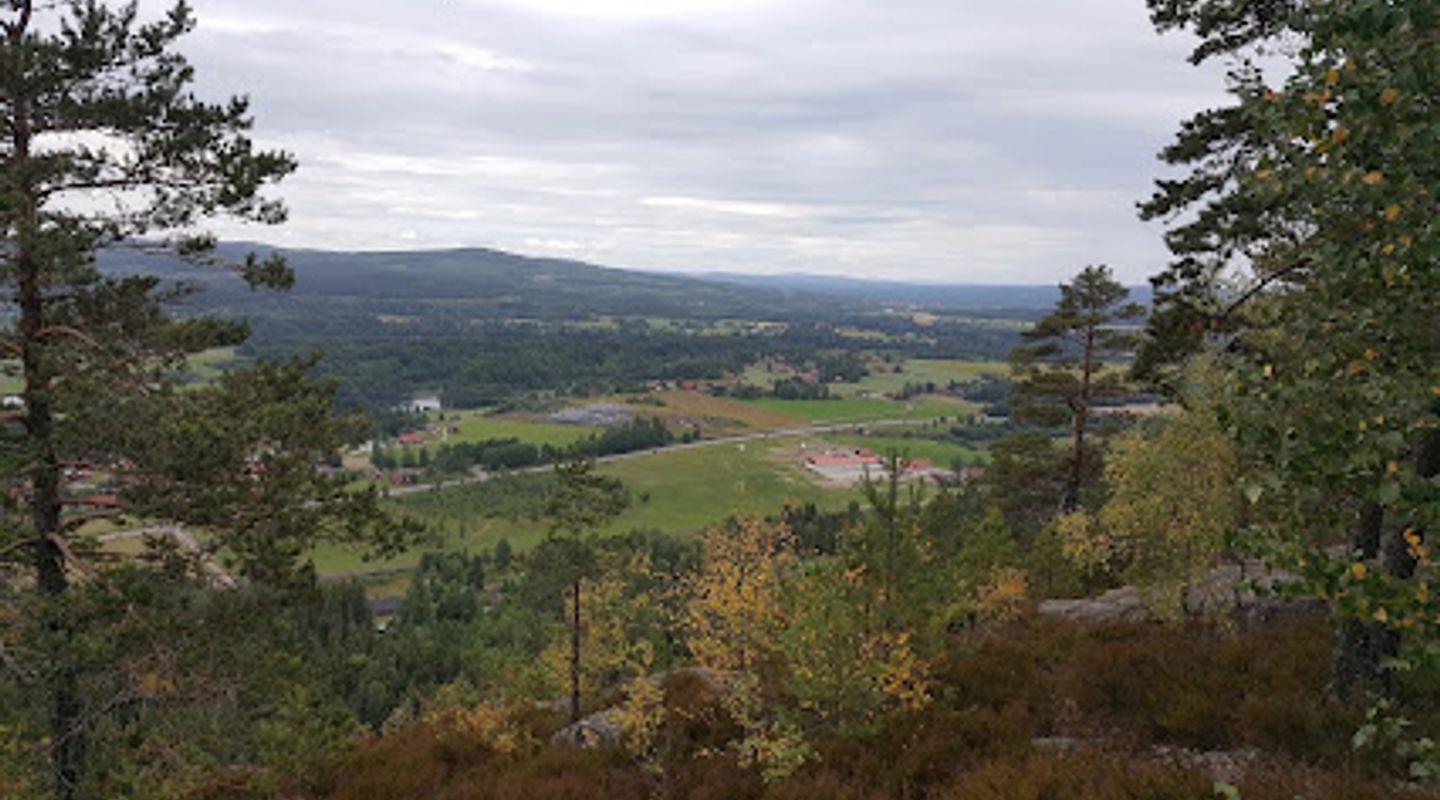
Compact rocky climb above Djurmo with sweeping valley panoramas, Bronze Age burial mounds and diverse woodland life.
Djurmoklack is a compact nature reserve and rocky hill near Djurmo in Dalarna, Sweden, offering wide panoramas, mixed conifer-birch woodland and exposed rock outcrops with Bronze Age burial mounds and a notable cave. Trails climb the slope to a sheltered summit with viewing ledges, a simple lean-to and fireplace area; the site is valued for its flora, nesting raptors and seasonal wildflowers, making it a classic short outdoor escape in the region.
On-site amenities
 Seating areas
 Sheltered areas
 Picnic areas
 Information boards
Opening hours
- Every dayOpen 24 hours
Opening hours as listed on the venue’s Google Business Profile. Hours can change for services and special events, so check with the venue before you go.
- Address
- 785 62 Djurmo
Getting there
By car from nearby towns
Public transport plus walk
Hiking from local trails
Discover more about Djurmoklack
The ridge and its skyline
Djurmoklack rises as a distinct rocky outcrop above the river plateau around Djurmo, its summit standing out from the surrounding lowlands with clear views in nearly every direction. The ascent follows a series of forested ramps and exposed slabs that lead onto a summit plateau and viewing ledges; from these rocky benches the landscape opens to patchwork farmland, forest and the river valley below. The reserve’s geology—bare rock interspersed with pockets of soil—creates a crisp, windswept character at the top, where lichens and heather cling to crevices.
Plants, fungi and the wildlife that depend on them
The vegetation shifts as you climb: mixed stands of pine, spruce and birch give way to rowan and aspen closer to the summit, and a diverse understorey supports a rich fungal and bryophyte community on decaying wood and damp hollows. The variety of habitats—old trunks, sheltered gullies and sunlit rock—encourages seasonal blooms of southern-mountain flora and attracts insects and songbirds. Larger wildlife is mainly elusive, but the reserve is known as nesting ground for birds of prey that use the steep slopes and cliffs for breeding.
Ancient traces and rock shelter
Scattered across the hilltop are archaeological features that mark long human presence on this prominent rise, including large Bronze Age burial mounds that dominate certain parts of the plateau. A substantial natural cave and other sheltered clefts were used historically for refuge and temporary shelter; these features add cultural depth to the reserve and reward visitors who linger with a sense of continuity between natural drama and human ritual.
A compact visitors’ experience
Djurmoklack is deliberately uncomplicated: paths are short but often steep, and a simple shelter with tables and a fireplace near the summit provides a place to rest and watch the light change over the valley. The gravel approach to the car park is prepared and signposted; once on the hill the experience is one of walking, scanning the panorama and discovering botanical and geological details rather than long backcountry travel. Because of the reserve’s modest footprint, visits typically last from an hour of focused exploring to a half-day of relaxed observation.
Seasonal character and sensory notes
Each season reshapes the place: spring brings fresh leaf-green and wildflowers in sheltered pockets, summer thickens the canopy and amplifies bird song, autumn burns the slopes in saffron and russet hues, and winter renders the rock and stunted trees into a stark silhouette against pale skies. Wind and sun are immediate on the summit—expect exposed surfaces and clear, dry rock in fair weather, and a muffled, snow-softened silence in colder months.
Practical atmosphere and conservation
The reserve is managed to protect both natural and cultural values: signage, a maintained path and a small picnic shelter keep visitor impact concentrated while leaving most of the slope wild. Climbing is restricted at certain times to protect nesting birds and fragile vegetation; visitors are encouraged to follow waymarked trails, leave no trace and treat the burial mounds and cave as sensitive features. The result is a short-but-rich outdoor stop that balances dramatic views with quiet natural detail.
Evendo Review Centre
 Google
Guest reviews
Best time to go
Quietest: Jan, Feb & Dec · before 6am or at 9pm
Busy times are Evendo estimates for a typical year, to help you plan. Actual crowds vary with events, school holidays and the weather.
Explore Djurmoklack on the map
A handpicked selection of must-see spots near Djurmoklack, mapped for you.
Get your free copy of our complete guide to Djurmoklack, delivered straight to you.
Everything on this page, from opening hours and how to get there to Eve’s tips and the best time to go, in one PDF you can read offline, print or share.
Already have an account? Sign in
Your Djurmoklack guide is ready.
We'll send it to · Not you? Sign out

Getting your guide ready…
We are putting together a fresh copy of the Djurmoklack guide. This can take up to a minute.
This can take a few moments. If your browser asks, choose Allow so the download can start. You'll find the guide in your Downloads folder.
Nothing happened? Download it again
Sorry, the guide is taking longer than usual. Please try again in a minute, or get it by email instead.
Other nearby places you may find interesting
The closest places of the same kind, if this one is not quite what you had in mind.
-
-
-
-

-


Swipe for more places
More to explore near Djurmoklack

 Best experiences near Djurmoklack
 Best hotels near Djurmoklack
 Best landmarks near Djurmoklack
 Best attractions near Djurmoklack
 Best shops near Djurmoklack
 Best restaurants near Djurmoklack
 Best bars near Djurmoklack
Do you manage this location?
Take control to get all the benefits, like improved information, better appearance, and stronger visibility across AI-powered discovery.
Explore more
Explore more of Dalarna
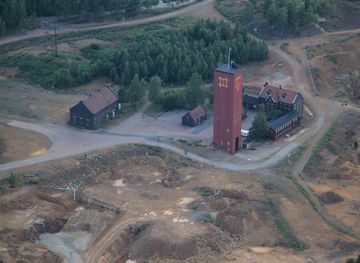
Discover Dalarna: Sweden's enchanting region of lakes, forests, and rich cultural heritage, perfect for nature lovers and cultural enthusiasts alike.
Explore Dalarna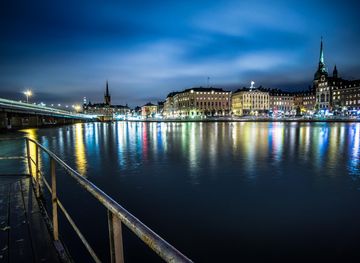
Explore more of Sweden
Discover Sweden's breathtaking landscapes, vibrant cities, and rich cultural heritage. From the Northern Lights to historic castles, experience the essence of Scandinavia.
Explore Sweden
