

Ekomuseum Bergslagen Travel Guide
Free Guide: Explore the world's largest ecomuseum: 750 km² of Sweden's iron heritage, from ancient mines to UNESCO ironworks and forest trails.


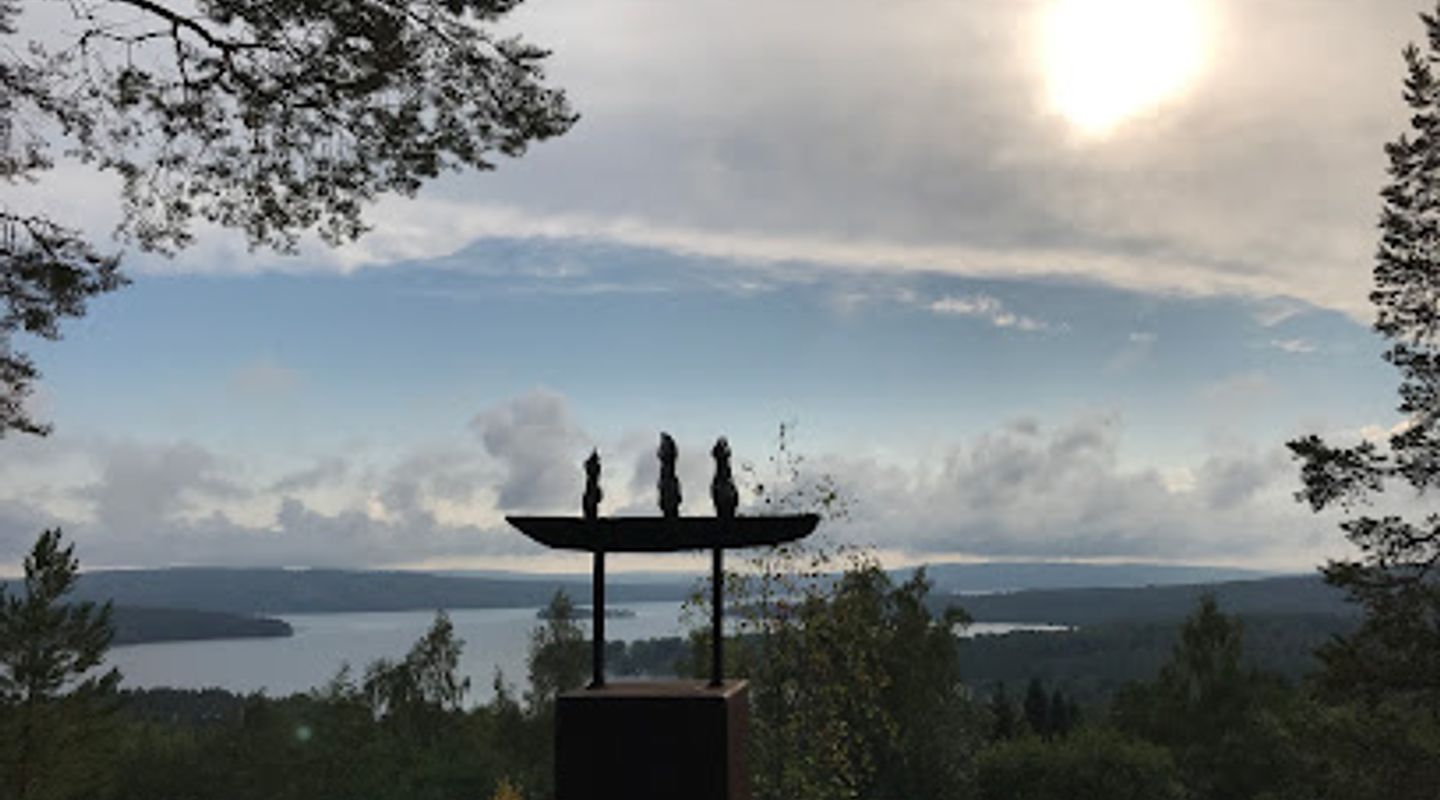
A brief summary of Ekomuseum Bergslagen
Explore the world's largest ecomuseum: 750 km² of Sweden's iron heritage, from ancient mines to UNESCO ironworks and forest trails.
Ekomuseum Bergslagen is the world's largest ecomuseum, spanning 750 square kilometers across central Sweden's historic Bergslagen region. This open-air network of over 60 authentic sites traces 2,000 years of iron production, from ancient mining pits and medieval blast furnaces to UNESCO-listed ironworks, railways, and workers' settlements. Visitors explore independently by car, uncovering the industrial heritage that shaped Sweden's iron empire amid forests, canals, and lakes.
On-site amenities
 Restrooms
 Drink options
 Food options
 Seating areas
 Picnic areas
 Trash bins
 Information boards
Opening hours
- Every dayOpen 24 hours
Opening hours as listed on the venue’s Google Business Profile. Hours can change for services and special events, so check with the venue before you go.
- Address
- Nils Nils gata 7, 771 53 Ludvika
- Phone
- Website
Getting there
Car
Bus
Taxi
Walking
Discover more about Ekomuseum Bergslagen
Iron's Ancient Forge
Deep in Bergslagen's wooded heartland, Ekomuseum Bergslagen preserves the cradle of Sweden's iron legacy. Mining traces back over 2,000 years to 400 BC, with mythical prehistoric sites revealing early extraction techniques. The landscape bears scars of ancient pits where ore was first smelted, evolving into sophisticated medieval operations. Lapphyttan in Norberg stands as the archetype for the medieval blast furnace, dated between 1150 and 1350, where cast iron was forged into wrought blooms. These remnants evoke the raw ingenuity of communities harnessing the earth's bounty.
Bruk and Blast Furnaces
The museum's core pulses through its ironworks, or 'bruk,' dotting the terrain. Engelsberg Ironworks, a UNESCO World Heritage Site since 1993, exemplifies 17th-century mastery with its preserved blast furnaces, forges, and manors. Built in 1681, it showcases water-powered hammers pounding rhythms that echoed across valleys. Nearby, sites like Klenshyttan and Hammarbacken in Ludvika feature operational water wheels, stamp mills, and smitheries, transporting visitors to eras when iron fueled Europe's growth. Summers bring demonstrations of these mechanisms in action.
Railways and Canals of Commerce
Transportation networks vital to industry weave through the ecomuseum. The Engelsberg-Norberg Railway and Grängesberg Railway Museum house over 180 vehicles from 1856 to 1970, including steam locomotives like the 1876 OFWJ No. 8 from England. Strömsholms Canal, with its 26 locks, facilitated ore and goods from Lake Mälaren northward. Steamship tours on Lake Barken and the canal offer watery perspectives on this engineering feat, where locks once buzzed with barges laden with metal.
Forest Finns and Workers' Lives
Beyond metal, human stories unfold in humble dwellings. Forest Finns' settlements near Grangärde feature simple cottages, tar pits, and slash-and-burn fields from 17th-century immigrants. Workers' homes in Ludvika and Grängesberg reveal modest lives supporting the iron boom. Ludvika Gammelgård, a 16th-century bergsman farm, includes herb gardens, mineral exhibits, and a summer café amid ore processing relics like horse gins and crushers. Finngammelgården preserves open-air authenticity of frontier existence.
Natural and Cultural Tapestry
Stretching from Mälaren's shores to Dan Andersson's Finnmark forests, the 750 km² expanse demands a three-hour drive north-south. Sixty-plus sites blend industry with nature: Strömsholm Palace, hiking trails like Mårtens and Kullens kyrkstigar, and mines offering above- and below-ground tours with panoramic vistas. Contemporary art infuses disused factories in Smedjebacken and Grängesberg, merging past and present. Seasonal vibrancy peaks in summer with open hembygdsgårdar, fika spots, and guided experiences.
Legacy of Europe's Iron Heart
Opened in 1986 as a collaborative project across seven municipalities, Ekomuseum Bergslagen earned Europe's Luigi Micheletti Award in 1998 for industrial history excellence. It redefines museums by embedding history in living landscapes, inviting self-guided discovery of Bergslagen's role as Sweden's premier iron producer. From prehistoric forges to modern steel echoes, it narrates survival through resource mastery.
Evendo Review Centre
 Google
Guest reviews
Best time to go
Quietest: Jan, Feb & Dec · before 8am or from 9pm
Busy times are Evendo estimates for a typical year, to help you plan. Actual crowds vary with events, school holidays and the weather.
Explore Ekomuseum Bergslagen on the map
A handpicked selection of must-see spots near Ekomuseum Bergslagen, mapped for you.
Get your free copy of our complete guide to Ekomuseum Bergslagen, delivered straight to you.
Everything on this page, from opening hours and how to get there to Eve’s tips and the best time to go, in one PDF you can read offline, print or share.
Already have an account? Sign in
Your Ekomuseum Bergslagen guide is ready.
We'll send it to · Not you? Sign out

Getting your guide ready…
We are putting together a fresh copy of the Ekomuseum Bergslagen guide. This can take up to a minute.
This can take a few moments. If your browser asks, choose Allow so the download can start. You'll find the guide in your Downloads folder.
Nothing happened? Download it again
Sorry, the guide is taking longer than usual. Please try again in a minute, or get it by email instead.
Other nearby places you may find interesting
The closest places of the same kind, if this one is not quite what you had in mind.
-
-
-
-

-


Swipe for more places
More to explore near Ekomuseum Bergslagen

 Best experiences near Ekomuseum Bergslagen
 Best hotels near Ekomuseum Bergslagen
 Best landmarks near Ekomuseum Bergslagen
 Best attractions near Ekomuseum Bergslagen
 Best shops near Ekomuseum Bergslagen
 Best restaurants near Ekomuseum Bergslagen
 Best bars near Ekomuseum Bergslagen
Do you manage this location?
Take control to get all the benefits, like improved information, better appearance, and stronger visibility across AI-powered discovery.
Explore more
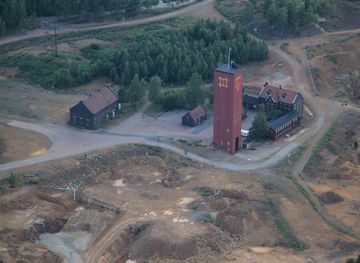
Explore more of Dalarna
Discover Dalarna: Sweden's enchanting region of lakes, forests, and rich cultural heritage, perfect for nature lovers and cultural enthusiasts alike.
Explore Dalarna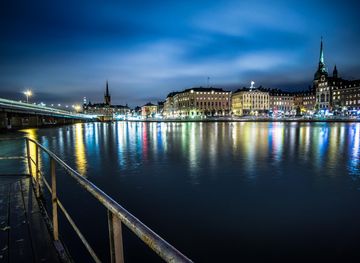
Explore more of Sweden
Discover Sweden's breathtaking landscapes, vibrant cities, and rich cultural heritage. From the Northern Lights to historic castles, experience the essence of Scandinavia.
Explore Sweden
