Hedemora Gamla Theater Travel Guide
Free Guide: A compact 1820s theatre barn in central Hedemora where attic performances, restored period detail and local theatre history meet in an intimate listed playhouse.


A brief summary of Hedemora Gamla Theater
A compact 1820s theatre barn in central Hedemora where attic performances, restored period detail and local theatre history meet in an intimate listed playhouse.
Hedemora Gamla Theater, locally known as Teaterladan, is a compact 19th‑century theatre barn in central Hedemora with a preserved attic playhouse and museum displays that trace provincial theatre life. Built in the late 1820s as a combined warehouse and performance space, the timber building keeps much of its restored period charm and stage craft heritage, and hosts summer performances and exhibitions that celebrate local dramatic traditions.
On-site amenities
 Information boards
 Seating areas
- Address
- Gussarvsgatan 10, 776 30 Hedemora
- Phone
- Website
Getting there
Regional bus
Car (self‑drive)
Train plus local taxi
Discover more about Hedemora Gamla Theater
Origin and unusual mixed use
The building now called Hedemora Gamla Theater began life in the 1820s as a merchant’s multifunctional brick-and-timber house: storage and trade on the lower floors and a theatre hall tucked into the attic level. This pragmatic combination — warehouse beneath, stage above — reflects the seasonal rhythms of provincial Sweden, where market weeks and travelling companies drove demand for short-run entertainments. Early playbills note the first recorded performance on 1 February 1829, marking the attic as an intentional theatrical space rather than an improvised stage.
Physical character and interior atmosphere
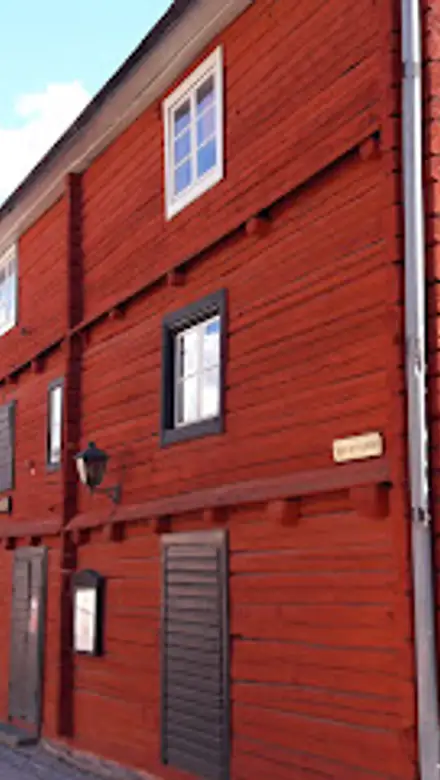
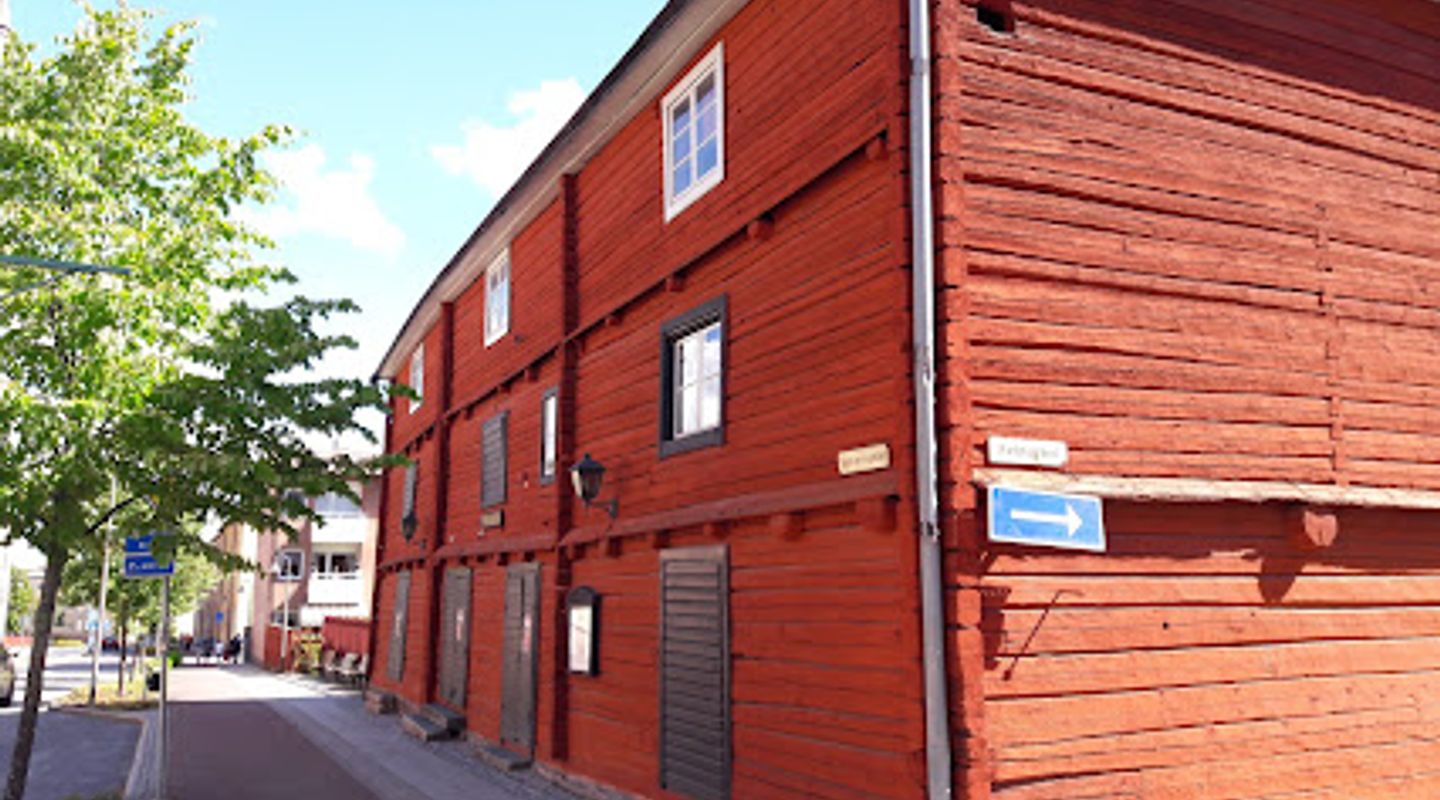
From the street the building reads as a simple, gabled vernacular structure; inside the upper hall contains the compact proportions of a 19th‑century playhouse: close sightlines, a shallow stage, painted walls and remnants of historic wallpaper and polychrome finishes revealed during later restorations. The texture of exposed timbers, narrow galleries and the warm wood scent of the auditorium combine to create an intimate atmosphere — a town-scale theatre where audience and performers share a short, immediate distance.
Restoration and cultural rebirth
After decades of changing uses — including a period rented to the Salvation Army and later service as a warehouse — the theatre lay dormant until a mid‑20th‑century restoration that returned the attic to theatrical use and conserved surviving interiors. The restoration, carried out in connection with a civic anniversary, consciously recreated period detail where original fabric was missing and integrated museum displays that interpret the site’s theatrical history. The building is now a listed structure and part of the region’s network of historic theatres.
Collections and local theatrical heritage
Ground-floor rooms host exhibitions that document provincial theatre life, including playbills, costumes and artefacts linked to local performers and touring companies. An exhibition area commemorates August Lindberg, a prominent actor and director born in the area, and places the Hedemora stage in a broader 19th‑century Swedish theatrical context. Displays are modest but focused, offering tangible links between the simple attic stage and the circulating theatrical practices of the era.
Contemporary use and seasonal character
Although primarily a heritage site, the theatre revives its original purpose during warmer months when local amateur groups stage summer productions in the upper hall. These performances exploit the building’s acoustic intimacy and historic stage geometry; when the house is set for a show the space reads as a living theatre rather than a static exhibit. Outside performance season the hall’s quiet, filtered light and compact scale reward close inspection of architectural details and painted surfaces.
Visitor experience and sensory notes
A visit feels domestic rather than monumental: footsteps creak on wooden floors, painted stage wings sit inches from audience benches, and the smell of old paper and wood lingers in display cases. The site is best appreciated slowly — inspecting the small exhibition rooms, pausing beneath the low eaves of the auditorium, and imagining the winter market crowds that once warmed the attic with their presence and their brought‑along heating aids. The building’s modesty is precisely its appeal: a preserved example of how small towns maintained theatrical life through adaptable architecture and civic engagement.
Evendo Review Centre
 Google
Guest reviews
Best time to go
Quietest: Jan, Nov & Dec · before 8am or from 9pm
Busy times are Evendo estimates for a typical year, to help you plan. Actual crowds vary with events, school holidays and the weather.
Explore Hedemora Gamla Theater on the map
A handpicked selection of must-see spots near Hedemora Gamla Theater, mapped for you.
Get your free copy of our complete guide to Hedemora Gamla Theater, delivered straight to you.
Everything on this page, from opening hours and how to get there to Eve’s tips and the best time to go, in one PDF you can read offline, print or share.
Already have an account? Sign in
Your Hedemora Gamla Theater guide is ready.
We'll send it to · Not you? Sign out

Getting your guide ready…
We are putting together a fresh copy of the Hedemora Gamla Theater guide. This can take up to a minute.
This can take a few moments. If your browser asks, choose Allow so the download can start. You'll find the guide in your Downloads folder.
Nothing happened? Download it again
Sorry, the guide is taking longer than usual. Please try again in a minute, or get it by email instead.
Other nearby places you may find interesting
The closest places of the same kind, if this one is not quite what you had in mind.
-
-
-
-

-


Swipe for more places
More to explore near Hedemora Gamla Theater

 Best experiences near Hedemora Gamla Theater
 Best hotels near Hedemora Gamla Theater
 Best landmarks near Hedemora Gamla Theater
 Best attractions near Hedemora Gamla Theater
 Best shops near Hedemora Gamla Theater
 Best restaurants near Hedemora Gamla Theater
 Best bars near Hedemora Gamla Theater
Do you manage this location?
Take control to get all the benefits, like improved information, better appearance, and stronger visibility across AI-powered discovery.
Explore more
Explore more of Dalarna
Discover Dalarna: Sweden's enchanting region of lakes, forests, and rich cultural heritage, perfect for nature lovers and cultural enthusiasts alike.
Explore Dalarna
Explore more of Sweden
Discover Sweden's breathtaking landscapes, vibrant cities, and rich cultural heritage. From the Northern Lights to historic castles, experience the essence of Scandinavia.
Explore Sweden