Krigsminne, Dalarna Travel Guide
A compact, atmospheric WWII aircraft wreck set in Drevsjø’s pines—a quiet outdoor memorial where metal, moss and memory meet.
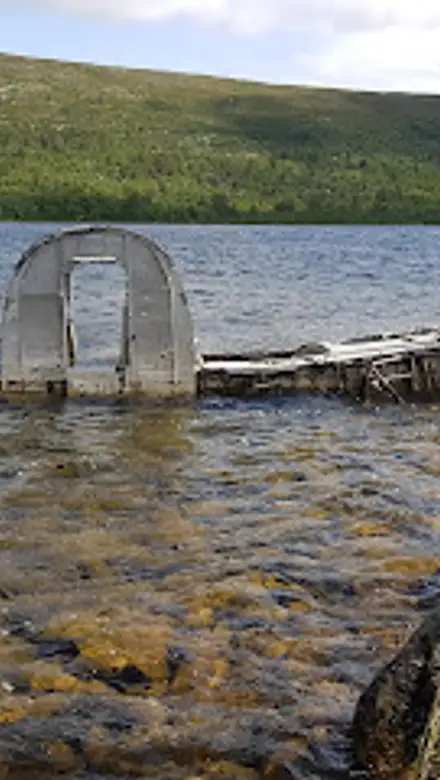
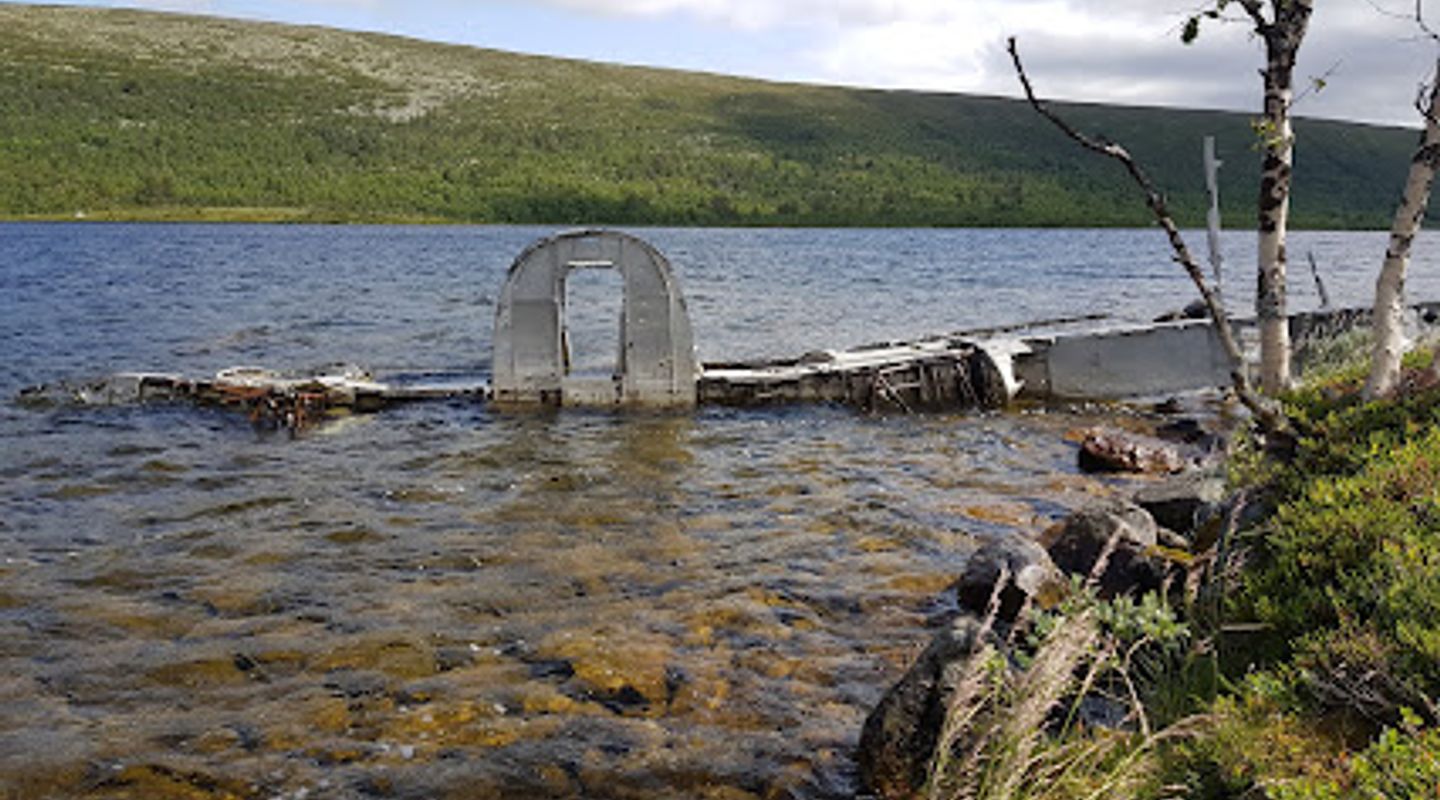
Krigsminne is an evocative outdoor memorial site near Drevsjø that preserves the wreckage of a World War II aircraft set among the boreal forest and low hills of Hedmark county. The rusting fuselage, scattered fragments and interpretive markers stand in quiet contrast to stands of pine and lichen-covered rock, offering a compact, atmospheric encounter with wartime history and the long slow work of nature reclaiming metal and memory.
A brief summary to Krigsminne
- Drevsjø, 2443, NO
- Duration: 0.25 to 1 hours
- Free
-
 Outdoor
- Mobile reception: 3 out of 5

Know before you go
Hi, I'm Eve. Here are a few practical things to know before exploring Krigsminne.
- Dress for uneven, natural terrain; stout footwear is recommended because the area around the wreck is rocky and covered in moss.
- Treat the wreck as a memorial: do not climb on or remove fragments and take any litter out with you to preserve the site.
- Visit at different times of day or season for changing light and atmospheres—sunrise and late afternoon bring the most dramatic shadows.
Do you manage this location?
Take control to get all the benefits, like improved information, better appearance, and stronger visibility across AI-powered discovery. Learn more about listing your business on Evendo
Activate your presenceOther nearby places you may find interesting
The closest places of the same kind, if this one is not quite what you had in mind.


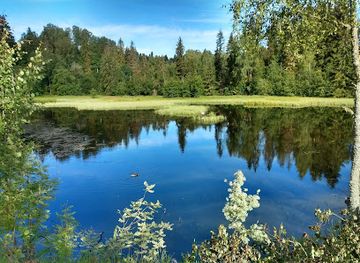
Explore Krigsminne on the Map
A handpicked selection of must-see spots near Krigsminne, mapped for you.
Getting There
-
By car (regional)
Drive from the Drevsjø village area by regional road; typical travel time from Drevsjø centre is 10–25 minutes depending on exact start point and seasonal road conditions. Expect single-lane rural roads with limited roadside parking near the site; parking is informal and may require a short walk over uneven ground. No tolls are required; fuel costs vary by vehicle.
-
Local bus + short walk
Use the regional bus service that serves Drevsjø (service frequency is limited, typically a few runs per day outside peak tourist season); travel time from the nearest larger town is roughly 45–90 minutes including transfers. From the nearest bus stop a 10–25 minute walk over natural terrain leads to the clearing; check timetables for seasonal schedules and allow extra time for lower-frequency rural services.
-
Guided local tour or ranger-led visit
Join a local guided walk offered by nearby visitor services or a privately run history walk; typical session length is 1.5–3 hours and often includes context about wartime activity in the area. Fees, when charged, are modest (estimate NOK 150–500 per person) and availability is seasonal, so bookings are recommended in summer months.
For the on-the-go comforts that matter to you
-
 Seating Areas
-
 Information Boards
-
 Trash Bins
Discover more about Krigsminne
Where wreckage meets woodland
Krigsminne sits in a stretch of mixed pine and birch typical of the Drevsjø area, where low rounded hills, exposed bedrock and scattered bogs form a quietly rugged backdrop. The site is compact: you approach a clearing and the first visual cue is the pale, corroded curve of an aircraft skin half-sunk into moss and heather. Around it, smaller fragments — wing sections, struts, a bent propeller blade — lie as if frozen mid-scatter. The immediate atmosphere is one of stillness; wind through needles and the occasional birdcall underscore the contrast between machine and landscape.Traces of a wartime story
The remains are a direct, physical reminder of wartime operations in northern Scandinavia. The wreck itself is not a restored museum piece but a preserved relic: metal eaten by time, rivets exposed, paint long gone, and riveted plates showing impact deformation. Any interpretive plaques at the clearing focus on identifying the site as a memorial and explaining the general wartime context rather than reconstructing a detailed narrative. The scale of the debris field helps visitors picture how an aircraft can be broken apart on impact and scattered by weather and time.Material textures and sensory details
Up close the wreckage reveals textures that resist romanticising: rough, flaky rust; jagged sheared metal; and soft green carpets of moss climbing the edges where water pools. Smells are those of forest — damp earth, resin from pine, and on clear days a clean, almost metallic taste to the air. Light plays across curved fuselage panels in changing ways: low sun throws long shadows and bright highlights on jagged edges, while overcast skies flatten contrast and accentuate colour shifts in the corroded surfaces.Landscape and seasonal moods
Krigsminne’s character shifts strongly with the seasons. In spring the site is framed by fresh green shoots and rushing meltwater. Summer brings long daylight and an intimate hush under tall pines. Autumn colours add a burnished frame to the wreck, while winter’s snow softens shapes and buries smaller fragments, turning the site into a pale, hushed tableau. The way the wreck sits in each season gives a different sense of time — both the human-time of the conflict and the geological-time of forest regrowth.Respectful visiting and interpretation
The site is presented as a memorial and historical trace, not a playground; visitors are asked to treat the wreckage with respect and to avoid climbing on the more fragile fragments. The setting is deliberately spare: signage is minimal so the primary encounter is with the object and the landscape. This restraint helps preserve the atmosphere of quiet contemplation and prevents further damage to weathered materials.Why it matters locally
For Drevsjø and surrounding communities, Krigsminne functions as a tangible link to a complex past woven into this remote landscape. It occupies a small physical footprint but a larger cultural space: a place where natural processes and human history intersect. The wreck invites reflection on the immediacy of events that once occurred here and on how landscapes carry memory across decades, allowing visitors to connect historical fact with sensory, present-moment experience.












Your all‑in‑one travel companion app
Explore expert travel guides, compare and book tours, experiences, hotels, and more—all from the palm of your hand. Download now for seamless trip planning wherever your wanderlust takes you.


Explore More of Dalarna
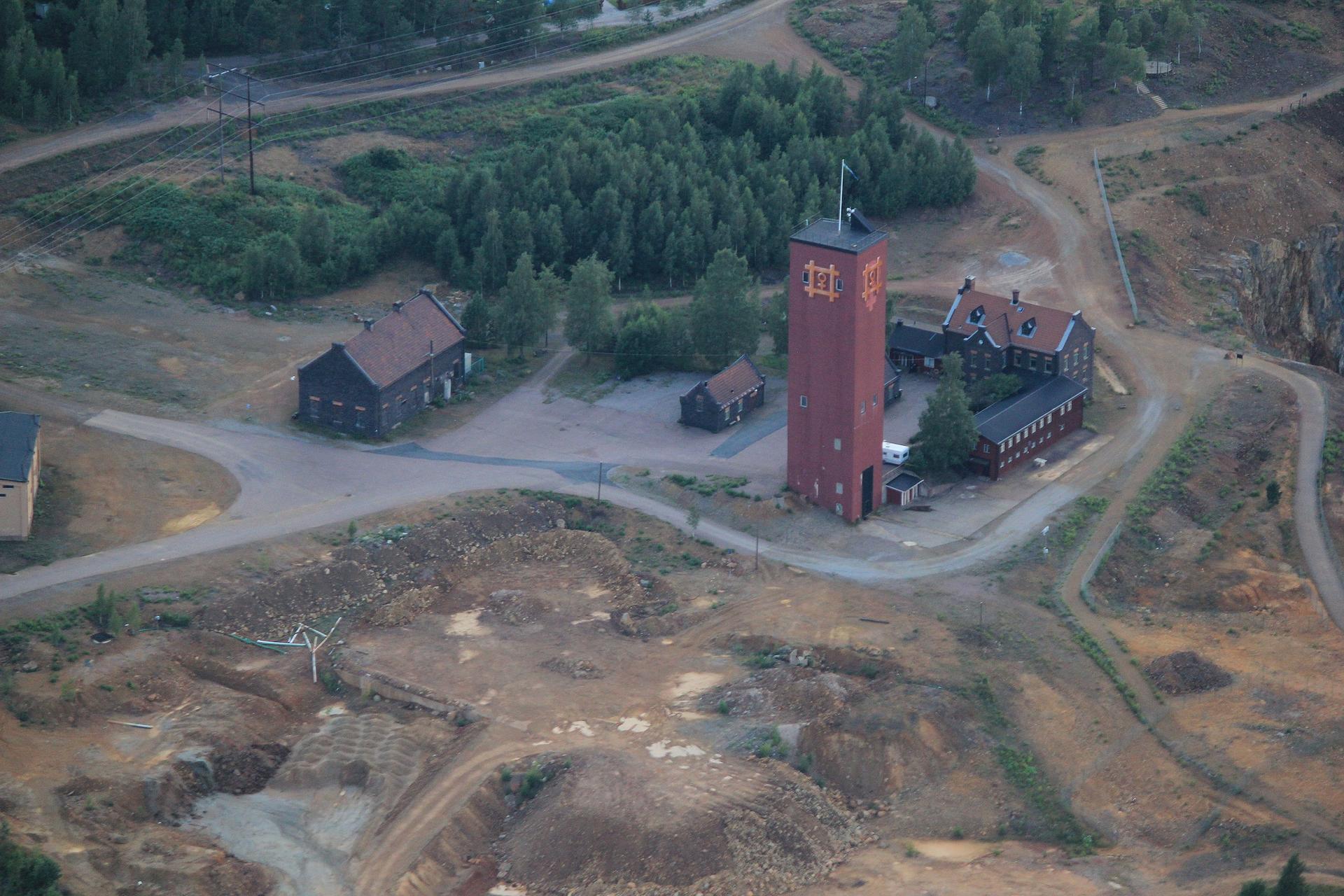
Looking beyond Krigsminne? Discover Dalarna for broader travel guides, local hot-spots, and regional highlights.
Explore Dalarna
An immense, sculpted wilderness of lakes, ridges and ancient pines — Sweden’s elemental canoeing and backcountry landscape near Tännäs.
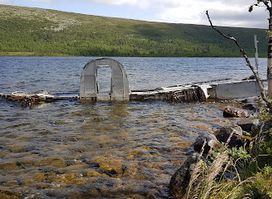
Discover war's quiet echoes amid Drevsjø's pristine forests and mountains—a serene fusion of WWII history and Norwegian wilderness wilderness at Krigsminne.