
Linneanum, Dalarna Travel Guide
A neoclassical orangery where living heritage plants, venerable laurels and a rich cactus collection meet Uppsala’s botanical teaching tradition.
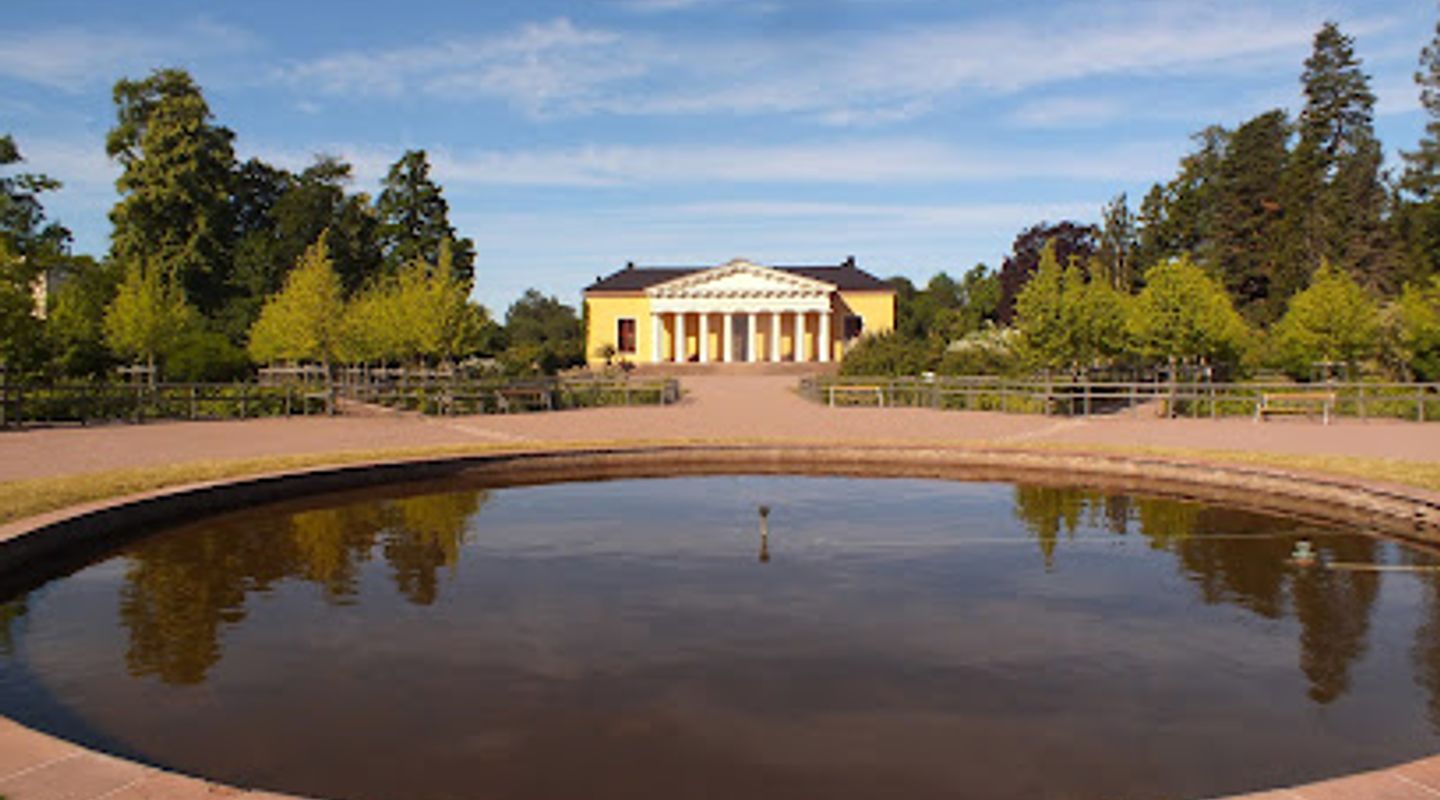
The Linneanum is a neoclassical orangery and ceremonial wing within Uppsala’s Botanical Garden that has sheltered exotic plants and botanical collections since 1807. Home to historic laurel tubs linked to Carl von Linné, extensive cacti and classic orangery species, the Linneanum alternates between a living winter home for tender plants and an airy cultural venue in summer.
A brief summary to Linneanum
- Thunbergsvägen 6, Uppsala, 752 38, SE
- Click to display
- Click to display
- Duration: 0.5 to 2 hours
- Free
-
 Mixed
Mixed
- Mobile reception: 4 out of 5
- Tuesday 9 am-3 pm
- Wednesday 9 am-3 pm
- Thursday 9 am-3 pm
- Friday 9 am-3 pm

Know before you go
Hi, I'm Eve. Here are a few practical things to know before exploring Linneanum.
- Check seasonal patterns: many of the tender plants are outdoors in summer while the orangery hosts exhibitions; winter visits highlight the indoor collections.
- Look for the oversized laurel tubs historically associated with Linnaeus and ask staff about the oldest cactus specimens and their provenance.
- Visit the adjoining Linnésalen and Thunbergssalen to appreciate restored period interiors and occasional displays tied to the university’s collections.
Do you manage this location?
Take control to get all the benefits, like improved information, better appearance, and stronger visibility across AI-powered discovery. Learn more about listing your business on Evendo
Activate your presenceOther nearby places you may find interesting
The closest places of the same kind, if this one is not quite what you had in mind.


Explore Linneanum on the Map
A handpicked selection of must-see spots near Linneanum, mapped for you.
Unlock the Best of Linneanum
Buy tickets
-
No tickets available
Book tours with entry
-
No tours available
Book tours without entry

Getting There
-
Local bus
City bus from Uppsala central area to a nearby stop (typical journey time 10–20 minutes depending on route). Services run frequently during daytime hours but reduce frequency evenings and public holidays; single‑ride fares are charged in Swedish krona and modern contactless payment or a local transport card are accepted (expect roughly 30–60 SEK per adult one way).
-
Regional train + short walk
Regional train to Uppsala station (travel time varies by origin); from the station allow 20–35 minutes to reach the garden on foot across urban streets or 8–12 minutes by local bus. Trains and buses run on regular schedules with ticketed fares in SEK; ensure you buy tickets before boarding and check service times on weekends and holidays.
-
Taxi or rideshare
Taxi from central Uppsala typically takes 6–12 minutes depending on traffic; fares vary by provider but expect a short trip charge plus per‑kilometre rate (roughly 80–160 SEK for typical central journeys). Taxis offer door-to-door access but may have reduced availability during late‑night hours or major events.
For the on-the-go comforts that matter to you
-
 Information Boards
-
 Seating Areas
Discover more about Linneanum
An 18th–19th century building with botanical purpose
Linneanum was conceived as a monument to botany and to Carl von Linné when funds from the late 18th century were used to create a new home for the university’s living collections. Completed and inaugurated in 1807, the building reflects neoclassical design ideas of the period and was planned as both a teaching space and a purpose-built shelter for sensitive plants. Its layout includes an orangeri (orangery) in the southern wing, with tall windows and high rooms optimised to store large tubs and winter-over shrubs that cannot survive the Swedish winter.Living collections and botanical continuity
Inside the orangery you’ll find plant types associated with classical orangeries: citrus and bay laurel kept in oversized tubs, fig and olive specimens, and a long-established cactus room that contains a broad range of succulent species. Some of the oldest specimens in the collection — notably long‑cultivated bay laurels — are grown in the same tradition as in Linnaeus’s era, offering a direct, living line to the university’s 18th‑century botanical practice. The horticultural programme moves many of these plants outdoors for the warmer months, so the building functions as both winter house and seasonal display chamber.Architecture, interiors and the ceremonial halls
The Linneanum’s façades and rooms embody restrained classicism: tall sash windows, symmetrical elevations and interiors once fitted out for lectures and collections. Linked to the orangery are two notable ceremonial rooms — the Linnésalen and Thunbergssalen — which were restored to reflect their historical character while accommodating occasional exhibitions and academic events. The orangery’s high glass bays and timber detailing create a luminous, greenhouse-like interior that reads as both functional horticultural space and dignified historic chamber.The cacti room and notable specimens
A highlight for many is the cactus collection — a heterogeneous assembly of columnar, globular and epiphytic cacti and succulents that thrives in the drier section of the orangery. Among them are century‑old specimens that horticultural records trace back for generations in Uppsala; local accounts have long linked at least one venerable cactus to the era of Linnaeus himself. The contrast between tropical palms, citrus, and arid succulents under one roof gives the interior a museum-like variety of form, texture and scent.Seasonal rhythm and cultural use
The building’s role changes with the seasons. From late spring through autumn the delicate specimens are brought into the open garden; the freed orangery then serves as a compact, atmospheric venue for exhibitions, concerts and university gatherings. In winter the rooms reclaim their horticultural function: windows blur into a muted light, leaves and branches press close to the glass, and the aroma of bay and citrus becomes a defining sensory note against the cold outside.Context within the Botanical Garden and Linnaean legacy
Sited within Uppsala’s broader botanical landscape, Linneanum anchors a sequence of garden rooms — from baroque parterres to rock gardens and tropical glasshouses — that together express the garden’s role in teaching, conservation and display. The building is both a functional greenhouse and a curated historical object, carrying layers of university history, horticultural technique and the continuing legacy of systematic botany associated with Carl von Linné.












Your all‑in‑one travel companion app
Explore expert travel guides, compare and book tours, experiences, hotels, and more—all from the palm of your hand. Download now for seamless trip planning wherever your wanderlust takes you.


Explore More of Dalarna
Looking beyond Linneanum? Discover Dalarna for broader travel guides, local hot-spots, and regional highlights.
Explore Dalarna