

Mentalvårdsmuseet Travel Guide
Free Guide: A contemplative museum in a former Säters sjukhus ward exploring 20th‑century psychiatric care through objects, art and patient stories.


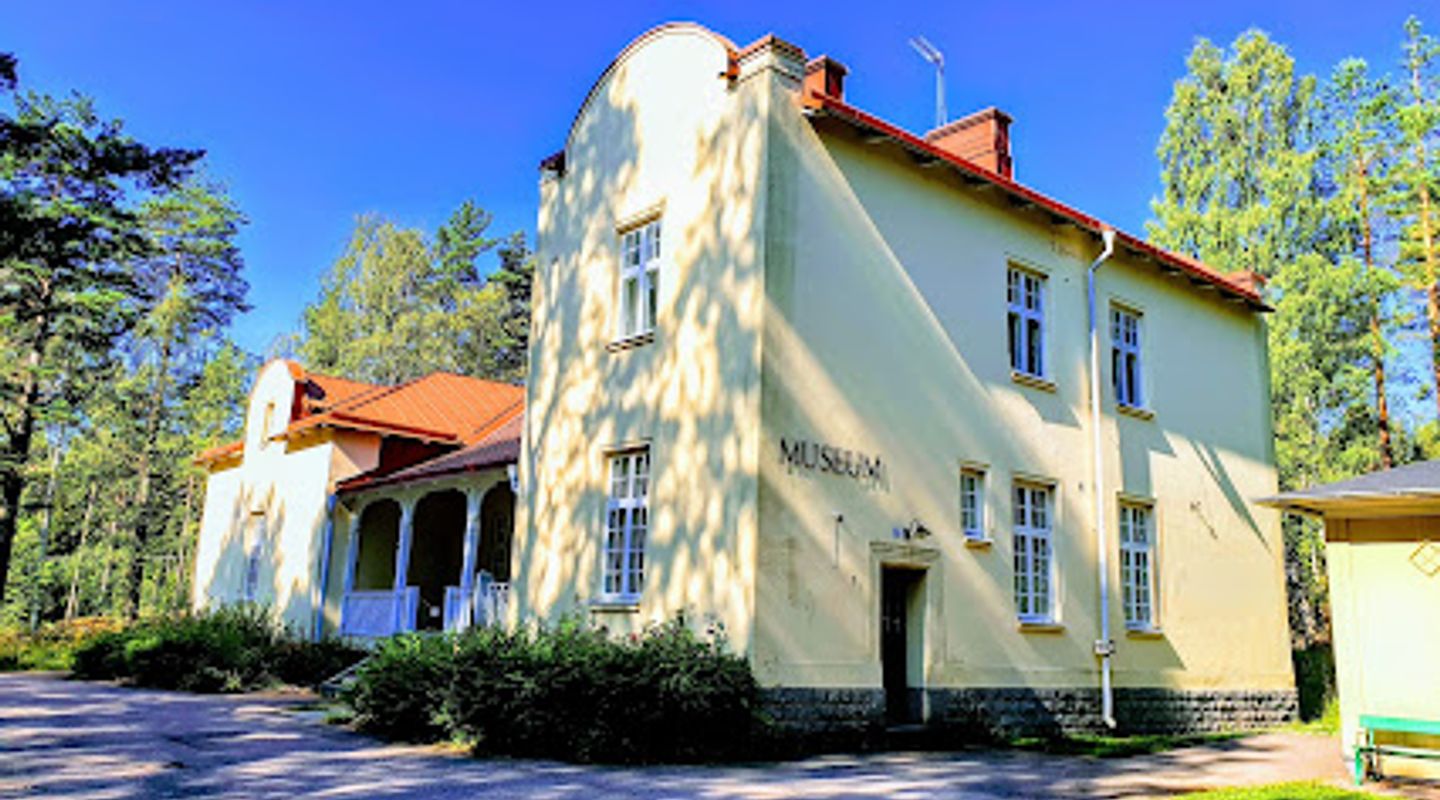
A brief summary of Mentalvårdsmuseet
A contemplative museum in a former Säters sjukhus ward exploring 20th‑century psychiatric care through objects, art and patient stories.
Mentalvårdsmuseet, housed in a former ward at Säters sjukhus, presents the century‑long history of psychiatric care in Sweden from 1912 through the late 20th century. Exhibits combine objects, archival material and patient‑created art to explore treatments, daily life and changing attitudes toward mental health, offering a reflective, context‑rich visit in a striking institutional setting.
On-site amenities
 Information boards
 Seating areas
- Address
- Länsvägen 16, 783 32 Säter
- Phone
- Website
Getting there
Regional bus
Local taxi
Rented car
Discover more about Mentalvårdsmuseet
Origins within a hospital town
Mentalvårdsmuseet sits in a former ward building on the grounds of Säters sjukhus, a large regional psychiatric hospital that opened in 1912 and shaped the town for much of the 20th century. The museum’s collections began as items saved and catalogued by hospital staff from the 1950s onward; those early efforts preserved uniforms, instruments, furniture, administrative records and artworks created by patients, building a material archive of institutional life over many decades.
What the displays include
Exhibition themes track the practical and ethical arc of psychiatric care: the architecture of large pavilions and wards, everyday objects from institutional routines, medical equipment and documentation of past treatments, and artworks and crafts that reveal patients’ creative lives. Panels and objects place those items in their historical context, showing how therapeutic ideas — from rest and occupation to more invasive interventions used in earlier eras — evolved alongside broader social and medical change.
Atmosphere and character of the site
The museum occupies an atmosphere that feels both institutional and intimate: long corridors, high ceilings and simple ward rooms contrast with small display cases, handwritten notes and personal artifacts. Light across worn wooden floors and pale walls creates a reflective setting; the building’s scale recalls the hospital’s role as a self‑contained community while the exhibits draw attention to individual lives within that system.
Voices, art and personal testimony
A notable strength of the museum is its attention to personal stories and creative expression. The collection includes art made by patients and objects that speak to daily routines, which together foreground lived experience rather than only clinical narratives. These materials open space for ethical reflection and conversation about how care was organised, the intentions behind treatments, and the social forces that shaped psychiatric practice.
Historical significance in a regional context
Säters sjukhus was once one of the larger Swedish institutions for mental healthcare; its presence influenced the town’s development and local identity. The museum frames that larger institutional history while documenting national changes in mental healthcare policy and practice across the 20th century, making it a focused resource for understanding how psychiatric care intersected with architecture, labour and community life.
Visiting tone and learning experience
Visits tend to be quiet and contemplative: the displays encourage careful reading and thought rather than flashy spectacle. Texts and objects ask visitors to confront difficult chapters of medical history while also recognising resilience and creativity. The museum functions as both historical repository and conversational space, suitable for visitors interested in medical history, social policy, art born in institutional contexts, and local heritage.
Evendo Review Centre
 Google
Guest reviews
Best time to go
Quietest: Jan, Feb & Nov · before 7am or from 7pm
Busy times are Evendo estimates for a typical year, to help you plan. Actual crowds vary with events, school holidays and the weather.
Explore Mentalvårdsmuseet on the map
A handpicked selection of must-see spots near Mentalvårdsmuseet, mapped for you.
Get your free copy of our complete guide to Mentalvårdsmuseet, delivered straight to you.
Everything on this page, from opening hours and how to get there to Eve’s tips and the best time to go, in one PDF you can read offline, print or share.
Already have an account? Sign in
Your Mentalvårdsmuseet guide is ready.
We'll send it to · Not you? Sign out

Getting your guide ready…
We are putting together a fresh copy of the Mentalvårdsmuseet guide. This can take up to a minute.
This can take a few moments. If your browser asks, choose Allow so the download can start. You'll find the guide in your Downloads folder.
Nothing happened? Download it again
Sorry, the guide is taking longer than usual. Please try again in a minute, or get it by email instead.
Other nearby places you may find interesting
The closest places of the same kind, if this one is not quite what you had in mind.
-
-
-
-

-


Swipe for more places
More to explore near Mentalvårdsmuseet

 Best experiences near Mentalvårdsmuseet
 Best hotels near Mentalvårdsmuseet
 Best landmarks near Mentalvårdsmuseet
 Best attractions near Mentalvårdsmuseet
 Best shops near Mentalvårdsmuseet
 Best restaurants near Mentalvårdsmuseet
 Best bars near Mentalvårdsmuseet
Do you manage this location?
Take control to get all the benefits, like improved information, better appearance, and stronger visibility across AI-powered discovery.
Explore more
Explore more of Dalarna
Discover Dalarna: Sweden's enchanting region of lakes, forests, and rich cultural heritage, perfect for nature lovers and cultural enthusiasts alike.
Explore Dalarna
Explore more of Sweden
Discover Sweden's breathtaking landscapes, vibrant cities, and rich cultural heritage. From the Northern Lights to historic castles, experience the essence of Scandinavia.
Explore Sweden
