Sala Silver Mine Travel Guide
Free Guide: A deep, atmospheric mining complex where centuries of silver extraction meet dramatic underground tours and preserved industrial architecture.


A brief summary of Sala Silver Mine
A deep, atmospheric mining complex where centuries of silver extraction meet dramatic underground tours and preserved industrial architecture.
Sala Silver Mine is a centuries-old mining complex and museum near Sala, Sweden, where silver was extracted for the Crown from the 15th century onward. The site preserves deep shafts, historic hoisting houses, workshops and an extensive above-ground mining landscape; guided tours descend into cavernous levels (commonly 60 m and 150 m) to reveal miners’ tools, engineered waterworks and dramatic subterranean chambers. The site also hosts events and an underground hotel suite for an immersive stay.
On-site amenities
 Restrooms
 Food options
 Seating areas
 Information boards
 Visitor centre
Opening hours
- Every day10 am–5 pm
Opening hours as listed on the venue’s Google Business Profile. Hours can change for services and special events, so check with the venue before you go.
- Address
- Drottning Christinas väg 9A, 733 36 Sala
- Phone
- Website
Getting there
By regional train + taxi
By car
By bus
Discover more about Sala Silver Mine
Origins and national significance
Sala Silver Mine began its recorded history in the late medieval era and by the 16th century had become one of Sweden’s most important sources of silver, supplying coinage and state revenue for centuries. The mining complex sits where rich veins cut through dolomitic marble and skarn-bearing rock; successive generations deepened shafts and drove galleries so the site grew into a layered industrial landscape. The mine’s long productive life—intermittently active from the 1400s into the 20th century—left a dense palimpsest of engineering solutions, from water-management dams and channels to timbered hoisting houses and ore-processing buildings.
What you see above ground
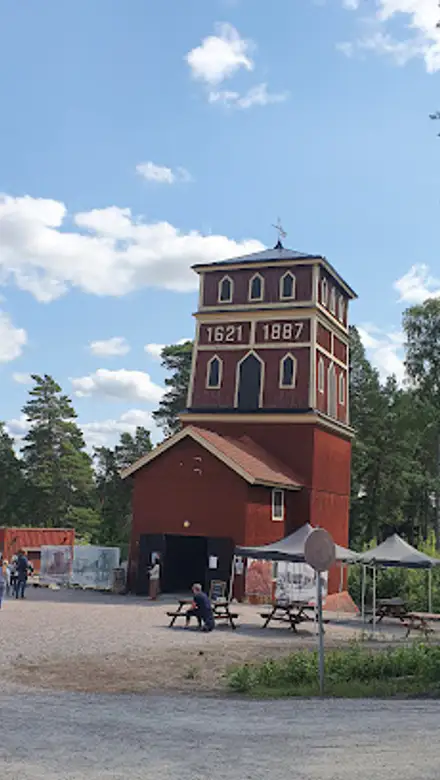
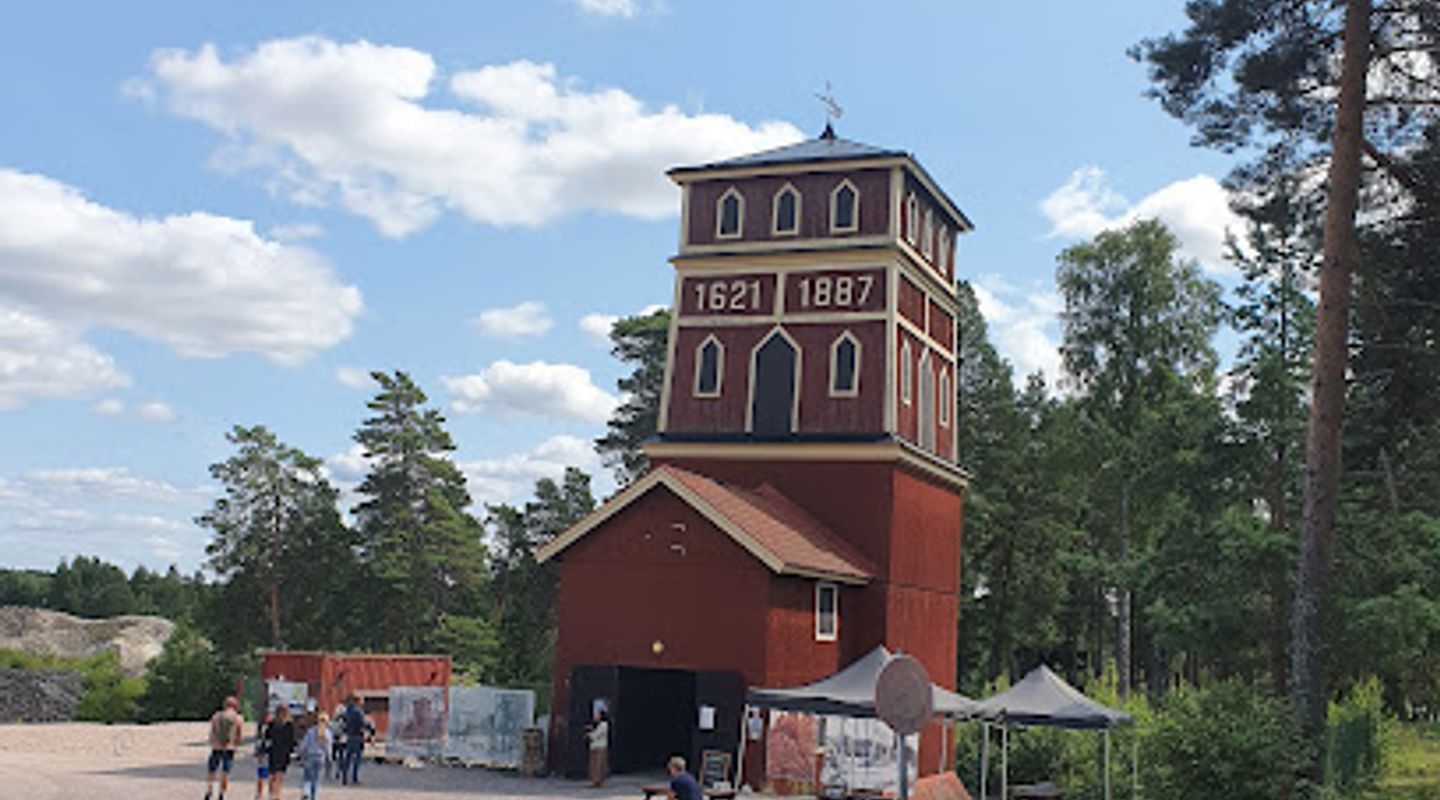
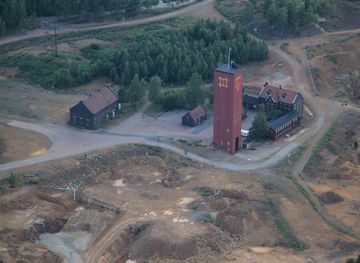
Above the ground, the mining area reads like an industrial village: hoist houses, workshops, the ore-sorting hall and a clock tower that anchors the complex visually. Many of the original masonry and timber structures survive, arranged around yards, transport routes and old dumps. The compact cluster of buildings gives clear evidence of the many trades that kept the mine operating—smithies, powder stores, administrative offices and baths—so exploring the surface precinct provides a strong sense of the logistical scale required to run a major pre-industrial extraction site.
The subterranean experience
Beneath the surface lie stepped levels, shafts and chambers cut into bedrock, some exposed to visitors on guided tours that reach roughly 60 metres on the shallower option or descend further to levels around 150 metres. Underground you encounter tight galleries, vaulted caverns, wooden supportwork and relic machinery that together communicate the rigour and danger of historical mining. The cool, damp atmosphere, the hush of stone and the sightlines into great vertical shafts create a theatrical setting where interpretive displays and a guide’s narration transform raw engineering into human stories of labour, ingenuity and risk.
Engineering and geology
The site’s geology—dolomitic marble intruded by skarn and veins of galena—produced silver-rich ore and a striking palette of greenish and white rock textures in cut faces. Over centuries engineers introduced pumps, waterways and hoisting solutions to manage groundwater and lift ore; surviving features illustrate the transition from manual and animal-driven methods to mechanised systems in the 19th century. The mine’s structural layout also demonstrates how shafts, crosscut galleries and connecting levels were planned to reach ore lenses while maintaining ventilation and drainage.
Cultural layers and visitor uses
Beyond mining relics, the place carries layers of civic and ceremonial associations: royal charters, visits by monarchs and the long social infrastructure that supported a mining population. Today the complex functions as a museum and event venue: guided tours, above-ground exhibits and occasional special events make use of both the historic buildings and underground chambers. An unusual feature of the site is an underground accommodation experience—an opportunity to understand scale and silence at depth by spending the night in converted chambers.
Character and sensory notes
The overall character balances stark, industrial forms with the quiet intimacy of old working spaces. On the surface the air carries mineral dust and wood smoke scents in cool weather; below ground the temperature falls and the soundscape narrows to echoing footsteps, distant drip of water and the low rumble of ventilation. Light is dim and directional in tunnels, throwing relief across carved stone and timber props; moving between levels is a physical, slow-motion act that reveals the vertical depth and human effort embedded in every carved face.
Evendo Review Centre
 Google
Guest reviews
Best time to go
Quietest: Jan, Feb & Dec · before 6am or at 10pm
Busy times are Evendo estimates for a typical year, to help you plan. Actual crowds vary with events, school holidays and the weather.
Explore Sala Silver Mine on the map
A handpicked selection of must-see spots near Sala Silver Mine, mapped for you.
Get your free copy of our complete guide to Sala Silver Mine, delivered straight to you.
Everything on this page, from opening hours and how to get there to Eve’s tips and the best time to go, in one PDF you can read offline, print or share.
Already have an account? Sign in
Your Sala Silver Mine guide is ready.
We'll send it to · Not you? Sign out

Getting your guide ready…
We are putting together a fresh copy of the Sala Silver Mine guide. This can take up to a minute.
This can take a few moments. If your browser asks, choose Allow so the download can start. You'll find the guide in your Downloads folder.
Nothing happened? Download it again
Sorry, the guide is taking longer than usual. Please try again in a minute, or get it by email instead.
Other nearby places you may find interesting
The closest places of the same kind, if this one is not quite what you had in mind.
-
-
-
-

-


Swipe for more places
More to explore near Sala Silver Mine

 Best experiences near Sala Silver Mine
 Best hotels near Sala Silver Mine
 Best landmarks near Sala Silver Mine
 Best attractions near Sala Silver Mine
 Best shops near Sala Silver Mine
 Best restaurants near Sala Silver Mine
 Best bars near Sala Silver Mine
Do you manage this location?
Take control to get all the benefits, like improved information, better appearance, and stronger visibility across AI-powered discovery.
Explore more
Explore more of Dalarna
Discover Dalarna: Sweden's enchanting region of lakes, forests, and rich cultural heritage, perfect for nature lovers and cultural enthusiasts alike.
Explore Dalarna
Explore more of Sweden
Discover Sweden's breathtaking landscapes, vibrant cities, and rich cultural heritage. From the Northern Lights to historic castles, experience the essence of Scandinavia.
Explore Sweden