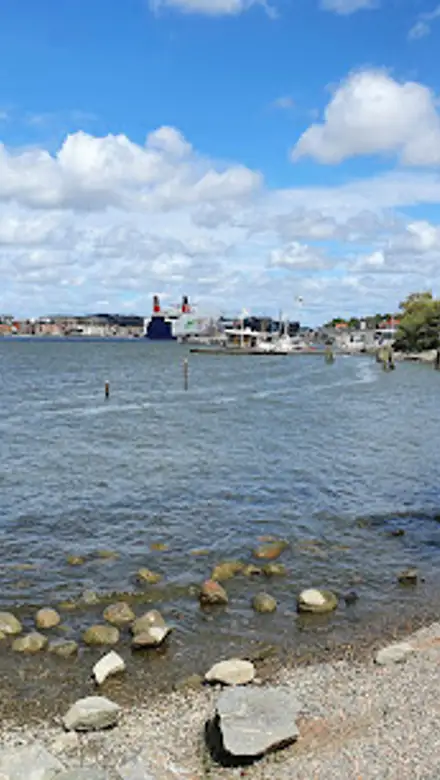
Eriksberg's Crane Travel Guide
Free Guide: A monumental gantry crane from Gothenburg’s shipbuilding era that now stands as the red‑steel landmark of Eriksberg’s waterfront.


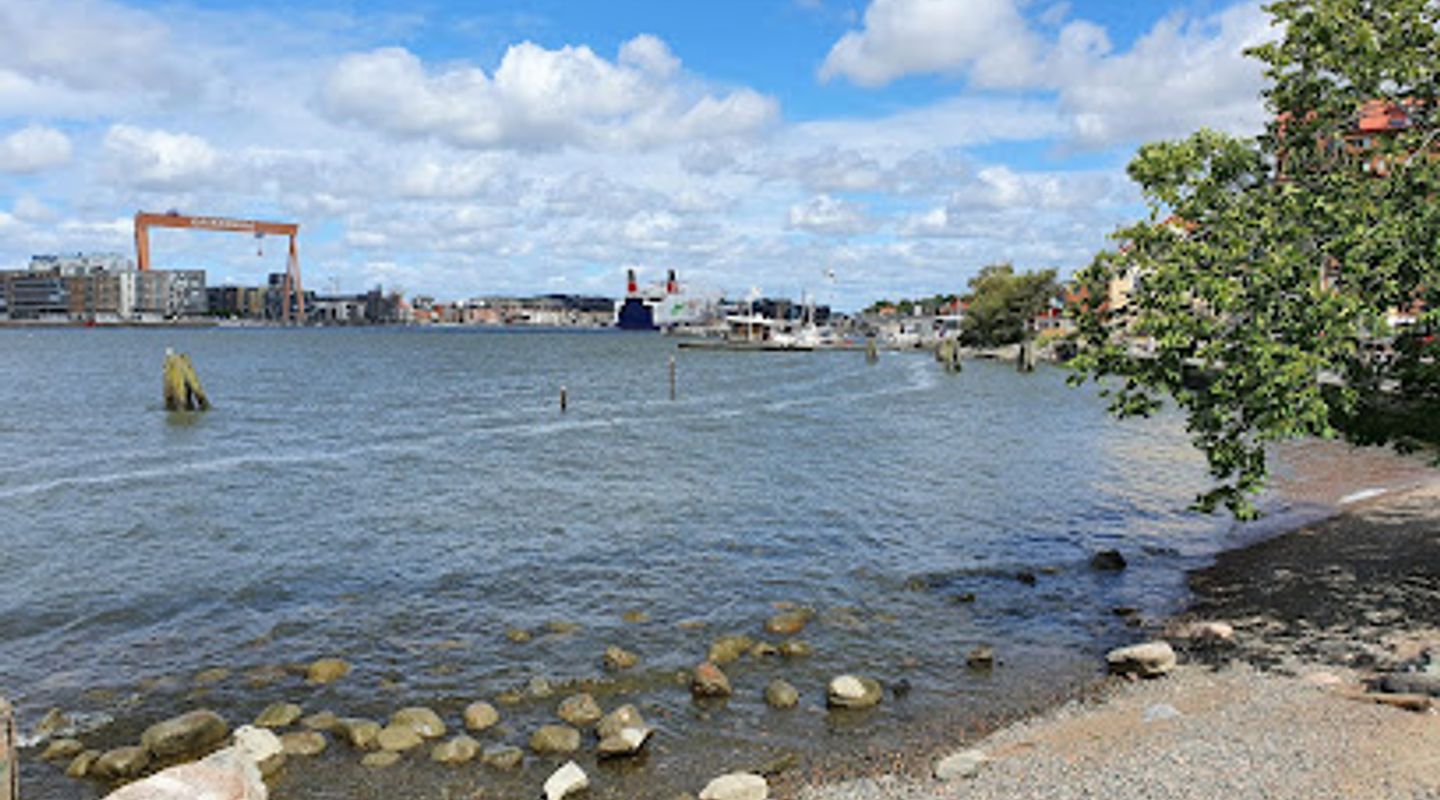
A brief summary of Eriksberg's Crane
A monumental gantry crane from Gothenburg’s shipbuilding era that now stands as the red‑steel landmark of Eriksberg’s waterfront.
A towering red gantry crane that crowns Gothenburg’s Eriksberg waterfront, the Eriksberg Crane is a preserved relic of Sweden’s shipbuilding heyday and a striking urban landmark. Erected in 1969 at the former Eriksberg shipyard, the 80–84 metre-high structure now anchors a redeveloped riverside neighbourhood, framing marina views, modern housing and occasional cultural events while reminding visitors of the area’s industrial past.
On-site amenities
 Seating areas
 Picnic areas
 Trash bins
 Information boards
Opening hours
- Every dayOpen 24 hours
Opening hours as listed on the venue’s Google Business Profile. Hours can change for services and special events, so check with the venue before you go.
- Address
- Monsungatan, 417 65 Göteborg
- Phone
- Website
Getting there
Tram + Walk
Ferry + Short Walk
Car (paid parking nearby)
Discover more about Eriksberg's Crane
Origins of a Harbour Giant
The Eriksberg Crane was built for heavy shipyard work in the late 1960s and assembled beside the Göta älv to service slipways and dry docks; its steel ribs, gantry form and machine-room silhouette are the legacy of an era when Gothenburg’s north bank hummed with shipbuilding activity.
Industrial Craft and Engineering Details
Fashioned in large sectional pieces and fitted with substantial hoisting gear, the crane demonstrates the scale and precision required for modern mid-20th-century ship construction; its gantry span and trolleying hoists were designed to lift hull sections and engines that weighed many tons, a purpose reflected in the machine’s bold, utilitarian geometry.
From Working Machine to Urban Landmark
When shipyard operations ceased in the late 1970s the crane outlived the industrial complex around it; rather than vanish it became a preserved structure, a visible reminder of the neighbourhood’s roots. Over subsequent decades the docklands were redeveloped into housing, marinas and public space, and the crane remained as a fixed point on the skyline, read now as both monument and meeting place.
How the Crane Shapes the Waterfront
Set beside the river, the crane frames views across the water and marks the transition from active port to mixed-use riverside. Its silhouette punctuates sunsets and harbour light, and from the quay the latticework and catwalks create a strong graphic presence that contrasts with glass-fronted apartment blocks and the small craft moored beneath.
Unexpected Uses and Cultural Resonance
Beyond heavy lifting, the crane has had intermittent secondary uses that speak to local imagination: viewing platforms and adventure activities have made use of its height, and its protected status ensures it is preserved as an artefact of industrial culture. The structure’s scale and accessibility have invited photographers, event organisers and artists to incorporate it into projects that link past and present.
Reading the Site Today
Approaching the crane, you sense a meeting of textures and sounds: the weathered paint, riveted steel and service ladders of large industrial machinery; the lapping of water against hulls; and the calmer rhythms of residential life in the redeveloped district. The crane anchors a neighbourhood where maritime memory is deliberately woven into contemporary urban life.
Evendo Review Centre
 Google
Guest reviews
Best time to go
Quietest: Jan, Feb & Dec · before 7am or from 10pm
Busy times are Evendo estimates for a typical year, to help you plan. Actual crowds vary with events, school holidays and the weather.
Explore Eriksberg's Crane on the map
A handpicked selection of must-see spots near Eriksberg's Crane, mapped for you.
Get your free copy of our complete guide to Eriksberg's Crane, delivered straight to you.
Everything on this page, from opening hours and how to get there to Eve’s tips and the best time to go, in one PDF you can read offline, print or share.
Already have an account? Sign in
Your Eriksberg's Crane guide is ready.
We'll send it to · Not you? Sign out

Getting your guide ready…
We are putting together a fresh copy of the Eriksberg's Crane guide. This can take up to a minute.
This can take a few moments. If your browser asks, choose Allow so the download can start. You'll find the guide in your Downloads folder.
Nothing happened? Download it again
Sorry, the guide is taking longer than usual. Please try again in a minute, or get it by email instead.
Other nearby places you may find interesting
The closest places of the same kind, if this one is not quite what you had in mind.
-
-
-
-
-


Swipe for more places
More to explore near Eriksberg's Crane

 Best experiences near Eriksberg's Crane
 Best hotels near Eriksberg's Crane
 Best landmarks near Eriksberg's Crane
 Best attractions near Eriksberg's Crane
 Best shops near Eriksberg's Crane
 Best restaurants near Eriksberg's Crane
 Best bars near Eriksberg's Crane
Do you manage this location?
Take control to get all the benefits, like improved information, better appearance, and stronger visibility across AI-powered discovery.
Explore more
Explore more of Dalarna
Discover Dalarna: Sweden's enchanting region of lakes, forests, and rich cultural heritage, perfect for nature lovers and cultural enthusiasts alike.
Explore Dalarna
Explore more of Sweden
Discover Sweden's breathtaking landscapes, vibrant cities, and rich cultural heritage. From the Northern Lights to historic castles, experience the essence of Scandinavia.
Explore Sweden