

Læsø stenen Travel Guide
Free Guide: A modest boulder in a quiet forest clearing marking the ancient seabed where Læsø first rose from the sea, telling the island’s deep geological tale.


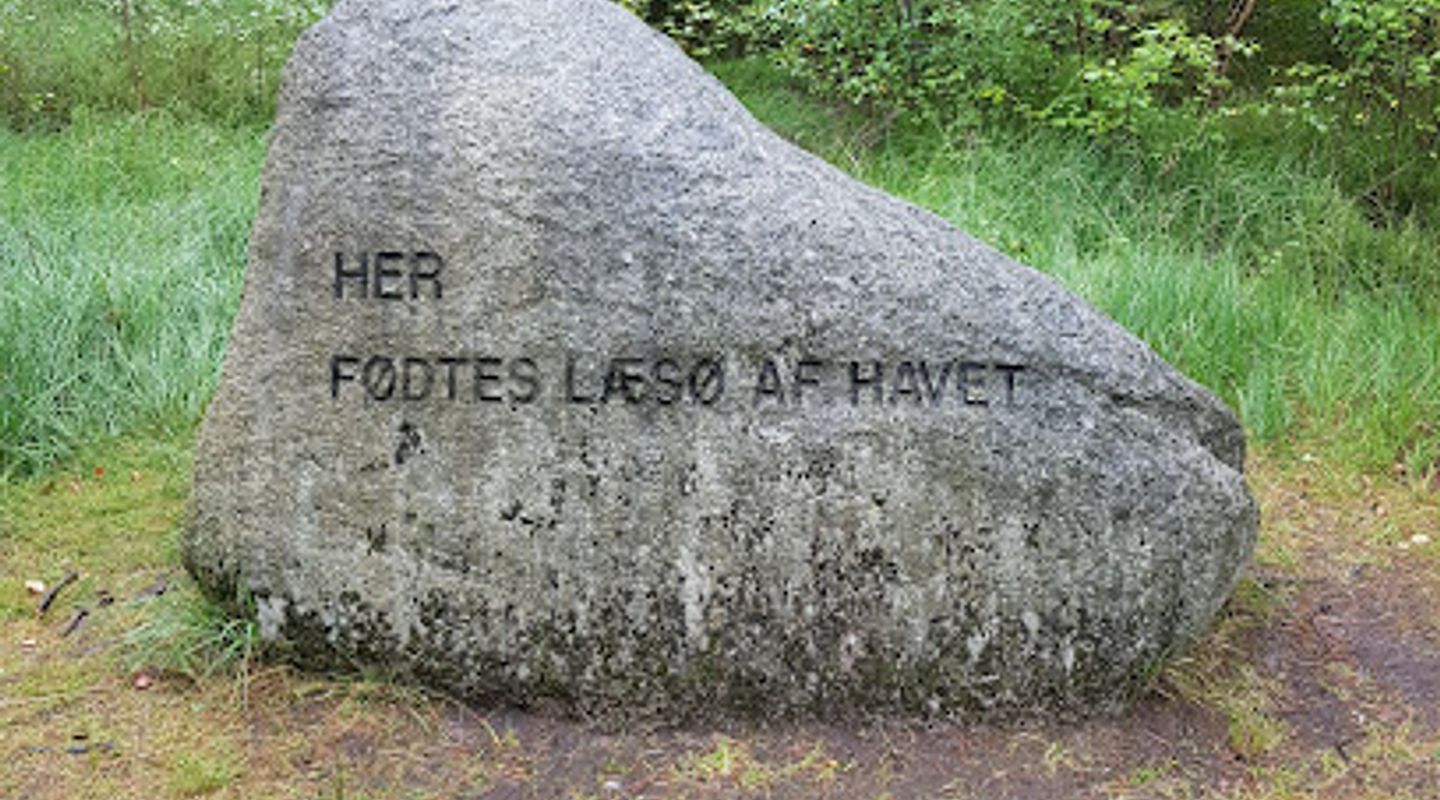
A brief summary of Læsø stenen
A modest boulder in a quiet forest clearing marking the ancient seabed where Læsø first rose from the sea, telling the island’s deep geological tale.
Læsø Stenen is a modest but symbolically powerful monument tucked inside Læsø Klitplantage, marking the spot where the island is believed to have first risen from the sea thousands of years ago. A single standing boulder and an information board tell the geologic story of Læsø’s slow emergence, land uplift and shifting coasts. Surrounded by plantations, heath and sandy forest tracks, it is an easy, wheelchair-accessible cultural stop that blends quiet woodland atmosphere with a deep sense of time.
On-site amenities
 Information boards
 Trash bins
 Seating areas
- Address
- Nær Storedalsvej, 9940, 9940 Læsø
- Website
Getting there
Car from Byrum (central Læsø)
Bicycle from Vesterø Harbour
Local bus connection on Læsø
Discover more about Læsø stenen
Where an Island Emerged from the Sea
Læsø Stenen stands in a clearing of Læsø Klitplantage, marking the place where the island is thought to have become permanent dry land roughly four to five millennia ago. Here, long after the last ice age, the seabed slowly rose as the Earth’s crust rebounded from the weight of the ice. What is now a tranquil forest once lay beneath shallow waves, dotted with reefs and erratic boulders carried by glaciers from Norway and Sweden.The boulder itself is not dramatic in size, but its presence is deeply symbolic. It anchors an abstract geological process in a single, tangible object. Standing beside it, you are quite literally at the “birthplace” of Læsø in geological terms, where a submerged platform of clay and stones gradually emerged into the light.
Reading the Landscape Around the Stone
The surrounding Klitplantage tells the second half of the island’s story. Centuries of intensive salt production once stripped Læsø of trees and left drifting sand to scour the island, creating a harsh, near‑treeless landscape. The plantation was later established to bind the sand, protect fields and settlements, and reshape the environment into the sheltered woodland you see today.As you move along the sandy paths, the contrast is striking: dense conifers, patches of heather and open glades where light pours in. The modest monument becomes a gateway to reading subtle clues in the landscape—old dunes, low ridges and moist hollows—that reveal how the coast has shifted and how humans have tried to tame the sand.
Stories Written in Stone and Ice
The information board beside Læsø Stenen sets the scene, but the wider island is full of related “characters” in this geological drama. Across Læsø, large boulders protrude from fields and shorelines, remnants of multiple ice ages. Some have inspired folklore: girls escaping angry bulls on high rocks, treasure said to be buried near lonely stones, and reefs associated with shipwrecks and sailors’ graves.Læsø Stenen links these tales to hard science. It represents a point on a vast clay platform more than 200 square kilometres in size, sprinkled with stones left behind as ice sheets melted and waves reworked the seabed. From here, you can imagine the submerged landscape that once stretched far beyond today’s shore, slowly tipping above sea level.
A Quiet Cultural Pause in the Forest
In practical terms, this is a simple, low‑key stop: a parking area near Storedalsvej, a short, level approach and a single boulder with an explanatory panel. The atmosphere is calm, shaped more by birdsong and wind in the trees than by spectacle. It works well as a short pause on a wider circuit of the island, perhaps combined with the saltworks, beaches or viewpoints.Because the approach is flat and signposted, it is suitable for most visitors, including wheelchair users and families with strollers. There are no elaborate facilities, but the ease of access and the compact scale make it an ideal place for a reflective break in the middle of Læsø’s changing landscapes.
Reflecting on Deep Time
What stays with many visitors is not the size of the stone, but the shift in perspective it offers. Here, everyday concerns feel small against the timescale of land uplift measured in millimetres per year and the memory of ice sheets kilometres thick. The plantation trees, the road and even the island’s villages are recent chapters in a story that began on the seabed.Take a moment to look up through the canopy and picture waves once rolling over this very spot. Læsø Stenen quietly invites you to think about how coasts move, islands grow and humans adapt, and how a single, unassuming boulder can carry the weight of an island’s origin story.
Evendo Review Centre
 Google
Guest reviews
Best time to go
Quietest: Jan, Feb & Mar · before 7am or from 9pm
Busy times are Evendo estimates for a typical year, to help you plan. Actual crowds vary with events, school holidays and the weather.
Explore Læsø stenen on the map
A handpicked selection of must-see spots near Læsø stenen, mapped for you.
Get your free copy of our complete guide to Læsø stenen, delivered straight to you.
Everything on this page, from opening hours and how to get there to Eve’s tips and the best time to go, in one PDF you can read offline, print or share.
Already have an account? Sign in
Your Læsø stenen guide is ready.
We'll send it to · Not you? Sign out

Getting your guide ready…
We are putting together a fresh copy of the Læsø stenen guide. This can take up to a minute.
This can take a few moments. If your browser asks, choose Allow so the download can start. You'll find the guide in your Downloads folder.
Nothing happened? Download it again
Sorry, the guide is taking longer than usual. Please try again in a minute, or get it by email instead.
Other nearby places you may find interesting
The closest places of the same kind, if this one is not quite what you had in mind.

Swipe for more places
More to explore near Læsø stenen

 Best experiences near Læsø stenen
 Best hotels near Læsø stenen
 Best landmarks near Læsø stenen
 Best attractions near Læsø stenen
 Best shops near Læsø stenen
 Best restaurants near Læsø stenen
 Best bars near Læsø stenen
Do you manage this location?
Take control to get all the benefits, like improved information, better appearance, and stronger visibility across AI-powered discovery.
Explore more
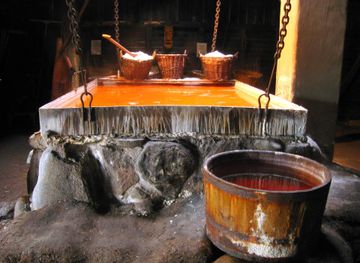
Explore more of Læsø
Læsø: Discover Denmark's serene island escape with its tranquil beaches, rich cultural heritage, unique saltworks, and delicious seafood cuisine.
Explore Læsø
Explore more of Denmark
Discover Denmark: A perfect blend of history, modern design, and the cozy concept of hygge. Explore vibrant cities, serene landscapes, and world-class cuisine.
Explore Denmark
