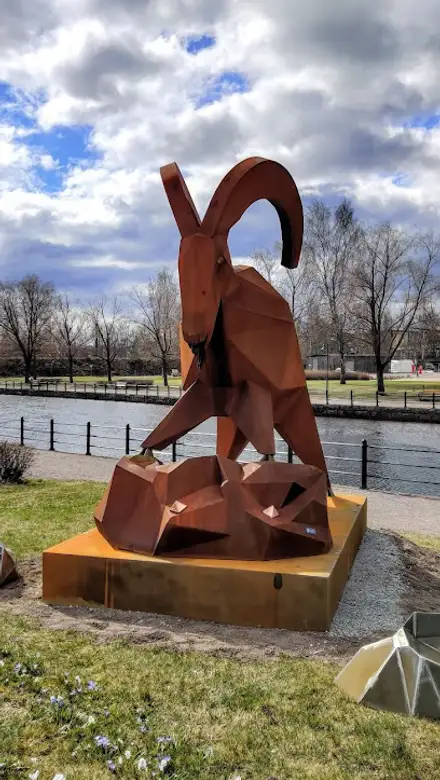
Kårebocken Travel Guide
Free Guide: A compact carved goat that embodies Falun’s founding mining legend and anchors local folklore in the old mining quarter.


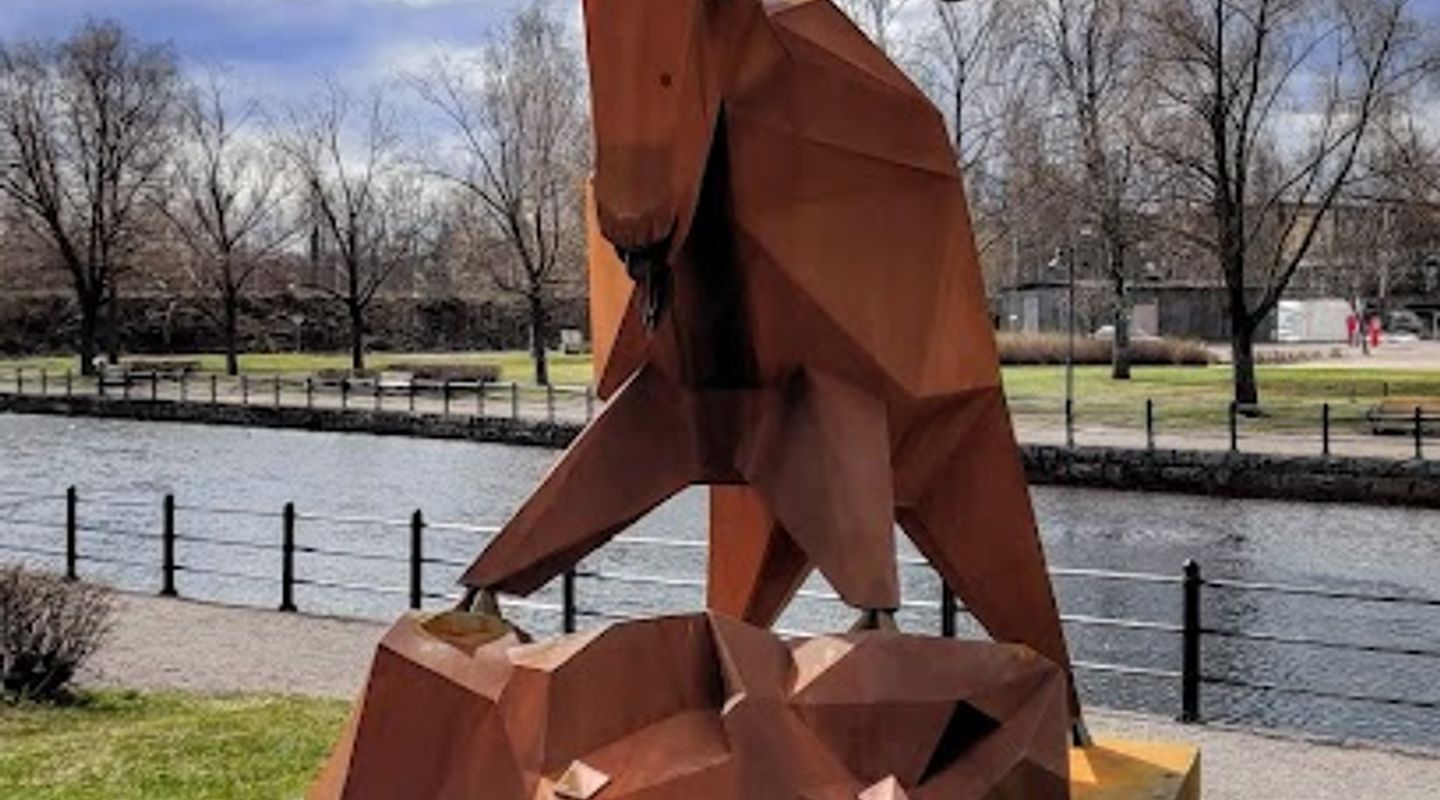
A brief summary of Kårebocken
A compact carved goat that embodies Falun’s founding mining legend and anchors local folklore in the old mining quarter.
Kårebocken is a small but evocative historic landmark in Falun tied to the founding legend of the Falu copper mine: a carved goat, Kåre, long believed to have ‘discovered’ the ore when it scraped its horns against the ground. The marker sits on Gruvgatan near the old mining quarter and acts as a tangible reminder of the town’s medieval mining origins and local folklore, entwining nature, craft and civic identity.
On-site amenities
 Seating areas
 Information boards
 Trash bins
- Address
- Gruvgatan, 791 71 Falun
Getting there
Taxi or Rideshare
Public bus
Walk from Falun centre
Discover more about Kårebocken
Origin of a local emblem
Kårebocken is inseparable from the ancient legend that credits a goat named Kåre with discovering the rich copper deposits beneath Falun. The tale — part folk memory, part civic myth — describes a goat scraping its horns or rubbing against a tree and thereby revealing mineralised soil, an origin story woven into the identity of the town and the mine that shaped it. Though the carved figure you see today is a modest object, the story it stands for reaches back centuries and echoes the local connection between animal behavior, landscape and resource use.
What the site looks and feels like
The landmark is typically a small carved goat (or a marker representing that image) positioned close to Gruvgatan in Falun’s historic mining district. You’ll notice the scale is intimate rather than monumental: the figure’s weathered wood or painted surfaces, the patina of age, and the small base that anchors it to the pavement or a low plinth. The immediate setting is urban yet historic — cobbled or paved street surfaces, period buildings and traces of mining-era architecture nearby — which gives the piece the dual feeling of a neighborhood curiosity and a civic talisman.
Connection to Falun’s mining story
The goat figure is a symbol of the discovery and development of the Falu copper mine, an enterprise that defined the town’s economy and landscape for centuries. The Kårebocken motif appears in local accounts, news items and municipal notices as a shorthand for the mythic moment when mineral wealth entered communal life. That symbolic role means the marker functions less as an art installation and more as a cultural memory device: a place where story and place intersect.
Historic transformations and resilience
Over time Kårebocken has existed in multiple material forms and in shifting locations; accounts speak of earlier wooden figures, replacements and occasional damage from weather or fire. The form that stands (or stood) near Gruvgatan connects with municipal efforts to preserve mining heritage and to keep the old stories visible in public space. This continuity — the idea of replacing, restoring or memorialising the goat — underlines how communities maintain linkages to origin myths even as buildings and uses change.
Sensory details and small-scale discoveries
Approach the marker slowly to take in modest tactile details: the grain of carved wood, flaking paint, the smell of rain on old timber and the low ambient sounds of a small city — footsteps, distant traffic, the murmur of people passing. At close range the goat feels human-scaled and approachable: an object you might touch, photograph or pause beside while reading a brief plaque or legend printed nearby. Its intimacy encourages reflection on how simple objects carry complex histories.
Why the goat still matters
Kårebocken endures because it compresses a long story into a compact emblem: animal instinct meets geology, and community memory meets everyday place. Whether you’re interested in folklore, industrial history or municipal identity, the goat offers a mnemonic pivot point — a reminder that landscapes are interpreted through story, and that small crafted objects can keep those stories alive in the urban fabric.
Evendo Review Centre
 Google
Guest reviews
Best time to go
Quietest: Jan, Feb & Dec · before 7am or from 8pm
Busy times are Evendo estimates for a typical year, to help you plan. Actual crowds vary with events, school holidays and the weather.
Explore Kårebocken on the map
A handpicked selection of must-see spots near Kårebocken, mapped for you.
Get your free copy of our complete guide to Kårebocken, delivered straight to you.
Everything on this page, from opening hours and how to get there to Eve’s tips and the best time to go, in one PDF you can read offline, print or share.
Already have an account? Sign in
Your Kårebocken guide is ready.
We'll send it to · Not you? Sign out

Getting your guide ready…
We are putting together a fresh copy of the Kårebocken guide. This can take up to a minute.
This can take a few moments. If your browser asks, choose Allow so the download can start. You'll find the guide in your Downloads folder.
Nothing happened? Download it again
Sorry, the guide is taking longer than usual. Please try again in a minute, or get it by email instead.
Other nearby places you may find interesting
The closest places of the same kind, if this one is not quite what you had in mind.
-
-
-
-
-


Swipe for more places
More to explore near Kårebocken

 Best experiences near Kårebocken
 Best hotels near Kårebocken
 Best landmarks near Kårebocken
 Best attractions near Kårebocken
 Best shops near Kårebocken
 Best restaurants near Kårebocken
 Best bars near Kårebocken
Do you manage this location?
Take control to get all the benefits, like improved information, better appearance, and stronger visibility across AI-powered discovery.
Explore more
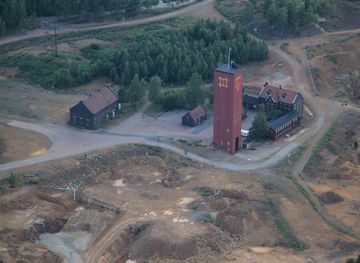
Explore more of Dalarna
Discover Dalarna: Sweden's enchanting region of lakes, forests, and rich cultural heritage, perfect for nature lovers and cultural enthusiasts alike.
Explore Dalarna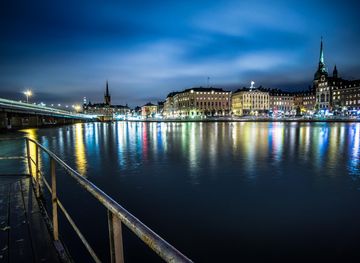
Explore more of Sweden
Discover Sweden's breathtaking landscapes, vibrant cities, and rich cultural heritage. From the Northern Lights to historic castles, experience the essence of Scandinavia.
Explore Sweden