Österbybruks Herrgård Travel Guide
Free Guide: Elegant 18th-century manor anchoring Uppland's premier preserved ironworks, with rare Walloon forge, serene dam, and storied industrial heritage.


A brief summary of Österbybruks Herrgård
Elegant 18th-century manor anchoring Uppland's premier preserved ironworks, with rare Walloon forge, serene dam, and storied industrial heritage.
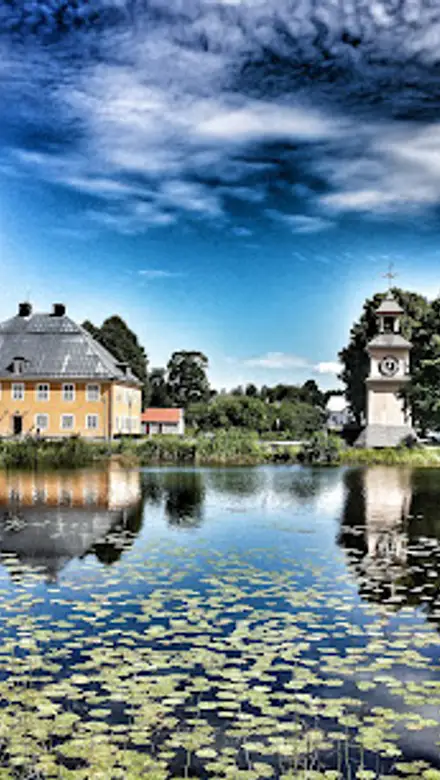
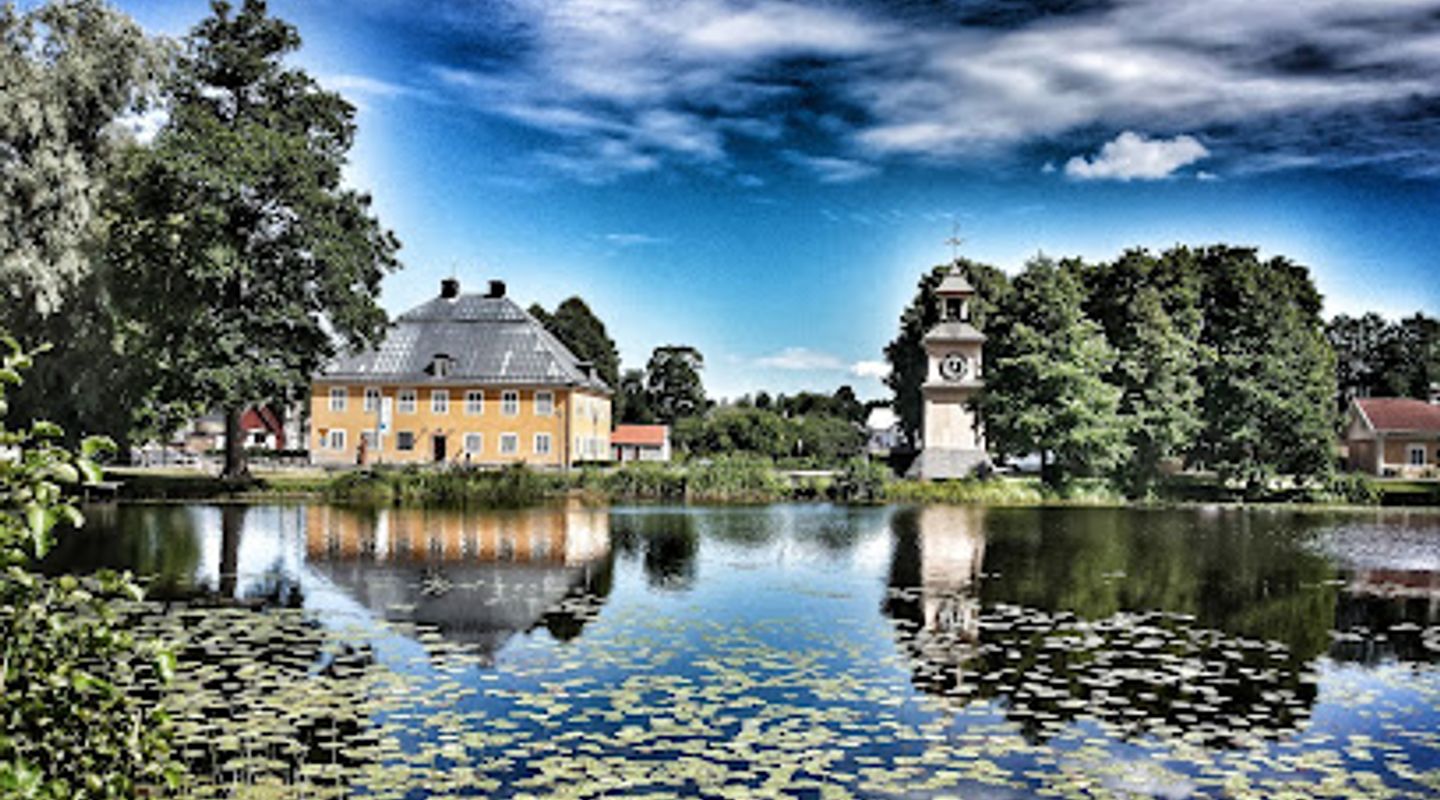
Österbybruks Herrgård stands as the elegant centerpiece of one of Uppland's largest preserved ironworks villages, dating back to the 16th century. This stately 18th-century manor overlooks a serene dam and park, surrounded by historic forge buildings, worker cottages, and the rare Walloon smithy—offering a vivid glimpse into Sweden's industrial heritage amid lush Roslagen landscapes.
On-site amenities
 Restrooms
 Drink options
 Food options
 Seating areas
 Trash bins
 Information boards
- Address
- Herrgårdsvägen 1, Box 46, 748 32 Österbybruk
- Phone
- Website
Getting there
Car
Bus
Taxi
Discover more about Österbybruks Herrgård
Manor Amid Ironworks Legacy
Nestled in the heart of Österbybruk, the Herrgård commands attention with its graceful 18th-century architecture, completed in 1780 under the patronage of Claes Grill. Originally built for the estate managers of this bustling ironworks, the manor exemplifies the opulence that contrasted with the gritty labor of iron production. Surrounding it, the Herrgårdsdammen—a vital millpond—powers the memory of hammers and forges that once echoed through the valley.The park, with its manicured lawns and tree-lined paths, invites quiet reflection on centuries of industrial innovation. Today, the manor anchors a living museum of Sweden's iron age, where high-quality bar iron from nearby Dannemora mines fueled exports across Europe.
Walloon Forging Mastery
At the site's core lies the preserved Walloon smithy by the dam, one of the world's few intact examples from the 17th century. Walloon smiths from present-day Belgium revolutionized ironworking here, using dual hearths to refine pig iron into superior wrought iron—low in impurities and ideal for tools and weapons. This technique, introduced by Louis de Geer in the 1640s, transformed Österbybruk into a hub of excellence.The smithy's robust stone structure, rebuilt in 1794, stands as a testament to enduring craftsmanship. Visitors can almost hear the roar of bellows and clang of hammers that shaped Sweden's economic rise during the 17th and 18th centuries.
Bruksmiljö's Timeless Harmony
The bruksmiljö encompasses 76 protected buildings, forming Uppland's premier industrial heritage site. Worker housing lines Gimogatan and Långgatan—simple, plastered facades from the 1700s and 1880s that housed families tied to the forges. Three hammer mills once harnessed the dams' waterpower, driving bellows and massive iron hammers.This compact village layout, centered between Herrgårdsdammen and Oppdammen, creates an immersive atmosphere of bygone eras. Modern industries linger nearby, but the core remains a protected byggnadsminne since 1996, safeguarding its cultural and industrial narrative.
From Medieval Origins to De Geer Dynasty
Österbybruk's roots trace to the 1400s as an outlying farm of Örbyhus castle. Gustav Vasa established the ironworks in the 1500s for wartime production, later leasing it to Louis de Geer, whose family dominated for generations. Walloon expertise elevated the bruk, processing premium magnetite ore from Dannemora mines just kilometers away.Ownership passed to Claes Grill of the Ostindiska Kompani in 1758, then to the Tamm family, blending commerce, industry, and aristocracy. Production peaked in the 18th century, with 18,000 tons of ore fueling Sweden's export prowess before closure in 1983.
Park and Waterside Serenity
The Herrgård's park unfolds as a verdant oasis, framed by the shimmering dam where water once propelled industrial might. Pathways wind past ancient trees, evoking the leisure pursuits of bygone owners amid the hum of forges. Seasonal events like festivals breathe life into this historic setting, connecting past labors to present-day appreciation.
Evendo Review Centre
 Google
Guest reviews
Best time to go
Quietest: Jan, Feb & Mar · before 7am or from 9pm
Busy times are Evendo estimates for a typical year, to help you plan. Actual crowds vary with events, school holidays and the weather.
Explore Österbybruks Herrgård on the map
A handpicked selection of must-see spots near Österbybruks Herrgård, mapped for you.
Get your free copy of our complete guide to Österbybruks Herrgård, delivered straight to you.
Everything on this page, from opening hours and how to get there to Eve’s tips and the best time to go, in one PDF you can read offline, print or share.
Already have an account? Sign in
Your Österbybruks Herrgård guide is ready.
We'll send it to · Not you? Sign out

Getting your guide ready…
We are putting together a fresh copy of the Österbybruks Herrgård guide. This can take up to a minute.
This can take a few moments. If your browser asks, choose Allow so the download can start. You'll find the guide in your Downloads folder.
Nothing happened? Download it again
Sorry, the guide is taking longer than usual. Please try again in a minute, or get it by email instead.
Other nearby places you may find interesting
The closest places of the same kind, if this one is not quite what you had in mind.
-
-
-
-
-


Swipe for more places
More to explore near Österbybruks Herrgård

 Best experiences near Österbybruks Herrgård
 Best hotels near Österbybruks Herrgård
 Best landmarks near Österbybruks Herrgård
 Best attractions near Österbybruks Herrgård
 Best shops near Österbybruks Herrgård
 Best restaurants near Österbybruks Herrgård
 Best bars near Österbybruks Herrgård
Do you manage this location?
Take control to get all the benefits, like improved information, better appearance, and stronger visibility across AI-powered discovery.
Explore more
Explore more of Dalarna
Discover Dalarna: Sweden's enchanting region of lakes, forests, and rich cultural heritage, perfect for nature lovers and cultural enthusiasts alike.
Explore Dalarna
Explore more of Sweden
Discover Sweden's breathtaking landscapes, vibrant cities, and rich cultural heritage. From the Northern Lights to historic castles, experience the essence of Scandinavia.
Explore Sweden