Siljan Travel Guide
Free Guide: Sweden's crater-born gem: a vast Dalarna lake ringed by forests, meadows, and timeless villages, where ancient impact echoes in serene waters.


A brief summary of Siljan
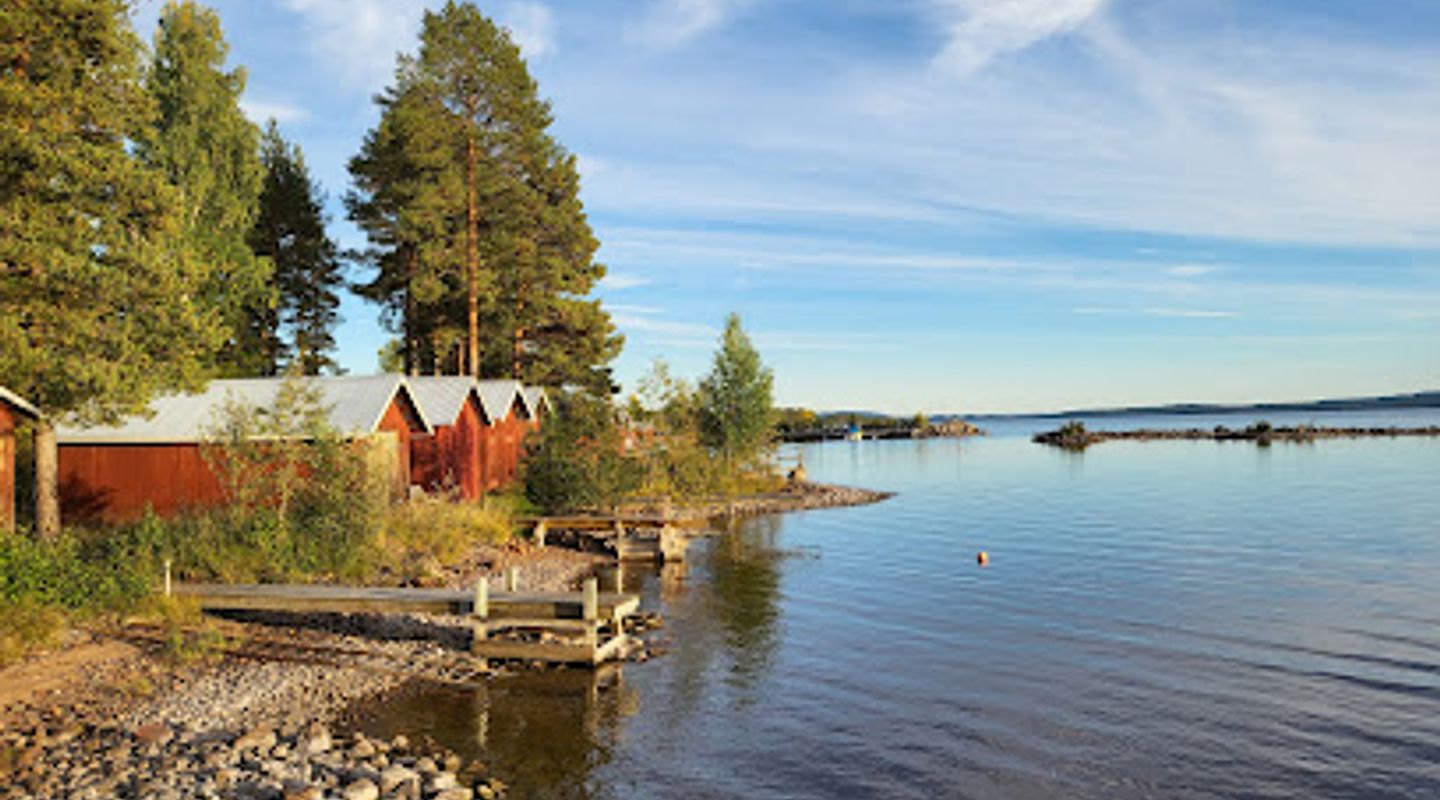
Sweden's crater-born gem: a vast Dalarna lake ringed by forests, meadows, and timeless villages, where ancient impact echoes in serene waters.
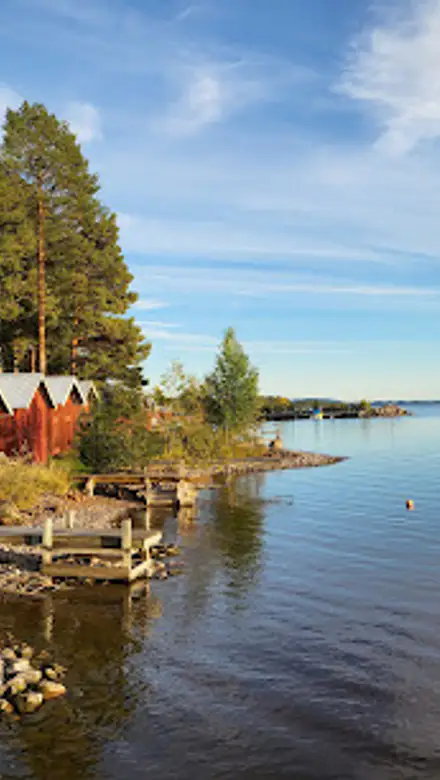
Siljan Lake, Sweden's seventh-largest lake in Dalarna, occupies a stunning 290 square kilometers within an ancient meteorite crater formed 377 million years ago. Fringed by deeply indented wooded shores, meadows, and charming villages like Mora, Rättvik, and Leksand, it reaches depths of 134 meters and captivates with its serene beauty, rich geology, and recreational allure. A hub for boating, fishing, and nature immersion amid forested landscapes.
On-site amenities
 Drink options
 Food options
 Restrooms
 Seating areas
 Trash bins
 Picnic areas
 Information boards
- Address
- Siljan
Getting there
Bus
Car
Bicycle
Ferry
Discover more about Siljan
Ancient Crater's Serene Heart
Siljan Lake cradles the southwestern edge of the Siljan Ring, a vast circular geological formation born from a colossal meteorite impact 377 million years ago during the Devonian period. This crater, once 52 kilometers wide and Europe's largest known, has eroded over eons, leaving behind deformed Cambrian, Ordovician, and Silurian rocks teeming with fossils. The lake's surface sits at 161 meters above sea level, plunging to a maximum depth of 134 meters, with its basin's lowest point at 27 meters. Surrounding forests and meadows frame its irregular shores, creating a picturesque haven in central Sweden's Dalarna region.
Majestic Dimensions and Hydrology
Spanning 290 square kilometers—Sweden's seventh largest—Siljan stretches 40 kilometers southeast from Mora, where it receives the Österdal River. Its width varies from 1.6 to 11 kilometers, featuring two prominent bays: the broad Rättvik Bay to the northeast and the slender Öster Bay near Leksand to the south. Adjacent lakes Orsasjön and Insjön expand the combined waterway to 354 square kilometers. Sollerön, a sizable island in the northwest, adds to the lake's intricate topography, while indented peninsulas invite exploration by boat or footpath.
Villages Nestled in Tradition
Quaint settlements dot Siljan's perimeter, each embodying Dalarna's cultural essence. Rättvik boasts a world-renowned 600-meter wooden pier extending into the lake, lined with lanterns that glow at dusk. Nearby Tällberg charms with red wooden chalets, manicured gardens, and panoramic vistas. Mora, the largest shoreside town, pulses with local life, while Leksand and Orsa offer gateways to forested hikes and waterside serenity. These hamlets, with their falu red houses, preserve Sweden's rural heritage amid natural splendor.
Geological Intrigue and Exploration
The Siljan Ring has drawn scientists for decades, including deep drilling at Gravberg in the 1980s that reached 6,957 meters, probing for hydrocarbons amid seismic reflectors and gravity anomalies. Though gas searches yielded dolerite sills rather than reservoirs, the site revealed methane traces and mineral deposits like lead and zinc near Boda. Fossils in impact-altered sediments hint at prehistoric seas, making Siljan a living geology textbook where ancient cataclysm meets tranquil waters.
Nature's Playground
Siljan's clear depths and forested shores beckon for swimming, kayaking, and angling in summer, with ice skating and snowshoeing transforming the scene in winter. Meadows bloom with wildflowers, and woodlands shelter diverse wildlife, from birds to elusive mammals. The lake's calm mirrors surrounding hills, especially at dawn or twilight, offering moments of profound stillness. Its role in Dalarna's ecosystem underscores a delicate balance of recreation and preservation.
Evendo Review Centre
 Google
Guest reviews
Best time to go
Quietest: Jan, Mar & Nov · before 6am or from 11pm
Busy times are Evendo estimates for a typical year, to help you plan. Actual crowds vary with events, school holidays and the weather.
Explore Siljan on the map
A handpicked selection of must-see spots near Siljan, mapped for you.
Get your free copy of our complete guide to Siljan, delivered straight to you.
Everything on this page, from opening hours and how to get there to Eve’s tips and the best time to go, in one PDF you can read offline, print or share.
Already have an account? Sign in
Your Siljan guide is ready.
We'll send it to · Not you? Sign out

Getting your guide ready…
We are putting together a fresh copy of the Siljan guide. This can take up to a minute.
This can take a few moments. If your browser asks, choose Allow so the download can start. You'll find the guide in your Downloads folder.
Nothing happened? Download it again
Sorry, the guide is taking longer than usual. Please try again in a minute, or get it by email instead.
Other nearby places you may find interesting
The closest places of the same kind, if this one is not quite what you had in mind.
-
-
-
-
-


Swipe for more places
More to explore near Siljan

 Best experiences near Siljan
 Best hotels near Siljan
 Best landmarks near Siljan
 Best attractions near Siljan
 Best shops near Siljan
 Best restaurants near Siljan
 Best bars near Siljan
Do you manage this location?
Take control to get all the benefits, like improved information, better appearance, and stronger visibility across AI-powered discovery.
Explore more
Explore more of Dalarna
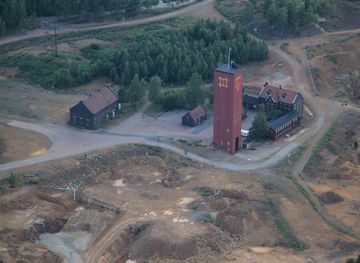
Discover Dalarna: Sweden's enchanting region of lakes, forests, and rich cultural heritage, perfect for nature lovers and cultural enthusiasts alike.
Explore Dalarna
Explore more of Sweden
Discover Sweden's breathtaking landscapes, vibrant cities, and rich cultural heritage. From the Northern Lights to historic castles, experience the essence of Scandinavia.
Explore Sweden