Skräddar-Djurberga, Dalarna Travel Guide
Step into a 17th-century fäbod frozen in time: timber cabins, ancient carvings, and whispers of Sweden's pastoral past amid Dalarna's whispering pines.
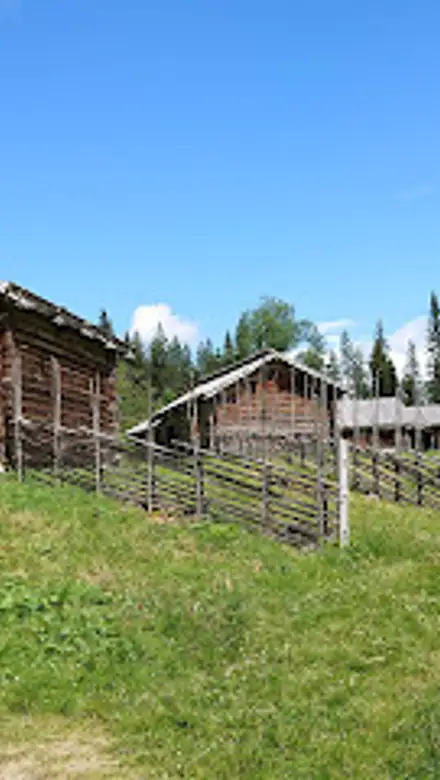
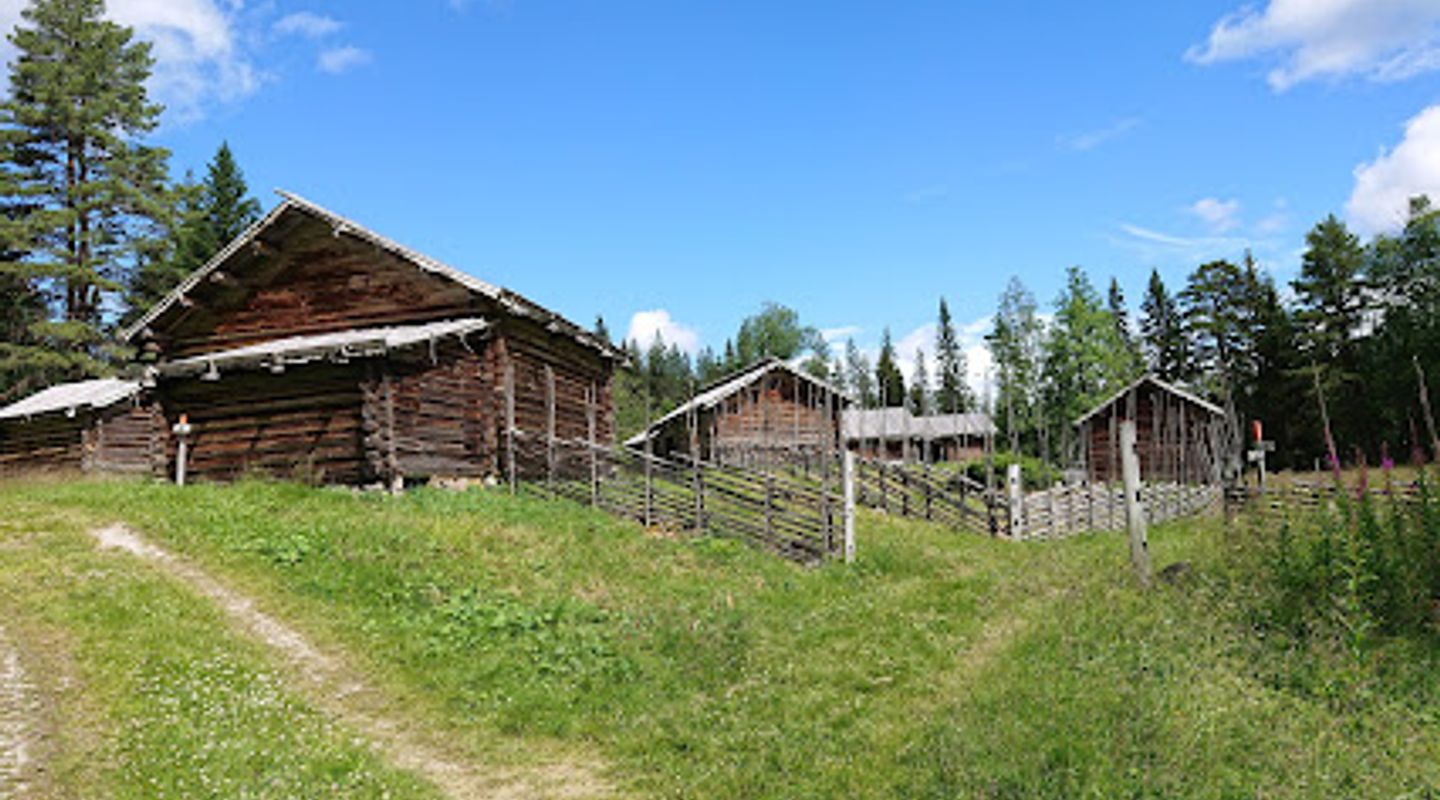
Nestled in the forests north of Orsa, Skräddar-Djurberga is a remarkably preserved 17th-century fäbod, a traditional Swedish mountain pasture with around 20 timber buildings. This living piece of cultural heritage offers a serene glimpse into rural life, complete with historic structures, carved doors depicting reindeer and riders, and echoes of ancient pastoral traditions amid Dalarna's woodland landscapes.
A brief summary to Skräddar-Djurberga
- Unnamed Road, Orsa, 794 91, SE
- Click to display
- Duration: 0.5 to 1.5 hours
- Free
-
 Outdoor
- Mobile reception: 3 out of 5

Know before you go
Hi, I'm Eve. Here are a few practical things to know before exploring Skräddar-Djurberga.
- Wear sturdy shoes for the 240m gravel path from parking; terrain can be uneven after rain.
- Visit in summer for longest daylight and potential wildflower blooms around the cabins.
- Look closely at the mjölkbod door for reindeer and rider carvings—unique folk art.
Do you manage this location?
Take control to get all the benefits, like improved information, better appearance, and stronger visibility across AI-powered discovery. Learn more about listing your business on Evendo
Activate your presenceOther nearby places you may find interesting
The closest places of the same kind, if this one is not quite what you had in mind.
Explore Skräddar-Djurberga on the Map
A handpicked selection of must-see spots near Skräddar-Djurberga, mapped for you.
Getting There
-
Driving
From Orsa center, drive 25km north on E45 then turn onto Road 296, following signs at Mässbacken; 30-40min total, free parking available but limited spaces fill on weekends.
-
Walking
From main parking lot, follow the 240m signed gravel path through woods; 5min gentle uphill, suitable for most but slippery when wet, no strollers.
-
Bus
Take Dalatrafik bus 258 from Orsa station toward Älvdalen, alight at Mässbacken stop then walk 2km; 45min journey, SEK 50-80 one-way, infrequent summer service only.
For the on-the-go comforts that matter to you
-
 Seating Areas
-
 Trash Bins
-
 Information Boards
-
 Picnic Areas
Discover more about Skräddar-Djurberga
Ancient Roots in the Forest
Skräddar-Djurberga fäbod stands as a testament to Sweden's pastoral heritage, with buildings dating back to the 1600s. Located between Skattungbyn and Orsa in Dalarna, this site has been in continuous use for over 300 years, embodying the fäbod system where villagers moved livestock to summer pastures in remote forests. The cluster of roughly 20 log cabins, including stugas and storage sheds, reflects the self-sufficient world of herders who lived here seasonally, crafting dairy products like smör, ost, and messmör from fresh milk.Carvings and Cultural Echoes
One of the site's treasures is a relocated mjölkbod from Kväksel, now beside the Aspstuga, featuring rare door carvings. Etched into the wood are images of reindeer pulling ackjor with figures beside them, alongside riders on horseback—motifs uncommon in Dalarna but reminiscent of Sami drum art. These 17th- and 18th-century inscriptions mix with initials and dates, hinting at interactions between local farmers and Sami people who may have passed through the area. The carvings capture a vivid snapshot of life, blending human, animal, and mythical elements.Life of the Fäbod Women
Historically, fäbodar like this one were women's domains, enforced by 16th-century laws banning men to curb moral lapses such as tidelag—bestiality, punishable by death until 1864. Records from Orsa, including vallängder compiled by kyrkoherde Lars Elfvius in the late 1600s, list young daughters and lagpigor who tended herds, built gärdesgårdar, and produced cheese. This matriarchal summer outpost fostered skills passed down generations, amid a landscape divided between southern fixed-farm agriculture and northern Finnmark svedjebruk influences.Preserved Amid Nature
Today, the fäbod remains well-maintained, accessible via a short, winding path from parking. Surrounded by dense Swedish forest, it evokes tranquility, with no modern intrusions like electricity or roads piercing the cluster. Visitors wander among the low-roofed buildings, imagining the ring of cowbells, the scent of woodsmoke, and the labor of stängsling—fencing with woven birch. Though no animals or café operate now, the site's authenticity draws those seeking unspoiled cultural immersion.Broader Significance in Dalarna
In Orsa's cultural tapestry, Skräddar-Djurberga shines as a popular excursion spot, contrasting with Finnmark's Finnish settler legacies. It highlights Dalarna's dual agrarian worlds: fixed fields below and transhumant grazing above. Preservation efforts, including 1990s courses on traditional practices like horn playing and dairy-making, underscore its role in safeguarding intangible heritage. The fäbod invites reflection on sustainable land use, where forests provided both pasture and building materials for centuries.












Your all‑in‑one travel companion app
Explore expert travel guides, compare and book tours, experiences, hotels, and more—all from the palm of your hand. Download now for seamless trip planning wherever your wanderlust takes you.


Explore More of Dalarna
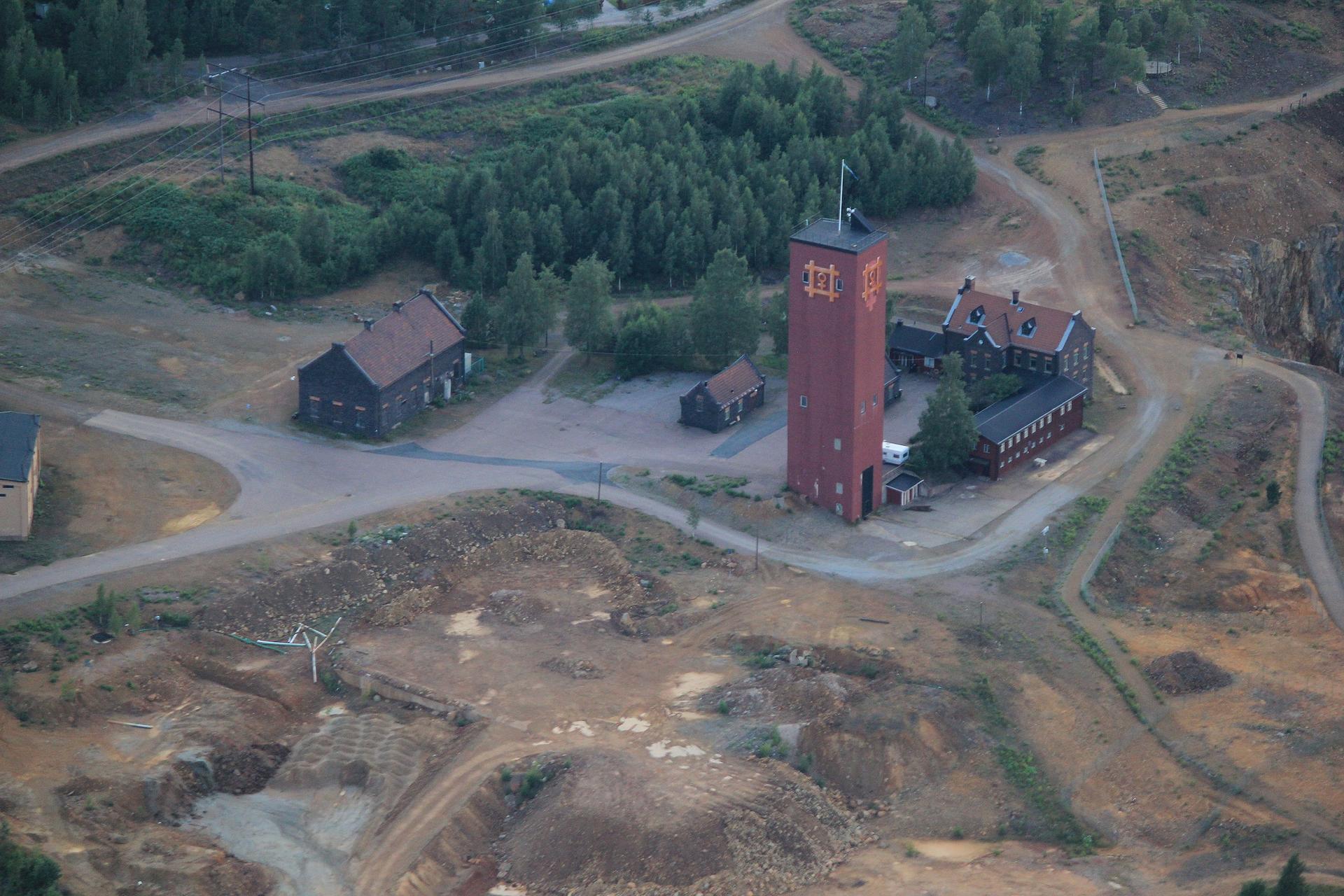
Looking beyond Skräddar-Djurberga? Discover Dalarna for broader travel guides, local hot-spots, and regional highlights.
Explore Dalarna
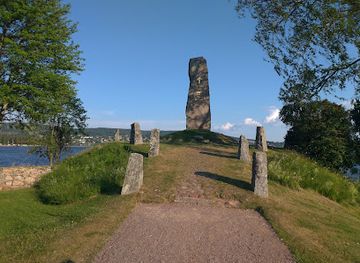
Step into 1736 at Carl von Linné's wedding cottage, a preserved 18th-century haven with gardens and World Heritage allure in Falun's countryside.
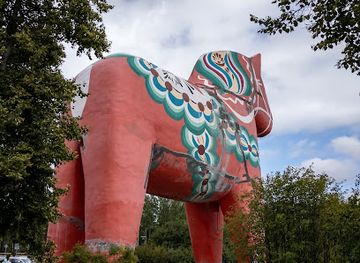
Towering lakeside icon of Dalarna's carved wooden heritage, blending folk art whimsy with Siljan's serene shores.