Tåghallen Travel Guide
Free Guide: A high-roofed, hands-on railway hall where locomotives, carriages and tactile displays bring Gävle’s rail history to life.


A brief summary of Tåghallen
A high-roofed, hands-on railway hall where locomotives, carriages and tactile displays bring Gävle’s rail history to life.
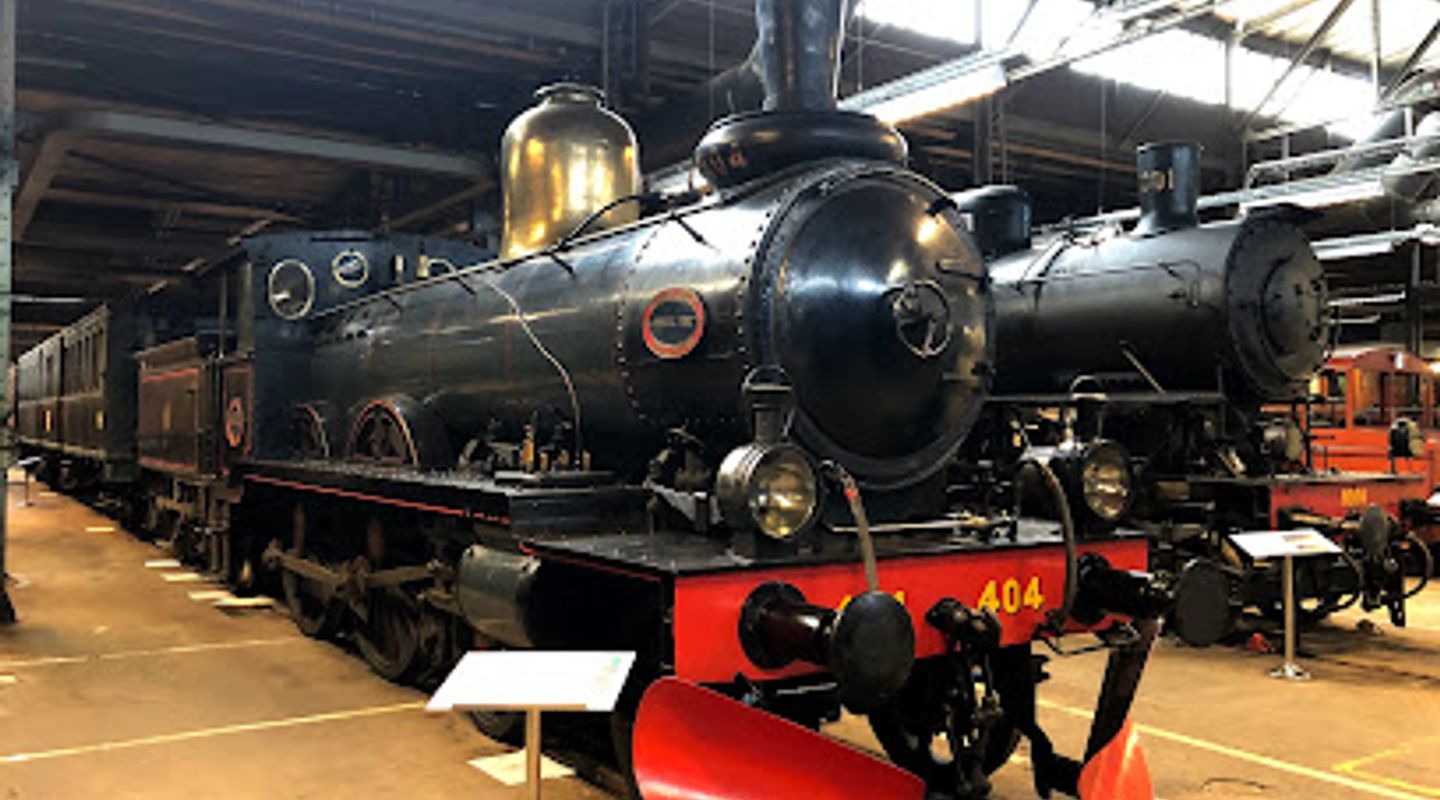
Tåghallen is the traffic-filled, atmospheric exhibition hall of Gävle’s Railway Museum, housed in a spacious industrial-style shed that displays locomotives, carriages and hands-on railway exhibits. It blends polished metal, timber sleepers and museum lighting to create an immersive look at Sweden’s rail history while offering family-friendly interactive displays and a small café during opening seasons.
On-site amenities
 Seating areas
 Information boards
- Address
- Karlsborgsgatan 5, 803 25 Gävle
- Phone
Getting there
Public bus from Gävle central
Taxi or ride-hailing
Walking from nearby neighbourhoods
Discover more about Tåghallen
An industrial shell with stories in the rails
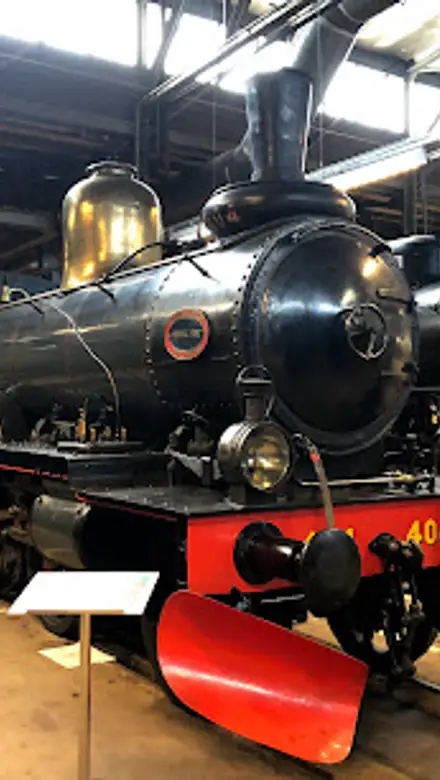
Tåghallen occupies a wide, shed-like space where the scale and geometry of rail hardware are the first things you notice: high ceilings, visible roof trusses, rows of tracks and the patina of metal and wood on locomotive noses and carriage steps. The building’s straightforward industrial character frames the exhibits rather than competes with them, so the sightlines let you read whole trains as single objects — boiler, tender, coach and platform — as easily as you inspect details like rivets, brass plates and painted signage.
What the displays are built to teach
Exhibits in the hall explain technological progress and social change in parallel: early steam power and later diesel or electric traction, carriage classes and interior fittings, signalling devices and workshop tools. Mechanics’ workbenches, control panels and driver’s cabs are presented so you can compare how trains were operated, maintained and experienced in different eras. Interpretive panels, maps and period photographs link the machines to the people who designed, drove and depended on them.
Hands-on moments and family-friendly features
Tåghallen is organised with zones that welcome exploration: interactive stations where children can try simplified controls, small-scale demonstration tracks, and accessible displays at eye level for younger visitors. The room’s acoustics and the spacing of exhibits have been adjusted so that sounds—an idling diesel note, recorded whistles or the clack of wheels—feel atmospheric rather than overwhelming, reinforcing the tactile sense of being in a working railway environment.
Material texture and the sense of age
Surface detail is central to the hall’s appeal. You’ll notice the burnished brass of nameplates, scuffed wooden bench ends, grease-smudged paint and the geometry of riveted plates; these textures and marks of use communicate the long service lives of the machines. Lighting is used to sculpt forms: warm beams pick out faces of boilers and polished handrails, while shadows emphasize the weight and mass of wheelsets and frames.
Seasonal life and small-scale amenities
Tåghallen operates in step with the museum’s seasonal programme: certain features and side attractions — extra displays, a small café area and family activities — open during busier periods, while the core collection is accessible year-round when the hall is open. The presence of a modest catering point during peak times and seating near exhibit clusters makes it easy to pause without leaving the atmospheric space.
How the hall connects to local railway culture
Beyond trains as machines, Tåghallen communicates the broader civic and cultural role of railways in the region: the movement of people and freight, the footprint of workshops and yards, and the rituals of travel. Artifacts such as station signs, luggage labels and uniform pieces place the locomotives in human context, so the hall reads as both a technical gallery and a social history room where small objects amplify the stories of everyday journeys.
Evendo Review Centre
 Google
Guest reviews
Best time to go
Quietest: Jan, Feb & Dec · before 7am or from 8pm
Busy times are Evendo estimates for a typical year, to help you plan. Actual crowds vary with events, school holidays and the weather.
Explore Tåghallen on the map
A handpicked selection of must-see spots near Tåghallen, mapped for you.
Get your free copy of our complete guide to Tåghallen, delivered straight to you.
Everything on this page, from opening hours and how to get there to Eve’s tips and the best time to go, in one PDF you can read offline, print or share.
Already have an account? Sign in
Your Tåghallen guide is ready.
We'll send it to · Not you? Sign out

Getting your guide ready…
We are putting together a fresh copy of the Tåghallen guide. This can take up to a minute.
This can take a few moments. If your browser asks, choose Allow so the download can start. You'll find the guide in your Downloads folder.
Nothing happened? Download it again
Sorry, the guide is taking longer than usual. Please try again in a minute, or get it by email instead.
Other nearby places you may find interesting
The closest places of the same kind, if this one is not quite what you had in mind.
-
-
-
-
-


Swipe for more places
More to explore near Tåghallen

 Best experiences near Tåghallen
 Best hotels near Tåghallen
 Best landmarks near Tåghallen
 Best attractions near Tåghallen
 Best shops near Tåghallen
 Best restaurants near Tåghallen
 Best bars near Tåghallen
Do you manage this location?
Take control to get all the benefits, like improved information, better appearance, and stronger visibility across AI-powered discovery.
Explore more
Explore more of Gästrikland
Discover Gästrikland: From serene lakes and dense forests to vibrant towns and rich history, this Swedish province offers the perfect blend of nature and culture.
Explore Gästrikland
Explore more of Sweden
Discover Sweden's breathtaking landscapes, vibrant cities, and rich cultural heritage. From the Northern Lights to historic castles, experience the essence of Scandinavia.
Explore Sweden