

Free Gästrikland Travel Guide & Mobile App
Explore Gästrikland with free travel guides. Discover regional history, expert tips, proposed trips, and audio guides on web or mobile app.


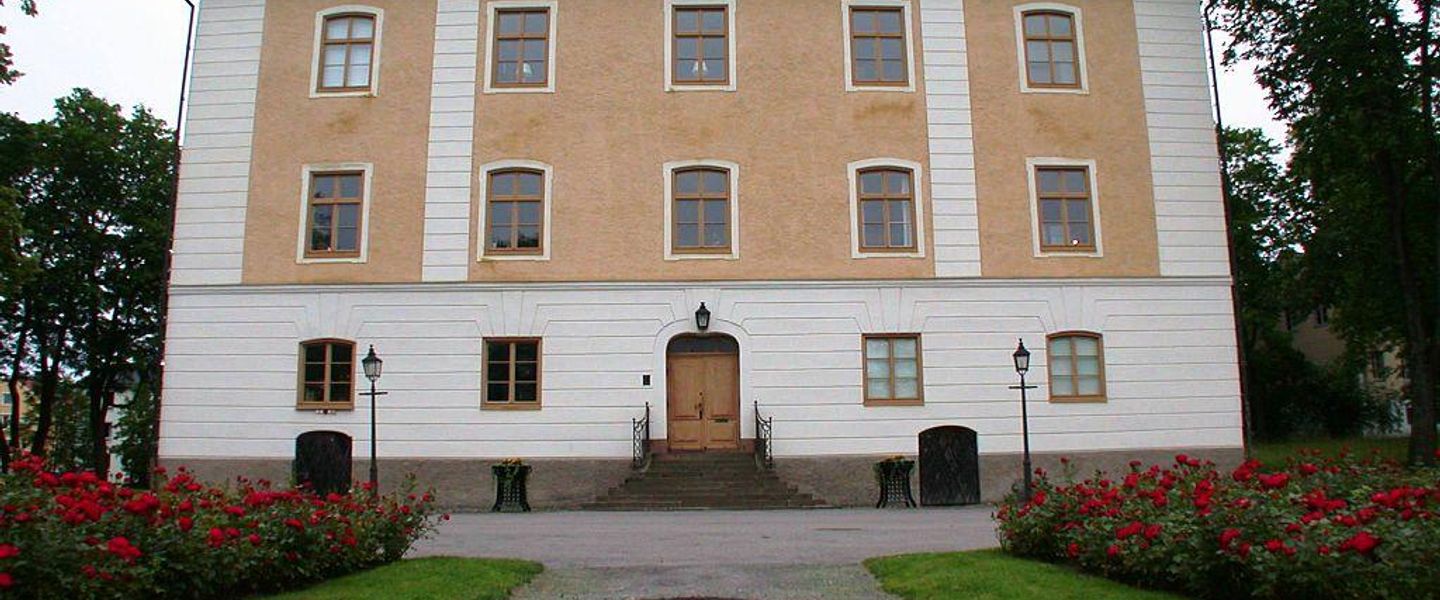


Explore Gästrikland for Baltic coastlines, Gävle heritage, historic ironworks, forest trails, gardens and year-round outdoor activities.
Read more about Gästrikland
When is the best time to visit Gästrikland?
Best: June–August · 21–23°C| Month | High (°C) | Rainfall (mm) |
|---|---|---|
| January | -1 | 30 |
| February | -1 | 25 |
| March | 4 | 30 |
| April | 10 | 35 |
| May | 16 | 40 |
| June (best) | 21 | 45 |
| July (best) | 23 | 50 |
| August (best) | 22 | 55 |
| September | 17 | 50 |
| October | 11 | 45 |
| November | 5 | 40 |
| December | 1 | 35 |
Getting to and around Gästrikland
How to get there
Transportation
Best attractions in Gästrikland
Gästrikland’s attractions range from urban museums and railway heritage to ironworks, gardens, coastline and forest recreation. In Gävle, the Swedish Railway Museum explores the technology and social history of rail travel, while the county museum presents regional art, archaeology and cultural history. The river, parks and historic centre make the city easy to combine with a visit to the coast around Bönan or the archipelago. Inland, Högbo Bruk near Sandviken offers preserved industrial buildings, craft and food experiences, walking, cycling and winter activities in a lake-and-forest setting. The historic environments at Forsbacka, Axmar and Gysinge show different aspects of iron production and estate life. Ockelbo’s Wij Trädgårdar is known for designed gardens and seasonal horticultural displays, while Kungsberget provides downhill skiing and other outdoor pursuits. Families may also consider Furuvik, a major amusement and animal park near Gävle, subject to its seasonal arrangements. The region’s wider appeal lies in combining cultural sites with accessible nature rather than concentrating on a single landmark circuit.
-
Amusement park
Furuviksparken
A compact seaside amusement and animal park that blends family rides, a small zoo and summer concerts beside the Baltic coast.
-
Shopping mall
Valbo shopping mall
A practical, family-friendly suburban mall near Gävle with a wide everyday retail mix, cafés and ample parking for relaxed shopping days.
-
Bar
Clarion Hotel Winn
A design-focused four-star hotel in central Gävle with a lively brasserie, conference capacity and a small wellness area including indoor pool and sauna.
-
Tourist attraction
Gävlebocken
Gävle’s giant seasonal straw goat — a joyous folk symbol, dramatic civic spectacle and famously combustible holiday landmark.


Best landmarks in Gästrikland
Gävle’s urban landmarks reflect its history as a port, administrative centre and rebuilt nineteenth-century town. The Gavleån, the riverside parks and the older central streets reveal how water, trade and reconstruction shaped the city after the fire of 1869. The Swedish Railway Museum is an important architectural and industrial landmark as well as a museum, preserving the material history of national rail transport. Along the coast, Bönan’s fishing-village character and small harbour recall the maritime economy that supported communities around the Gulf of Bothnia. Inland, the bruksmiljöer at Högbo, Forsbacka, Axmar and Gysinge are significant ensembles of dams, workshops, manor buildings and workers’ housing, showing how waterpower and charcoal-based iron production organised the landscape. Sandviken’s industrial townscape is tied to the steel works founded in the nineteenth century, while Wij Trädgårdar in Ockelbo provides a more contemporary landmark through its designed gardens. Kungsberget is the region’s most recognisable recreational landscape, a forested upland whose winter ski slopes and summer trails contrast with the low coastal plain.
-
Tourist attraction
Gamla Gefle
Wander medieval lanes in Gävle's colorful historic core, where 18th-century houses whisper tales of seafaring past and resilient preservation.
-
Castle
Gävle Castle
A compact baroque riverside castle in the heart of Gävle that pairs civic history with a neighbouring prison museum and scenic riverfront views.
-
Historical landmark
Almagrundet
A late‑19th‑century iron lightship built in Gävle, Almagrundet brings the sounds and tools of coastal navigation back to the Alderholmskajen waterfront.
-
Historical landmark
judgments stones
A modest, atmospheric cluster of weathered standing stones in Ö, Gävle — quiet, textured and rich in local history.

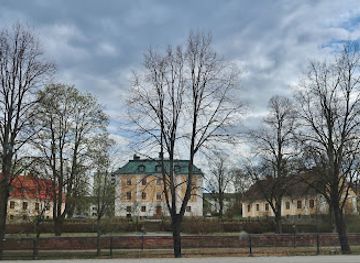
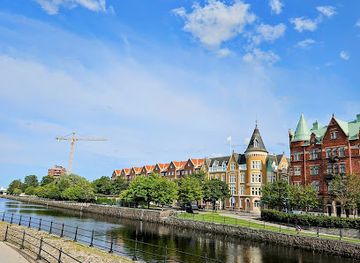
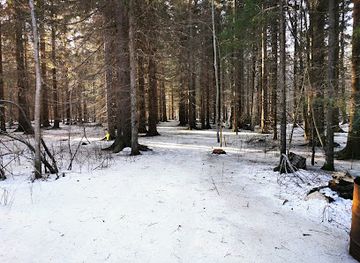
Explore Gästrikland on the map
Plan your trip on one map. See where the top cities, national parks and sights are, and book hotels and experiences in a few clicks.
Best hotels in Gästrikland
Best restaurants in Gästrikland
Dining in Gästrikland draws on the produce of both the Baltic coast and the forested interior. Gävle provides the broadest choice, from cafés and bakeries to contemporary restaurants, traditional Swedish cooking and international dining. Fish and seafood are particularly appropriate near the coast, while inland menus and farm shops may feature game, mushrooms, berries, potatoes, dairy products and locally made preserves. Historic ironworks such as Högbo and Gysinge provide settings where food, craft and heritage can be experienced together, although individual opening arrangements vary. Swedish fika—coffee accompanied by bread or cake—is an important part of the café culture, and seasonal baking is often more distinctive than a single provincial dish. Farm shops, food events and market stalls can be good places to find regional ingredients, but availability depends on the time of year. In smaller settlements, restaurants and pubs may have limited service days, so advance checking is sensible.
-
Restaurant
Gävlebro
Hearty Swedish buffets and brunch along the E4 – fresh, seasonal eats for every traveler at Gävle Bro's go-to highway stop.
-
Restaurant
Blackstone Steakhouse Gävle
Sizzle your own steak on 400°C lava stones at this central Gävle hotspot, blending interactive cooking with premium meats, seafood, pizzas, and cocktails for an unforgettable dinner.
-
Italian
BASTA - Gävle
Sun-kissed Italian trattoria in Gävle's heart: share Neapolitan pizzas, fresh pasta, and Amalfi-inspired vibes for an authentic taste of la bella vita.
-
Restaurant
Helt Enkelt Bar & Kök
Gävle's lively bar-kitchen hub serving classic Swedish dishes, craft beers, and weekend vibes in a cozy, welcoming spot—perfect for casual nights out with friends or family.


Best bars in Gästrikland
Gästrikland’s evening scene is concentrated in Gävle and, to a lesser extent, Sandviken. Gävle offers traditional pubs, restaurants, cafés, hotel bars, live music and a modest selection of late-evening venues, with the greatest choice around the central streets and river area. Sandviken has a smaller scene linked to its local population, cultural events and restaurants rather than a large club district. In Ockelbo and rural parts of the province, evenings are more likely to centre on pubs, community events, dining and seasonal gatherings than on nightclubs. Historic inns and former industrial settlements can provide atmospheric dining settings, but they are not necessarily late-night venues. Outdoor and music events may expand the choice during summer, while winter evenings tend to be quieter outside the main towns. Check current arrangements before travelling, as venue schedules and seasonal programming change.
-
Bar
Harrys
Gävle's vibrant bar-bistro on Drottninggatan: cocktails, à la carte dining, after-work bliss, and late-night energy until 3am weekends.
-
Pub
Cheers
Gävle’s go-to sports pub on Södra Kungsgatan, blending craft brews, hearty bites, and live game vibes in a cozy neighborhood haven.
-
Sports bar
Järnvägskrogen i Gävle AB
Gävle's station sports bar: lunch specials by day, lively screens and brews by night—perfect pitstop amid the trains.
-
Pub
Mulligan's Pub
A family‑run Irish‑style gastropub in Sandviken serving hearty pub dishes, beers and often live music in a cosy, wood‑lined room.


Best nightclubs in Gästrikland
Gästrikland’s evening scene is concentrated in Gävle and, to a lesser extent, Sandviken. Gävle offers traditional pubs, restaurants, cafés, hotel bars, live music and a modest selection of late-evening venues, with the greatest choice around the central streets and river area. Sandviken has a smaller scene linked to its local population, cultural events and restaurants rather than a large club district. In Ockelbo and rural parts of the province, evenings are more likely to centre on pubs, community events, dining and seasonal gatherings than on nightclubs. Historic inns and former industrial settlements can provide atmospheric dining settings, but they are not necessarily late-night venues. Outdoor and music events may expand the choice during summer, while winter evenings tend to be quieter outside the main towns. Check current arrangements before travelling, as venue schedules and seasonal programming change.
-
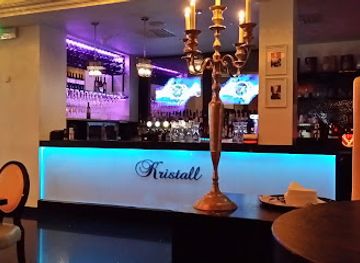
Night club
Kristall
A central Kungsgatan venue that shifts from casual grill dining into a late‑night clubbing hotspot, ideal for combined dinner-and-dance evenings.
-
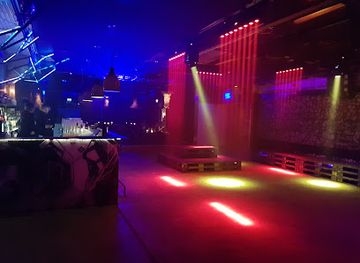
Night club
Slakthuset
Industrial warehouse club with multiple dance floors and a 600 m² rooftop terrace — gritty, late-night energy in Stockholm’s Slakthusområdet.
-
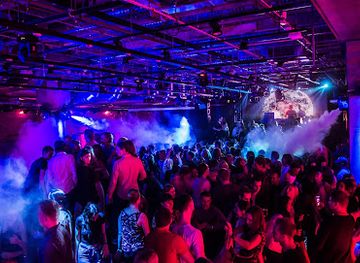
Night club
Colosseum Nightclub
Stockholm's largest dance floor pulses with DJ-driven beats and electric vibes at Colosseum Nightclub—your gateway to Johanneshov's high-energy nightlife.
-
Night club
Hits For You
A compact Gävle showrestaurant that turns dinner and live performance into a late-night disco and karaoke party.

Best shops in Gästrikland
Shopping in Gästrikland is centred on Gävle’s central streets and commercial areas, where visitors find everyday Swedish retail, independent boutiques, cafés, books, design goods and galleries. Sandviken provides a smaller town-centre alternative, while Ockelbo and other rural communities are better suited to occasional craft, garden and food purchases than extensive shopping. Farm shops and seasonal markets may offer berries, mushrooms, preserves, baked goods, dairy products and other local produce, depending on the time of year. The region’s industrial heritage is reflected in craft shops and visitor sites selling locally made objects, textiles, woodwork and practical Swedish design, although stock varies. Historic ironworks can combine exhibitions with small-scale retail, making them useful places to look for distinctive gifts connected with craft or regional food. Visitors should not expect a major luxury-shopping destination; Gästrikland is more rewarding for independent goods, edible souvenirs, garden-related products and items linked to its forest, coastal and industrial traditions.
-
Shopping mall
Gallerian Nian
Explore Gallerian Nian, Gävle's premier shopping mall, offering a vibrant mix of shops, dining, and local culture.
-
Bakery
Lundgrens Bageri & Konditori HB
Authentic Swedish bakery in serene Österfärnebo, baking fresh breads and pastries daily with rural charm and unbeatable value.
-
Department store
Åhléns
Central Gävle department store with practical multi-department shopping for fashion, beauty and homewares on Drottninggatan.
-
Bakery
Bageri Kavlat & Klart Magasinet
Step into Gävle's waterfront bakery haven, where open sourdough ovens and fresh frallor create the ultimate Swedish fika ritual amid aromatic bliss.


Get your free copy of our complete guide to Gästrikland, delivered straight to you.
Everything on this page, from attractions and restaurants to essentials and local phrases, in one PDF you can read offline, print or share.
Already have an account? Sign in
Your Gästrikland guide is ready.
We'll send it to · Not you? Sign out

Getting your guide ready…
We are putting together a fresh copy of the Gästrikland guide. This can take up to a minute.
This can take a few moments. If your browser asks, choose Allow so the download can start. You'll find the guide in your Downloads folder.
Nothing happened? Download it again
Sorry, the guide is taking longer than usual. Please try again in a minute, or get it by email instead.
Gästrikland essentials
Currency and Payment
Safety
Emergency Situations
Do's and Don'ts
Local Tips
From Eve
Local phrases worth knowing
You don't need to get them perfect. A few words go a long way, and locals appreciate the effort.
Basics
| English | Local | Say it |
|---|---|---|
| Hello | Hej | [hey] |
| Goodbye | Hejdå | [hey-daw] |
| Yes | Ja | [yah] |
| No | Nej | [nay] |
| Please/You're welcome | Snälla/Tack | [snel-lah/tahk] |
| Thank you | Tack | [tahk] |
| Excuse me/Sorry | Ursäkta/Mi ledsen | [oor-sehk-tah/mee led-sen] |
| How are you? | Hur mår du? | [hur mohr doo] |
| Fine. And you? | Bra. Och du? | [bra. ohk doo] |
| Do you speak English? | Talar du engelska? | [tah-lar doo en-gel-skah] |
| I don't understand | Jag förstår inte | [yahg for-stor in-teh] |
Eating & Drinking
| English | Local | Say it |
|---|---|---|
| I'd like to see the menu, please | Jag skulle vilja se menyn, snälla | [yahg skool-leh vil-yah seh meh-nyn, snel-lah] |
| I don't eat meat | Jag äter inte kött | [yahg eh-ter in-teh shurt] |
| Cheers! | Skål! | [skawl] |
| I would like to pay, please | Jag skulle vilja betala, snälla | [yahg skool-leh vil-yah beh-tah-lah, snel-lah] |
Emergencies
| English | Local | Say it |
|---|---|---|
| Help! | Hjälp! | [yelp] |
| Go away! | Gå bort! | [gaw bort] |
| Call the Police! | Ring polisen! | [ring poh-lees-en] |
| Call a doctor! | Ring en doktor! | [ring en dok-tor] |
| I'm lost | Jag är vilse | [yahg airt vil-seh] |
| I'm ill | Jag är sjuk | [yahg airt shook] |
Shopping
| English | Local | Say it |
|---|---|---|
| I'd like to buy... | Jag skulle vilja köpa... | [yahg skool-leh vil-yah shur-pah...] |
| I'm just looking | Jag tittar bara | [yahg teet-tar bah-rah] |
| How much is it? | Hur mycket kostar det? | [hur myook-keh koh-stahr deh] |
| That's too expensive | Det är för dyrt | [deh airt fur deer-t] |
| Can you lower the price? | Kan du sänka priset? | [kan doo sen-kah pree-set] |
Time & Numbers
| English | Local | Say it |
|---|---|---|
| What time is it? | Vad är klockan? | [vahd airt klok-kahn] |
| It's one o'clock | Klockan är ett | [klok-kahn airt ett] |
| Half past (10) | Halv efter (10) | [halv ef-ter (ten)] |
| Morning | Morgon | [mor-gon] |
| Afternoon | Eftermiddag | [ef-ter-mid-dahg] |
| Evening | Kväll | [kveh-l] |
| Yesterday | Igår | [ee-gore] |
| Today | Idag | [ee-dahg] |
| Tomorrow | Imorgon | [ee-mor-gon] |
| 1 | 1 | [ett] |
| 2 | 2 | [två] |
| 3 | 3 | [tre] |
| 4 | 4 | [fyra] |
| 5 | 5 | [fem] |
| 6 | 6 | [sex] |
| 7 | 7 | [sju] |
| 8 | 8 | [åtta] |
| 9 | 9 | [nio] |
| 10 | 10 | [tio] |
Transport & Directions
| English | Local | Say it |
|---|---|---|
| Where's a/the...? | Var är en/den...? | [vahr airt en/den...?] |
| What's the address? | Vad är adressen? | [vahd airt ah-dres-sen] |
| Can you show me (on the map)? | Kan du visa mig (på kartan)? | [kan doo vee-sah may (po kar-tahn)?] |
| When's the next (bus)? | När går nästa (buss)? | [nair gohr nes-tah (boos)?] |
| A ticket (to ....) | En biljett (till ....) | [en bee-lyett (til ....)] |
History of Gästrikland
Early settlement and river landscapes
People have lived around Gästrikland’s rivers, lakes and coast since prehistoric times, with settlement patterns shaped by fishing, hunting, farming and access to timber. As land rose gradually after the last Ice Age, new coastal ground became available for habitation and cultivation. Archaeological remains are less visually dominant than the region’s later ironworks, but burial sites, ancient field systems and other traces show a long history of movement between inland forests and the Baltic shore. The Gavleån and other waterways later became important routes for both local trade and industrial transport.
Medieval Gävle and the Baltic trade
Gävle received its town charter in 1446, making it one of Sweden’s older towns. Its position beside the sea and the Gavleån supported trade in agricultural goods, timber, fish and other products from the surrounding province. The town’s merchants participated in the commercial life of the Baltic, while its harbour connected inland communities with wider markets. Medieval and early modern Gävle was repeatedly affected by fire, war and changing trade regulations, yet its basic role as Gästrikland’s principal port and urban centre endured.
The rise of ironworking
From the seventeenth century, Gästrikland became an important ironworking district. Water-powered forges and hammers developed at places including Högbo, Forsbacka, Axmar and Gysinge, using charcoal from the surrounding forests and iron ore brought through regional supply networks. These works created specialised communities of workers, managers, farmers and craftsmen, while the iron was exported through ports such as Gävle. The surviving manor houses, workshops, dams and workers’ buildings at several bruk villages reveal how industrial production was integrated with estates and rural landscapes.
Gävle’s port, fire and reconstruction
Gävle grew in importance as a port during the eighteenth and nineteenth centuries, exporting timber, iron and other products from central Sweden. In 1869 a major fire destroyed large parts of the town, including many wooden buildings. Reconstruction introduced broader streets and more fire-resistant stone architecture, helping to create the urban form visible in central Gävle today. The disaster also marked a transition from an older mercantile town towards a more modern industrial and administrative centre, although the harbour and river remained central to its economic life.
Railways and industrial modernisation
Railways transformed Gästrikland during the nineteenth century by linking Gävle and inland settlements with Stockholm, northern Sweden and industrial markets. Faster transport supported timber, mining and iron production, while towns gained improved access to labour, goods and investment. The railway helped Sandviken develop from a small settlement into an industrial town after Sandvikens Jernverks AB was established in 1862. The company’s steel and engineering production became a major influence on the town’s economy and helped connect Gästrikland to international industrial networks.
Forestry, hydropower and the modern economy
During the twentieth century, forestry, sawmilling, pulp and paper, engineering and hydropower continued to shape Gästrikland. Industrial employment encouraged urban growth in Gävle and Sandviken, while smaller settlements remained closely tied to woodland and agricultural economies. Mechanisation and global competition later reduced some traditional forms of employment, but advanced steel production, logistics, services, tourism and cultural heritage became increasingly important. Today the region’s industrial identity is visible both in operating engineering businesses and in preserved ironworks that present earlier technologies and working communities.
Heritage, gardens and regional identity
Recent decades have seen greater emphasis on conserving the province’s industrial, maritime and railway heritage alongside its natural environments. Restored bruksmiljöer—industrial settlements centred on an ironworks—now provide settings for museums, craft, food and outdoor activities. Gardens at Ockelbo and historic estates elsewhere reflect changing ideas about cultivation and landscape design, while Gävle’s museums interpret local history for a wider audience. Seasonal customs, including the construction of the Gävle Goat, demonstrate how a modern regional symbol can grow from an urban Christmas tradition.
Gästrikland in Photos
Browse through our photo collection highlighting the charm and character of the destination.
Neighbouring regions of Gästrikland
The closest regions to Gästrikland, if you have time for more than one.
-

-

-

-

-


Swipe for more regions
Explore more
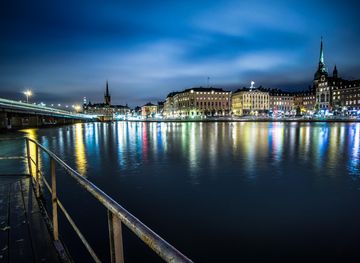
Explore more of Sweden
Discover Sweden's breathtaking landscapes, vibrant cities, and rich cultural heritage. From the Northern Lights to historic castles, experience the essence of Scandinavia.
Explore Sweden