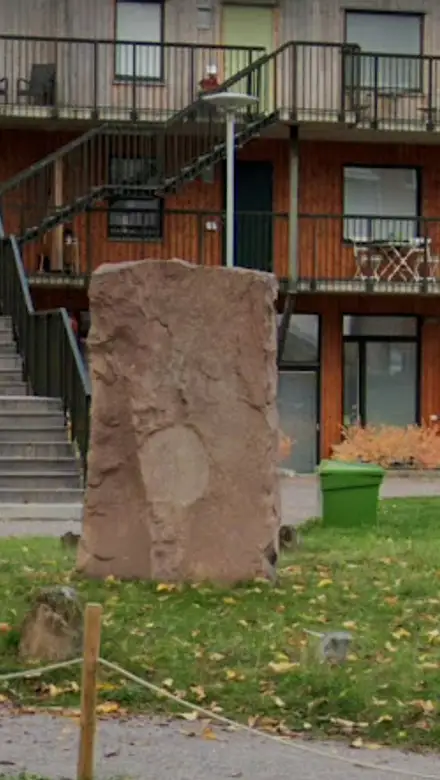
Runsten Travel Guide
Free Guide: Viking echoes carved in stone: Åsmund Kåresson's 11th-century tribute to Egil, preserved in Gävle's sacred heart amid whispers of ancient Gästrikland.


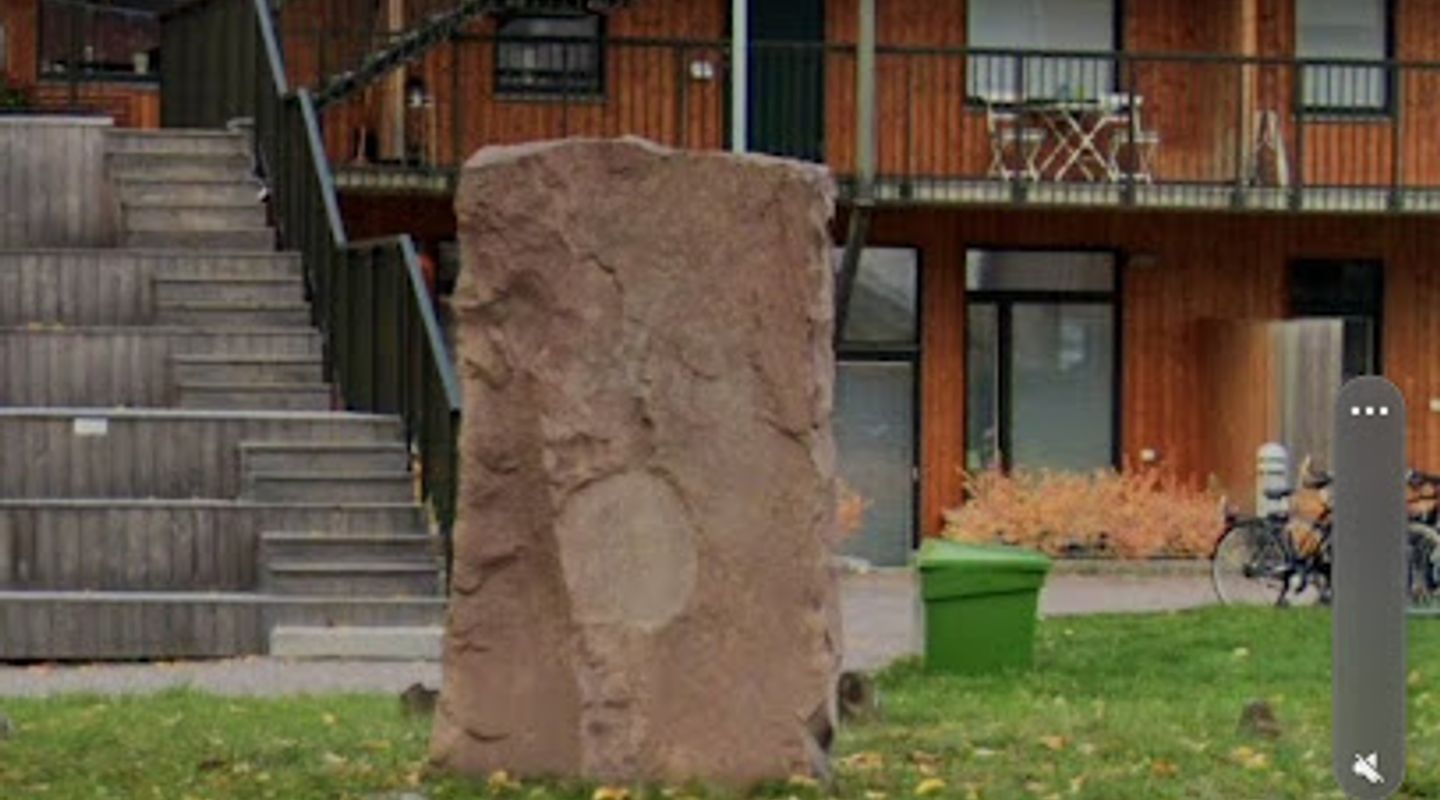
A brief summary of Runsten
Viking echoes carved in stone: Åsmund Kåresson's 11th-century tribute to Egil, preserved in Gävle's sacred heart amid whispers of ancient Gästrikland.
This 11th-century Viking Age runestone, carved by master runemaster Åsmund Kåresson, stands as a poignant memorial to Egil in Gävle's Heliga Trefaldighets Kyrka. Originally erected at Södertull in Sörby, it exemplifies intricate runic artistry and historical depth from Gästrikland's sparse surviving rune heritage. Though relocated, its weathered surface whispers tales of loss and remembrance amid the church's sacred ambiance.
On-site amenities
 Restrooms
 Seating areas
 Information boards
- Address
- Fleminggatan, 802 55 Gävle
- Website
Getting there
Bus
Walking
Bicycle
Taxi
Discover more about Runsten
Origins in Viking Age Gästrikland
The Runsten, cataloged as Gästriklands runinskrifter 13 or Gs 13, hails from the 11th century, a time when Viking Age Scandinavia pulsed with voyages, trade, and commemoration through stone. Carved around 1020-1050 CE by the skilled runemaster Åsmund Kåresson, it was raised as a memorial to Egil, known in runes as Ihilp or similar variant. This stone captures the era's blend of personal grief and public legacy, its inscription etching eternal memory into durable rock.Originally positioned at Södertull in Sörby, near what is now Gävle, the stone marked a significant locale, possibly a toll or passage point. Gästrikland, with its iron-rich landscapes and coastal proximity, fostered such memorials amid a landscape dotted with graves and settlements.
Masterful Craft of Åsmund Kåresson
Åsmund Kåresson stands among Sweden's renowned runecarvers, his signature appearing on several stones in the region. On this runsten, his work features the Younger Futhark script, characterized by angular, serpentine runes that weave across the stone's surface. The inscription likely reads in essence: a dedication to Egil by kin or associates, invoking divine aid for his soul—a common motif blending Norse belief with emerging Christianity.The craftsmanship reveals decorative flair, with runes potentially stylized in knotted forms, enhancing visual impact. Such artistry elevated runestones from mere markers to communal art, viewable by travelers and locals alike.
Journey from Sörby to Sacred Church Walls
Over centuries, the stone migrated from its outdoor vigil in Sörby to integration within Heliga Trefaldighets Kyrka in Gävle. Historical records note its relocation, possibly during medieval church expansions or 18th-century antiquarian interests, when owners like Ulrik Insenstjerna at Hadeholm intervened with stones from the area. Today, it resides indoors, protected yet distanced from its earthly origins.This move reflects broader patterns in Gästrikland, where most runestones—save rarities like Järvstastenen—were uprooted to churches, fragmenting their context but preserving them against erosion and forgetfulness.
Deciphering the Runic Message
The inscription, though weathered, conveys a memorial formula: Åsmund carved it in memory of Egil, perhaps a father, brother, or voyager lost at sea or in battle. Phrases like 'Guð hjalpi andi' (God help the spirit) echo across Nordic stones, signaling Christianity's foothold. Egil's name evokes everyday heroism amid Gävle's seafaring past.Scholars value Gs 13 for its intact signature and regional ties, linking it to Uppland's rune traditions while highlighting Gästrikland's modest corpus of about a dozen known inscriptions, many fragmentary.
Enduring Echoes in Modern Gävle
Within the church's hushed nave on Fleminggatan, the runsten invites quiet reflection on 1000 years of continuity. Its presence contrasts the stone's pagan roots with the Christian edifice, symbolizing cultural layers in this Swedish coastal city. Gävle's heritage tapestry, woven with runes, ironworks, and maritime lore, finds vivid thread here.The stone's survival underscores preservation efforts by institutions like Riksantikvarieämbetet, ensuring such artifacts endure for contemplation of ancestral voices.
Evendo Review Centre
 Google
Guest reviews
Best time to go
Quietest: Jan, Feb & Dec · before 8am or from 10pm
Busy times are Evendo estimates for a typical year, to help you plan. Actual crowds vary with events, school holidays and the weather.
Explore Runsten on the map
A handpicked selection of must-see spots near Runsten, mapped for you.
Get your free copy of our complete guide to Runsten, delivered straight to you.
Everything on this page, from opening hours and how to get there to Eve’s tips and the best time to go, in one PDF you can read offline, print or share.
Already have an account? Sign in
Your Runsten guide is ready.
We'll send it to · Not you? Sign out

Getting your guide ready…
We are putting together a fresh copy of the Runsten guide. This can take up to a minute.
This can take a few moments. If your browser asks, choose Allow so the download can start. You'll find the guide in your Downloads folder.
Nothing happened? Download it again
Sorry, the guide is taking longer than usual. Please try again in a minute, or get it by email instead.
Other nearby places you may find interesting
The closest places of the same kind, if this one is not quite what you had in mind.
-
-
-
-
-


Swipe for more places
More to explore near Runsten

 Best experiences near Runsten
 Best hotels near Runsten
 Best landmarks near Runsten
 Best attractions near Runsten
 Best shops near Runsten
 Best restaurants near Runsten
 Best bars near Runsten
Do you manage this location?
Take control to get all the benefits, like improved information, better appearance, and stronger visibility across AI-powered discovery.
Explore more
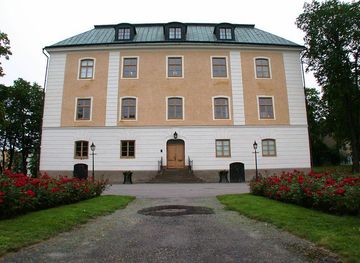
Explore more of Gästrikland
Discover Gästrikland: From serene lakes and dense forests to vibrant towns and rich history, this Swedish province offers the perfect blend of nature and culture.
Explore Gästrikland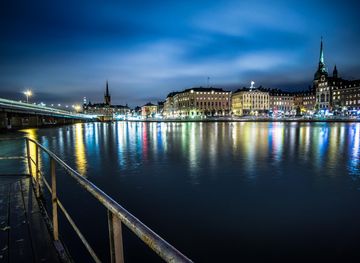
Explore more of Sweden
Discover Sweden's breathtaking landscapes, vibrant cities, and rich cultural heritage. From the Northern Lights to historic castles, experience the essence of Scandinavia.
Explore Sweden