
Gooseborg, Gotaland Travel Guide
Iron Age hillfort on Mälaren cliffs: bronze-casting secrets, strategic ramparts, and epic lake views in Järfälla's wild heart.
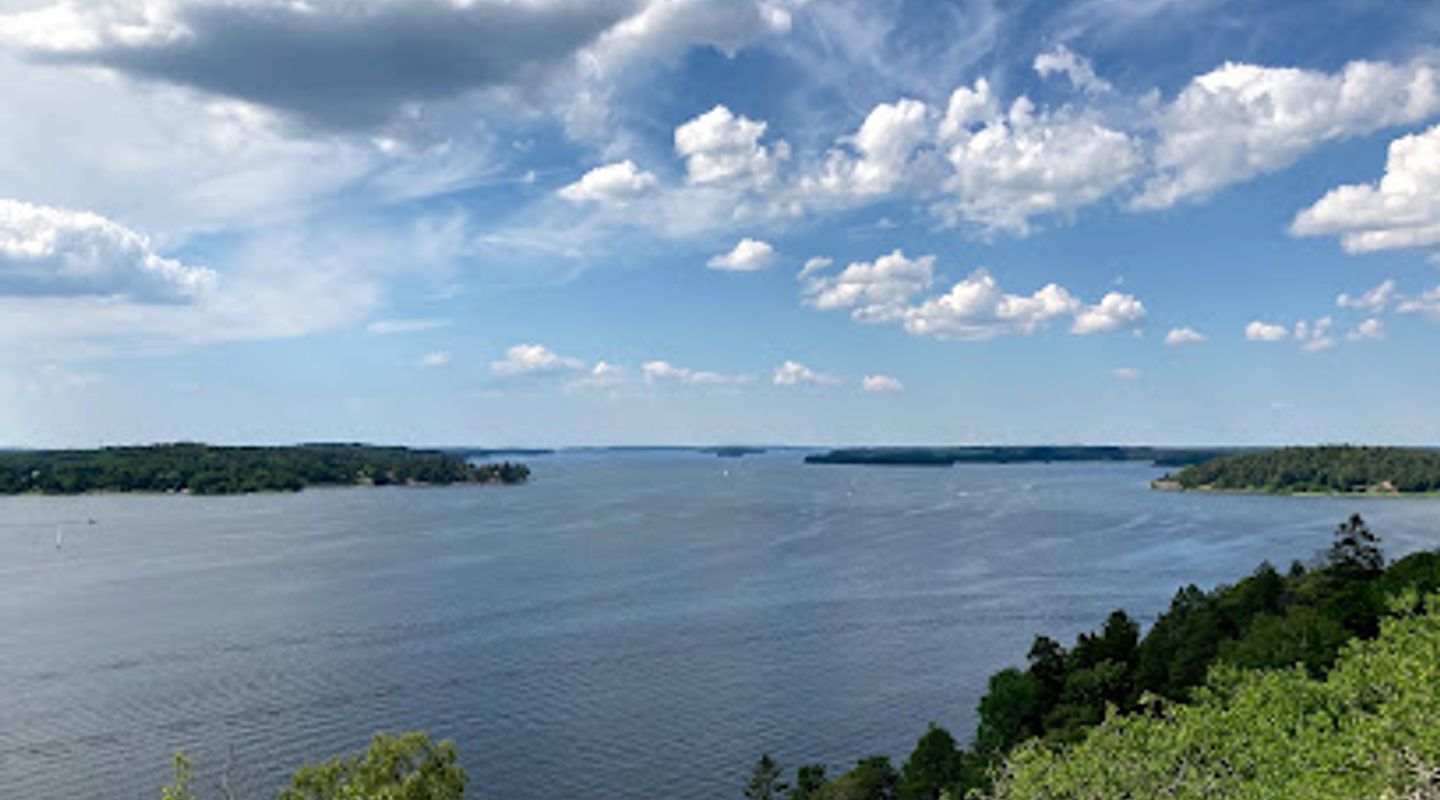
Gåseborg is one of Mälaren's largest ancient hillforts, perched dramatically on 45-meter cliffs overlooking Lake Mälaren near Viksjö in Järfälla. Dating back to around 300-500 AD with evidence of a bronze-casting workshop, its massive dry-stone walls and strategic position guarded vital trade routes to Sigtuna and Uppsala. Explore the rugged terrain, mysterious cave, and panoramic views on wooded hiking paths, evoking Iron Age power and mystery just outside Stockholm.
A brief summary to Gooseborg
- Viksjö, Järfälla, 175 47, SE
- Click to display
- Duration: 0.5 to 2 hours
- Free
-
 Outdoor
- Mobile reception: 4 out of 5

Know before you go
Hi, I'm Eve. Here are a few practical things to know before exploring Gooseborg.
- Wear sturdy shoes for uneven trails and rocky paths around the walls and cave.
- Visit at dawn or dusk for dramatic lighting over Mälaren and fewer fellow explorers.
- Bring binoculars to scan the lake horizon and spot distant shores from the cliffs.
- Look for the hammer-circle carving on the rock face—a quirky modern addition.
Do you manage this location?
Take control to get all the benefits, like improved information, better appearance, and stronger visibility across AI-powered discovery. Learn more about listing your business on Evendo
Activate your presenceOther nearby places you may find interesting
The closest places of the same kind, if this one is not quite what you had in mind.

Explore Gooseborg on the Map
A handpicked selection of must-see spots near Gooseborg, mapped for you.
Getting There
-
Bus
Bus 178 or 179 from Jakobsberg station to Viksjö centrum, 15-20 minutes, then 25-minute walk on flat paths; SEK 35 single ticket, frequent daytime service.
-
Car
Drive from Stockholm via E18 to Viksjö, 25-35 minutes, park at designated lots near trails; free parking, limited spaces on weekends.
-
Bicycle
Cycle from Jakobsberg along cycle paths through woods, 20-30 minutes on mostly flat terrain; bike racks available, suitable for light off-road.
-
Walking
Hike from Viksjö centrum on marked trails, 40-50 minutes through forest with some elevation; well-signposted, moderate fitness required.
For the on-the-go comforts that matter to you
-
 Drinking Water
-
 Trash Bins
-
 Information Boards
-
 Seating Areas
Discover more about Gooseborg
Strategic Cliffside Fortress
Gåseborg commands a breathtaking position on sheer 45-meter cliffs plunging into Lake Mälaren, offering sweeping vistas across the water. During the late Iron Age, when Mälaren's levels stood 5 meters higher, this natural bastion formed three impenetrable sides, with landward approaches fortified by robust dry-stone walls built without mortar. These massive ramparts, topped by wooden palisades, featured cleverly offset entrances with stone steps, designed to thwart invaders peering straight into the stronghold.This commanding site likely served as a farledsborg, a fortress protecting the crucial waterway linking to ancient power centers like Sigtuna and Uppsala. Its elevated perch allowed sentinels to monitor maritime traffic for miles, underscoring its role in regional defense and control.
Bronze Age Craftsmanship Hub
Archaeological digs reveal Gåseborg's deeper antiquity, with finds dating to 300-500 AD reshaping earlier views of the site. Excavator Johan Carlström uncovered crucibles—fireproof vessels used in metalworking—bearing traces of bronze and even gold. These artifacts point to an on-site workshop producing high-status items, possibly for a local chieftain wielding significant political, military, and economic influence.The presence of such specialized craft elevates Gåseborg beyond mere defense, suggesting a hub of elite production amid the forested Mälaren shores. Scientific analysis confirmed the crucibles' metallurgical use, linking the fort to broader networks of Iron Age metallurgy.
Ancient Name and Modern Marks
The name Gåseborg emerged in the 1600s, evoking geese perhaps nesting on the crags, though its Iron Age origins predate this moniker by over a millennium. A modern carving of a hammer in a circle adorns the rock face, a subtle nod to later visitors or locals. Descending toward the lake reveals a striking cave, its roof a colossal overhanging boulder, inviting exploration of the site's layered history.Surrounded by Viksjö's ancient landscapes—home to Viking-era runestones mentioning 'Vikhusum'—Gåseborg integrates into a tapestry of prehistoric settlement, from Stone Age traces to medieval farms.
Natural Drama and Hiking Haven
Wooded trails wind through the fort's environs, ideal for light hikes or cycling amid birch and pine. The terrain blends rugged outcrops with serene lakeside paths, where bird calls and wind through leaves create an immersive natural symphony. Seasonal changes paint the cliffs in autumn golds or winter whites, enhancing the site's timeless allure.Proximity to Stockholm makes Gåseborg a perfect escape, merging outdoor adventure with historical depth in Järfälla's preserved cultural landscape.
Echoes of Power and Mystery
Standing atop Gåseborg, you sense the weight of ancient authority—the clang of bronze hammers, warriors scanning the horizon, leaders forging alliances. This wasn't just stone and earth; it symbolized dominion over vital trade lanes in a formative era of Swedish history. Today, it stands as a silent testament to human ingenuity against nature's grandeur.












Your all‑in‑one travel companion app
Explore expert travel guides, compare and book tours, experiences, hotels, and more—all from the palm of your hand. Download now for seamless trip planning wherever your wanderlust takes you.


Explore More of Gotaland
Looking beyond Gooseborg? Discover Gotaland for broader travel guides, local hot-spots, and regional highlights.
Explore Gotaland
Explore the serene beauty of Michael's Chapel in Stockholm, a historical gem perfect for reflection and appreciation of sacred architecture.
Sweden's Versailles: UNESCO-listed palace, royal gardens, and chinoiserie wonders where the King and Queen reside amid 17th-century splendor.
