
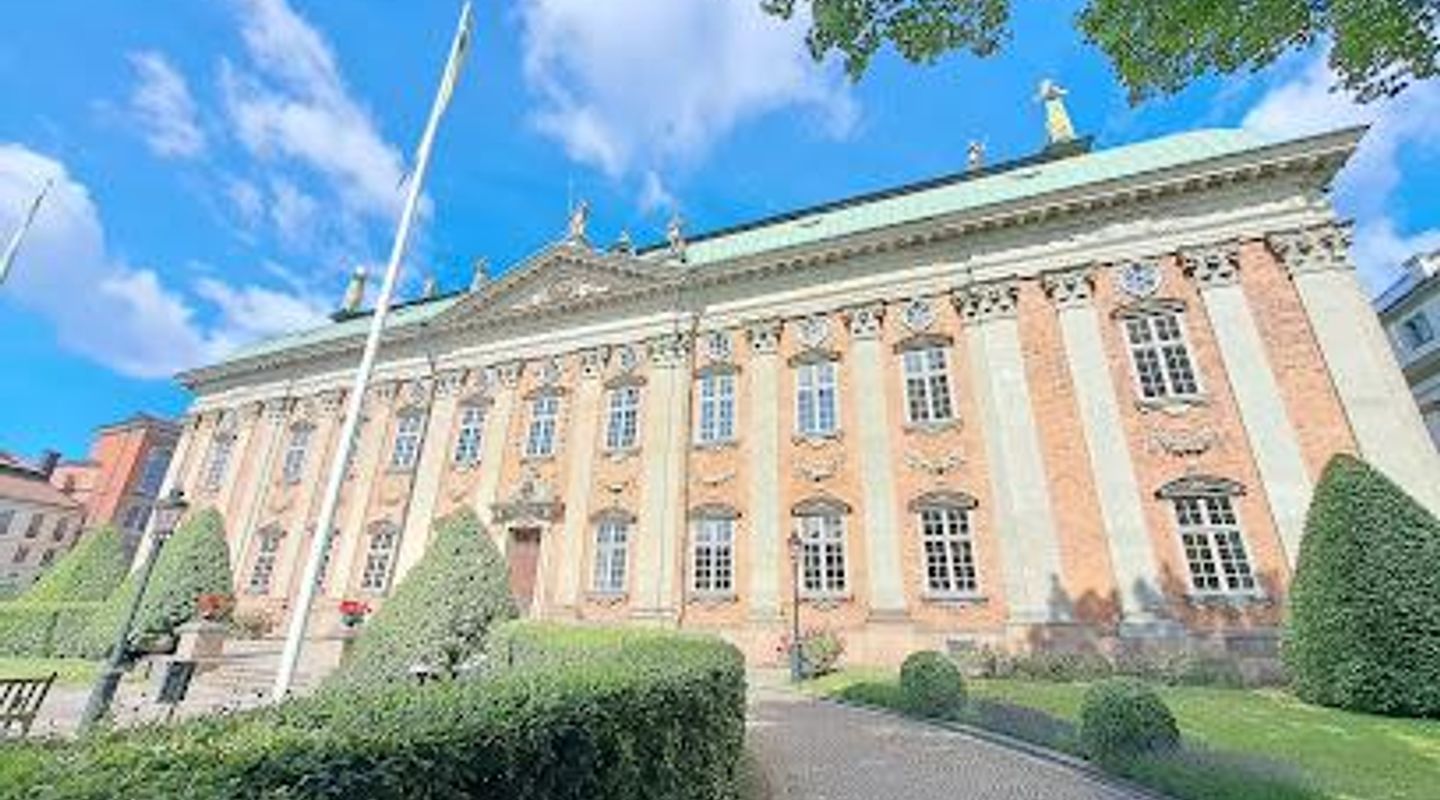
Gustav Vasas staty, Stockholm Travel Guide
An 18th‑century equestrian statue of Sweden’s founding king, anchoring Riddarhustorget with classical poise and civic presence.
An imposing 18th‑century equestrian statue of King Gustav Vasa standing on Riddarhustorget in central Stockholm, this bronze monument commemorates Sweden’s 16th‑century founder-king and anchors a compact historic square near the old parliamentary houses. The statue’s classical composition and raised plinth make it an arresting focal point for photographs, civic ceremonies and quiet study of Stockholm’s layered political history.
A brief summary to Gustav Vasas staty
- Stockholm, 111 28, SE
- Duration: 0.25 to 1 hours
- Free
-
 Outdoor
- Mobile reception: 4 out of 5

Know before you go
Hi, I'm Eve. Here are a few practical things to know before exploring Gustav Vasas staty.
- Best visited in soft morning or late‑afternoon light for richer bronze tones and fewer harsh shadows.
- Look for inscriptions and maker marks at the base; close inspection reveals casting details and restorations.
- Combine the visit with a slow walk around the square to appreciate surrounding historic façades and small architectural details.
Do you manage this location?
Take control to get all the benefits, like improved information, better appearance, and stronger visibility across AI-powered discovery. Learn more about listing your business on Evendo
Activate your presenceOther nearby places you may find interesting
The closest places of the same kind, if this one is not quite what you had in mind.



Explore Gustav Vasas staty on the Map
A handpicked selection of must-see spots near Gustav Vasas staty, mapped for you.
Unlock the Best of Gustav Vasas staty
Buy tickets
-
No tickets available
Book tours with entry

Book tours without entry
-
No tours available
Getting There
-
Metro and short walk
Take Stockholm’s Tunnelbana to the nearest central metro station, then walk 10–20 minutes over flat paved streets across the central district; services run frequently (every few minutes during peak hours) but walking times vary with foot traffic and there is limited formal parking in the square. Typical fare per adult is charged under the city’s public transport ticketing system (card or single‑journey ticket).
-
City bus
Use frequent central bus services that stop within a 5–15 minute walk of the square; journey times across the inner city are commonly 10–30 minutes depending on origin and traffic. Buses operate all year but can be slower in peak traffic; fares follow the same public transport ticketing structure as the metro.
-
Taxi or ride‑hailing
A taxi from central points typically takes 5–15 minutes depending on traffic, with fares charged by meter in local currency; vehicles can drop you near the square but there is limited on‑site parking and the cobbled space is primarily pedestrian.
For the on-the-go comforts that matter to you
-
 Seating Areas
-
 Information Boards
-
 Trash Bins
Discover more about Gustav Vasas staty
A sculpted statement from the Age of Liberty
The equestrian sculpture of Gustav Vasa was commissioned in the 18th century as a formal monument to the monarch credited with establishing modern Sweden in the 1500s. Cast and finished in the classical mode that suited public monuments of the era, the statue presents the king in a dignified pose atop a raised plinth, emphasising authority and national continuity. The work’s placement in a formal square links it to the institutions of power that gathered around Riddarhustorget.Materials, maker and artistic language
Carved in a stately realistic style and executed in durable materials typical of civic monuments, the figure combines sculptural solidity with careful surface detail: the drapery of the monarch’s garments, the anatomical modelling of the horse and the inscriptions on the base are all composed to be legible from the surrounding pavement. The statue follows neoclassical principles of balance and proportion, with an emphasis on clarity of silhouette so the figure reads against the sky and the façades that enclose the square.The square as historical stage
Riddarhustorget — the compact, cobbled square where the statue stands — has been a setting for civic ceremony, commemoration and political encounter for centuries. The monument functions not only as a memorial to an individual ruler but as an organising device for the space: benches, paving and the surrounding architecture frame views and encourage lingering. On bright days the stone and bronze take on warm highlights; in low light the silhouette reads as a single graphic element against the skyline.Sensory details and the visitor’s moment
Stand close enough to inspect the patina and small cast details: bronze ripple, greenish weathering and repaired joins tell a story of exposure and conservation. From the square you hear city sounds — distant traffic, footsteps on cobbles and the murmur of conversation — that contrast with the statue’s stillness. Photographs taken from the square emphasise the monument’s verticality, while low-angle shots can include the surrounding classical façades for context.Civic meanings and layered narratives
The statue commemorates a pivotal historical figure whose life and deeds have been interpreted in many ways over centuries; as an object it embodies the ways art and public memory intersect. Its commissioning reflected the politics and taste of the time when aristocratic and parliamentary interests shaped public monuments. As a tangible artefact in the urban fabric, it connects modern viewers with debates about authority, nationhood and representation.Practical presence within a compact historic quarter
As a fixed focal point in a small square, the monument is easy to experience in a short visit yet rewards closer attention: inscriptions, sculptural details and the patina of bronze reveal themselves gradually. The statue’s scale is civic rather than monumental; it invites both quick photographs and longer, contemplative pauses that situate you amid Stockholm’s layered history and architecture.












Your all‑in‑one travel companion app
Explore expert travel guides, compare and book tours, experiences, hotels, and more—all from the palm of your hand. Download now for seamless trip planning wherever your wanderlust takes you.


Explore More of Stockholm
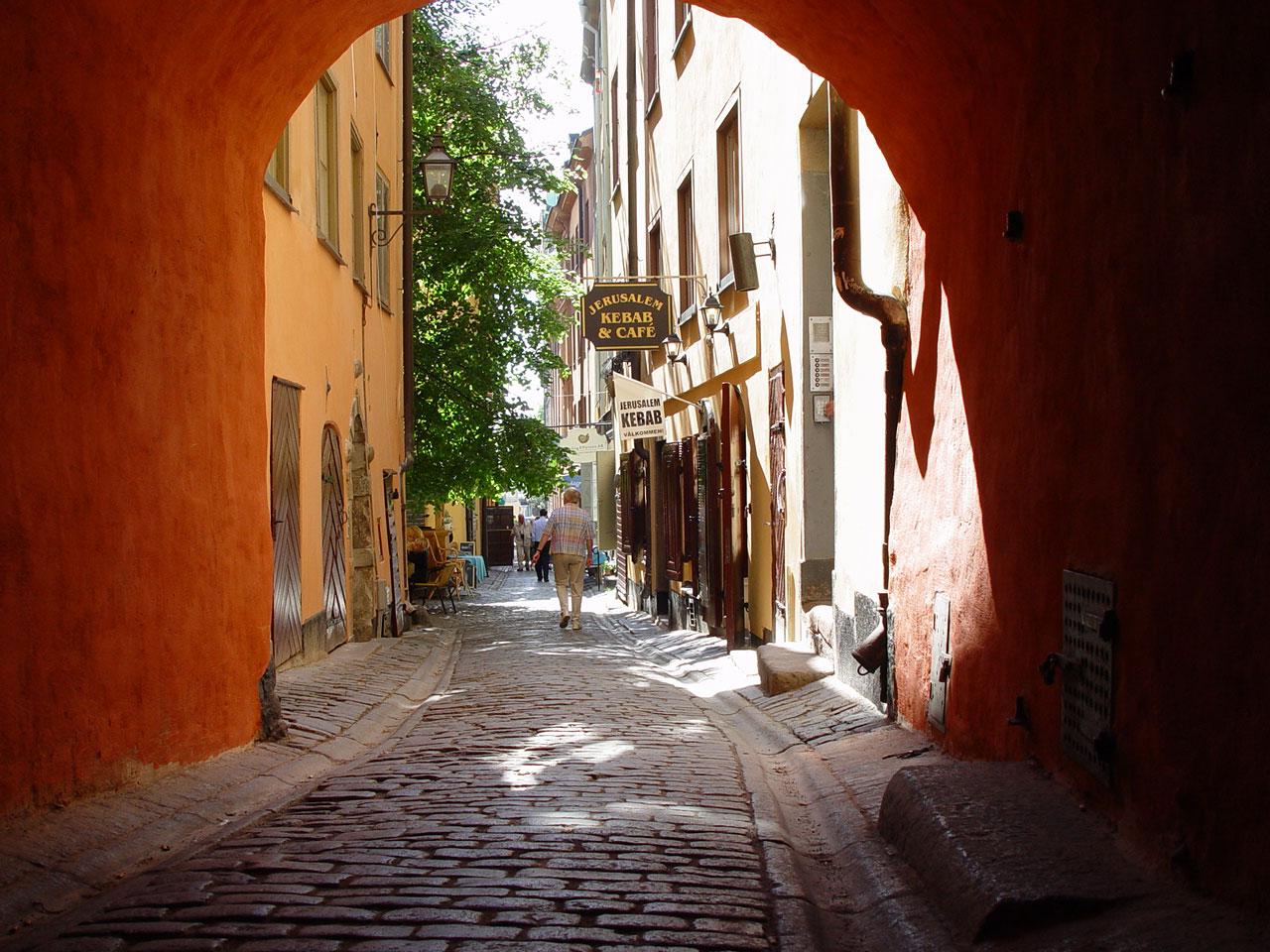
Looking beyond Gustav Vasas staty? Discover Stockholm for broader travel guides, local hot-spots, and regional highlights.
Explore Stockholm

