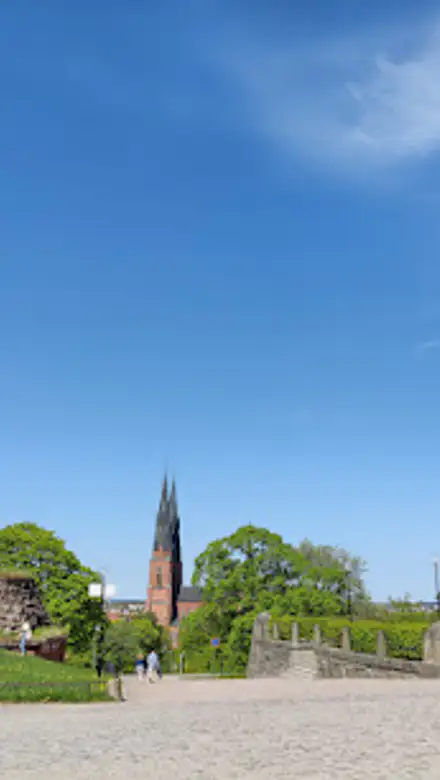
Uppsala Castle Travel Guide
Free Guide: A compact hilltop castle combining 16th-century ruins, art galleries and layered Swedish history with broad city views and intimate museum rooms.


A brief summary of Uppsala Castle
A compact hilltop castle combining 16th-century ruins, art galleries and layered Swedish history with broad city views and intimate museum rooms.
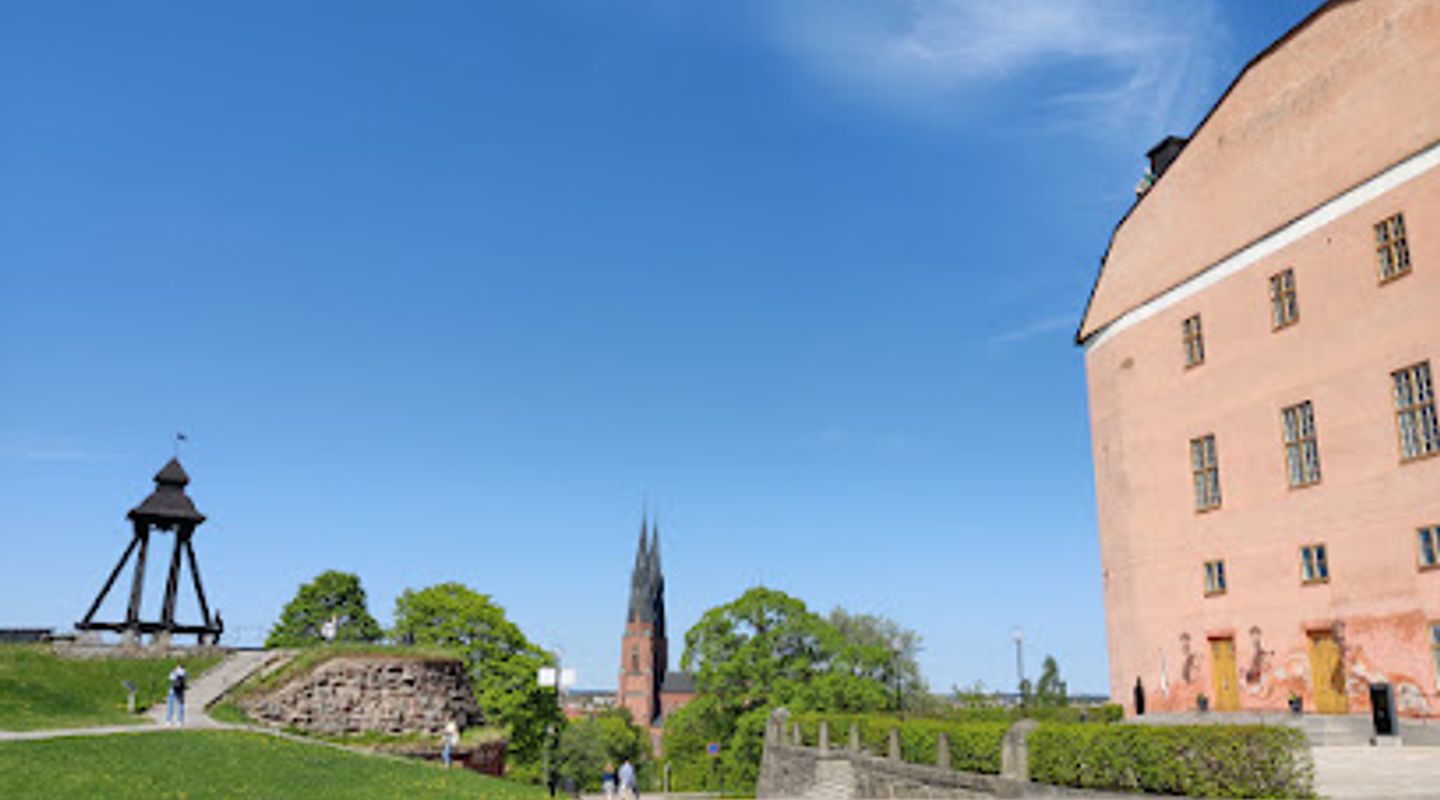
Perched on a sandstone ridge above the city, Uppsala Castle (Uppsala slott) is a layered monument where medieval foundations meet later royal ambitions and contemporary museum life. The site contains the Uppsala Art Museum, the slottshistoriska (castle-history) exhibitions and the 16th-century Vasaborgen ruins nearby, offering a compact mix of dramatic architecture, museum displays and panoramic city views in the heart of Uppsala.
On-site amenities
 Restrooms
 Drinking water
 Seating areas
 Sheltered areas
 Information boards
- Address
- Slottet, 752 37 Uppsala
- Phone
- Website
Getting there
Bus / Local transit
Taxi / Rideshare
Walking from central Uppsala
Discover more about Uppsala Castle
A hilltop stronghold shaped by centuries
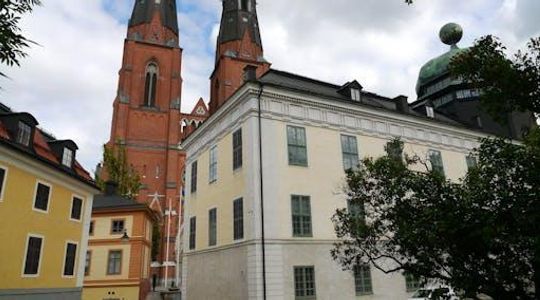
Uppsala Castle crowns the high sandstone terrace that overlooks the city and Fyrisån, its silhouette the result of phases of construction, repair and redesign from the 16th century onward. The castle’s visible form reflects efforts to create a royal seat that could also function as a defensible fortress; surviving masonry and later additions trace episodes of royal ambition, destructive fires and rebuilding that have imprinted a complex timeline on the stone.
The museum within: art, craft and civic memory
Parts of the castle now house the Uppsala Art Museum and the castle-history museum, where interior rooms and display galleries present rotating exhibitions alongside historical collections. Within these spaces you’ll find ceramics, sculpture and visual art that connect regional craft traditions with broader currents in Swedish and international art. The museum layout keeps the atmosphere intimate; low ceilings, painted walls and restrained lighting give artworks a domestic scale inside the historic shell.
Vasaborgen and the feel of ruins
A short walk on the castle grounds leads to the Vasaborgen ruins — fragments of the earlier 16th-century fortress founded by Gustav Vasa. The ruins are a tactile counterpoint to the restored palace: exposed foundations, battered masonry and narrow window apertures hint at the site’s original purpose and the harsher realities of early modern fortification. Here, the scale and rawness of ruined stone invite a quiet, reflective exploration of the castle’s martial past.
Sensory character and the public realm
The castle’s position gives it a distinct sensory character: the sandstone emits a warm ochre in late light, flags snap on windy days, and views stretch across tile roofs and spires to the plain beyond. The courtyard and terraces are shaped for public use—benches, lawn slopes and pathways encourage lingering; seasonal planting and the weathered texture of steps and balustrades create moments of repose between gallery visits.
Interpretation and accessibility
Interpretive panels and well-curated displays guide visitors through episodes of the castle’s story, from royal ceremonies to civic uses in later centuries. The museums operate with visitor-focused amenities: accessible entrances, an on-site cloakroom and lockers, accessible toilets and provisions for families and visitors with reduced mobility, making much of the visitor experience physically achievable for a wide range of guests.
Why the castle matters to the city
Uppsala Castle functions as a cultural anchor: it preserves material traces of national and municipal history while adapting to living uses—exhibitions, cultural programming and the occasional event. The combination of visible ruins, museum displays and panoramic vantage points makes the site a compact but layered destination where architecture and collections together communicate the shifting meanings of power, art and public life in Uppsala.
Evendo Review Centre
 Google
Guest reviews
Best time to go
Quietest: Jan, Feb & Dec · before 8am or from 9pm
Busy times are Evendo estimates for a typical year, to help you plan. Actual crowds vary with events, school holidays and the weather.
Explore Uppsala Castle on the map
A handpicked selection of must-see spots near Uppsala Castle, mapped for you.
Get your free copy of our complete guide to Uppsala Castle, delivered straight to you.
Everything on this page, from opening hours and how to get there to Eve’s tips and the best time to go, in one PDF you can read offline, print or share.
Already have an account? Sign in
Your Uppsala Castle guide is ready.
We'll send it to · Not you? Sign out

Getting your guide ready…
We are putting together a fresh copy of the Uppsala Castle guide. This can take up to a minute.
This can take a few moments. If your browser asks, choose Allow so the download can start. You'll find the guide in your Downloads folder.
Nothing happened? Download it again
Sorry, the guide is taking longer than usual. Please try again in a minute, or get it by email instead.
Unlock the best of Uppsala Castle
Skip-the-line tickets, guided tours with entry, and walking tours of the area, booked in a few clicks.
 Tour with entry
Learn about the reformation king of Uppsala on a guided walking tour
from $11.26 Tour with entry
Guided Viking and vendel era walking tour in historic Uppsala
from $42.24 Tour with entry
3h Uppsala city walking tour, Cathedral, university buildings etc
from $147.68 Tour with entry
Day-Trip- to-Uppsala
from $249.56



Other nearby places you may find interesting
The closest places of the same kind, if this one is not quite what you had in mind.
-
-
-
-
-


Swipe for more places
More to explore near Uppsala Castle

 Best experiences near Uppsala Castle
 Best hotels near Uppsala Castle
 Best landmarks near Uppsala Castle
 Best attractions near Uppsala Castle
 Best shops near Uppsala Castle
 Best restaurants near Uppsala Castle
 Best bars near Uppsala Castle
Do you manage this location?
Take control to get all the benefits, like improved information, better appearance, and stronger visibility across AI-powered discovery.
Explore more
Explore more of Götaland
Discover Götaland: Explore Southern Sweden's Rich History, Breathtaking Landscapes, and Vibrant Culture
Explore Götaland
Explore more of Sweden
Discover Sweden's breathtaking landscapes, vibrant cities, and rich cultural heritage. From the Northern Lights to historic castles, experience the essence of Scandinavia.
Explore Sweden