Oscar II Fort, Gothenburg Travel Guide
Discover Gothenburg's hidden coastal sentinel: underground tunnels, disappearing guns, and moat newts in a remarkably preserved 1900s fortress open just select days.
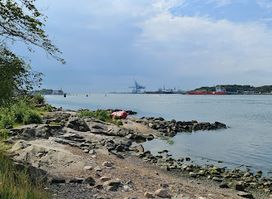
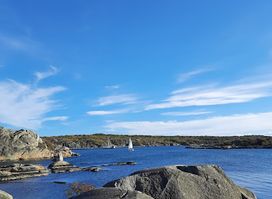
Perched on Västberget overlooking the Göta River estuary, Oscar II Fort is a remarkably preserved coastal defense fortress built between 1899 and 1907. Designed to protect Gothenburg's vital harbor from naval threats, it features an intricate network of underground tunnels, massive disappearing gun emplacements, a deep dry moat teeming with newts, and artillery positions with sweeping sea views. Though decommissioned in the 1970s and now a listed historic site, it opens select days for self-guided exploration of its granite-hewn interiors, command posts, and caponiers—offering a tangible glimpse into Sweden's early 20th-century military ingenuity.
A brief summary to Oscar II Fort
- Försvarsgatan 36, Västra Frölunda, 426 76, SE
- Click to display
- Click to display
- Duration: 1.5 to 3 hours
- Budget
-
 Outdoor
- Mobile reception: 4 out of 5

Know before you go
Hi, I'm Eve. Here are a few practical things to know before exploring Oscar II Fort.
- Entry is SEK 100 cash or Swish only; arrive early as numbers are limited on open days.
- Wear sturdy shoes and warm layers—tunnels are damp, uneven, and chilly year-round.
- Bring a headlamp or flashlight for better visibility in unlit underground passages.
- Spot newts in the moat and speleothems in tunnels; they're rare highlights in this young fort.
- Check the official site for 2025 open dates like May 3 and June 6, as access is rare.
Do you manage this location?
Take control to get all the benefits, like improved information, better appearance, and stronger visibility across AI-powered discovery. Learn more about listing your business on Evendo
Activate your presenceOther nearby places you may find interesting
The closest places of the same kind, if this one is not quite what you had in mind.


Explore Oscar II Fort on the Map
A handpicked selection of must-see spots near Oscar II Fort, mapped for you.
Unlock the Best of Oscar II Fort
Buy tickets
-
No tickets available
Book tours with entry
-
No tours available
Book tours without entry

Getting There
-
Tram
Tram 9 or 11 from Gothenburg Central Station to Långedrag stop takes 25-35 minutes, then 1.2km walk along coastal paths with some elevation; runs every 10-15 minutes daily, SEK 40 single ticket.
-
Bus
Bus 52 from Södra Vägen to Försvarsgatan takes 40-50 minutes from city center; services every 30 minutes weekdays, less frequent weekends, SEK 40 fare, paved roads with moderate incline.
-
Car
Drive from Gothenburg center via E6 south to Västra Frölunda exit, 20-30 minutes for 12km; limited parking at site, no designated lots, SEK 20-30 toll possible on routes.
-
Taxi
Taxi from central Gothenburg 25-35 minutes depending on traffic, SEK 400-550 fixed or metered; available 24/7 but book ahead for groups, suitable for all weather.
For the on-the-go comforts that matter to you
-
 Restrooms
-
 Trash Bins
-
 Information Boards
Discover more about Oscar II Fort
Strategic Birth on Västberget
Nestled on the rugged heights of Västberget in Gothenburg's Älvsborg district, Oscar II Fort emerged from granite bedrock between 1899 and 1907 as Sweden's cutting-edge bulwark against maritime invasion. Named for King Oscar II, who ruled both Sweden and Norway until their peaceful 1905 separation, the fortress was conceived amid regional tensions to safeguard the Göta River mouth, Gothenburg's bustling port, and the Swedish Navy's anchorage. Vast quantities of excavated rock formed artificial reefs in the estuary, channeling ships through a narrow, vulnerable passage under the fort's watchful gaze.Construction demanded ingenuity: with no reliable roads nearby, materials arrived by dock and narrow-gauge railway. The design integrated the natural granite cliff for unparalleled protection, surrounding living quarters, armories, and command centers with a formidable dry moat, counterscarps, and caponiers.Armored Might and Hidden Depths
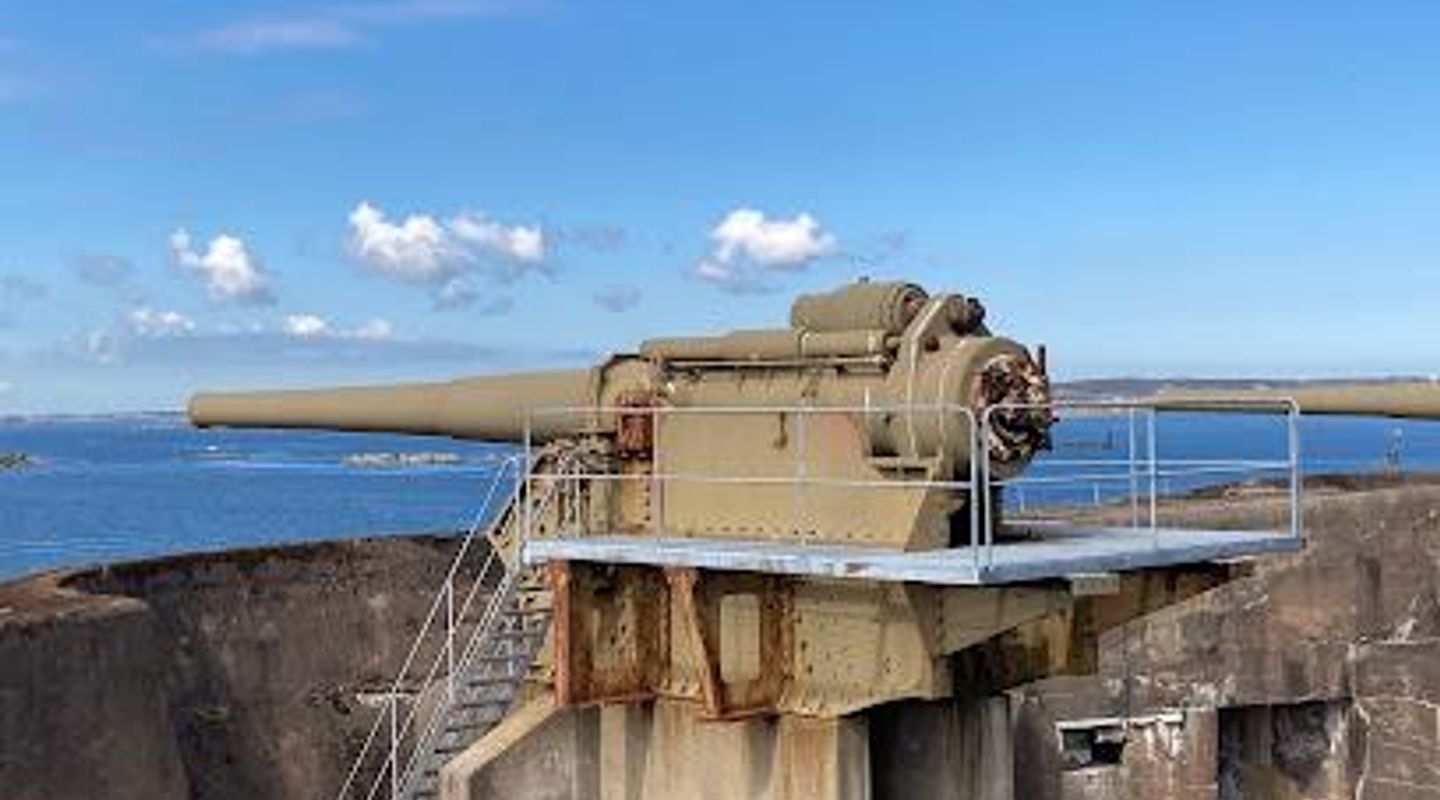
At its 1907 peak, the fort bristled with advanced weaponry ahead of its era—two 24cm m/04 guns on disappearing carriages, 15cm armored turrets, and lighter 57mm pieces oriented both seaward and inland. These forerunners to Maginot Line tech sat beneath low-profile cupolas, while underground passages stretched hundreds of meters, housing barracks for 300 personnel, mess halls, offices, stores, and even hot-air heating, electricity, and indoor toilets—luxuries many locals lacked.The subterranean world, carved deep into the rock, connected gun positions via speaking tubes and telephones to surface fire-command posts. Surface features included World War I-era observation points and WWII concrete bunkers, slit trenches, and a metre-gauge rail entry now sealed.Wartime Neutrality to Cold Storage
Sweden's neutrality through both world wars spared Oscar II active combat, though it mobilized in 1939 amid rising threats. Most guns relocated to outer archipelago defenses by 1940, leaving the site for troop housing during WWII. Postwar, it stored materiel until the 1970s, when deterioration prompted full decommissioning. Amalgamated into Gothenburg Coastal Artillery Defence in 1942, it symbolized the shift from standalone bastions to networked defenses with mines and batteries.Listed as a protected building in 2018, the fort endures unrestored, its patina of rust and decay enhancing the time-capsule aura.Engineering Marvels Above and Below
Ascend to panoramic clifftop vistas where rusted turrets overlook ferries plying the Göta älv. Descend into cool, echoing tunnels where speleothems—stalactite-like formations—adorn walls despite the site's youth, a geological surprise rivaling ancient sites. The moat, a vertiginous chasm, shelters smooth newts gliding in still waters, their presence a whimsical counterpoint to martial history.Explore caponiers bridging the moat for enfilading fire, false reefs visible offshore, and preserved crew quarters evoking garrison life—compact, functional spaces amid humming generators and clanging hatches.Legacy of a Vanished Era
Today, Oscar II stands as Älvsborg Fortress's core, untouched by later remodels unlike many peers. Its original layout—rare in Europe—mirrors early 20th-century fortification evolution, from Vaberget prototypes to Boden's northern twin. Self-guided visits reveal maps, stationed guides at key spots, and the thrill of discovery in dim casemates, where echoes of drills and orders linger in the damp air.












Your all‑in‑one travel companion app
Explore expert travel guides, compare and book tours, experiences, hotels, and more—all from the palm of your hand. Download now for seamless trip planning wherever your wanderlust takes you.


Explore More of Gothenburg
Looking beyond Oscar II Fort? Discover Gothenburg for broader travel guides, local hot-spots, and regional highlights.
Explore Gothenburg