Blå Lagunen Travel Guide
Free Guide: A striking turquoise limestone quarry in northern Gotland—raw cliffs, deep blue water and a scenic, conservation‑managed setting for swims and photos.


A brief summary of Blå Lagunen
A striking turquoise limestone quarry in northern Gotland—raw cliffs, deep blue water and a scenic, conservation‑managed setting for swims and photos.
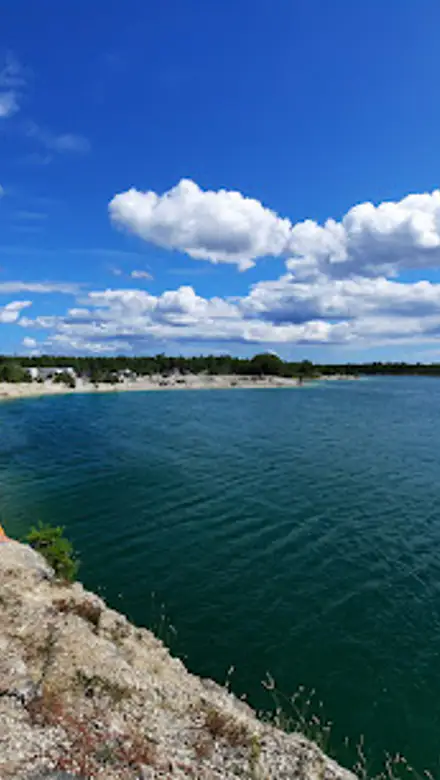
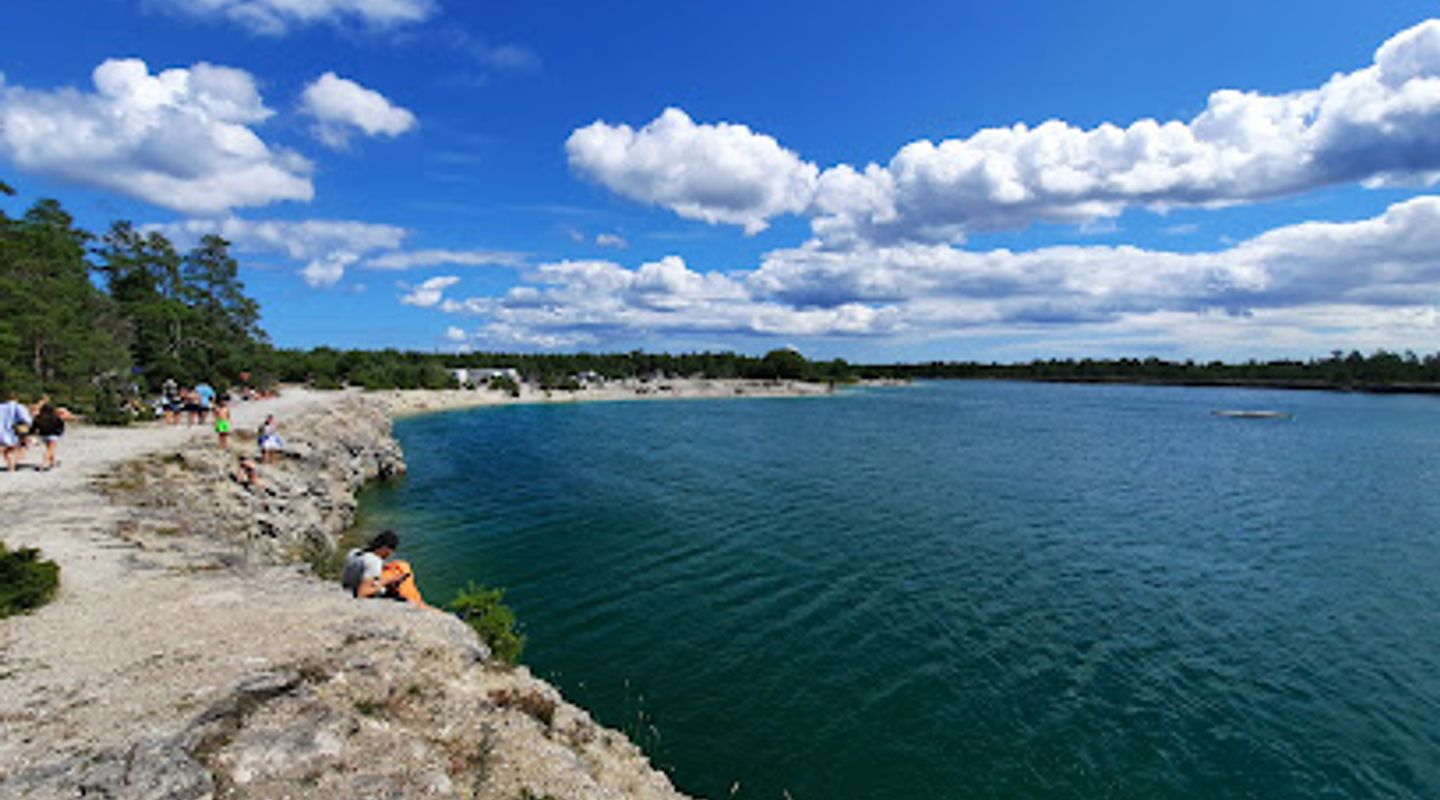
Blå Lagunen is a water-filled limestone quarry near Lärbro on northern Gotland, known for its striking turquoise water, gravelly shores and steep chalk walls that echo the island’s centuries-old stone‑cutting industry. Part of the Bästeträsk/Fleringe landscape and inside a protected area, it’s a distinctive swimming and picnic spot visited for its colour, geology and raw coastal character.
On-site amenities
 Restrooms
 Food options
 Seating areas
 Picnic areas
 Trash bins
 Information boards
- Address
- 624 60 Lärbro
- Website
Getting there
By car
Regional bus + short walk
Bicycle
Discover more about Blå Lagunen
A quarry shaped by Gotland’s stone heritage
Blå Lagunen sits in what was once an active limestone quarry where local stone was cut for building and lime production; the flooding of one excavation created the clear, turquoise pool that gives the site its name. The sheer faces of exposed limestone, terraces and the scattered spoil heaps are physical reminders of centuries-long stoneworking traditions on northern Gotland, and the water’s unusual blue tone comes from the limestone bed and the way light is scattered in the deep, mineral‑rich basin.
What you see and hear at the water’s edge
The shoreline is mostly compacted gravel and small pebbles rather than soft sand, with a small beach-like shelf and occasional grassy ledges for sitting. The water drops away quickly in places; where a small wooden jetty and floating platform remain, people swim and drift in the vivid blue-green water. Surrounding scrub, gorse and low pines give the place a slightly rugged, windswept character—on calm days the quarry reflects the sky; in breeze the cliffs and treetops whisper and gulls call overhead.
Protected landscape and seasonal rhythms
Blå Lagunen lies within the broader Bästeträsk/Fleringe conservation area and is managed under rules that balance recreation with habitat protection. In summer the site receives most visitors and seasonal facilities such as simple kiosks or toilets may operate; outside high summer the place grows quieter and the emphasis shifts toward landscape appreciation rather than services. Certain conservation rules apply in the reserve—open fires and off‑road vehicle use are restricted, and visitors are asked to respect marked parking and access points.
Safety, terrain and practical character
The quarry’s abrupt drop-offs and stony bottom mean the water can be colder and deeper than it first appears; gravelly terrain and small rocks lead many visitors to use water shoes. There are picnic tables and informal grilling spots in the immediate area, and parking is located near the main entrance though capacity is limited in peak season. The setting favours short stays—swims, picnics and photography—rather than long, sheltered beach days.
A place for quiet contrast and striking photos
Blå Lagunen’s visual drama—turquoise water cupped by pale limestone cliffs—creates strong photo opportunities and a sense of otherness typical of flooded quarries. The colour shifts through the day: luminous and jewel-like under midday light, cooler and glassier in the evening. Because the shoreline and facilities are intentionally low-key, the location feels raw and elemental rather than developed, making it appealing to those who enjoy natural contrasts and geological stories.
Respecting the site for future visitors
As part of a protected landscape, Blå Lagunen is best enjoyed with an awareness of its fragility: pack out litter, use designated picnic and parking areas, and observe local rules for wildlife and plant protection. The site’s combination of industrial history and vivid aquatic colour makes it an instructive stop for anyone curious about how human industry and natural processes can combine to create unexpected landscapes on Gotland.
Evendo Review Centre
 Google
Guest reviews
Best time to go
Quietest: Jan, Feb & Nov · before 6am or at 10pm
Busy times are Evendo estimates for a typical year, to help you plan. Actual crowds vary with events, school holidays and the weather.
Explore Blå Lagunen on the map
A handpicked selection of must-see spots near Blå Lagunen, mapped for you.
Get your free copy of our complete guide to Blå Lagunen, delivered straight to you.
Everything on this page, from opening hours and how to get there to Eve’s tips and the best time to go, in one PDF you can read offline, print or share.
Already have an account? Sign in
Your Blå Lagunen guide is ready.
We'll send it to · Not you? Sign out

Getting your guide ready…
We are putting together a fresh copy of the Blå Lagunen guide. This can take up to a minute.
This can take a few moments. If your browser asks, choose Allow so the download can start. You'll find the guide in your Downloads folder.
Nothing happened? Download it again
Sorry, the guide is taking longer than usual. Please try again in a minute, or get it by email instead.
Other nearby places you may find interesting
The closest places of the same kind, if this one is not quite what you had in mind.
-
-
-
-
-


Swipe for more places
More to explore near Blå Lagunen

 Best experiences near Blå Lagunen
 Best hotels near Blå Lagunen
 Best landmarks near Blå Lagunen
 Best attractions near Blå Lagunen
 Best shops near Blå Lagunen
 Best restaurants near Blå Lagunen
 Best bars near Blå Lagunen
Do you manage this location?
Take control to get all the benefits, like improved information, better appearance, and stronger visibility across AI-powered discovery.
Explore more

Explore more of Gotland
Explore Gotland, Sweden's largest island, known for its medieval charm, stunning natural landscapes, and vibrant cultural scene in the heart of the Baltic Sea.
Explore Gotland
Explore more of Sweden
Discover Sweden's breathtaking landscapes, vibrant cities, and rich cultural heritage. From the Northern Lights to historic castles, experience the essence of Scandinavia.
Explore Sweden