Bottarve museigård, Gotland Travel Guide
A compact, well‑preserved 19th‑century Gotland farmstead with original interiors, thatched barns and living‑history craft demonstrations.
Bottarve Museigård is a mid-19th-century Gotland farmstead museum in Vamlingbo, Burgsvik, preserving a largeholder’s homestead with original interiors, outbuildings and reconstructed thatched barns. Run by Hoburgs hembygdsförening, the site offers seasonal opening hours, guided interpretation, craft demonstrations, a small café and a museum shop — a compact cultural pocket that showcases rural life on southern Gotland through architecture, furniture and living-history displays.
A brief summary to Bottarve museigård
- VAMLINGBO BOTTARVE 112, Burgsvik, 623 31, SE
- Click to display
- Click to display
- Duration: 0.5 to 2 hours
- Budget
-
 Outdoor
- Mobile reception: 4 out of 5
- Monday 11 am-5 pm
- Tuesday 11 am-5 pm
- Wednesday 11 am-5 pm
- Thursday 11 am-5 pm
- Friday 11 am-5 pm
- Saturday 11 am-5 pm
- Sunday 11 am-5 pm

Know before you go
Hi, I'm Eve. Here are a few practical things to know before exploring Bottarve museigård.
- Check seasonal opening dates before you go — Bottarve’s main season runs in summer with more limited opening outside June–August.
- Allow 1–2 hours to tour the house, courtyard and shop; listen for scheduled craft demonstrations or guided commentary.
- Bring light layers: indoor rooms can feel cool while the courtyard is exposed to wind and sun typical of southern Gotland.
Do you manage this location?
Take control to get all the benefits, like improved information, better appearance, and stronger visibility across AI-powered discovery. Learn more
Activate your presenceOther nearby places you may find interesting
The closest places of the same kind, if this one is not quite what you had in mind.
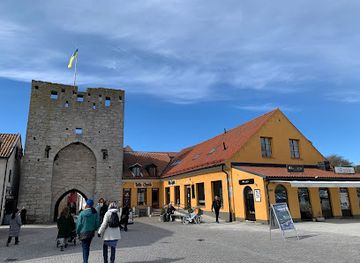
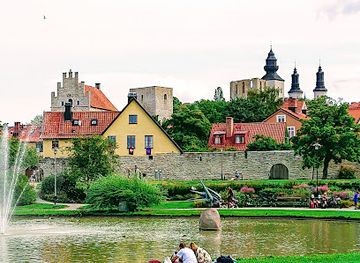
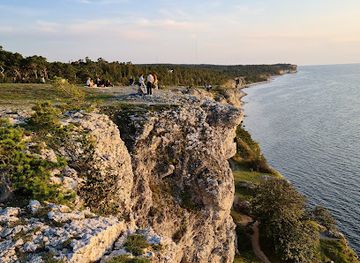
Explore Bottarve museigård on the Map
A handpicked selection of must-see spots near Bottarve museigård, mapped for you.
Getting There
-
By regional bus
Regional bus service from Visby to Burgsvik takes approximately 40–55 minutes depending on timetable season; services are less frequent outside summer so check the current schedule. Ticket prices typically range SEK 50–120 one way; bring exact fare or a card for regional transport. Note: weekend and off‑season frequencies drop and timetables can change.
-
By car
Driving from central Visby typically takes 20–30 minutes via the main road; expect narrow rural lanes near the site and limited on‑site parking that may fill during events. There is no paid parking charge, but parking spaces are informal and turning/manoeuvring room can be tight for larger vehicles.
-
By bicycle
Cycling from Burgsvik or nearby villages is common and takes roughly 15–40 minutes depending on start point and fitness; routes use country roads that can be exposed to wind and lack dedicated cycle lanes. Surfaces are a mix of paved and well‑maintained rural roads — bring waterproof clothing if weather is changeable.
For the on-the-go comforts that matter to you
-
 Restrooms
-
 Drink Options
-
 Food Options
-
 Seating Areas
-
 Information Boards
Discover more about Bottarve museigård
A living mid-1800s farmstead frozen in place
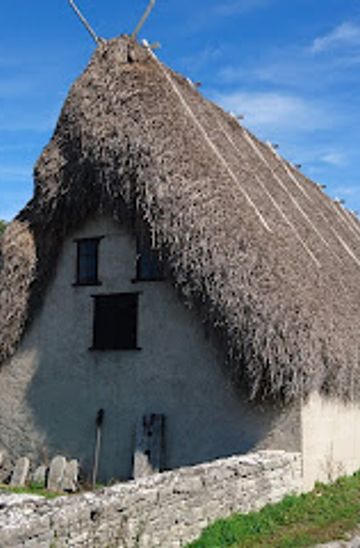
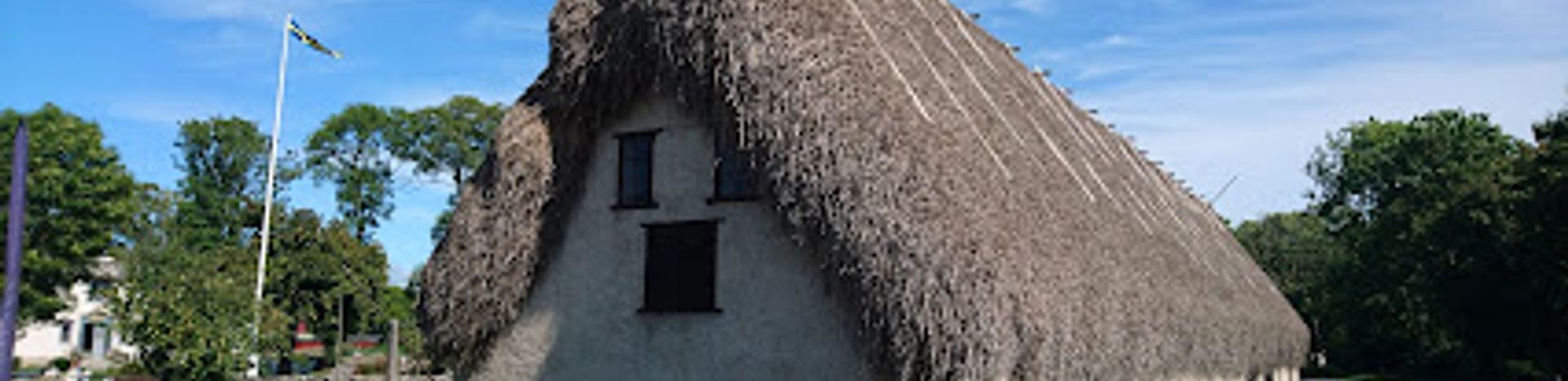
Bottarve Museigård is centred on a parstuga farmhouse whose main block dates to 1844; surrounding barns and service buildings reflect a working largeholding from the 18th and 19th centuries. The ensemble combines well-preserved exterior features — such as the grey painted main block, the lower rear wing and the expansive ag‑thatched barn roof — with interiors that retain period furnishings and household implements, giving visitors a clear sense of domestic scale and material culture from rural Gotland’s agricultural heyday.Architectural features and reconstructed outbuildings
The farm’s layout is typified by a compact courtyard framed by the house and its outbuildings. The threshing barn was rebuilt after a fire in the 1980s to its original scale and siting, using traditional techniques to reinstate the characteristic straw-thatched roof that dominates the yardline. Inside the main house the traditional parstuga plan is legible: a central entrance, stuga (living room), kammare (chamber) and an upper bride’s chamber; plasterwork, timber details and room proportions all speak to middle‑class rural taste of the period.Community stewardship and cultural protection
The property is cared for by Hoburgs hembygdsförening and protected under cultural‑heritage legislation as an important local monument. The museum’s role is both custodial and active: conservational work on timber and thatch, the careful reconstruction of lost buildings, and the curatorial choices about displayed objects all reflect ongoing efforts to preserve traditional building techniques and local craft knowledge for future generations.The visitor experience: atmosphere and small-scale comforts
On a summer afternoon the courtyard feels calm and sun-warmed; visitors move between rooms where woodsmoke aromas and the muted clink of metal tools feel almost present. There is usually a small café and a museum shop offering locally made crafts and publications; informational panels explain the house plan and highlight notable objects. The site’s compact scale means a visit is intimate: you can linger at furnished windows, study carved details on furniture, and imagine seasonal rhythms of planting and harvest across the surrounding farmland.Why Bottarve matters on the island
As one of southern Gotland’s best‑preserved farmsteads, Bottarve offers a tangible connection to the island’s agrarian past and the everyday lives of its rural residents. The combination of original interiors, reconstructed agricultural buildings and living‑history programming makes the site a focused case study in how architecture, craft and community memory combine to keep regional identity alive.












Your all‑in‑one travel companion app
Explore expert travel guides, compare and book tours, experiences, hotels, and more—all from the palm of your hand. Download now for seamless trip planning wherever your wanderlust takes you.


Explore More of Gotland
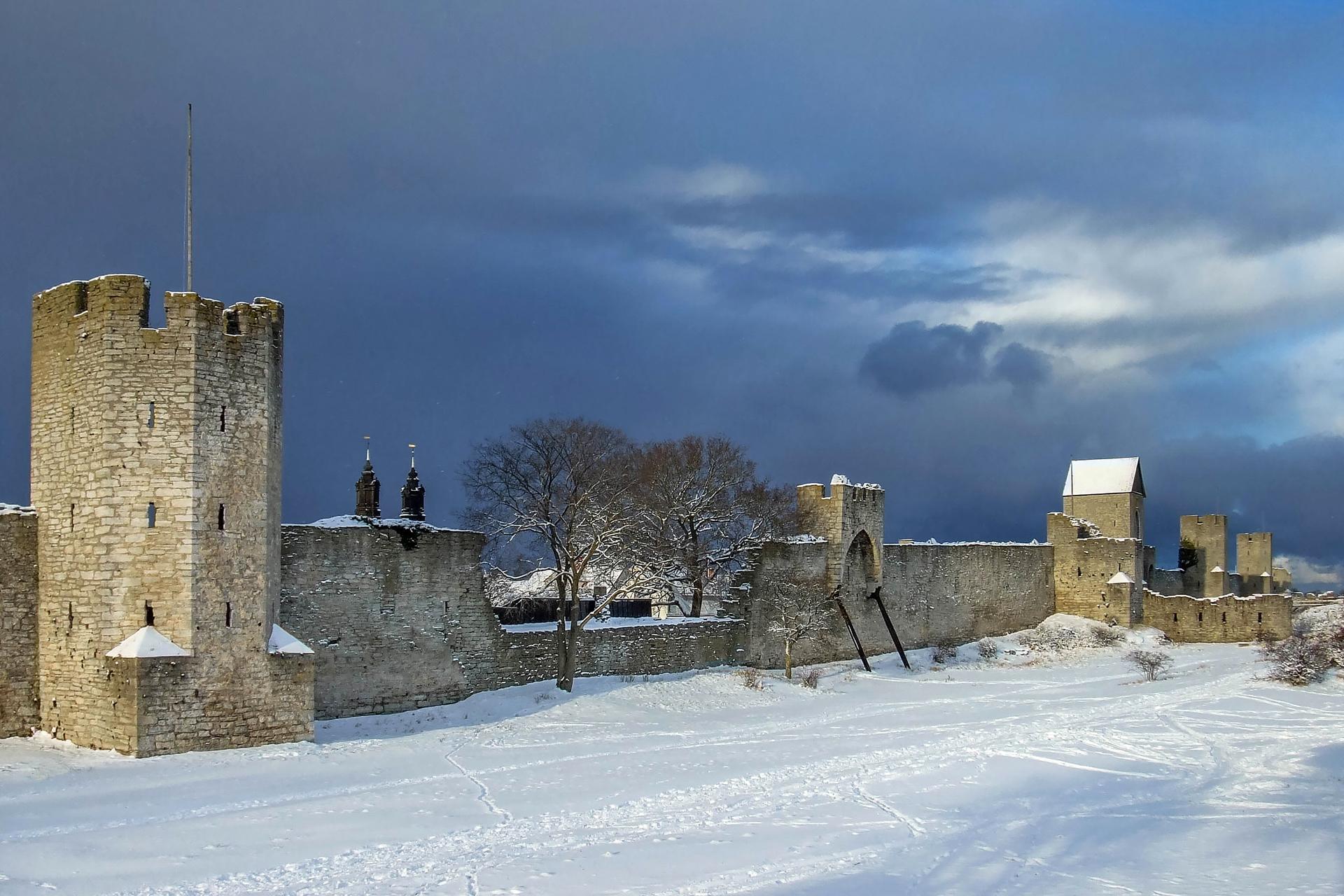
Looking beyond Bottarve museigård? Discover Gotland for broader travel guides, local hot-spots, and regional highlights.
Explore Gotland