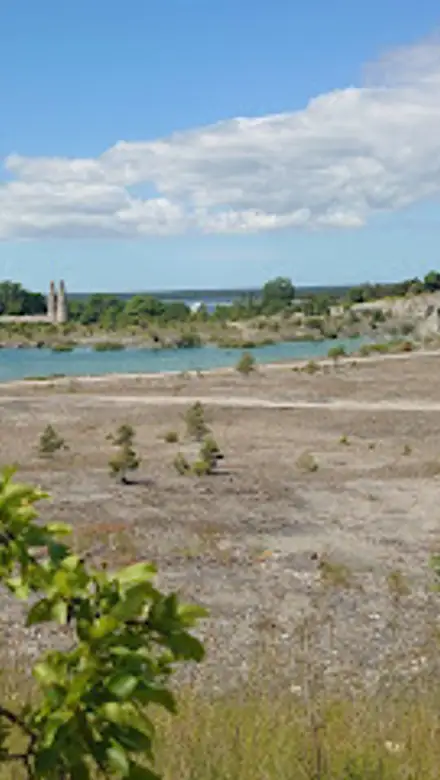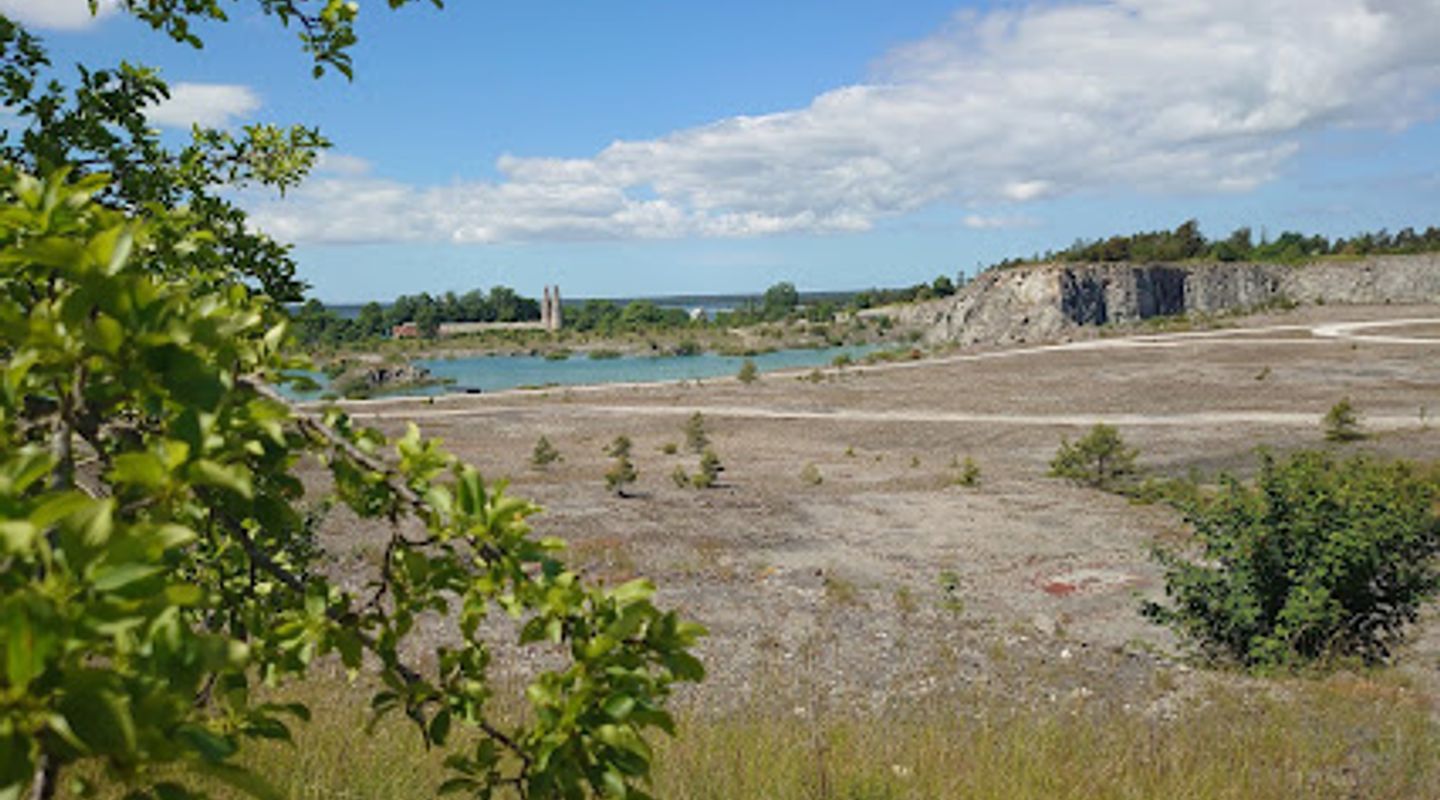
Bungenäs Kalkbrott, Gotland Travel Guide
A windswept, cinematic limestone quarry where industrial ruins, coastal views and adaptive reuse meet on the Bungenäs peninsula.
A dramatic former limestone quarry on the Bungenäs peninsula near Fårösund, Bungenäs Kalkbrott combines raw coastal cliffs, shallow turquoise pools and reminders of industrial and military history; paths thread between ruined kilns, bunkers and adaptive‑reuse buildings, while windswept grassland and sea views create a cinematic, windswept setting for photography, short walks and quiet contemplation.
A brief summary to Bungenäs Kalkbrott
- Unnamed Road, Fårösund, 624 64, SE
- Duration: 0.5 to 3 hours
- Free
-
 Outdoor
- Mobile reception: 4 out of 5

Know before you go
Hi, I'm Eve. Here are a few practical things to know before exploring Bungenäs Kalkbrott.
- Wear sturdy footwear and mind unstable edges—cliff rims and quarry faces can be steep and loose.
- Bring a windproof layer; weather changes quickly and the peninsula is exposed to sea breezes.
- Respect signs and fenced areas: some structures are unstable and other zones are managed for conservation.
Do you manage this location?
Take control to get all the benefits, like improved information, better appearance, and stronger visibility across AI-powered discovery. Learn more about listing your business on Evendo
Activate your presenceOther nearby places you may find interesting
The closest places of the same kind, if this one is not quite what you had in mind.
Explore Bungenäs Kalkbrott on the Map
A handpicked selection of must-see spots near Bungenäs Kalkbrott, mapped for you.
Getting There
-
Drive (private car or rental)
Car travel from the regional centre typically takes 40–70 minutes depending on start point and season; parking is informal near the peninsula entrance with limited spaces and no guaranteed facilities, and some roads approaching the site are narrow and may be busy in summer. Expect potential seasonal parking fees at nearby developed spots and reduced availability on holiday weekends.
-
Regional bus + short walk
Take a regional bus service to Fårösund (journey time roughly 45–75 minutes from larger island towns depending on timetable); services run less frequently on weekends and evenings. From the bus stop a walk over uneven rural paths of about 1–3 km (rough terrain, 20–45 minutes) brings you to the peninsula—suitable for most walkers but not for those requiring step‑free access.
-
Bicycle
Cycling from nearby towns is common: expect ride times of 1–2 hours from larger centres (terrain mostly paved roads then gravel tracks), with exposed sections and some short climbs. Secure bicycle parking is limited and weather affects comfort; avoid long rides in heavy winds or rain.
For the on-the-go comforts that matter to you
-
 Seating Areas
-
 Information Boards
-
 Food Options
Discover more about Bungenäs Kalkbrott
From Quarry to Coastal Stage
Bungenäs Kalkbrott occupies a slice of coastline that once housed Gotland's largest limestone operation; from the early 20th century the quarry and its lime kilns shaped both the land and local livelihoods. Evidence of that industrial past remains visible: terraced rock faces, worked scars on the cliff, and the hulking silhouettes of former buildings that lean into the shore like stage props. The raw geometry of the exposed limestone—pale, striated and often honey‑toned—contrasts with the cool blues of the surrounding sea, producing an atmosphere that is at once geological and theatrical.Layered Histories in Stone and Concrete
Beyond the quarrying era, the peninsula later wore a military identity; bunkers and concrete structures from 20th‑century training use punctuate the landscape. These manmade relics have been folded into the place’s story rather than erased, so visitors encounter a palimpsest of uses: industrial, military and now recreational. A handful of restored and repurposed buildings—some transformed into dining or gallery spaces—further illustrate how the site has been reimagined while keeping the character of its older bones.Landscape and Seascape Details That Reward Close Watching
Small, sheltered coves and shallow pools form where the quarry meets the sea; on calm days these collect crystal reflections and reveal the pale bedrock beneath the water. Drift seaweed and pebbles line narrow strips of beach between bluffs, while spring and summer bring coastal grassland speckled with wildflowers. Weather moves quickly here—skies change from low grey to bright sunlight within an hour—so the quarry’s colours and moods shift constantly, making it a compelling spot for photographers and anyone who enjoys transient coastal light.The Built Environment and Adaptive Reuse
Scattered through Bungenäs are vestiges of its industrial architecture: lime kilns, storage barns and workers’ facilities. In recent years several of these structures have been adapted for new uses—small restaurants, exhibition spaces and carefully sited holiday cottages—where original materials and simple interventions preserve the place’s honest, unpolished feel. Paths and informal clearings invite exploration without overwhelming the site; the human additions feel deliberately modest beside the scale of the quarry and sea.Visitor Experience: Pace, Senses and Safety
Exploring Bungenäs is sensory: wind on the cliff, the chalky scent of lime, the distant rumble of surf and the hollow echo beneath some of the quarry overhangs. Terrain varies—gravelly tracks, grassy hummocks and steep quarry edges—so sturdy shoes and caution near cliff rims are sensible. The place works well for short rambles, quiet photography sessions, or simply pausing on a headland to watch the sea. Interpretive signs and visible ruins provide context, but the site’s primary draw is its combination of natural spectacle and tangible history.Cultural Echoes and Conservation Mindset
Bungenäs sits within a larger peninsula shaped by humans and nature across generations. Many local conservation and design efforts have aimed to keep the place accessible while protecting its geological features and habitats; adaptive reuse has sought to respect the quarry’s gritty aesthetic rather than erase it. That careful stewardship gives the area a layered cultural quality—an open landscape that acknowledges industry and defence, and now invites low‑impact public use and creative reimagining.












Your all‑in‑one travel companion app
Explore expert travel guides, compare and book tours, experiences, hotels, and more—all from the palm of your hand. Download now for seamless trip planning wherever your wanderlust takes you.


Explore More of Gotland
Looking beyond Bungenäs Kalkbrott? Discover Gotland for broader travel guides, local hot-spots, and regional highlights.
Explore Gotland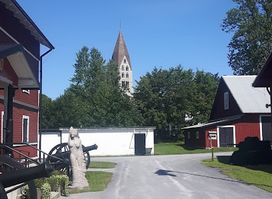
Two linked sites in Tingstäde that bring Gotland’s army, navy and air-force history to life through vehicles, aircraft and focused collections.
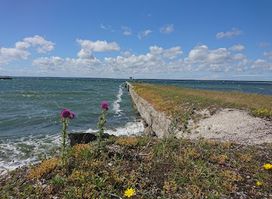
A windswept limestone shore outside Fårösund where pebbled beaches, an abandoned quarry and open Baltic views form a quiet coastal refuge.